LS Cable approves $262m rare earth magnet facility in Gumi
The planned 1,000-ton annual output covers 17% of South Korea's demand, cutting reliance on Chinese refiners for key components.
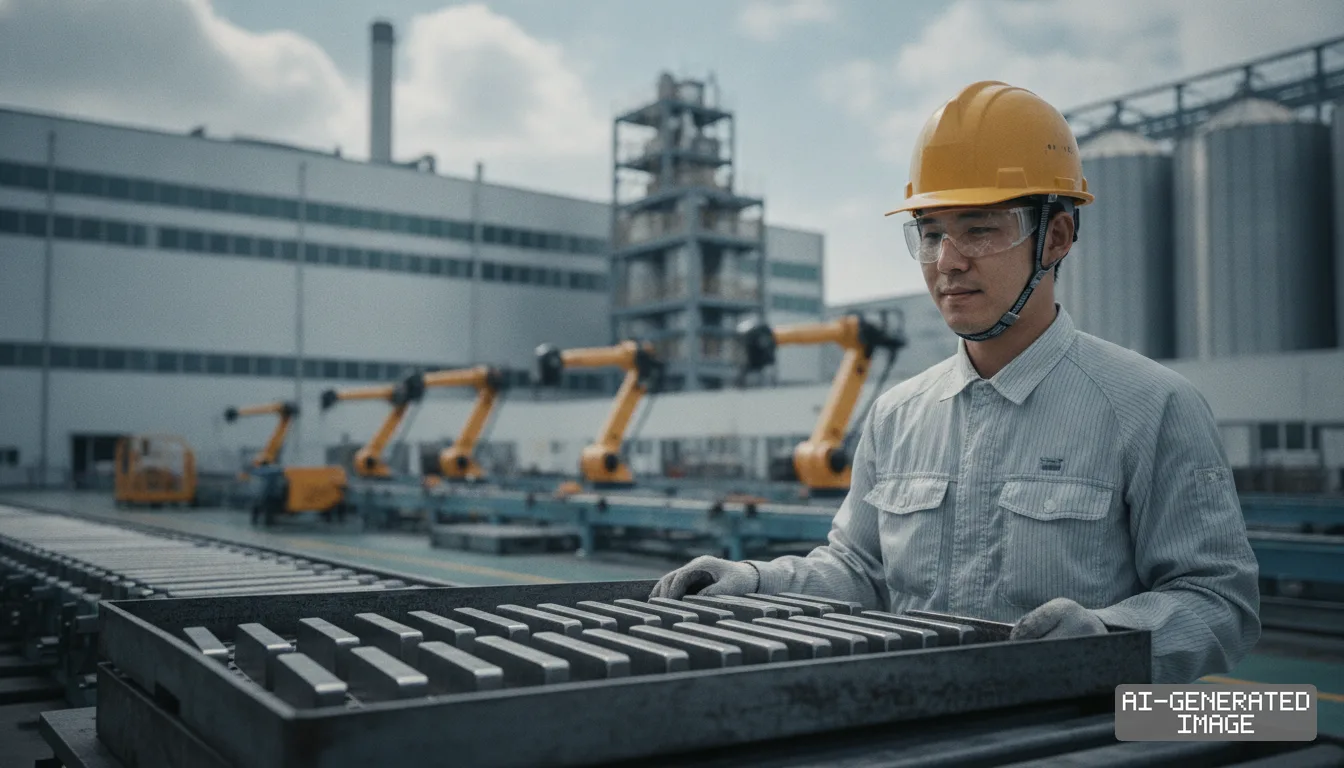
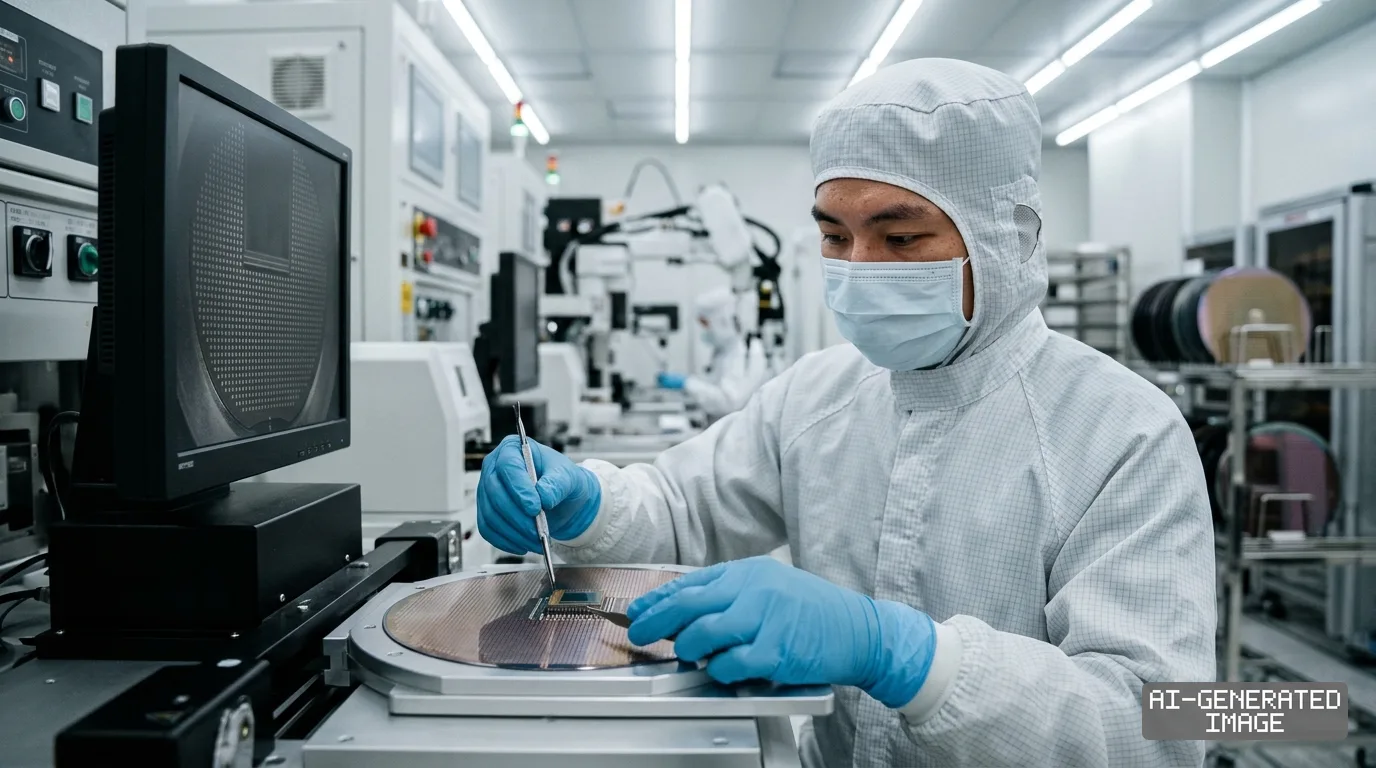
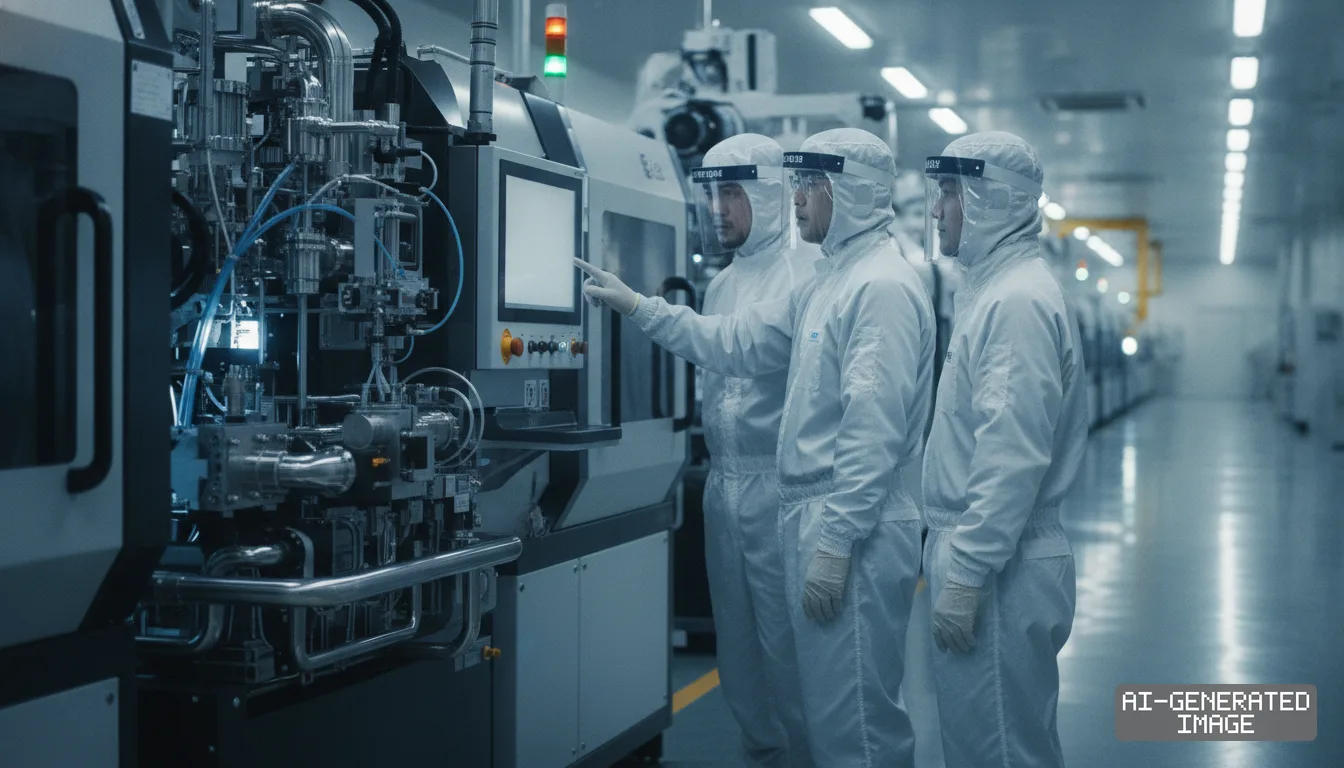
LS Cable & System confirmed plans on Nov. 10 to construct a 345.6 billion won ($262 million) rare earth permanent magnet facility in Gumi, South Korea, targeting 1,000 metric tons of annual output.
The planned volume represents roughly 17% of South Korea's annual demand for permanent magnets, which totals about 6,000 metric tons. Domestic manufacturers currently rely on China for more than 90% of their magnet requirements.
Korea Motion Works, a wholly owned operating unit of LS Cable & System, will run the production base. The business will occupy 15,000 square meters within an existing industrial compound in North Gyeongsang Province.
LS Cable & System committed 150 billion won ($114 million) in September to purchase 150 million shares of Korea Motion Works. The parent firm will finalize the equity transfer on Dec. 31, corporate disclosures show.
Total capital spending on the manufacturing hub will reach 345.6 billion won through 2029, the provincial government said. The project will add 93 manufacturing jobs in its initial stage and 119 positions during second-phase expansion.
The plant will manufacture neodymium-iron-boron magnets for electric vehicle drive motors and industrial robotics actuators. Neodymium permanent magnets offer high magnetic flux density in compact motor assemblies, lowering weight across automotive platforms.
Neodymium magnets serve as essential rotor components for automotive traction motors and offshore wind turbine generators. Direct-drive wind generators require up to two metric tons of permanent magnets per unit to convert rotational mechanical power into electricity.
Industrial articulated robots utilize high-torque servo motors equipped with neodymium permanent magnets across every mechanical joint. Securing domestic magnet output reduces delivery lead times for domestic automated factory equipment builders.
Korea Motion Works will later expand assembly lines to produce samarium-cobalt magnets. Those magnets retain magnetic torque under extreme thermal operating conditions exceeding 300 degrees Celsius, making them critical for missile guidance systems and combat aircraft.
LS Cable & System built an international procurement chain to feed the Gumi factory without Chinese material. Australia's Lynas supplies separated rare earth raw materials under a strategic supply agreement signed earlier this year.
Lynas and LS Cable & System subsidiary LS Eco Energy exchanged convertible bonds worth 30 billion won ($23 million) each in July. The transaction secured long-term raw oxide shipments from Western Australian deposits to Asian processing hubs.
LS Eco Energy converts those oxides into refined metals at its manufacturing facility in Ho Chi Minh City, Vietnam. The Vietnamese installation will produce 240 metric tons of samarium metal each year, company filings show.
That volume yields between 700 and 1,000 metric tons of finished samarium-cobalt magnets annually. LS Eco Energy will begin trial runs at the Vietnamese metallization lines in December, the company said.
LS Eco Energy plans to expand its Vietnamese metallization lines beyond samarium to process dysprosium, terbium and neodymium-praseodymium. Those heavy rare earth additions prevent demagnetization at elevated operating temperatures in automotive powertrains.
Processed metal from Vietnam will travel directly to the Gumi facility for compounding, pressing and sintering. Finished magnets will then enter assembly lines for South Korean automotive part makers and defense suppliers.
The internal investment replaces an earlier plan to build permanent magnet lines with German specialist Vacuumschmelze. LS Cable & System ended that partnership after concluding joint venture operating costs would exceed domestic production targets.
Gumi functions as a designated national testbed for robotics hardware and precision machinery. Local municipal agencies offered infrastructure access and administrative permitting to anchor rare earth processing within the municipal manufacturing corridor.
The North Gyeongsang provincial administration and Gumi municipal authorities pledged expedited environmental reviews and industrial utility links for the Indong site. High-capacity power connections and industrial water pipelines are already operating across the industrial district.
South Korean component makers face rising supply chain risks from Beijing's tightened control over rare earth processing technologies. China enacted strict export licensing regimes for heavy rare earths and magnet production intellectual property in December 2023.
American procurement rules also accelerate the push for non-Chinese sourcing across strategic hardware sectors. The United States Department of Defense will bar Chinese-origin rare earth magnets from military procurement starting in January 2027.
Korea Motion Works will break ground on the Gumi manufacturing facility in the first half of 2027. The company scheduled commercial mass production to begin in the second half of 2028.
Public filings do not show whether corporate directors approved additional binding off-take agreements on Nov. 10 beyond the municipal memorandum signed in late October. The company has not disclosed initial pricing terms for vehicle parts contractors.
Neighboring supply hubs in North Gyeongsang Province are expanding parallel critical mineral processing lines. Regional metal refiners in Pohang committed separate capital expansions in late October to process magnetic alloys and precision motor cores.
LS Cable & System maintains existing power cable and subsea transmission lines at its primary Gumi manufacturing base. The newly allocated 15,000-square-meter parcel sits entirely within that licensed industrial footprint.
Impact map
How this development propagates across the region and out to global buyers.
| Event | Korea | China | Japan | Global impact |
|---|---|---|---|---|
| Rare earth magnet domestic manufacturing | Korea Motion Works builds 1,000-ton plant in Gumi, covering 17% of domestic demand | Chinese refiners face export volume erosion as Korean motor makers substitute domestic magnets | Japanese magnet producers face increased non-China competition in Western defense tenders | Supply risk eases for Western defense and EV makers seeking non-China permanent magnets |
In this story
- Companies
- LS Cable & SystemKorea Motion Works
- Tickers
- 006260.KS229640.KS
- Exposed
- Lynas Rare EarthsLS Eco Energy
- Policy
- Export Controls
- Impact
- Supply ChainCapexOrder Book
Track every Export Controls development →
Related briefings
- LS Eco Energy readies 240-ton Vietnam plant for defense samarium Also on Korea Motion Works, LS Eco Energy, LS Cable & System
- LS Cable will build rare earth magnet plant to bypass China in Gumi Also on Korea Motion Works, LS Eco Energy, LS Cable & System
- LS Eco Energy builds Vietnam samarium hub ahead of defense ban Also on LS Eco Energy, LS Cable & System, Lynas Rare Earths
- LS Eco Energy builds Vietnam samarium line as US rules loom Also on LS Eco Energy, LS Cable & System, Lynas Rare Earths
Sources
Reporting
Confidence: medium — how we grade this
The documents behind this briefing are linked above. East Asia Brief produces its English text with AI assistance under human editorial review, and does not translate or republish other outlets' articles. See our methodology and AI policy. Spotted an error? Tell us.
The Morning Brief
What changed in Korean, Chinese and Japanese industry overnight — and what it means for your supply chain. One email, weekday mornings, US time. Free.
The Morning Brief is in preparation. Leave your address and we will write to you once — when the first issue is ready. Nothing before that.