Korea Zinc wins US political backing for Tennessee smelter
The $7.4 billion Project Crucible facility in Clarksville cleared federal environmental reviews under FAST-41 to supply 11 critical minerals and semiconductor acid.
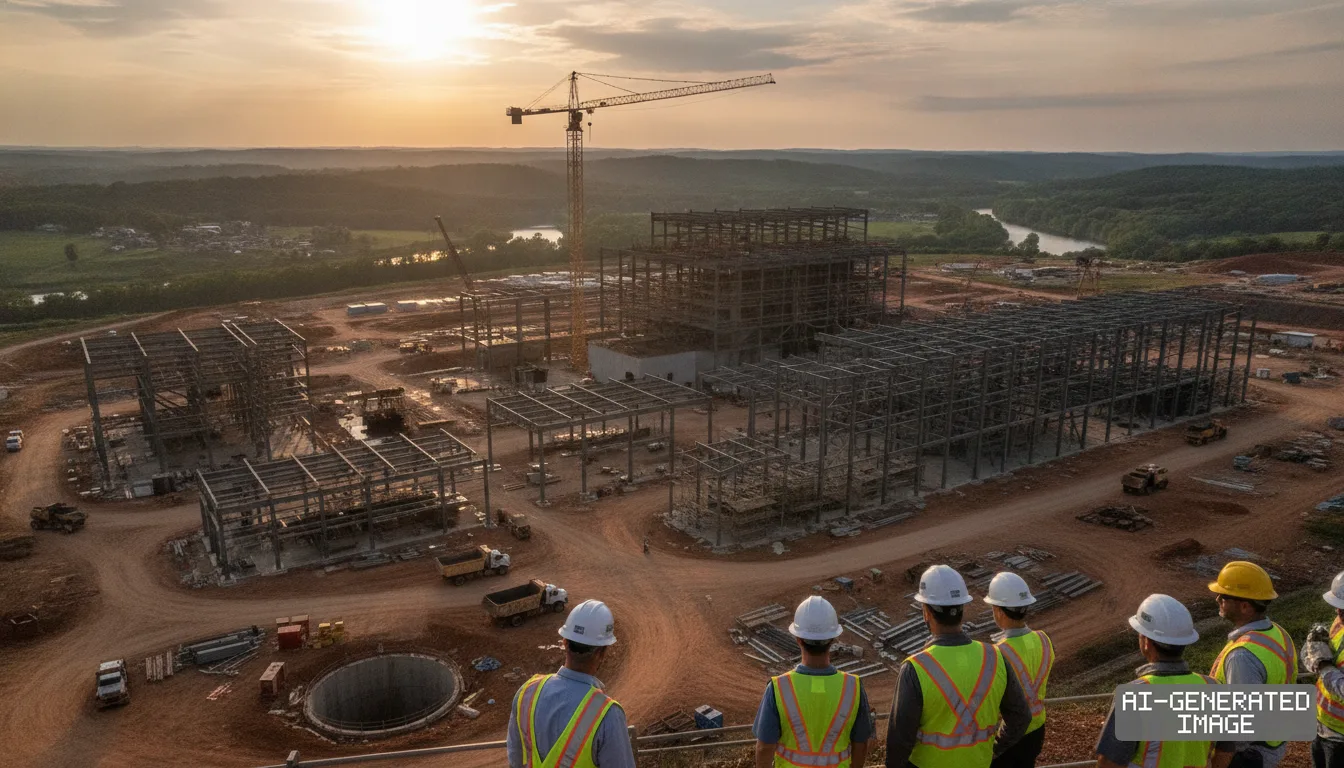
Donald Trump endorsed Korea Zinc's $7.4 billion Tennessee smelter project on Oct. 12, 2026, framing the facility as a cornerstone of American critical mineral supply chains. The backing followed campaign remarks in Clarksville highlighting foreign manufacturing investment in Montgomery and Smith counties.
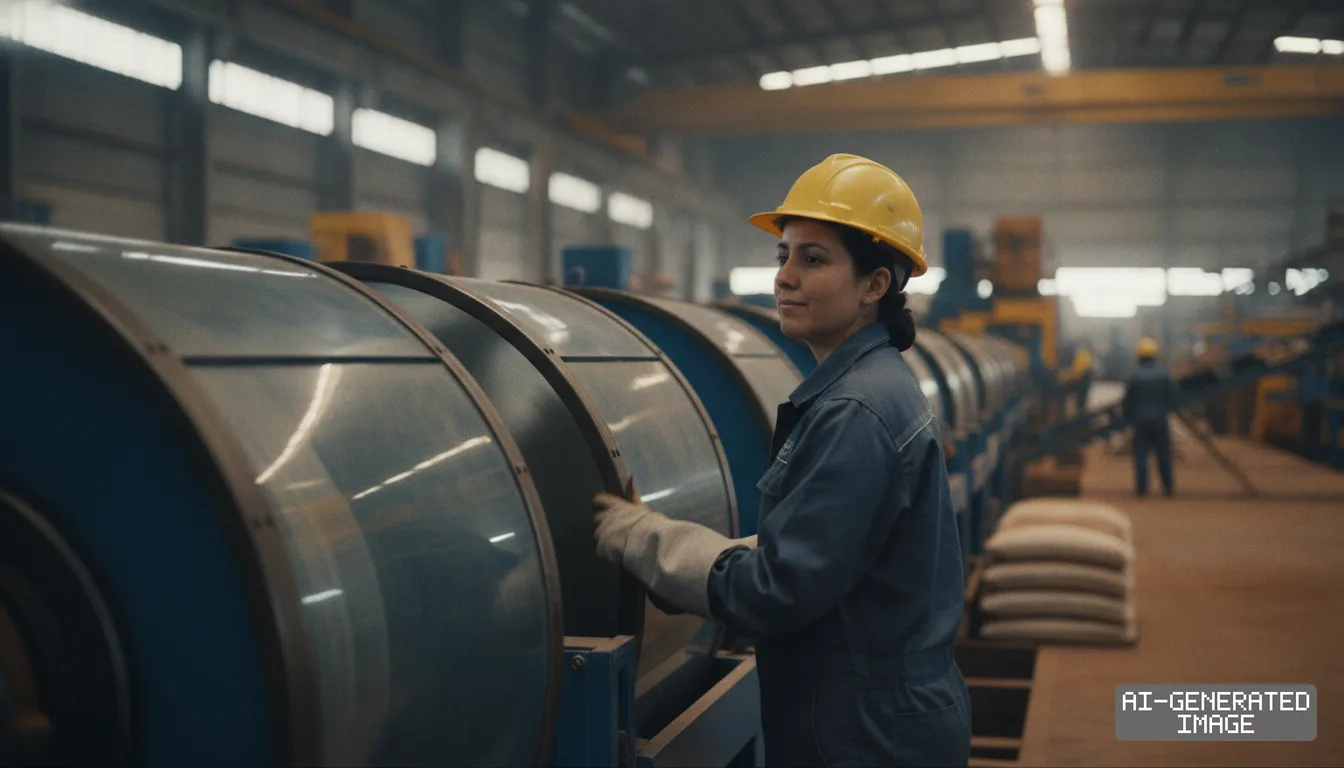
Project Crucible represents the first new mineral smelter built on American soil since 1979. Korea Zinc plans to produce 540,000 metric tons of nonferrous metals annually at the site, replicating its flagship Onsan refinery in South Korea.
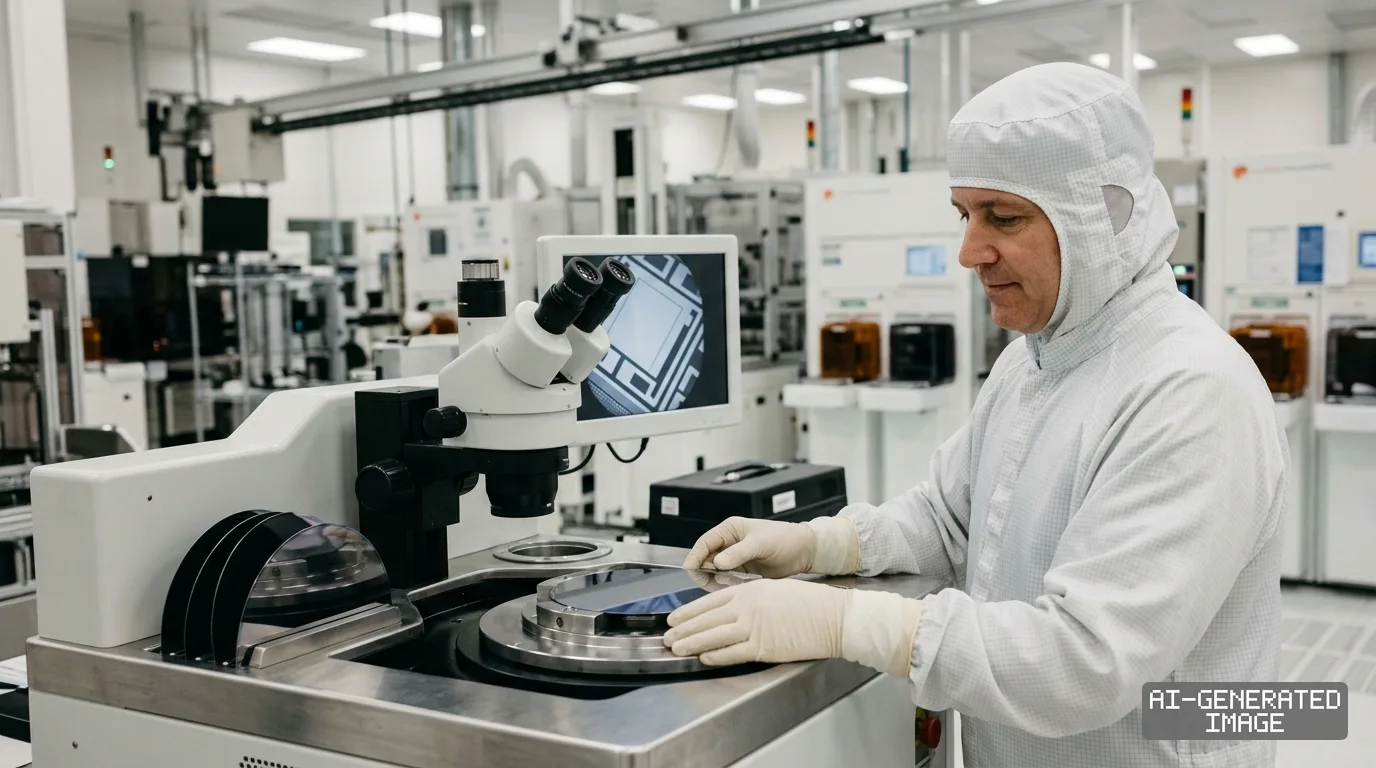
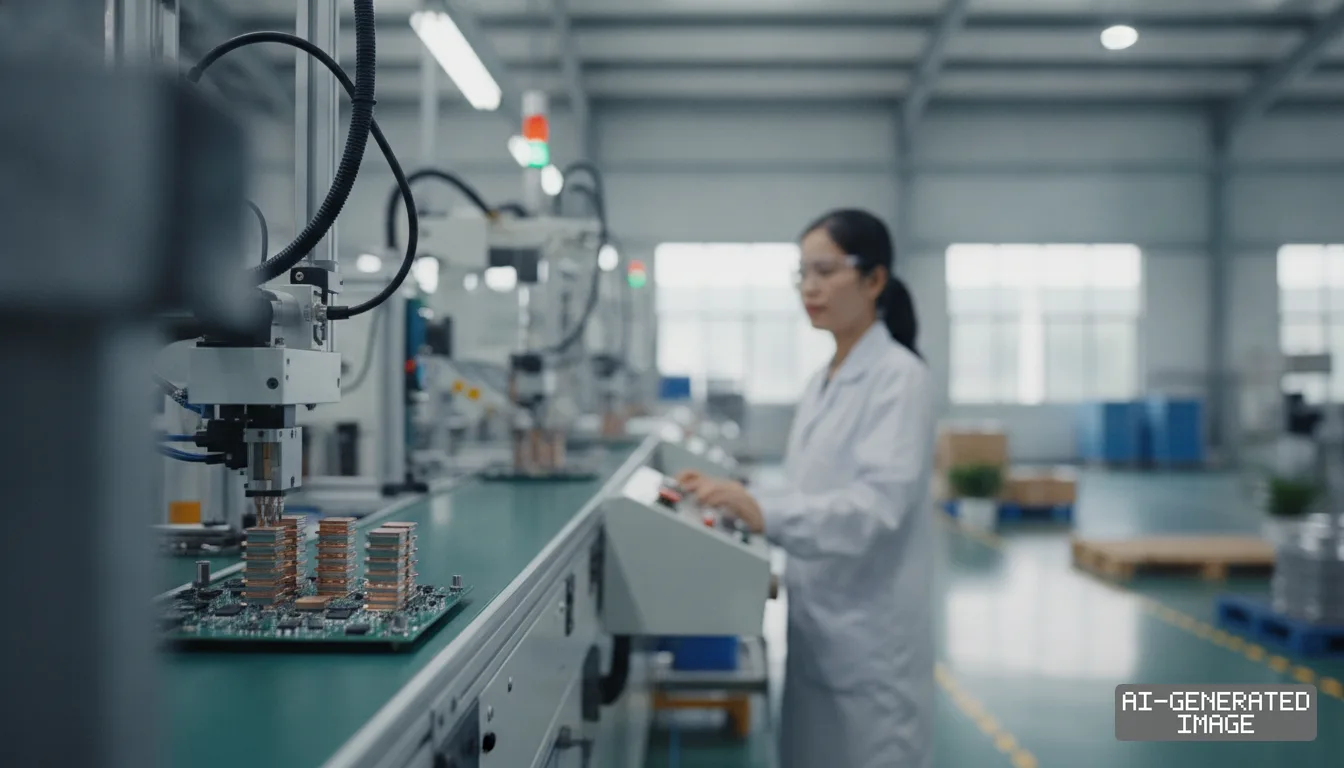
The facility will supply 13 nonferrous metals, including 11 minerals designated as critical by the US government. Targeted output includes antimony, gallium and germanium, alongside semiconductor-grade sulfuric acid required by domestic chipmakers.
Korea Zinc structured Project Crucible with $4.7 billion in senior debt, supported by credit facilities from the US Department of War. Overseas joint-venture partners are providing $1.94 billion in equity financing.
The US Department of Commerce allocated up to $210 million in direct subsidies under the CHIPS Act. Korea Zinc committed $585 million in direct corporate equity to anchor the capital structure.
Korea Zinc draws roughly two-thirds of its revenue from refined zinc, silver and lead. Building a North American hub gives Korea Zinc direct commercial access to Western original equipment manufacturers seeking non-Chinese raw materials.
Crucible Metals LLC, the operating entity, acquired the 160-acre former Nyrstar zinc smelter in Clarksville to anchor construction. The complex will also process ore feedstocks from the Gordonsville zinc mining operations.
Washington is targeting domestic refining capacity to insulate industrial manufacturers from Asian supply shocks. China currently controls over 60% of worldwide gallium refining and roughly 70% of refined germanium capacity.
US defense contractors consume hundreds of metric tons of antimony annually for munitions, night-vision sensors and armor plating. Project Crucible aims to replace imported refined volumes with local smelting.
The Federal Permitting Improvement Steering Council designated Project Crucible under the federal FAST-41 program on April 24, 2026. The program coordinates regulatory oversight across federal agencies to avoid administrative bottlenecks.
The US Department of War issued a Finding of No Significant Impact on Sept. 11, 2026, concluding the review under the National Environmental Policy Act. Korea Zinc publicly disclosed the environmental ruling on Sept. 21, 2026.
Federal evaluators examined air quality, industrial wastewater treatment, hazardous waste management and local transport corridors. The environmental finding removed the requirement to conduct a protracted, multi-year Environmental Impact Statement.
Korea Zinc schedules ground breaking in Clarksville for 2027, with facility mechanical completion and commissioning planned for 2029. Commercial shipping of refined metals is scheduled to start in 2030.
The federal Permitting Dashboard sets a target completion date of Sept. 30, 2028, for all remaining state and federal authorizations. Tennessee environmental regulators are processing site air discharge permits.
The White House has not published a formal written executive decree transcribing Trump's campaign remarks. The Department of Commerce has not disclosed the binding milestone criteria governing the disbursement of the $210 million CHIPS Act grant.
Impact map
How this development propagates across the region and out to global buyers.
| Event | Korea | China | Japan | Global impact |
|---|---|---|---|---|
| Project Crucible smelter construction | Korea Zinc deploys Onsan smelting IP, committing $585 million direct equity | Ex-China critical mineral supply weakens Chinese export leverage over gallium and antimony | Japanese electronics and automotive tier-one buyers gain non-Chinese specialty metal options | US defense and semiconductor supply chains reduce import dependence for 11 critical minerals |
In this story
- Companies
- Korea Zinc
- Tickers
- 010130.KS
- Exposed
- Nyrstar
- Policy
- Economic SecuritySubsidies
- Impact
- Supply ChainCapexCompliance
Track every Economic Security development → Track every Subsidies development →
Related briefings
- Korea Zinc taps e-waste to build non-China rare earth supply Also on Korea Zinc, Compliance
- HD Hyundai opens offshore SMR verification center in Ulsan Also on Compliance
- Aclara and CAP start rare earth alloy plant runs for US magnets Also on Compliance
- HD Hyundai forms offshore SMR test center for nuclear ships Also on Compliance
Sources
Primary documents
Reporting
Confidence: high — how we grade this
The documents behind this briefing are linked above. East Asia Brief produces its English text with AI assistance under human editorial review, and does not translate or republish other outlets' articles. See our methodology and AI policy. Spotted an error? Tell us.
The Morning Brief
What changed in Korean, Chinese and Japanese industry overnight — and what it means for your supply chain. One email, weekday mornings, US time. Free.
The Morning Brief is in preparation. Leave your address and we will write to you once — when the first issue is ready. Nothing before that.