USA Rare Earth Funds Brazil Mining and Carolina Magnet Plant
The company faces capital scrutiny over its $2.8 billion Serra Verde mine purchase and $1.2 billion South Carolina magnet facility as it attempts to break China's grip on the critical mineral chain.
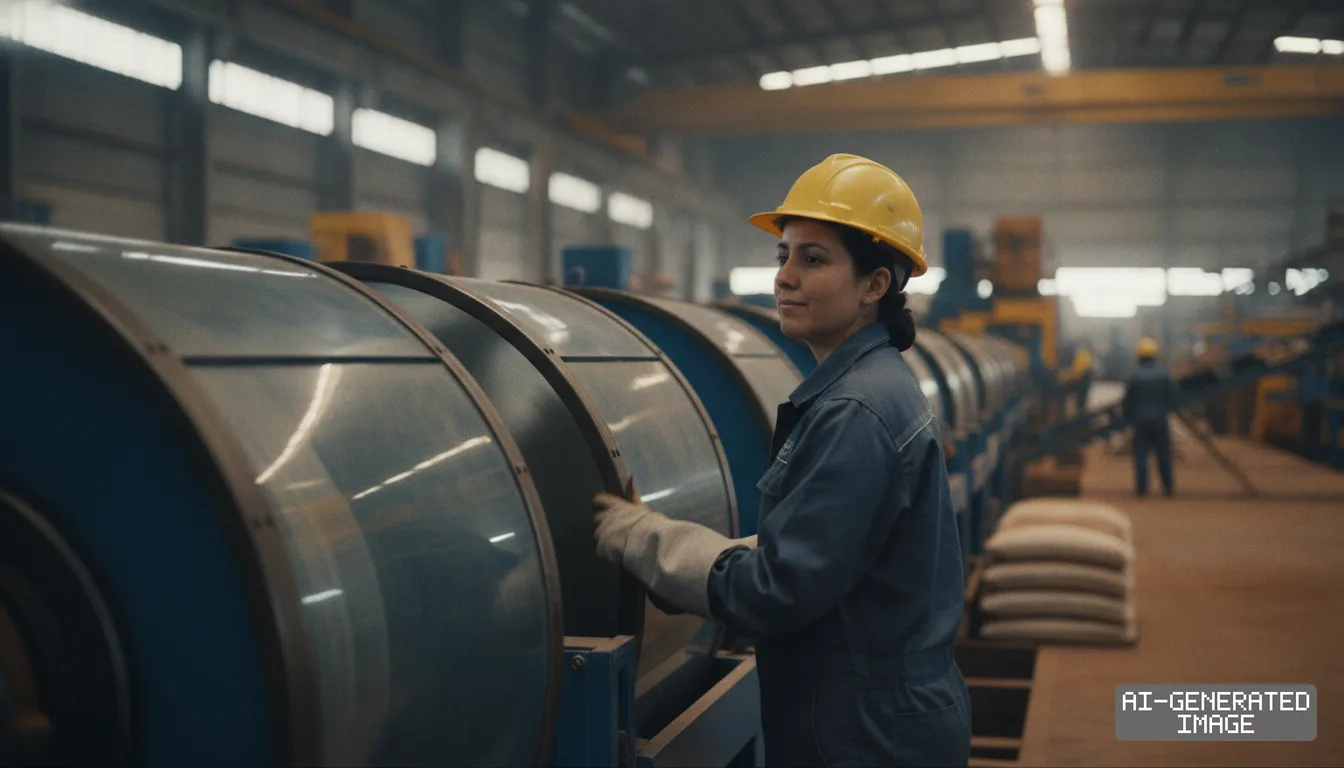
USA Rare Earth maintained its split capital allocation between South American mining and domestic magnet manufacturing on Oct. 11, 2026, facing market scrutiny over its $4 billion dual-track supply chain buildout.
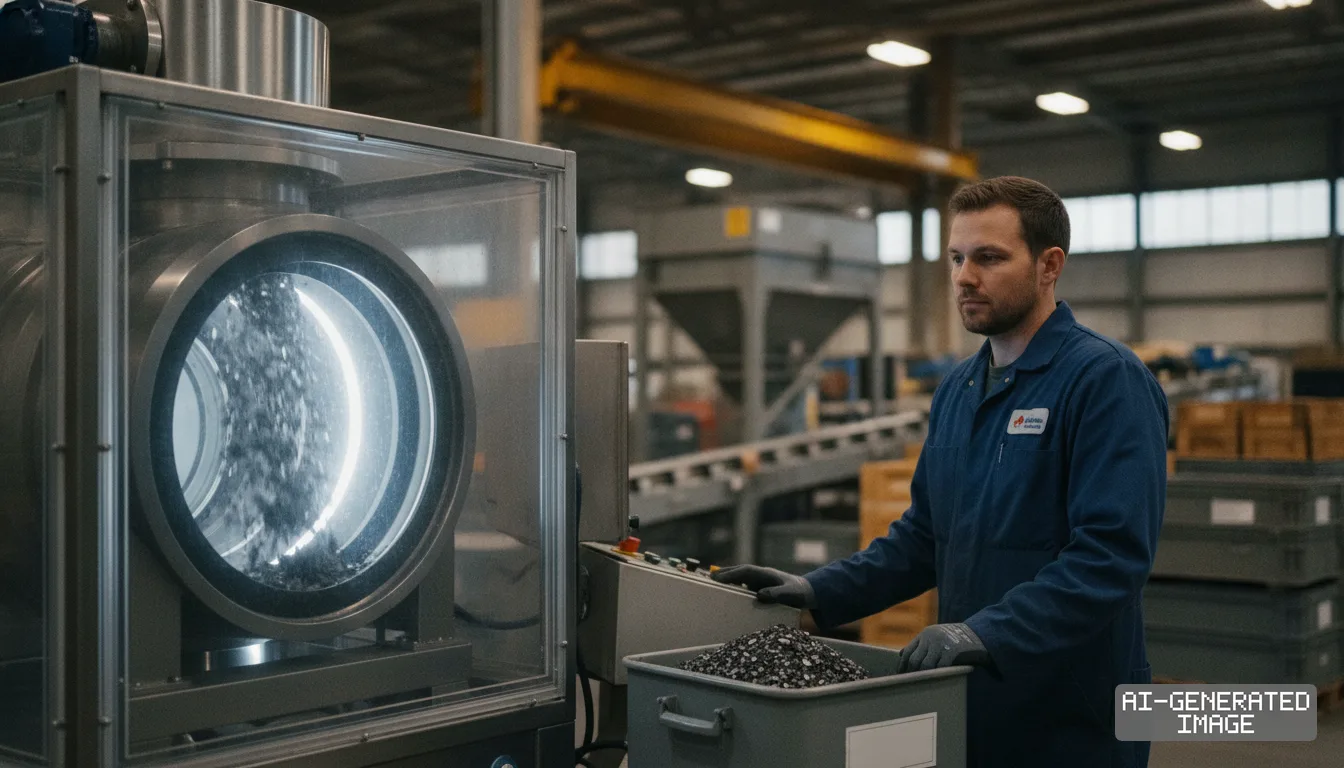
The Oklahoma-based company completed the acquisition of Brazil's Serra Verde Group in September for roughly $2.8 billion. That purchase handed the producer control of the Pela Ema ionic clay deposit in Goiás state.
Pela Ema represents the only commercial operation outside Asia producing all four magnetic critical minerals at scale. Those inputs include neodymium, praseodymium, dysprosium and terbium.
At the same time, the group is pouring $1.2 billion into a greenfield metal and sintered magnet complex in Cherokee County, South Carolina. The dual push tests whether an emerging producer can fund upstream extraction and downstream manufacturing simultaneously.
China currently controls more than 70% of global rare earth extraction and roughly 90% of sintered permanent magnet production. Western automakers and defense contractors are scouring world markets for alternative suppliers to insulate assembly lines from export restrictions.
USA Rare Earth structured its Brazilian purchase using $300 million in cash and 126.85 million newly issued common shares. The transaction valued Serra Verde at roughly $2.8 billion at signing in April.
To fund feedstock purchases from the mine, a government-backed special purpose vehicle secured $1.55 billion in capitalized financing in August. The United States Department of War committed $750 million to that vehicle under a 15-year offtake structure.
An institutional commercial lender provided a senior secured borrowing facility of up to $500 million for the purchasing entity. The federal government also entered a forward contract to procure at least $300 million of payable materials over five years.
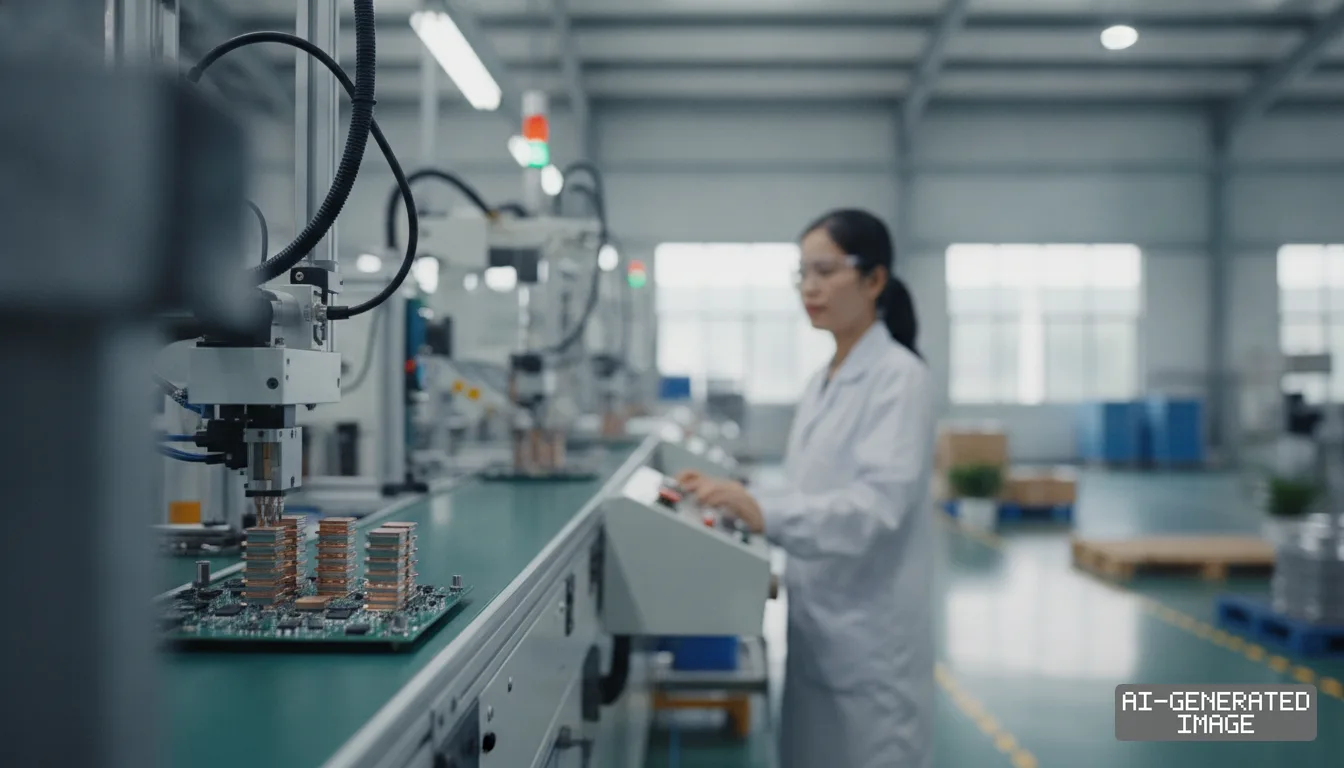
Downstream capital demands are mounting alongside the mining investment. USA Rare Earth broke ground Sept. 9 on its 800,000-square-foot magnet facility in Blacksburg, South Carolina.
The Blacksburg plant requires roughly $1.2 billion in total project investment. The complex is designed to produce 6,400 metric tons per year of sintered neodymium-iron-boron permanent magnets.
The site will also produce 5,000 metric tons annually of strip-cast metal and alloy. Company planners intend to begin commercial commissioning at the Cherokee County facility in 2028.
Together with an operational site in Stillwater, Oklahoma, the group aims to reach 10,000 metric tons of domestic magnet capacity. That volume would fulfill a noticeable slice of American industrial demand.
Financial backing for the downstream buildout leans on federal industrial policy. USA Rare Earth finalized funding agreements with the United States Department of Commerce in June under the CHIPS program.
The award package unlocked access to as much as $1.6 billion in federal support. The package includes $277 million in direct grant financing alongside federal loan guarantees.
Corporate leadership changes reflect the operational center of gravity shifting toward mining. Former Serra Verde head Thras Moraitis assumed the chief executive officer position at USA Rare Earth on Oct. 1.
Moraitis succeeded Barbara Humpton, who stepped down after steering the group through initial financing and site selection phases. Michael Blitzer continues to serve as executive chairman.
Midstream separation presents a complex logistical puzzle for the company. USA Rare Earth acquired a 13.6% minority interest in French separation specialist Carester in July to address chemical refining gaps.
Carester is building the Caremag separation plant in Lacq, France, to process mined carbonates into high-purity oxides. Commercial operations at the Lacq facility are scheduled to commence in the fourth quarter of 2026.
Until domestic metallurgical lines reach full speed, feedstock mined in Brazil must travel across the Atlantic for refining before conversion into sintered magnets. That multi-leg shipping path introduces handling overhead and geopolitical border exposure.
The company has not filed regulatory disclosures establishing a shift in capital prioritization between Brazil and South Carolina, and management has not published revised spending timelines.
The board maintains its existing milestones, with Blacksburg commissioning scheduled for 2028 and French separation starting late this year.
Impact map
How this development propagates across the region and out to global buyers.
| Event | Korea | China | Japan | Global impact |
|---|---|---|---|---|
| Rare earth mine-to-magnet split capex | Domestic EV motor suppliers monitor non-China sintered NdFeB alloy alternatives | Retains ~90% sintered magnet market share while facing US-backed ionic clay competition | Downstream magnet alloy makers observe Western heavy rare earth separation ramp | Offtake SPV absorbs $1.55 billion to establish supply chain outside Chinese export controls |
| Rare earth mine-to-magnet split capex | Domestic EV motor suppliers monitor non-China sintered NdFeB alloy alternatives | Retains ~90% sintered magnet market share while facing US-backed ionic clay competition | Downstream magnet alloy makers observe Western heavy rare earth separation ramp | Offtake SPV absorbs |
| Rare earth mine-to-magnet split capex | Domestic EV motor suppliers monitor non-China sintered NdFeB alloy alternatives | Retains ~90% sintered magnet market share while facing US-backed ionic clay competition | Downstream magnet alloy makers observe Western heavy rare earth separation ramp | Offtake SPV absorbs $1.55 billion to establish supply chain outside Chinese export controls |
In this story
- Companies
- USA Rare Earth
- Tickers
- USAR
- Exposed
- Carester
- Policy
- SubsidiesEconomic Security
- Impact
- CapexSupply Chain
Track every Subsidies development → Track every Economic Security development →
Related briefings
- China bars dual-use exports to Japan citing military end-use Also on USA Rare Earth
- China rare earth suppliers hold shipments to US contractors Also on USA Rare Earth
- US Senator Daines urges China talks to protect rare earths Also on USA Rare Earth
- China bans dual-use sales to MP Materials and US refiners Also on USA Rare Earth
Sources
Primary documents
Reporting
Confidence: high — how we grade this
The documents behind this briefing are linked above. East Asia Brief produces its English text with AI assistance under human editorial review, and does not translate or republish other outlets' articles. See our methodology and AI policy. Spotted an error? Tell us.
The Morning Brief
What changed in Korean, Chinese and Japanese industry overnight — and what it means for your supply chain. One email, weekday mornings, US time. Free.
The Morning Brief is in preparation. Leave your address and we will write to you once — when the first issue is ready. Nothing before that.