Korea Zinc taps e-waste to build non-China rare earth supply
A state policy report highlights the smelter's urban mining and biochemical extraction ventures as South Korea seeks alternatives to Chinese critical mineral processing.
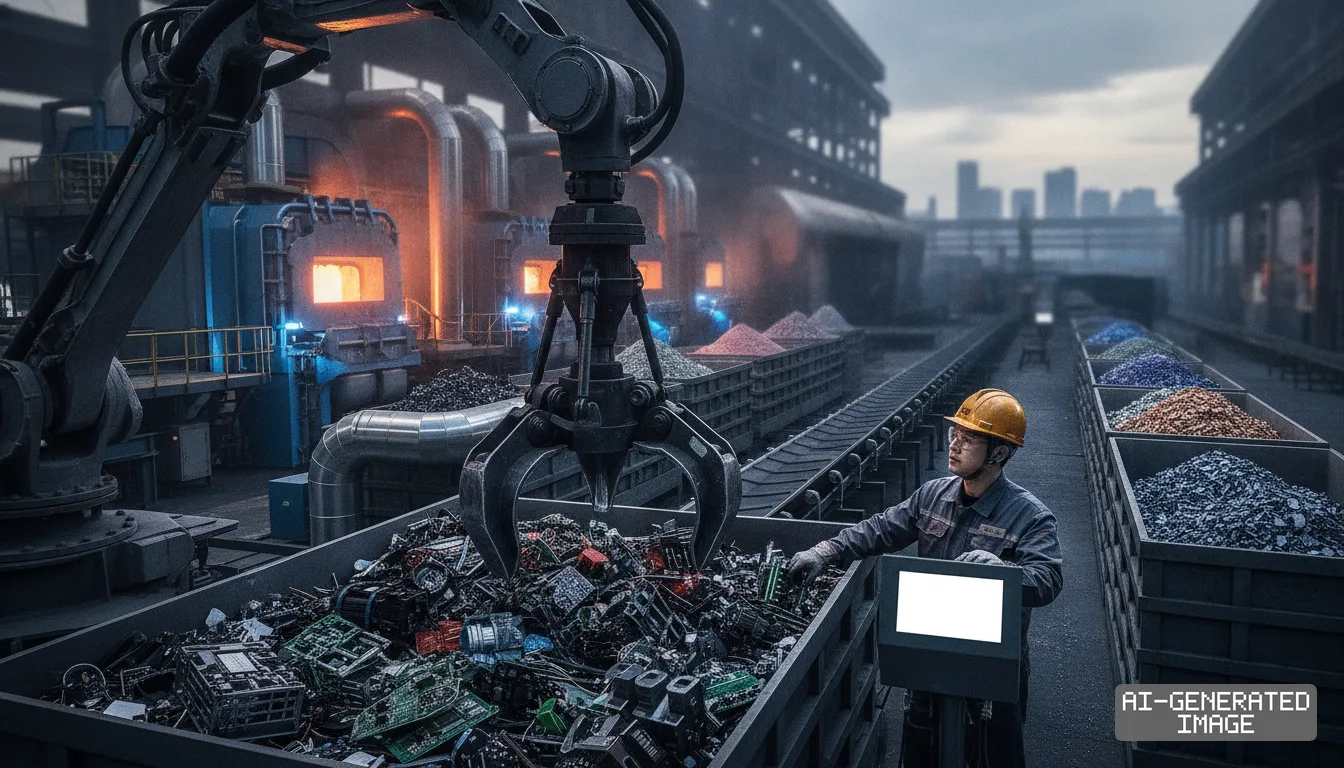
Korea Zinc drew backing on Sept. 6, 2026, for its strategy to recover critical minerals from scrap metal, positioning non-ferrous smelting as South Korea's primary defense against Chinese rare earth export curbs.
The state-run Korea Development Bank identified the company as the benchmark model for national resource circulation in an industrial report published on Sept. 2 and circulated on Sept. 6. The bank urged policymakers to link established smelters with domestic electronic scrap flows.
South Korea holds no commercial deposits of rare earth ores. The country imports more than 90% of its permanent magnets, leaving domestic automotive, electronics and defense supply chains vulnerable to foreign trade restrictions.
Primary mining requires complex acid leaching and cracking steps that generate hazardous chemical waste. Refining secondary scrap bypasses mine development permits entirely and shortens procurement timelines by several years, the state bank noted.
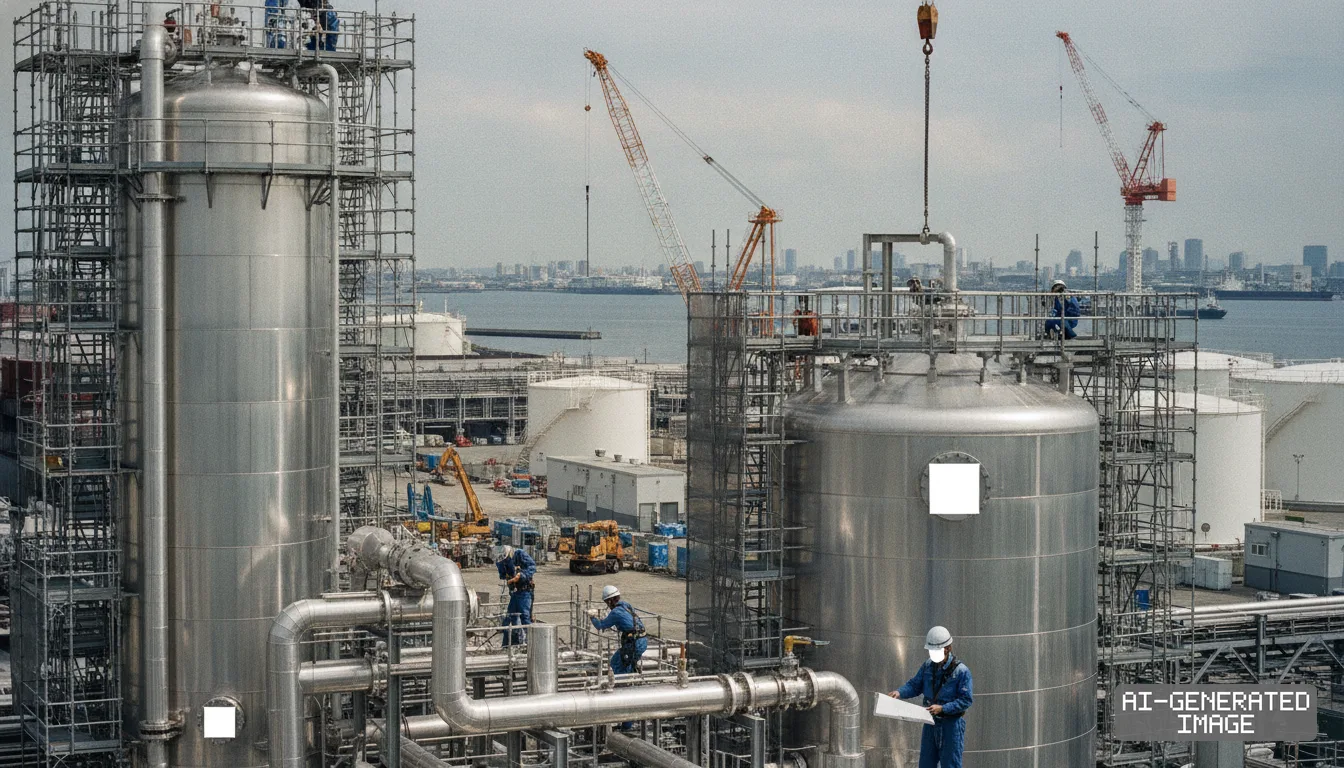
Korea Zinc operates the world's largest zinc smelting facility in Onsan, South Korea. The refinery already extracts minor metals such as indium, bismuth and antimony from complex zinc and lead residues through proprietary hydrometallurgical techniques.
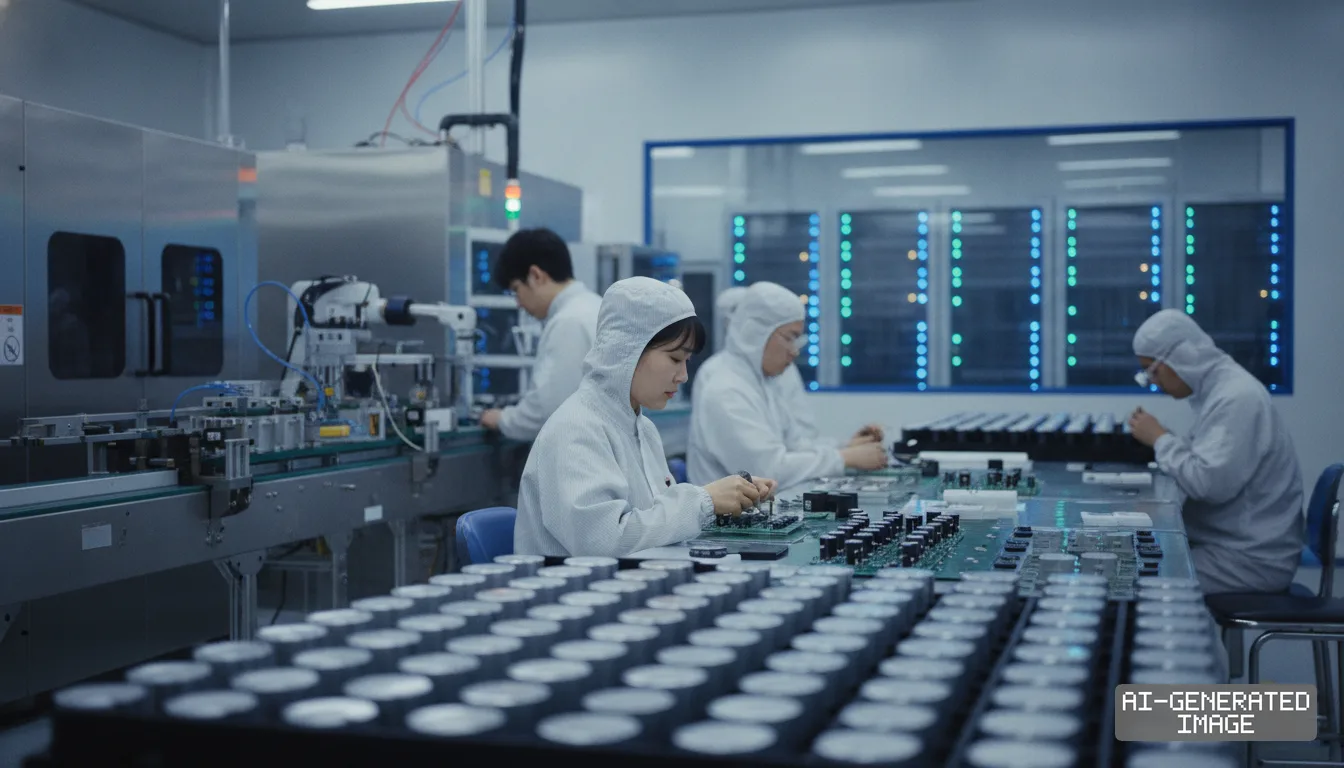
Adapting those metallurgical separation lines to process end-of-life permanent magnets offers an operational route to strategic elements. The bank characterized this urban mining approach as South Korea's only immediate domestic supply buffer.
Commercial execution of the strategy centers on international partnerships. Korea Zinc signed an agreement on Jan. 13, 2026, with US-based Alta Resource Technologies to establish a joint venture producing purified rare earth oxides from magnetic scrap.
The venture plans to construct a processing facility at an existing site operated by PedalPoint, the US resource recycling subsidiary of Korea Zinc. The facility is scheduled to begin commercial operations in 2027, the company said.
The plant will initially process approximately 100 tons of scrap permanent magnets annually. Output will focus on neodymium, praseodymium, dysprosium and terbium, four critical elements required for high-performance traction motors.
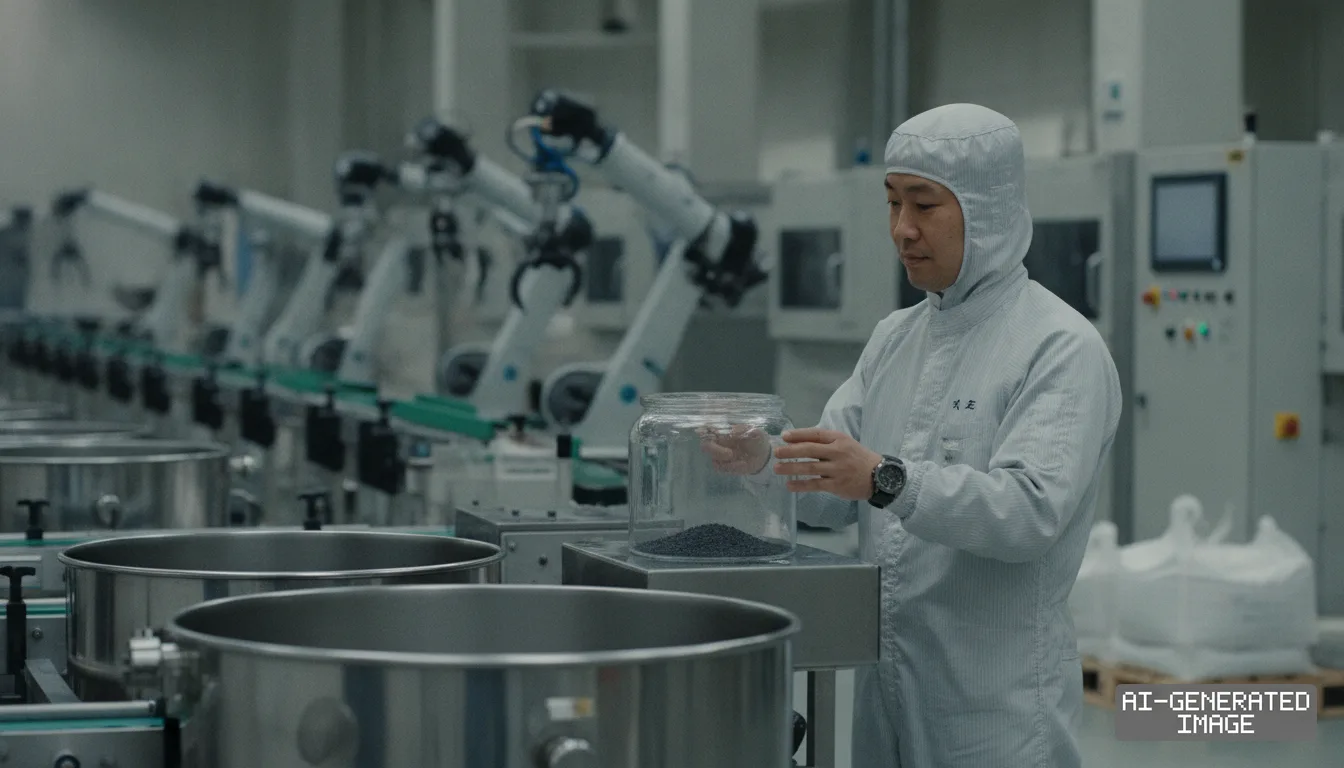
Alta Resource Technologies brings biochemical separation technology to the venture. The company uses custom-engineered proteins to selectively bind and isolate low-concentration rare earth ions from complex secondary scrap mixtures.
The biochemical platform provides an alternative to traditional solvent extraction, which requires large volumes of kerosene and hazardous organic compounds. The process targets material streams where standard chemical separation proves cost prohibitive.
Korea Zinc is securing feedstock through an established scrap collection network across North America. The smelter acquired US electronic waste processor Ignio Holdings in 2022 and scrap recycling specialist Ebtera in subsequent transactions to capture obsolete devices.
The rare earth initiative is designed to operate alongside Project Crucible, Korea Zinc's $7.4 billion integrated metals refinery under development in Clarksville, Tennessee. The smelter plans to refine 13 metals, including 11 minerals designated as critical by Washington.
Project Crucible secured FAST-41 fast-track permitting status from the US federal government on April 27, 2026. The designation coordinates inter-agency reviews under Title 41 of the Fixing America's Surface Transportation Act, reducing environmental review schedules by roughly 18 months.
Parallel engineering initiatives are underway within South Korea under government sponsorship. Korea Zinc confirmed in June 2026 that it is participating in a national research consortium funded by the Ministry of Science and ICT.
The program, titled the Rare Earth Processing K-Plant Core Equipment Development Project, runs from April 2026 through December 2030. The consortium is developing commercial equipment to separate and refine strategic metals from industrial waste.
Global critical mineral markets remain heavily consolidated under Chinese control. China accounts for approximately 70% of global rare earth extraction and more than 90% of magnet-grade refining capacity, according to international trade statistics.
Beijing tightened export licensing mandates on strategic minerals throughout 2025 and 2026. Those administrative measures created immediate regulatory risks for manufacturers of electric vehicles and aerospace systems across allied nations.
Automotive manufacturers in South Korea, the United States and Europe must meet strict origin-tracing requirements under allied industrial policies. Smelting secondary scrap creates traceable supply chains that remain outside Chinese processing jurisdictions.
Commercial bottlenecks persist across secondary recovery supply chains. While spent magnets yield usable rare earth concentrations, extracting trace rare earth elements from unsorted printed circuit boards remains unproven at commercial scale.
Korea Zinc has not issued announcements regarding construction timelines or equipment procurement for domestic commercial rare earth plants within South Korea. All commercial processing capacity announced to date remains located in the United States.
The 100-ton annual processing target at the planned US facility meets only a small fraction of regional demand. South Korean industrial manufacturers require thousands of tons of magnet alloys annually to sustain domestic automotive output.
Scrap recovery systems also face collection hurdles. Unlike standardized lead-acid battery recycling, extracting permanent magnets from end-of-life electric vehicle drivetrains and wind turbine nacelles requires labor-intensive manual dismantling.
The Korea Development Bank report urged policymakers to designate secondary magnet scrap as a strategic national asset. The bank recommended tax credits for scrap aggregators and state funding to establish centralized dismantling facilities.
Korea Zinc Chairman Choi Yun-beom said the partnership with Alta Resource Technologies establishes an essential pillar for allied critical mineral security, ensuring stable deliveries to advanced manufacturing industries in both countries.
The joint venture plans to complete engineering preparations at the PedalPoint site ahead of equipment commissioning scheduled for 2027.
Impact map
How this development propagates across the region and out to global buyers.
| Event | Korea | China | Japan | Global impact |
|---|---|---|---|---|
| Rare earth scrap recycling | supply resilience | export leverage reduced | secondary processing competition | EV magnet sourcing |
In this story
- Companies
- Korea Zinc
- Tickers
- 010130.KS
- Exposed
- Alta Resource Technologies
- Policy
- Export ControlsEconomic SecuritySubsidies
- Impact
- Supply ChainComplianceCapex
Track every Export Controls development → Track every Economic Security development → Track every Subsidies development →
Related briefings
- Korea Zinc wins US political backing for Tennessee smelter Also on Korea Zinc, Compliance, Subsidies
- Korea Zinc Secures US Backing for $7.4B Tennessee Smelter Also on Korea Zinc, Subsidies
- Korea Eximbank weighs state loan for Korea Zinc's US smelter Also on Korea Zinc, Subsidies
- Pentagon awards Elmet $2.45B to cut China tungsten reliance by 2027 Also on Export Controls, Compliance, Subsidies
Sources
Reporting
Confidence: medium — how we grade this
The documents behind this briefing are linked above. East Asia Brief produces its English text with AI assistance under human editorial review, and does not translate or republish other outlets' articles. See our methodology and AI policy. Spotted an error? Tell us.
The Morning Brief
What changed in Korean, Chinese and Japanese industry overnight — and what it means for your supply chain. One email, weekday mornings, US time. Free.
The Morning Brief is in preparation. Leave your address and we will write to you once — when the first issue is ready. Nothing before that.