Korea signs uranium and nuclear pacts with Kazakhstan in Seoul
The 13 bilateral pacts signed Sept. 15 target uranium from the top global producer and establish a joint critical metals technology center in Almaty.
South Korea and Kazakhstan signed 13 bilateral agreements on Sept. 15, 2026, establishing a comprehensive energy and critical minerals partnership covering uranium procurement, nuclear power engineering and rare metals processing.
The accords elevate bilateral ties to a future-oriented comprehensive strategic partnership, upgrading a relationship established 17 years ago. The initiative aims to diversify resource supply chains across Central Asia away from concentrated regional suppliers.
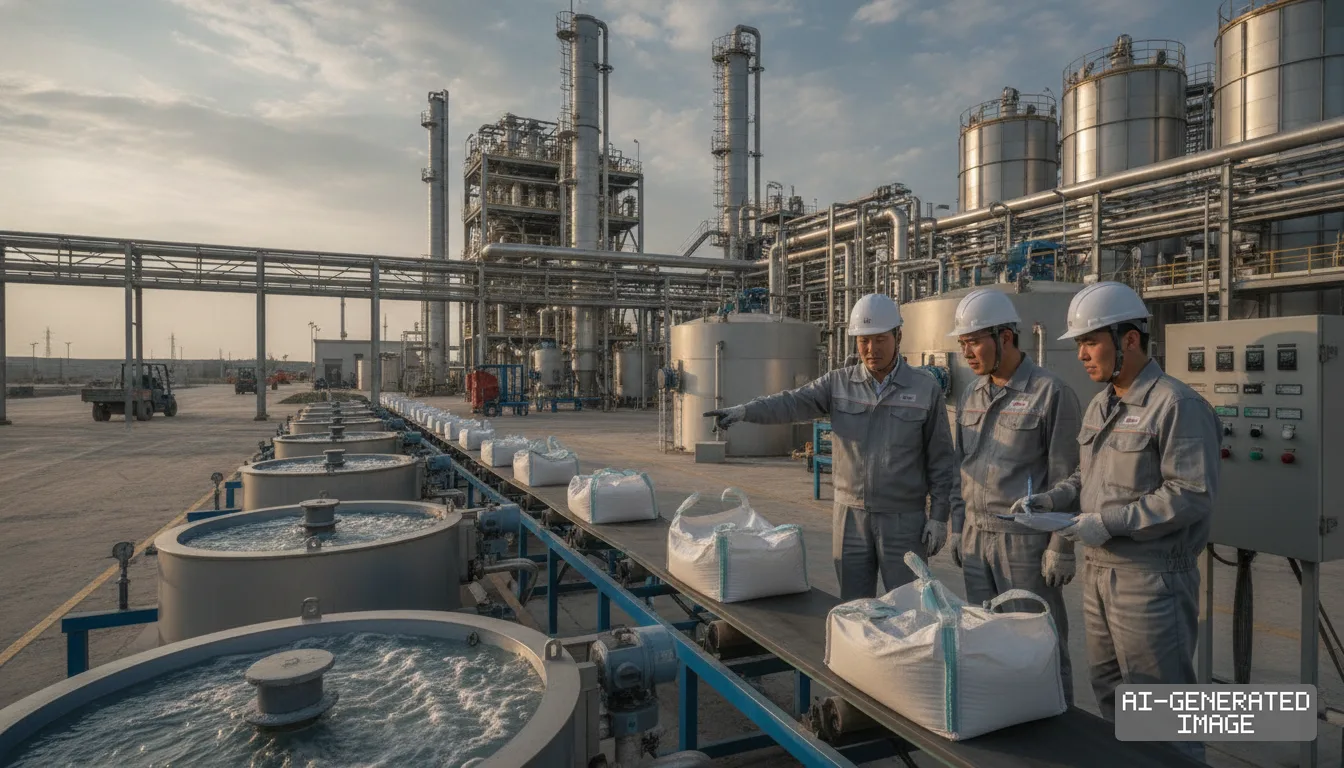
Kazakhstan accounted for 38.6% of global uranium production in 2024, ranking first worldwide ahead of Canada's 23.7% share. The supply guarantees directly support South Korea's operating fleet of 26 commercial nuclear reactors.
The Ministry of Climate, Energy and Environment signed a memorandum of understanding with Kazakhstan's Atomic Energy Agency. The document formally incorporates provisions to enhance the stability and resilience of uranium supply chains.
Under the pact, both governments will coordinate radioactive waste disposal and spent fuel storage. Joint scientific projects will also examine commercial fuel fabrication, the climate ministry said.
A separate nuclear accord signed by the industry ministry establishes bilateral frameworks for small modular reactors (SMR) — compact nuclear units built in factories. The agreement facilitates regulatory exchanges and nuclear construction bids.
South Korean reactor builder Doosan Enerbility and state utility Korea Hydro & Nuclear Power (KHNP) are tracking equipment packages. Both companies seek supply contracts for turbine islands and secondary systems.
The agreements position domestic builders for engineering and equipment orders in Central Asian utility projects. Bilateral teams will exchange technical specifications on safety standards, the industry ministry said.
Beyond atomic fuel, the governments agreed to open a Rare Metals Technology Cooperation Center in Almaty. The facility will combine South Korean smelting and separation systems with Kazakh mineral deposits.
The center focuses on refining rare metals and battery-grade lithium. South Korean battery cell producers remain heavily dependent on external processing channels for cathode raw materials.
The mineral accord also builds on an earlier framework arrangement covering 18 million barrels of crude oil. Both countries confirmed the oil allocation to guard against global supply disruptions, the presidential office said.
Additional compacts cover clean hydrogen supply chains and renewable energy grids. The two nations will study joint battery energy storage systems (BESS) to reinforce regional transmission infrastructure.
Kazakhstan plans to expand nuclear energy to generate roughly 5% of its domestic electricity by 2035. The Central Asian state recently approved its initial reactor development plans following a national referendum.
Securing direct uranium access reduces price volatility for domestic utilities. Global uranium prices climbed over the past two years as utility demand for zero-carbon baseload power expanded rapidly.
The supply channel provides long-term fuel visibility for South Korea's reactor export business. Turnkey reactor contracts increasingly require vendors to assist in securing enriched fuel assemblies.
The official documents do not state the financial value or consortium equity share for South Korean firms in Kazakhstan's planned nuclear power plants. The paperwork also leaves specific production volumes for lithium exploration concessions undisclosed.
Bilateral negotiations will continue during the inaugural Korea-Central Asia Summit on Sept. 16, 2026, in Seoul. President Tokayev invited South Korean officials for a reciprocal state visit to Astana next year.
Impact map
How this development propagates across the region and out to global buyers.
| Event | Korea | China | Japan | Global impact |
|---|---|---|---|---|
| Korea-Kazakhstan nuclear and mineral accords | KHNP and Doosan Enerbility position for secondary equipment bids while securing uranium feed | Faces Korean diversification away from its critical mineral processing channels | Power utilities face tighter long-term contracting competition for Kazakh uranium supplies | Commercial nuclear fuel supply security improves outside traditional Russian export routes |
In this story
- Companies
- Korea Hydro & Nuclear PowerDoosan EnerbilityKazatomprom
- Tickers
- 034020.KS
- Exposed
- RosatomChina National Nuclear Corporation
- Policy
- Critical MineralsNuclear EnergyEnergy Security
- Impact
- Supply ChainOrder BookEnergy Procurement
Related briefings
- Korea and France sign nuclear fuel and strategic tech pact Also on Korea Hydro & Nuclear Power, Order Book
- China Gas buys US LNG from Venture Global under 20-year pact Also on Energy Security
- LiBEST signs non-China graphite anode deal with Canada's GBM for 2027 Also on Critical Minerals
- China and South Africa advance battery mineral refining pact Also on Critical Minerals
Sources
Primary documents
Reporting
Confidence: high — how we grade this
The documents behind this briefing are linked above. East Asia Brief produces its English text with AI assistance under human editorial review, and does not translate or republish other outlets' articles. See our methodology and AI policy. Spotted an error? Tell us.
The Morning Brief
What changed in Korean, Chinese and Japanese industry overnight — and what it means for your supply chain. One email, weekday mornings, US time. Free.
The first issue goes out shortly. Sign up now and you will not miss it.