Japan urges China to expedite rare earth export approvals
Japanese delegates in Beijing raised administrative export delays as Chinese magnet shipments to Japan fell 17.1% in August following tightened dual-use mineral restrictions.
Former Japanese foreign minister Takeshi Iwaya pressed Chinese officials on Sept. 29, 2026 to expedite pending export licence approvals for rare earth materials and permanent magnets bound for Japanese manufacturers.
Iwaya led a 50-member business delegation from the Japan Association for the Promotion of International Trade to Beijing. The mission aimed to ease regulatory delays affecting industrial inputs for Japan's automotive and electronics producers.
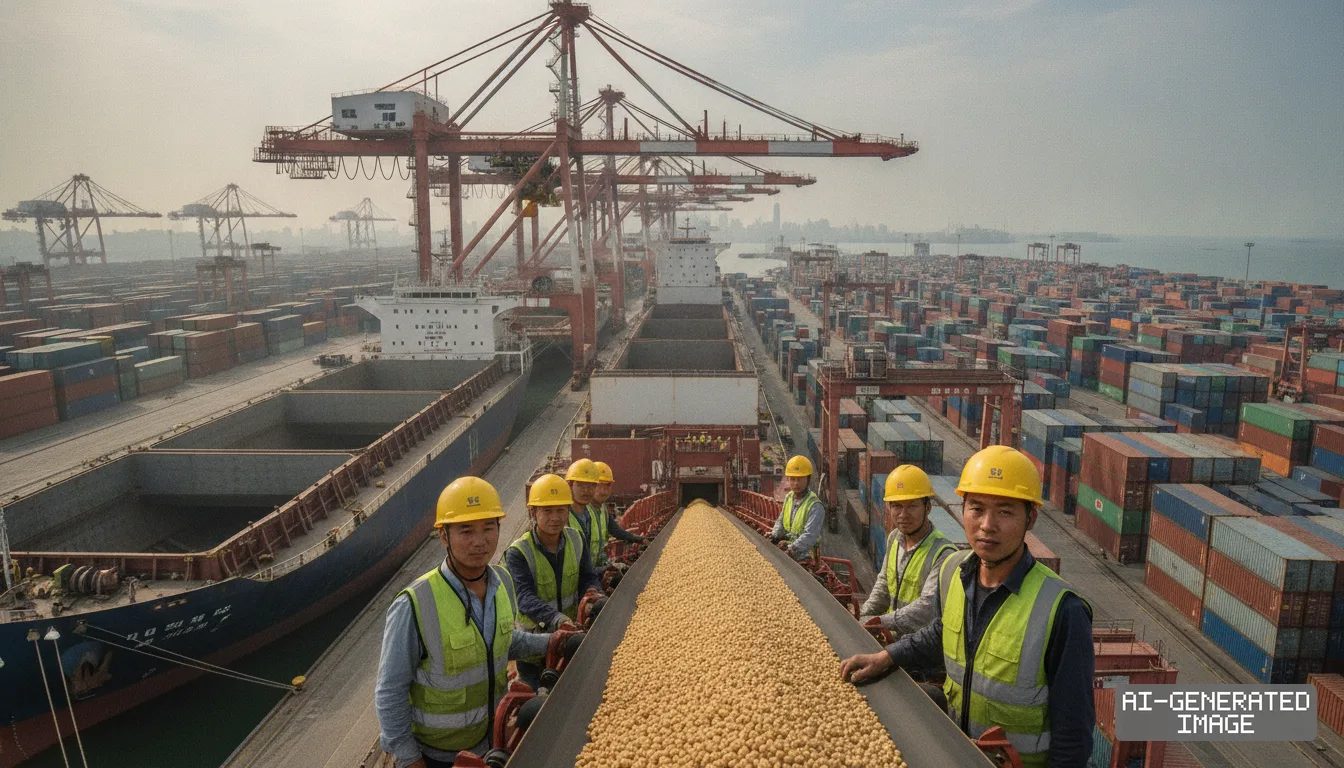
China's exports of rare-earth permanent magnets to Japan dropped 17.1% year-on-year to 212 tonnes in August, following a 52.2% drop in July. China supplies over 60% of Japan's imported rare earth raw materials.
Chinese Foreign Minister Wang Yi met Iwaya in Beijing, telling delegates that bilateral relations face a grave situation. Wang said Tokyo must first correct its political stance on Taiwan before trade normalizes, China's Foreign Ministry said.
The demand for expedited clearance repeats formal ministerial requests. Iwaya directly urged Wang to accelerate export review procedures for Japanese firms during a bilateral meeting in Kuala Lumpur on July 10, 2025, Japan's Foreign Ministry said.
Wang responded at the time that normal commercial demand for Japanese companies would be secured provided importers complied with regulatory requirements, according to Japan's diplomatic readout of the July 2025 session.
China tightened its export oversight in April and October 2025 by adding heavy rare earths, including dysprosium and terbium, to dual-use licensing lists. Dual-use items are commercial products with potential military applications.
China's Ministry of Commerce instituted country-specific export controls against Japanese end-users on Jan. 6, 2026. The rules require detailed documentation identifying end-use locations and downstream manufacturing applications for every shipment.
Under the licensing system, Chinese customs and trade authorities conduct case-by-case reviews. These procedural checks have extended clearance schedules from standard two-week windows to several months, according to trading houses in Tokyo.
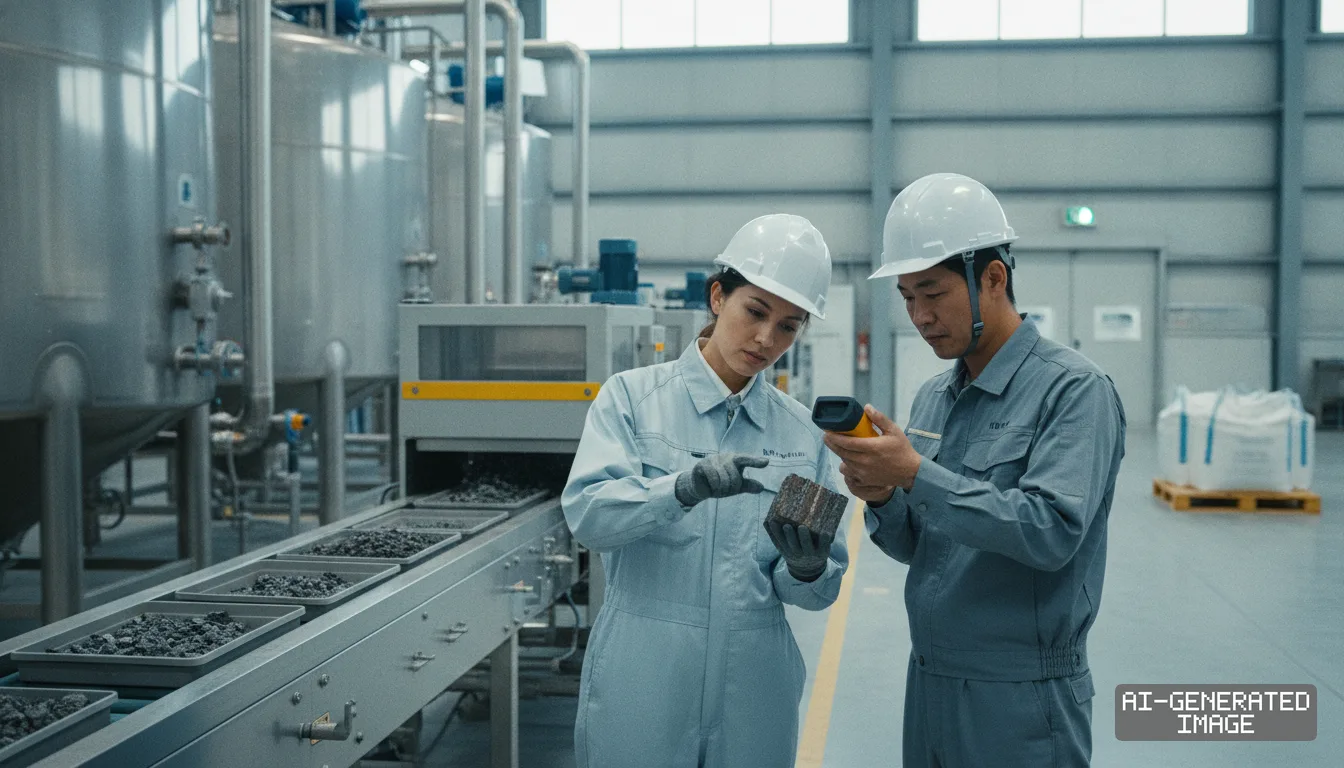
Permanent magnets made from neodymium, iron and boron require trace additions of dysprosium to withstand operating temperatures inside electric vehicle drivetrains. China controls roughly 94% of global sintered rare-earth magnet production capacity.
Shin-Etsu Chemical operates an integrated rare-earth magnet and separation facility in northern Vietnam with an annual processing capacity of 2,000 metric tons. The plant remains reliant on imported Chinese oxides for heavy rare-earth feeds.
Shin-Etsu Chemical committed 35 billion yen ($218 million) in June 2026 to build a domestic rare earth separation facility in Fukui Prefecture. The site will refine 16 rare earth elements to insulate domestic magnet production lines.
Japan's Ministry of Economy, Trade and Industry approved roughly 17.5 billion yen ($109 million) in subsidies for the Fukui facility. The grant covers half the capital expenditure under Japan's economic security framework.
Proterial, formerly known as Hitachi Metals, produces high-performance automotive magnets across facilities in Japan. The company absorbed alloy producer Santoku in 2026 to secure molten salt electrolysis capacity and reduce dependence on third-party strip cast alloys.
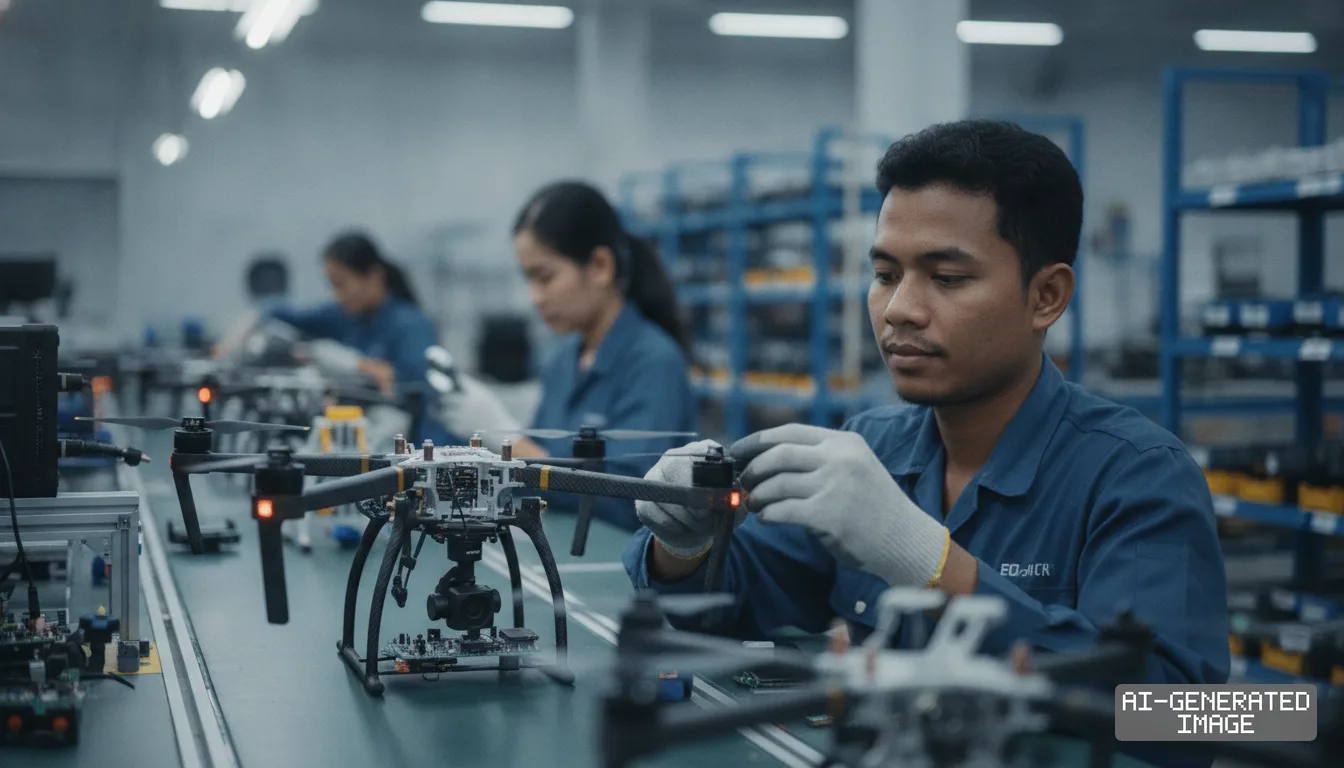
TDK Corporation manufactures neodymium magnets under its NEOREC product line for factory automation servomotors and precision sensors. The manufacturer operates magnet facilities in both Japan and China, leaving it exposed to cross-border transfer controls.
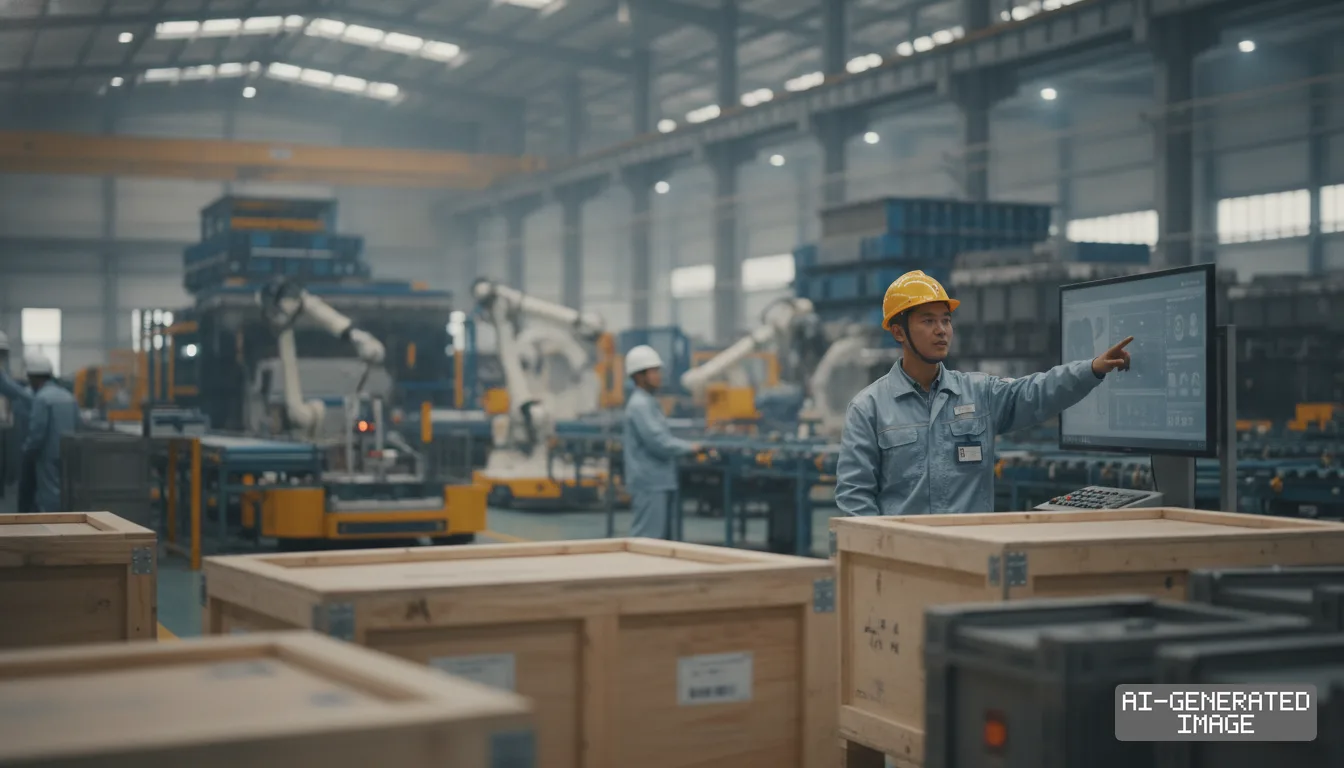
Downstream motor suppliers to Toyota Motor and Honda Motor have expanded buffer inventories from 30 days of consumption to 90 days. Carrying larger stockpiles raises working capital costs across Japanese component supply chains.
Japan previously reduced China's share of its rare earth imports from 90% in 2010 to roughly 60% by partnering with overseas miners. Domestic refiners have struggled to eliminate dependence on Chinese heavy rare earth separation entirely.
Japan's state-owned Japan Organization for Metals and Energy Security committed 110 million euros ($123 million) alongside France to support Carester's separation plant in Lacq. That French facility targets commercial production by late 2026.
The private business delegation led by Iwaya concludes its itinerary in Beijing on Sept. 30, 2026. Chinese trade authorities maintain case-by-case dual-use review mandates with no published timetable for streamlining approvals.
Japan's Ministry of Foreign Affairs has not published an official document confirming that Tokyo submitted a formal intergovernmental protest regarding export delays during the Sept. 29 visit. Ministerial-level economic dialogue between Tokyo and Beijing remains suspended.
Impact map
How this development propagates across the region and out to global buyers.
| Event | Korea | China | Japan | Global impact |
|---|---|---|---|---|
| China dual-use export review bottlenecks | JS Link advances 3,000-tonne magnet joint capacity with Lynas | MOFCOM maintains discretionary licensing over 94% of global magnet supply | Shin-Etsu and Proterial absorb clearance delays as August magnet imports slide 17.1% | Automakers extend component lead times and expand working capital for buffer inventories |
In this story
- Companies
- Shin-Etsu ChemicalTDK Corporation
- Tickers
- 4063.T6762.T
- Exposed
- ProterialToyota MotorHonda Motor
- Policy
- Export ControlsEconomic SecuritySubsidies
- Impact
- Supply ChainCost StructureCompliance
Track every Export Controls development → Track every Economic Security development → Track every Subsidies development →
Related briefings
- Tesla drops rare earths in Cybercab motor to cut China risk Also on Proterial, Shin-Etsu Chemical, Export Controls
- China Sets Consolidated Late-2026 Light Rare Earth Mining Quota to Cap Northern Bastnasite Extraction Also on Proterial, Shin-Etsu Chemical, Compliance
- Japan accelerates grants for rare-earth-reduced robot motor magnets under economic security act Also on Honda Motor, Shin-Etsu Chemical, Compliance
- Japanese automakers standardize prismatic battery cold tests as EV timelines advance Also on Honda Motor, Toyota Motor, Cost Structure
Sources
Primary documents
Reporting
Confidence: high — how we grade this
The documents behind this briefing are linked above. East Asia Brief produces its English text with AI assistance under human editorial review, and does not translate or republish other outlets' articles. See our methodology and AI policy. Spotted an error? Tell us.
The Morning Brief
What changed in Korean, Chinese and Japanese industry overnight — and what it means for your supply chain. One email, weekday mornings, US time. Free.
The Morning Brief is in preparation. Leave your address and we will write to you once — when the first issue is ready. Nothing before that.