Commerce exempts South Korean biopharma from import tariffs on Sept. 29
New BIS rules grant zero-tariff entry for antibody-drug conjugates and cell therapies from 19 allied jurisdictions, shielding Korean contract manufacturers from a 15% trade partner duty.
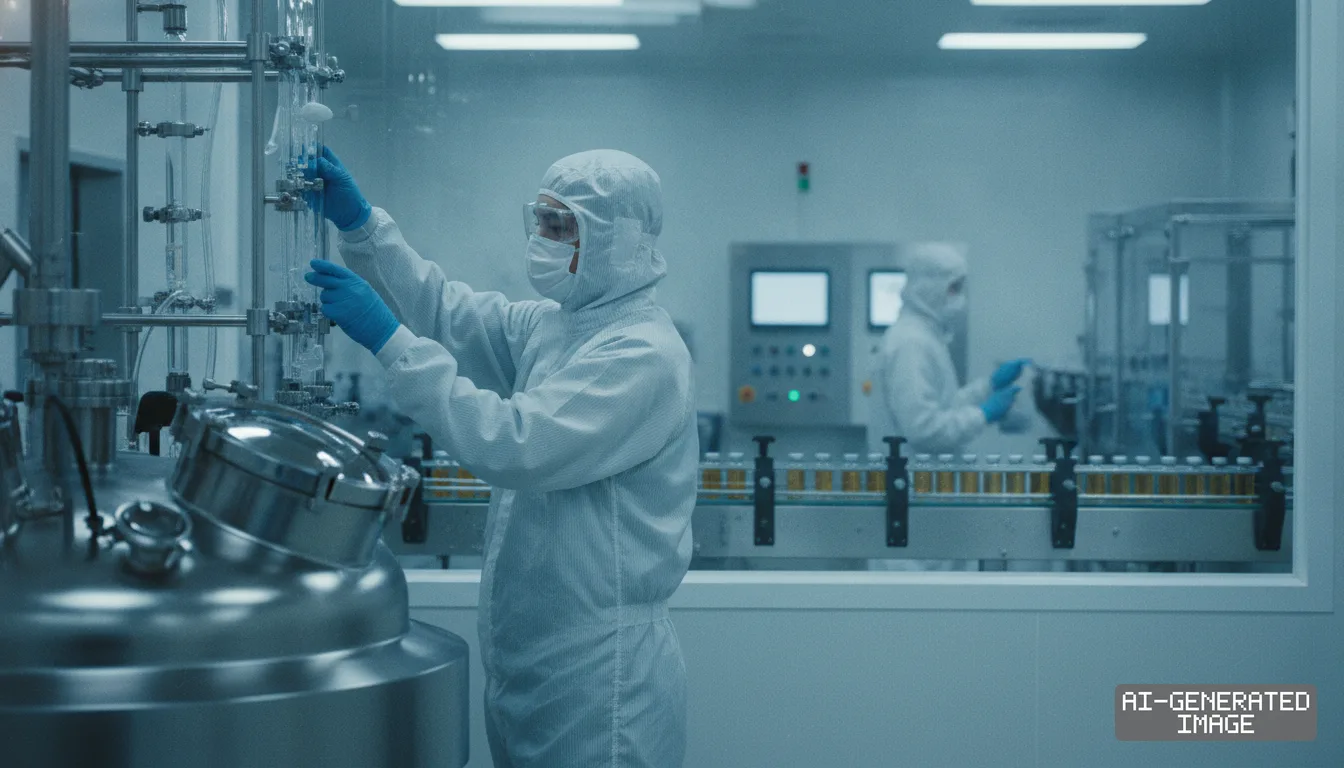
The U.S. Department of Commerce confirmed Sept. 27, 2026, that South Korean specialty biopharmaceuticals qualify for zero-tariff entry under implementation rules taking effect before a sweeping Section 232 tariff deadline.
The determination shields Seoul from a baseline 15% tariff scheduled for trade-agreement partners, which would have added millions of dollars in import costs to high-value medical shipments entering American clinics and distribution hubs.
Under Presidential Proclamation 11020, signed in April 2026, Washington imposed a 100% duty on foreign patented drugs while carving out exceptions for specific therapeutic classes and 19 eligible allied jurisdictions.
The tariff adjustments trace back to a national security investigation under Section 232 of the Trade Expansion Act of 1962. That statute empowers the executive branch to alter imports that threaten critical domestic supply chains.
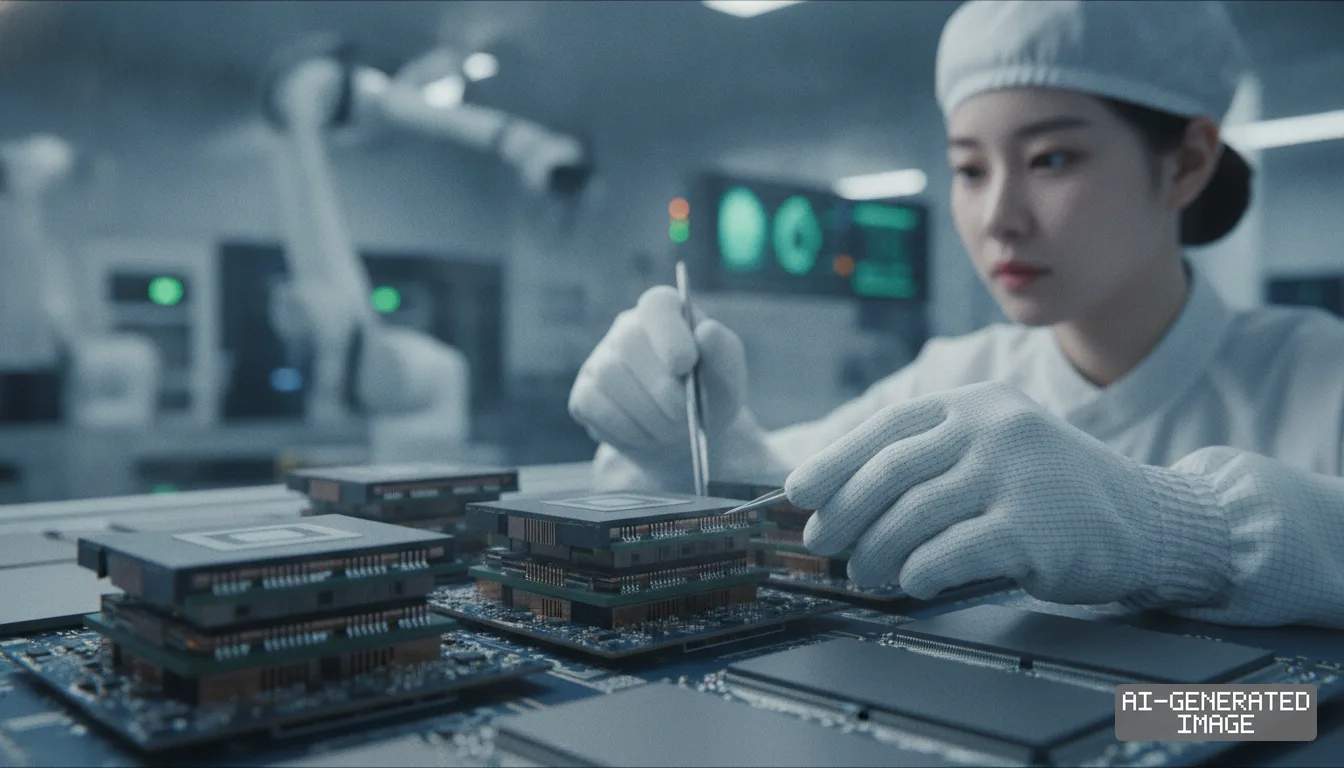
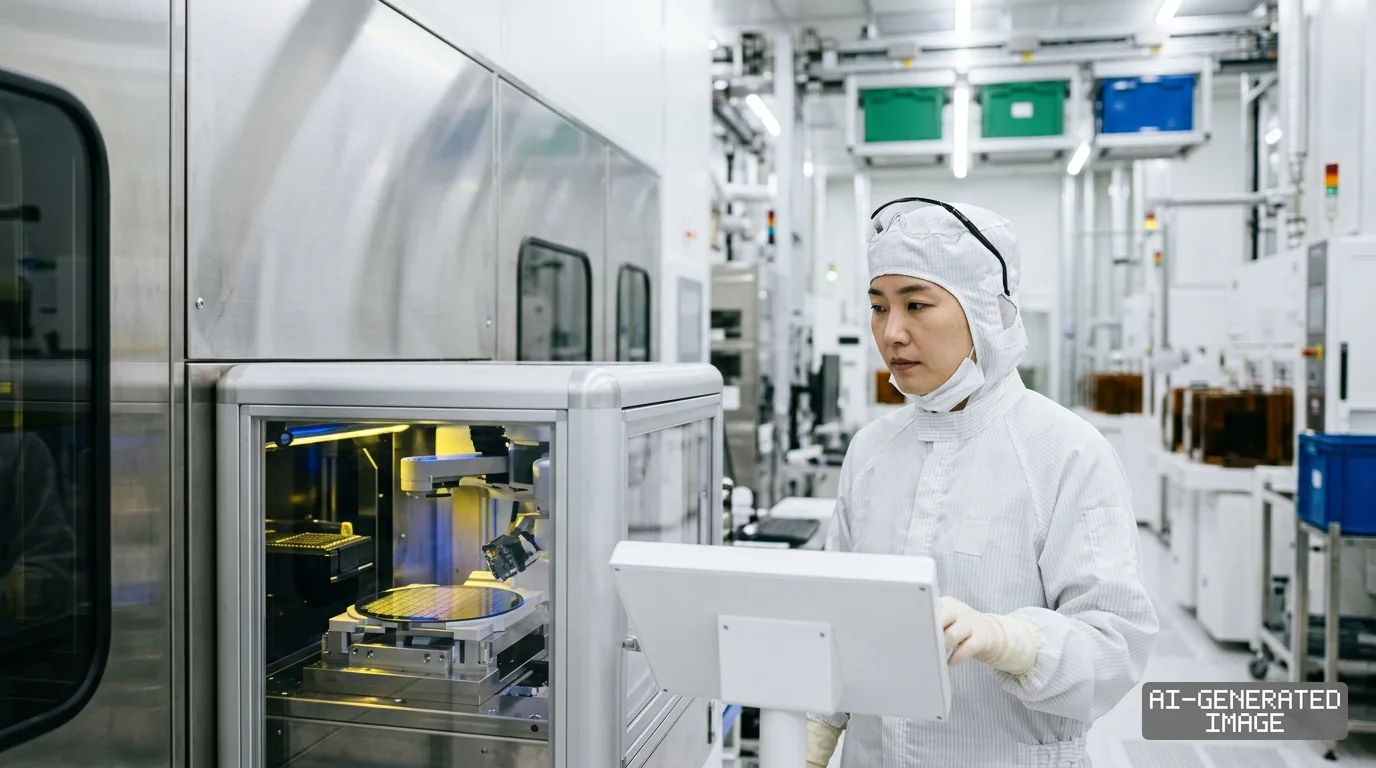
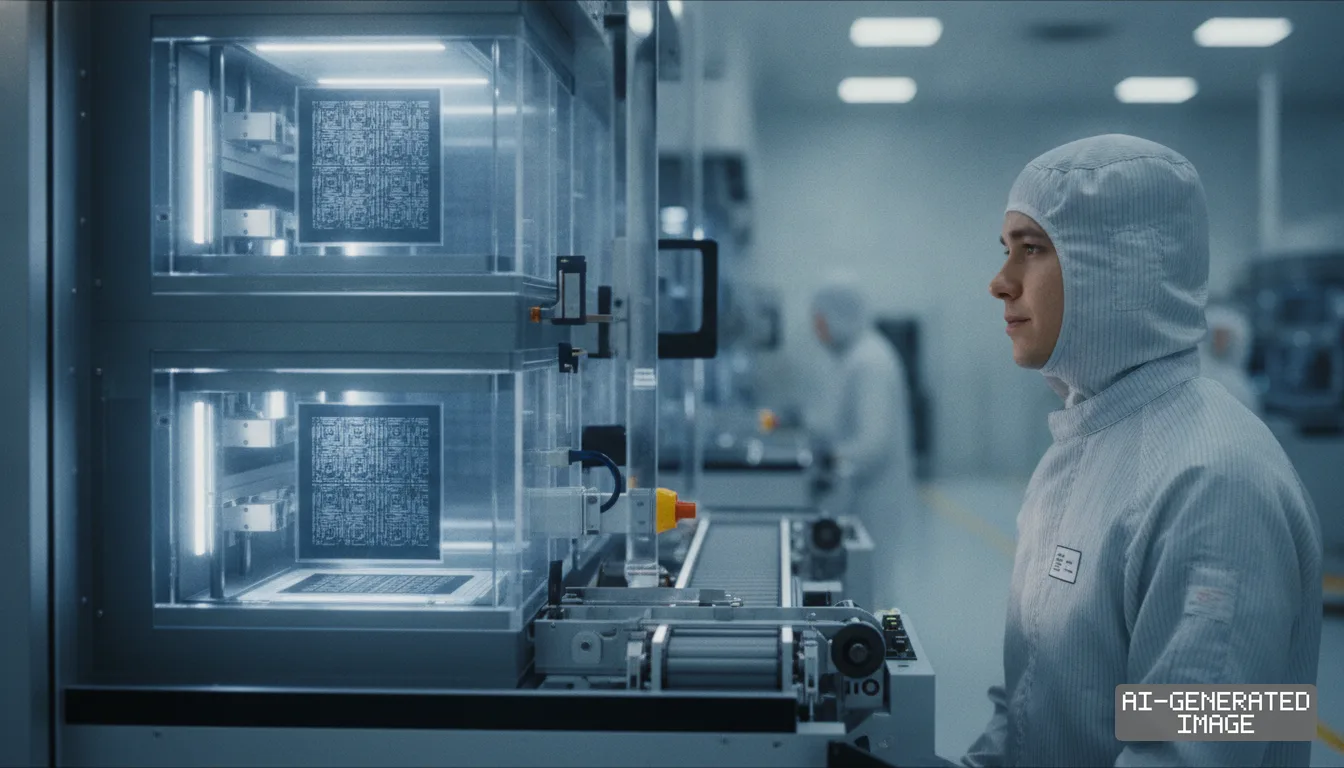
Samsung Biologics operates 604,000 liters of commercial bioreactor capacity across its Songdo complex. The contract development and manufacturing organization generates more than 60% of its annual operating revenue from North American pharmaceutical clients.
Samsung Biologics is commissioning a dedicated antibody-drug conjugate plant featuring a 500-liter production line. Such combination therapies fuse monoclonal antibodies with cancer-killing cytotoxic payloads to destroy malignant cells while sparing healthy tissue.
Celltrion books roughly 42% of its overseas revenue from the U.S. commercial market, where it distributes auto-immune therapies and biosimilars. Biosimilars are biologic medicines designed to match reference brand-name treatments once patents expire.
Generic pharmaceuticals and biosimilar products already secured full tariff exemptions under earlier clauses of Proclamation 11020. The updated guidelines extend the 0% rate directly to next-generation modalities developed by Korean laboratories.
The Bureau of Industry and Security enumerated nine therapeutic categories eligible for zero tariffs. The list covers cell therapies, gene therapies, antibody-drug conjugates, radiopharmaceuticals, plasma-derived therapies and drugs addressing designated rare disorders.
The list also includes fertility treatments, countermeasures against chemical and biological threats, and animal health medicines. Associated active ingredients for each covered category receive identical duty-free clearance upon arrival at U.S. customs entry ports.
The agency established a dedicated tariff line under heading 9903.04.70 of the Harmonized Tariff Schedule. That classification allows noncommercial experimental substances and materials used in approved clinical trials to clear customs duty-free.
South Korean biotechnology laboratories currently sponsor more than 80 active early-stage oncology trials registered with American regulators. The trial exemption eliminates border duties on investigational doses shipped for multi-center hospital evaluations across the United States.
To qualify for the zero rate, shipments must originate from one of 19 designated jurisdictions. The partner group includes South Korea, Japan, Taiwan, Switzerland, the United Kingdom and member states of the European Union.
Chinese manufacturers face the full 100% tariff on patented molecules because Beijing was excluded from the eligible partner registry. The tariff burden compounds operational pressure from pending congressional restrictions on Chinese contract development contractors.
Global drug developers have accelerated contract transitions toward South Korean and Japanese production facilities to de-risk American commercial delivery channels. European and American biotechs now account for the balance of Songdo batch reservations.
GC Biopharma generates roughly 18% of its revenue from blood products, including immune globulin therapies cleared for distribution in American hospitals. Its plasma fractionation lines in Cheongju rely on predictable customs access to U.S. regional distributors.
Commercial biopharmaceutical contracts typically run three to seven years, locking in strict delivery timetables and predetermined margin structures. Imposing a 15% tariff would have eroded contract margins or triggered contested price-adjustment clauses between manufacturing partners.
South Korean contract producers said the tariff exemption prevents cost renegotiations on existing master service agreements. By retaining zero tariffs, Korean plants protect cash margins on large-scale fermentation campaigns for top global pharmaceutical houses.
Companies based outside the 19 jurisdictions must apply directly to the Bureau of Industry and Security to seek individual exemptions. Those applicants must demonstrate that specific therapeutic imports satisfy an urgent domestic public health deficiency.
The commerce agency evaluates urgent need petitions in coordination with the Food and Drug Administration and the Office of the U.S. Trade Representative. That case-by-case review creates administrative delays for unlisted production regions.
The bureau clarified that active pharmaceutical ingredients imported for formulation into covered specialty therapies share the zero-rate classification. However, intermediate raw materials must document compliant origin certification at the port of entry.
U.S. Customs and Border Protection will cross-reference commercial invoices against product indications approved by federal regulators. Importers must identify corresponding registration numbers and manufacturing batch identifiers on customs entry summaries to claim the zero-duty rate.
The notice does not state whether custom single-use bioreactor bags and specialized cell culture media qualify under the exemption, and the agency has not published importer clearance guidelines for proprietary consumables.
South Korea's Ministry of Trade, Industry and Energy has not issued an independent advisory regarding documentation requirements. Trade officials in Seoul said inter-ministerial briefings with domestic drugmakers will occur after reviewing operational customs releases.
The zero-tariff treatment and broader Section 232 pharmaceutical tariffs take effect at 12:01 a.m. Eastern Daylight Time on Sept. 29, 2026. Entry summaries filed after that moment must cite the newly established tariff classification headings.
Impact map
How this development propagates across the region and out to global buyers.
| Event | Korea | China | Japan | Global impact |
|---|---|---|---|---|
| Section 232 specialty biopharma tariff waiver | Samsung Biologics and Celltrion retain 0% tariff on U.S. shipments | Chinese CDMOs face 100% duty on patented drugs without exemption | Japanese biologics CDMOs share 0% tariff status as eligible jurisdiction | Big pharma averts 15% tariff-driven margin squeeze on allied CDMO batches |
In this story
- Companies
- Samsung BiologicsCelltrionGC Biopharma
- Tickers
- 207940.KS068270.KS006280.KS
- Policy
- TariffsTrade Expansion Act Section 232
- Impact
- PricingSupply ChainOrder Book
Track every Tariffs development →
Related briefings
- China Agrees to Import 10 Million Tons of US Coal Annually Also on Tariffs, Pricing, Order Book
- CATL lists 587Ah storage cells online to reset grid pricing at $65/kWh Also on Tariffs, Pricing, Order Book
- China and US Open Talks to Cut LNG Tariffs Ahead of Summit Also on Tariffs, Pricing, Order Book
- BYD tests Ti7 in Canada with second-generation Blade battery Also on Tariffs, Pricing, Order Book
Sources
Primary documents
Reporting
Confidence: high — how we grade this
The documents behind this briefing are linked above. East Asia Brief produces its English text with AI assistance under human editorial review, and does not translate or republish other outlets' articles. See our methodology and AI policy. Spotted an error? Tell us.
The Morning Brief
What changed in Korean, Chinese and Japanese industry overnight — and what it means for your supply chain. One email, weekday mornings, US time. Free.
The Morning Brief is in preparation. Leave your address and we will write to you once — when the first issue is ready. Nothing before that.