Citigroup says China AI hardware IPOs hold firm in Hong Kong
Offshore listings by mainland semiconductor and component vendors draw balanced institutional demand despite secondary valuation declines in data center equities.
Citigroup said Oct. 17 that Chinese artificial intelligence hardware and supply chain vendors are maintaining active Hong Kong listing plans despite recent valuation pullbacks in global data center equities.
The offshore pipeline reflects persistent capital demand from mainland component makers navigating United States export controls on advanced semiconductors. Companies in packaging, optical modules and power electronics continue to seek public equity financing.
Hong Kong initial public offerings raised HK$388 billion ($49.4 billion) across 118 listings during the first nine months of 2026. That total represents a 106% increase compared with the same period a year earlier.
Simon Yuen, head of China investment banking at Citigroup, described the listing momentum on the sidelines of the International Monetary Fund annual meetings in Bangkok. He also leads the bank's financial institutions group across the Asia-Pacific region.
Investor demand for these offerings remains evenly divided between mainland domestic buyers and international institutions, Yuen said. That fifty-fifty allocation provides a structural buffer against volatile offshore sentiment.
Domestic capital reaches Hong Kong through the Southbound Stock Connect channel, which links mainland brokerages directly to the offshore exchange. Rising inflows from mainland accounts have established a steady floor for recent technology share sales.
International institutional investors have retained exposure to Asian electronics vendors because the region supplies between 70% and 80% of critical hardware components. Upstream suppliers have captured wider operating margins from higher shipments and unit prices.
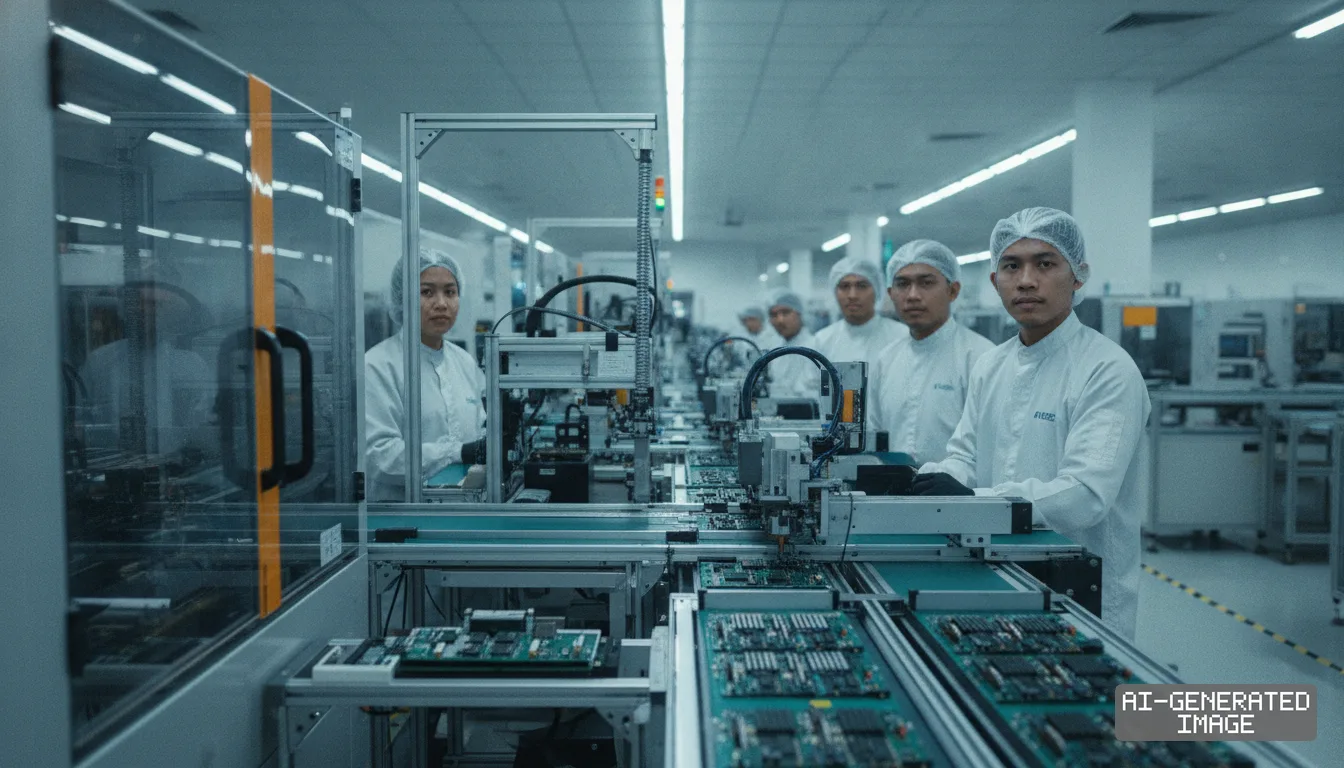
Many Chinese hardware manufacturers have also established production sites outside mainland China, Yuen said. Expanding assembly facilities across Southeast Asia helps vendors serve international clients while dampening trade friction.
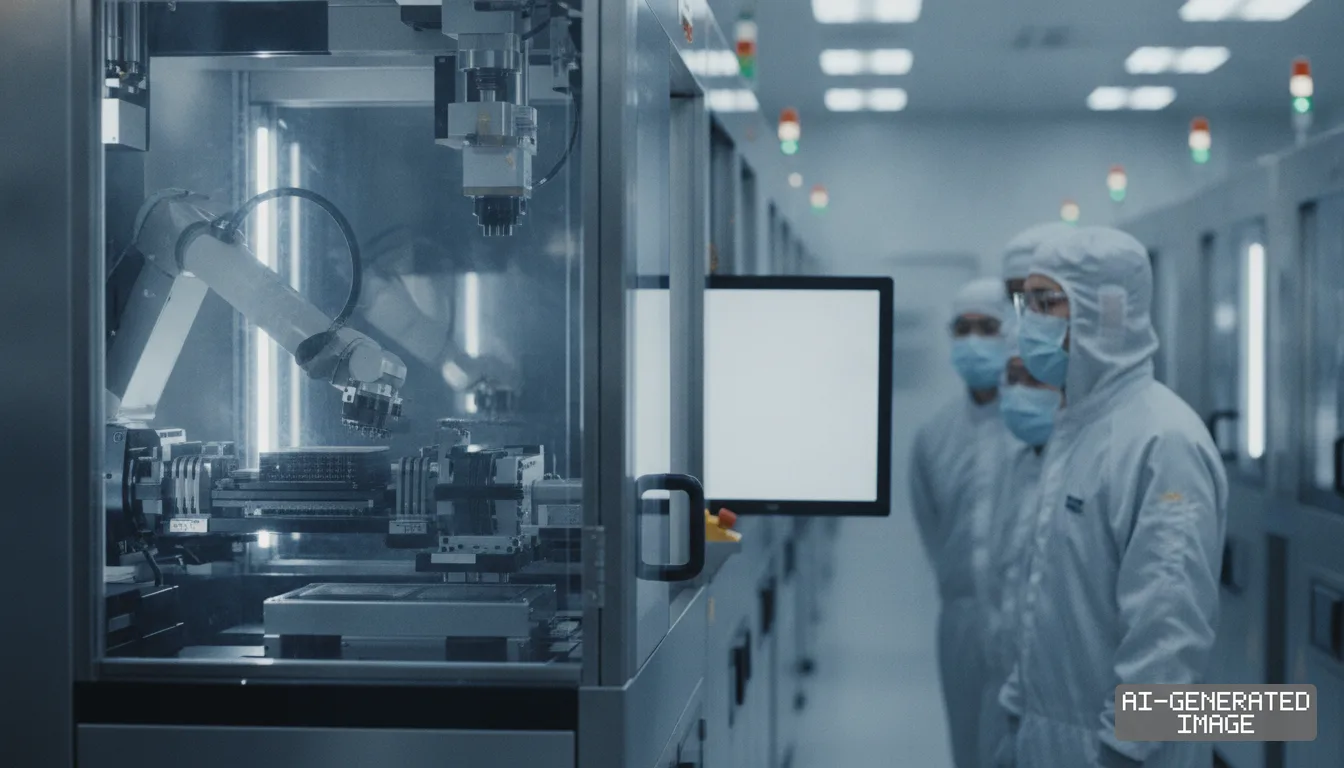
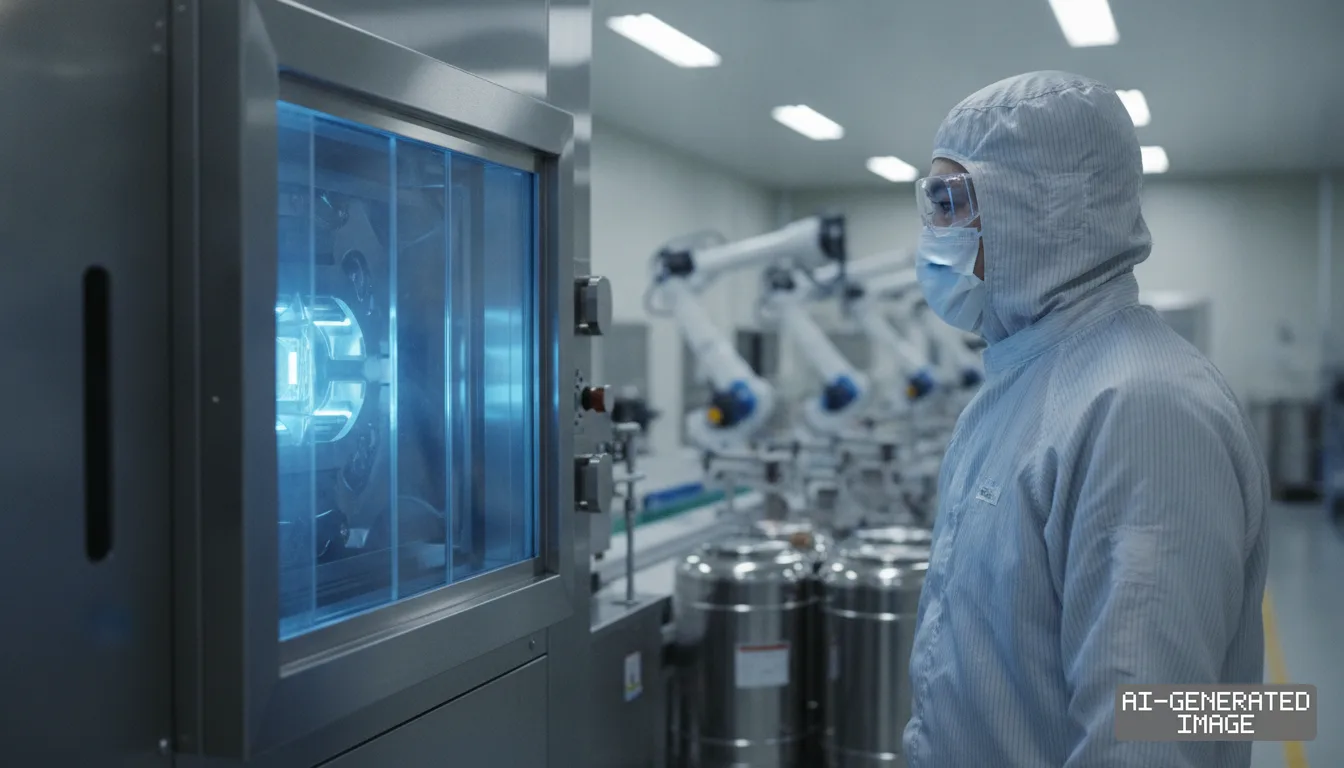
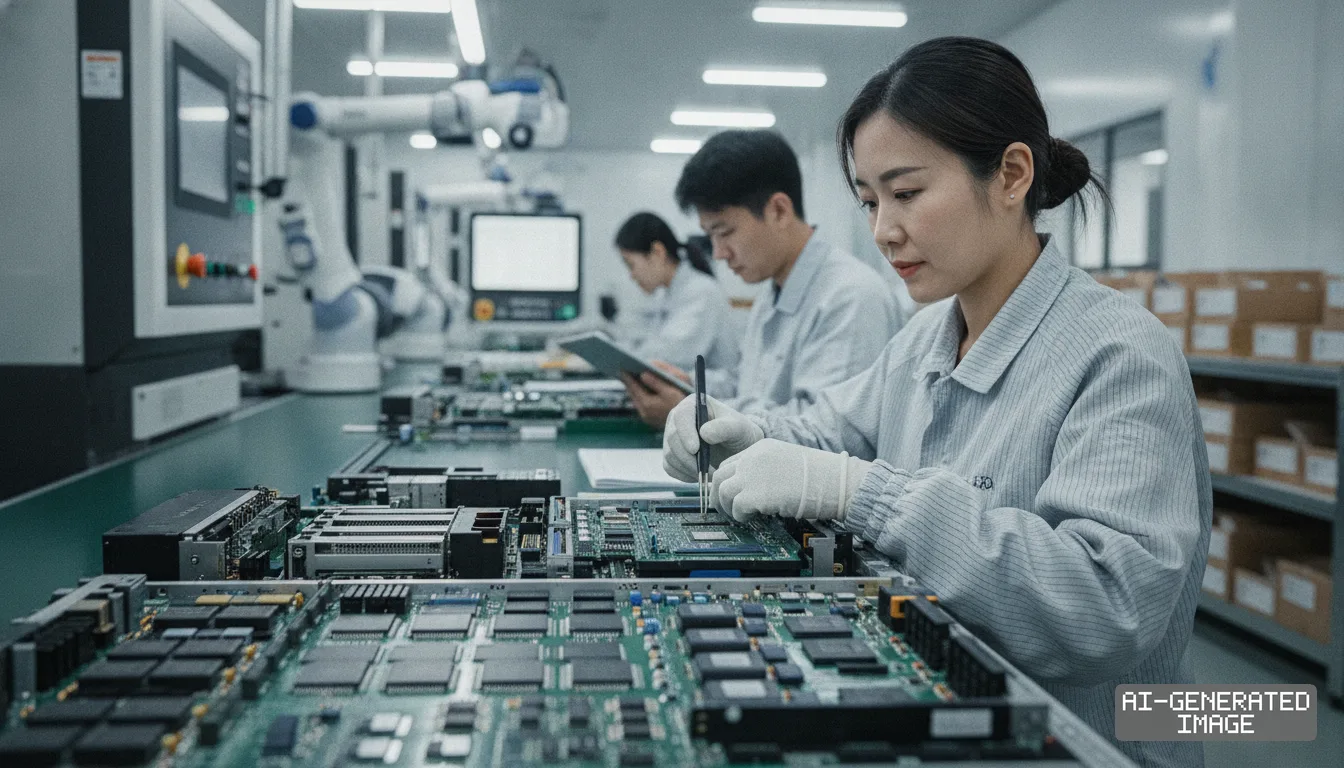
The current pipeline concentrates on physical components essential for server clusters. These include high-speed optical transceivers, advanced substrates, printed circuit boards and specialized testing systems used in accelerated computing hardware.
Mainland vendors expanded capital spending after foreign trade restrictions cut access to leading-edge overseas chips. Domestic cloud providers turned to local component makers to build and maintain alternative data center clusters.
Offshore equity sales allow these hardware suppliers to fund capacity expansions without relying exclusively on domestic bank lending. Public listings in Hong Kong also yield convertible foreign currency required for imported production machinery.
Secondary market multiples for global computing equipment have dropped from previous highs after investors re-evaluated data center construction timetables. Regulatory authorities have simultaneously applied tighter financial scrutiny to prospective listing applicants.
Hong Kong listing applicants have nonetheless moved forward because capital expenditure requirements remain rigid. Packaging and substrate manufacturing require continuous tooling investments to keep pace with higher silicon density.
Investment banking fees in Hong Kong have rebounded alongside transaction volumes. Citigroup and peer underwriters have maintained active syndication desks for cross-border technology share offerings throughout the third quarter.
The composition of technology offerings is expected to change during 2027, Yuen said. Equity issuance will likely transition from physical hardware manufacturers toward artificial intelligence software models and enterprise applications.
Prospective software issuers must display proven business models and clear profitability before entering public markets, Yuen said. Institutional investors will demand verifiable software revenue growth rather than experimental prototype deployments.
Broader market risks continue to shadow the issuance pipeline. If the primary artificial intelligence investment cycle contracts in the United States, secondary valuation pressures will transfer directly into Hong Kong trading desks, Yuen said.
A general decline in cloud capital expenditures would lower component order backlogs across East Asia. That deceleration would test whether retail and institutional demand can absorb scheduled fourth-quarter offerings.
The interview statements do not disclose regulatory filing deadlines or listing timetables for specific pipeline candidates. Citigroup has not published a formal transaction registry identifying individual mandate values.
The Hong Kong Exchanges and Clearing listing committee continues to review pending technology prospectuses under existing listing chapters. Scheduled market hearings will decide listing timetables into early 2027.
Impact map
How this development propagates across the region and out to global buyers.
| Event | Korea | China | Japan | Global impact |
|---|---|---|---|---|
| Chinese AI supply chain IPO pipeline | memory makers track offshore capital flows into competing packaging lines | hardware suppliers secure foreign currency capital for capacity expansion | equipment makers see sustained deposition and test tool demand in Hong Kong pipeline | international institutions maintain 50% participation in Chinese component listings |
In this story
- Companies
- CitigroupHong Kong Exchanges and Clearing
- Tickers
- C0388.HK
- Policy
- Export Controls
- Impact
- PricingCapexSupply Chain
Track every Export Controls development →
Related briefings
- China semiconductor exports surge 136% to $45 billion on AI pricing Also on Export Controls, Pricing
- CXMT plans 4F² server DRAM launch, hitting memory shares Also on Export Controls, Pricing
- Paladin expands rare earth recycling to 150 metric tonnes Also on Export Controls, Pricing
- Tokyo Electron nears 1 trillion yen profit on memory capex Also on Export Controls, Pricing
Sources
Reporting
Confidence: medium — how we grade this
The documents behind this briefing are linked above. East Asia Brief produces its English text with AI assistance under human editorial review, and does not translate or republish other outlets' articles. See our methodology and AI policy. Spotted an error? Tell us.
The Morning Brief
What changed in Korean, Chinese and Japanese industry overnight — and what it means for your supply chain. One email, weekday mornings, US time. Free.
The Morning Brief is in preparation. Leave your address and we will write to you once — when the first issue is ready. Nothing before that.