Mirae Asset humanoid robot ETF tops 555 billion won in retail inflows
Individual buying directed $398 million into actuator and reducer suppliers, with Rainbow Robotics commanding a 17.9% basket share.
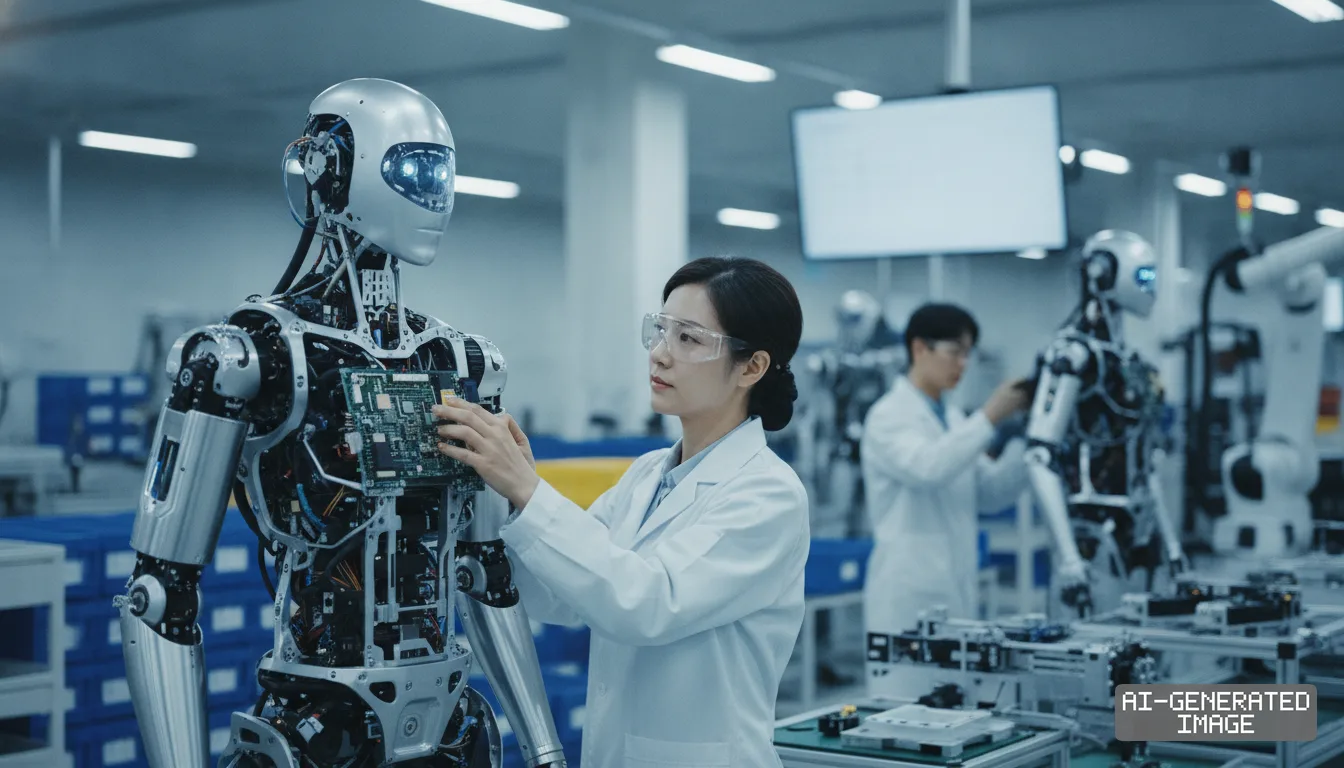
Mirae Asset Global Investments said Nov. 26 that cumulative retail net purchases of its Korea humanoid robotics exchange-traded fund reached 555.1 billion won ($398 million) this year.
The fund crossed the 500 billion won threshold after recording an average daily trading turnover of 74.2 billion won ($53 million) since listing Jan. 6. It tracks the KEDI Korea Humanoid Robot Industry Index.
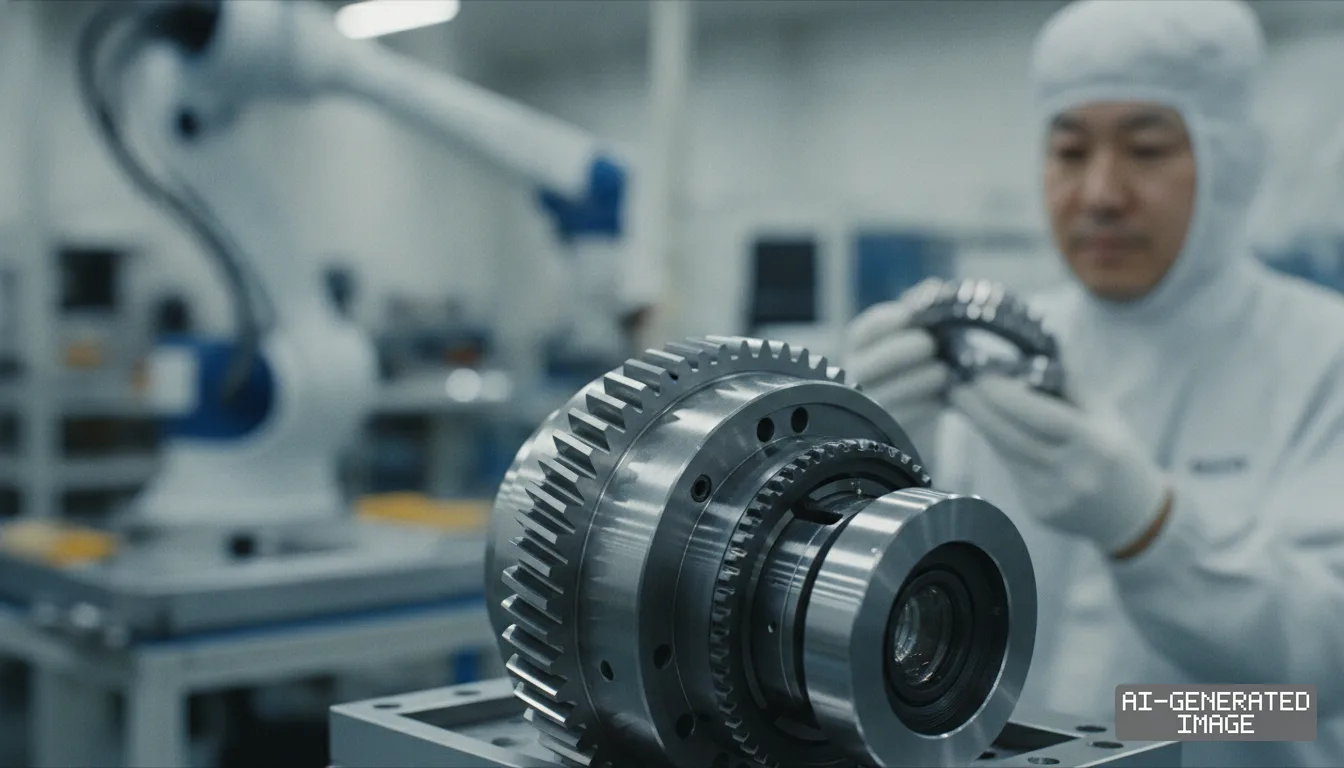
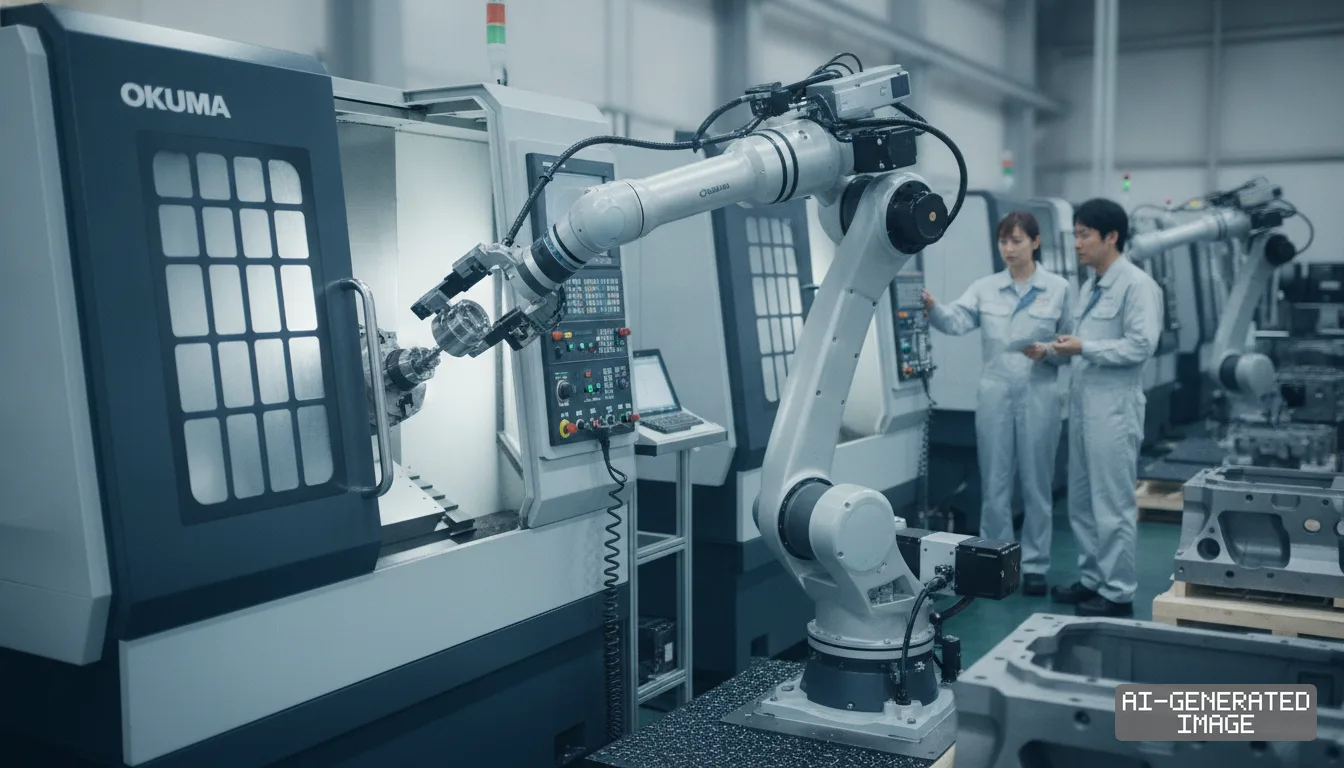
The portfolio excludes broad automotive conglomerates to concentrate capital directly on precision hardware suppliers. Joint actuators, cycloidal speed reducers and motor controllers make up the core weight of the underlying vehicle.
Rainbow Robotics accounts for 17.9% of the fund basket, marking the highest single weighting in any domestic exchange-traded product. The company develops bipedal platforms and mechanical arm assemblies for industrial automation lines.
Robotis holds a 15.7% allocation in the fund portfolio. The manufacturer produces dynamic smart actuators — self-contained modular drive units containing motors, gear reduction and sensors — for autonomous mobile robots and humanoid joints.
Doosan Robotics represents an 11.1% weighting in the fund index. The firm manufactures multi-axis collaborative arms and is adapting its control software for heavy-payload shop-floor automation cells.
Precision reducer manufacturer SPG and motion drive specialist Samhyun hold secondary positions in the portfolio. Both companies supply harmonic drive speed reducers and brushless motor assemblies to Korean robotic equipment integrators.
Neuromeka and Robostar make up the remaining hardware allocations in the index. Neuromeka fabricates custom motor drives and embedded controllers, while Robostar manufactures Cartesian and cleanroom transfer equipment for semiconductor fabs.
The heavy concentration of retail capital routes liquidity into tier-one and tier-two mechanical suppliers. That equity inflow supports tooling upgrades and pilot production capacity across an otherwise fragmented component supply base.
South Korea's Ministry of Trade, Industry and Energy introduced its 3M robotics industrial plan June 29 during a national briefing. The policy blueprint targets expanding domestic output to rank among the top three global producers.
The ministry targeted state research grants toward three critical subassemblies: actuators, robotic hands and tactile sensors. Domestic suppliers produce roughly 1% of worldwide humanoid robot hardware, according to data presented at the ministry briefing.
The government scheduled the development of a shared robot foundry and parts manufacturing cluster in Saemangeum and the Daegu area. The site aims to provide standardized fabrication facilities for mid-tier mechanical component firms.
Samsung Electronics set an internal target to unveil a commercial humanoid robot at the Consumer Electronics Show in January 2027. The project relies on joint development pacts with domestic precision parts vendors.
LG Electronics scheduled a factory demonstration of its bipedal walking robot during the first quarter of 2027. The corporation plans to deploy the humanoid handling systems across its domestic home-appliance production lines.
Engineering demand shifted this year from abstract software algorithms toward physical artificial intelligence. The transition requires high-torque gearboxes and low-latency actuators that can endure continuous industrial factory operating cycles without mechanical breakdown.
South Korean robotics integrators historically sourced more than 60% of their harmonic reducers and optical encoders from Japanese component suppliers. Rising import procurement expenses and extended delivery lead times accelerated qualification testing for domestic gearboxes.
The influx of retail investment provided listed parts makers with equity liquidity without requiring dilutive convertible debt sales. Trading volume expanded across component names, allowing suppliers to finance cleanroom expansions and automated testing gear.
The asset manager has not published the full announcement text on its public website newsroom due to indexing delays. Regulatory trading figures and exchange volume summaries through Nov. 25 verify the stated retail purchase total.
Component qualification reviews for the CES prototype units close Dec. 18 ahead of shipment to Las Vegas. The Korea Exchange conducts its next semi-annual constituent rebalancing for the humanoid robotics index in March 2027.
Impact map
How this development propagates across the region and out to global buyers.
| Event | Korea | China | Japan | Global impact |
|---|---|---|---|---|
| Korea humanoid ETF capital concentration | Rainbow Robotics and Robotis secure retail equity inflows across 33.6% combined ETF basket | Chinese humanoid developers maintain cost advantage in standard servo motors | Harmonic Drive Systems faces long-term replacement pressure from domestic Korean reducer makers | Hardware supply chains accelerate actuator and tactile sensor procurement for 2027 humanoid pilots |
In this story
- Companies
- Mirae Asset Global InvestmentsRainbow RoboticsRobotisDoosan Robotics
- Tickers
- 0148J0.KS277810.KQ108490.KQ454910.KS
- Exposed
- Samsung ElectronicsLG ElectronicsSPGNeuromeka
- Impact
- Supply ChainCapexOrder Book
Related briefings
- Korean electronics component suppliers deploy AI dual-arm robots as factory labor pool shrinks Also on Neuromeka, SPG, Doosan Robotics
- Korea robotics ETFs jump 6.8% on Samsung supplier automation pact Also on SPG, Robotis, Doosan Robotics
- Korea tightens export licensing rules on robotics actuator technology Also on Neuromeka, Robotis
- China magnet export delays squeeze servo motor supply in South Korea Also on Neuromeka, Robotis
Sources
Primary documents
Reporting
Confidence: high — how we grade this
The documents behind this briefing are linked above. East Asia Brief produces its English text with AI assistance under human editorial review, and does not translate or republish other outlets' articles. See our methodology and AI policy. Spotted an error? Tell us.
The Morning Brief
What changed in Korean, Chinese and Japanese industry overnight — and what it means for your supply chain. One email, weekday mornings, US time. Free.
The Morning Brief is in preparation. Leave your address and we will write to you once — when the first issue is ready. Nothing before that.