Kawasaki Heavy advances 2030 target for AI humanoid robots
The machinery maker plans to integrate domestic AI platform Noetra into its 30-kilogram payload Kaleido model, accelerating deployment across factory cells and disaster response.
Kawasaki Heavy Industries established an accelerated operational target on Oct. 3, 2026, aiming to commercialize fully autonomous humanoid robots powered by proprietary artificial intelligence platforms by 2030.
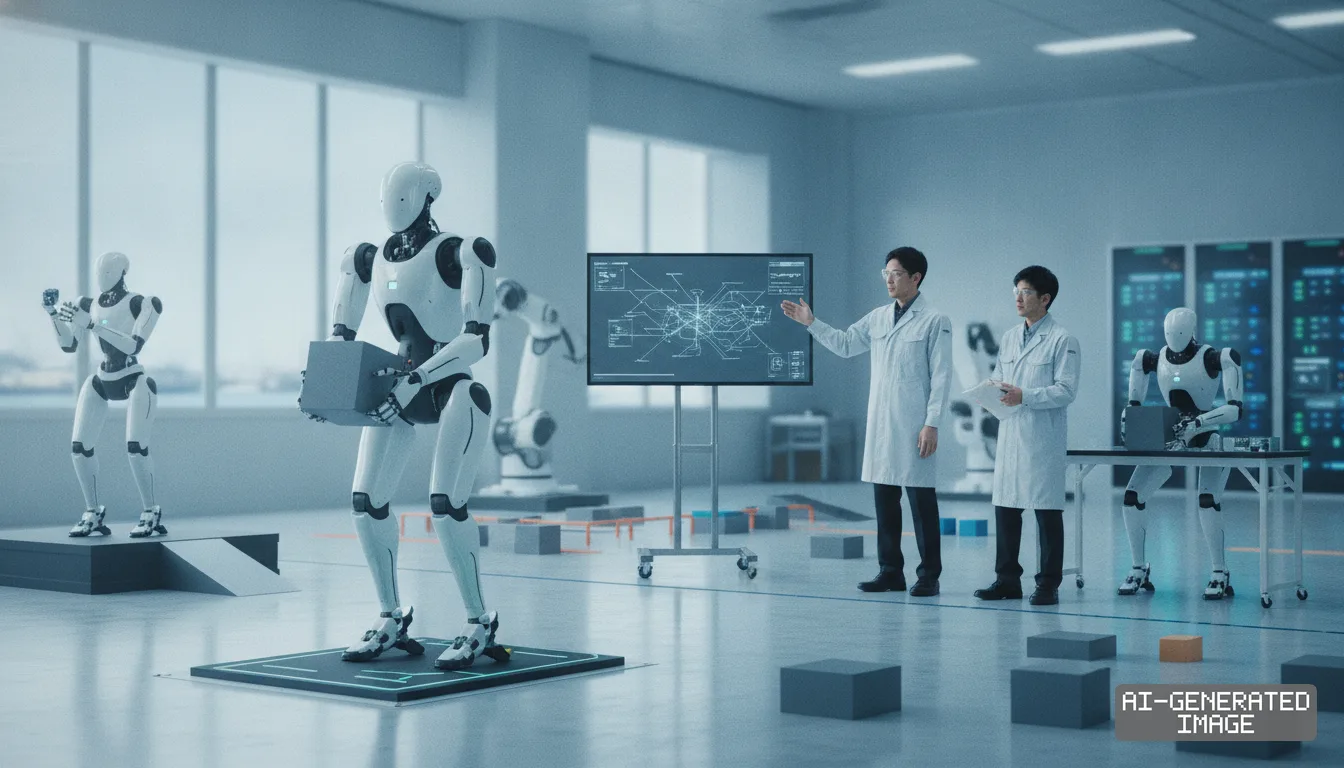
The initiative centers on the ninth-generation RHP Kaleido humanoid, a bipedal machine engineered with a 30-kilogram payload capacity. The company has developed the bipedal platform internally since launching its first prototype in 2015.
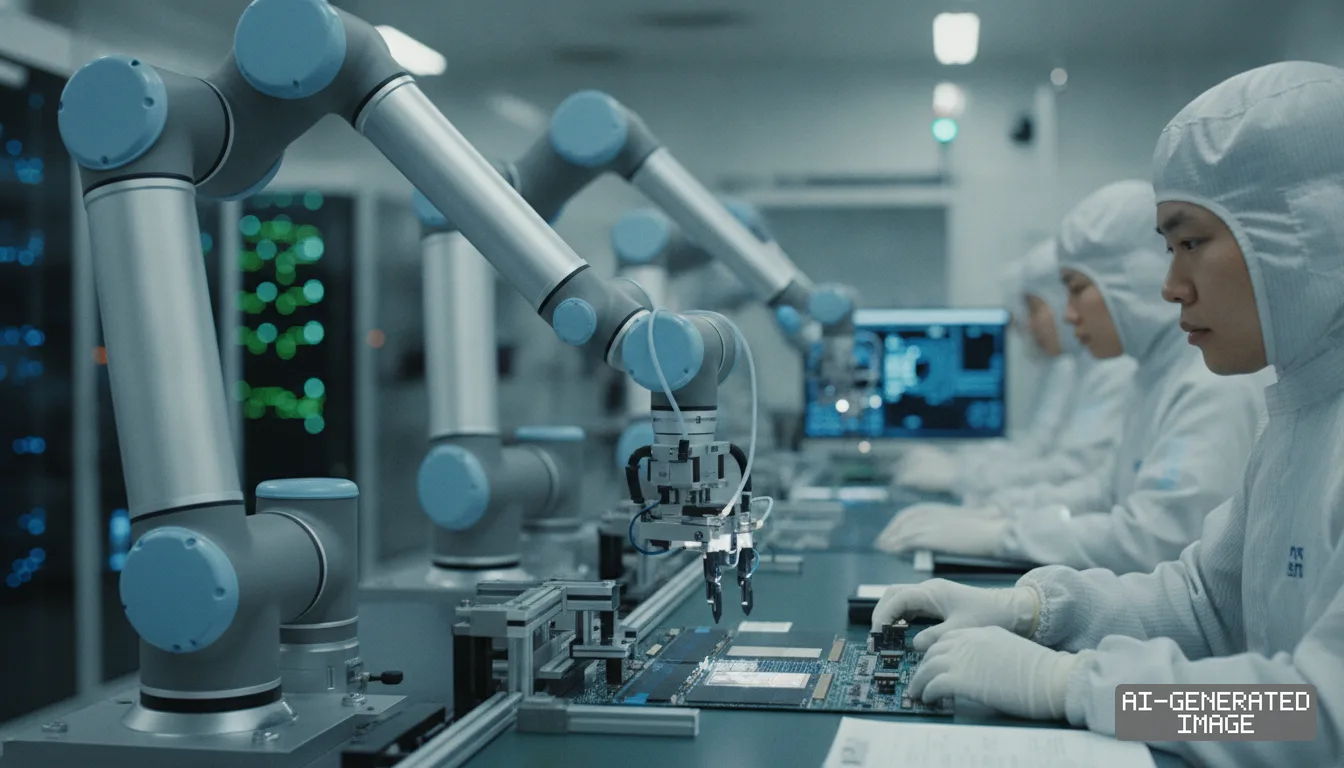
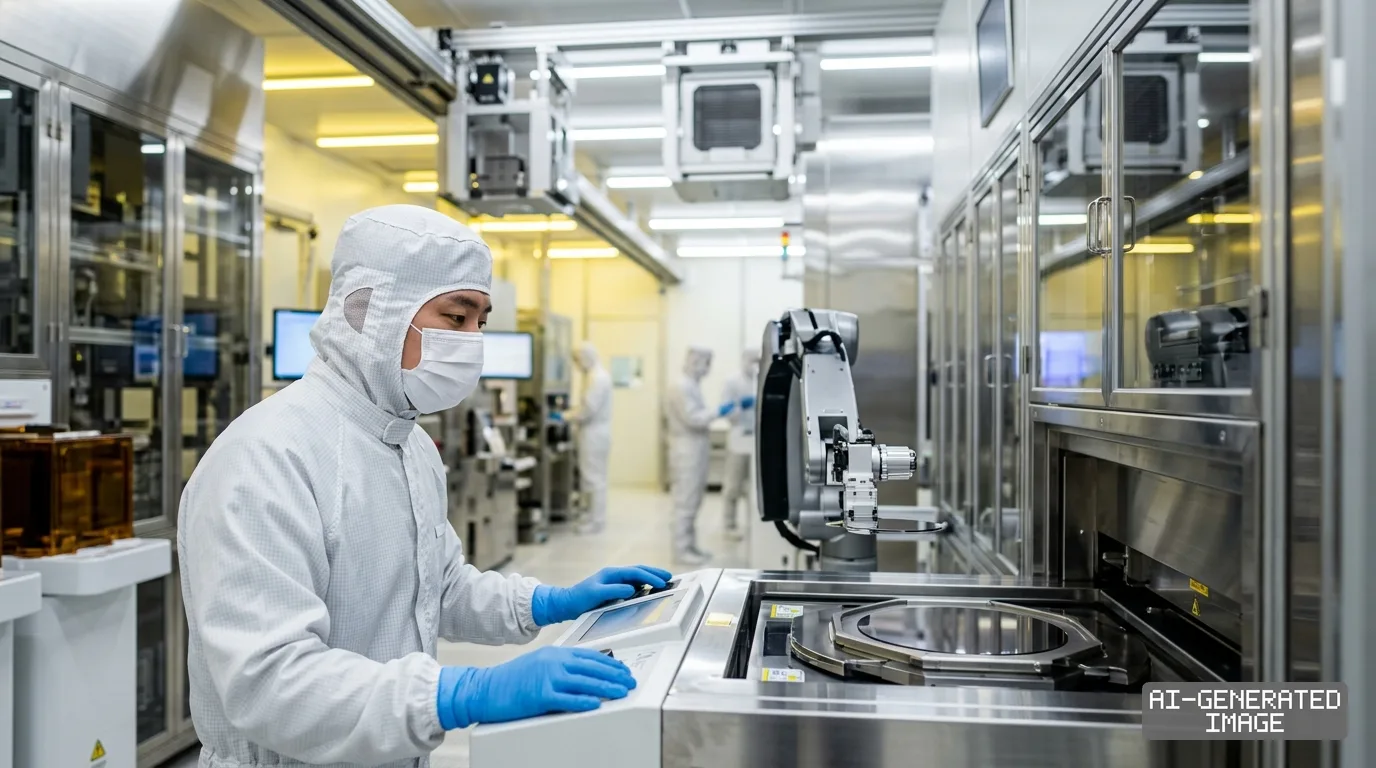
Kawasaki Heavy, which built Japan's first industrial robot in 1969, has not published capital expenditure figures for the humanoid line. The project sits inside its precision robotics unit, which operates across automotive and electronics assembly.
The commercialization push incorporates an artificial intelligence platform developed domestically under the Noetra designation. The architecture processes real-time sensor streams to generate autonomous motion plans without requiring pre-programmed path coordinates from technicians.
To interface with external perception models, Kawasaki engineered an open real-time control protocol known as the KRNX programming interface. The software links robot controllers directly to robot operating system environments and vision transformers.
The 2030 deadline reaffirms a timeline first disclosed in the company's third-quarter earnings presentation on Feb. 9, 2026. That regulatory disclosure slated initial commercial deployment for controlled factory work and elder care.
The corporate roadmap separates the humanoid deployment into three operational phases spanning three decades. Basic material handling arrives by 2030, followed by complex mechanical assembly by 2040 and autonomous disaster relief operations by 2050.
Hardware testing has expanded through international research partnerships established earlier this year. Kawasaki Heavy opened its Physical AI Center in San Jose on May 21, 2026, to bridge industrial mechanics with generative software architectures.
The San Jose center coordinates engineering collaboration with Nvidia, Microsoft, Analog Devices and Fujitsu. These technology partners supply edge processors, simulation frameworks and industrial foundation models for Kawasaki Heavy's bipedal and wheeled robotic fleet.
Logistics deployment is already underway through an expanded collaboration with California robotics firm Dexterity, finalized on June 23, 2026. That venture integrates Kawasaki's eight-axis RL030N robot arms with Dexterity's autonomous warehouse loading machines.
Dexterity operates these dual-arm systems for truck trailer loading and parcel handling. The deployment targets high-throughput logistics hubs, where package handling has historically resisted fixed-arm automation due to shifting carton dimensions and irregular palletizing.
Humanoid adoption addresses acute demographic contraction across Japan's domestic industrial base. Severe working-age population declines have compelled heavy industrial conglomerates to develop physical automation for roles requiring spatial judgment and mobile manipulation.
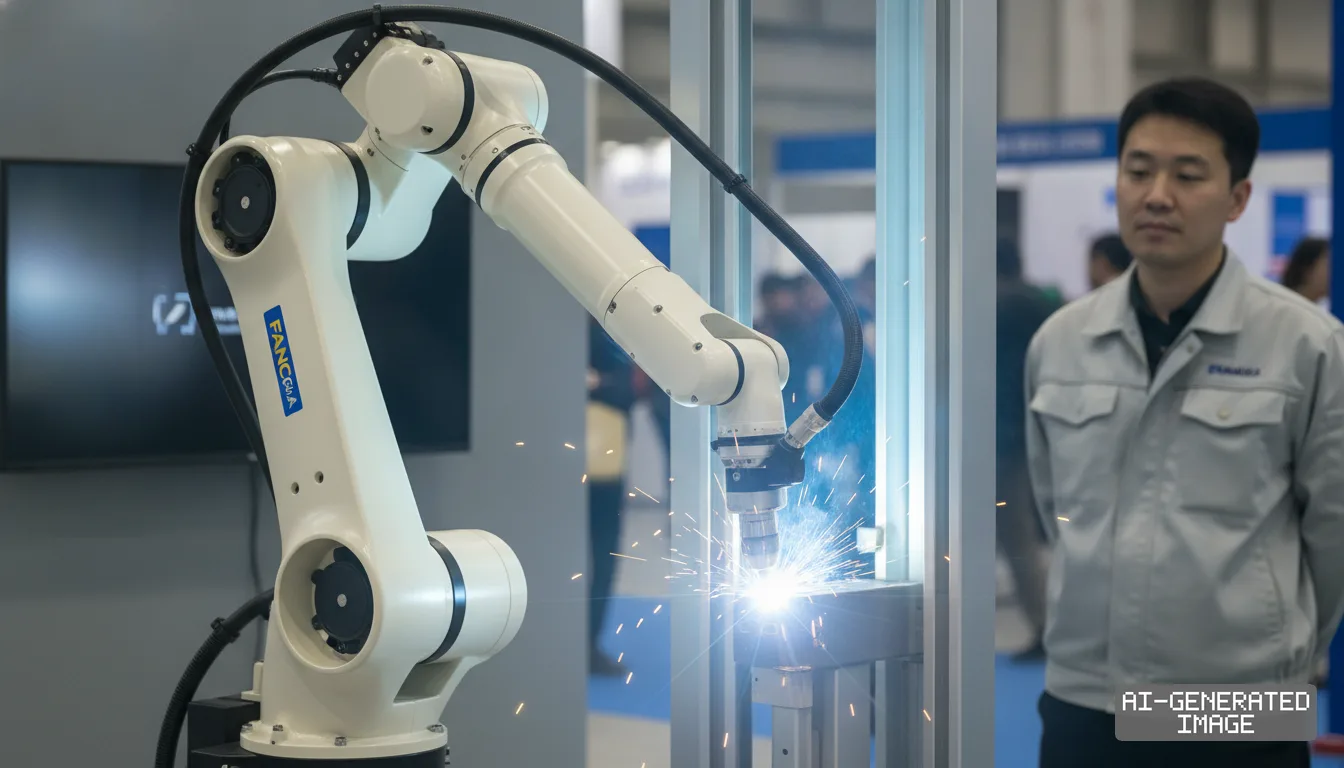
Legacy robot builders Fanuc and Yaskawa Electric maintain focus on high-speed articulated arms and machine tool automation. That leaves Kawasaki Heavy as Japan's primary heavy machinery conglomerate pursuing commercial bipedal humanoids for factory floors.
Specialized component suppliers stand to absorb shifting joint actuator specifications. Precision reducer manufacturer Harmonic Drive Systems produces strain wave gearing for humanoid joints, with robotics applications generating roughly half of its total corporate revenue.
The accelerated schedule counters aggressive commercialization targets set by American and Chinese robotics ventures. United States builders Figure AI and Tesla target commercial shipments to automotive and electronics manufacturing plants between 2025 and 2027.
Chinese state planners have mandated mass production of general-purpose humanoid robots by 2027. Chinese competitors leverage supply chain scale, with humanoid bill-of-materials costs dropping roughly 40% annually toward an estimated $30,000 per unit.
Kawasaki Heavy differentiates its platform through mechanical durability refined across railway, aerospace and heavy plant operations. The Kaleido structure emphasizes impact absorption, allowing the bipedal chassis to recover from falls without structural damage.
Rather than requiring plants to rebuild assembly stations, the humanoid walks on uneven surfaces and wields standard power tools. This design philosophy seeks to eliminate expensive floor retrofits across existing shipyards and vehicle factories.
The company has not published a standalone regulatory filing or confirmed whether the autonomous software stack has achieved unassisted trial runs outside controlled testbeds, leaving field reliability metrics undisclosed.
Kawasaki Heavy reports its second-quarter fiscal 2026 financial results in Tokyo on Nov. 10, 2026. The company plans its first public autonomous site demonstrations ahead of Expo 2030 Riyadh.
Impact map
How this development propagates across the region and out to global buyers.
| Event | Korea | China | Japan | Global impact |
|---|---|---|---|---|
| Autonomous humanoid commercialization target | Doosan Robotics and Rainbow Robotics face accelerated bipedal competition | Unitree and AgiBot face industrial-grade hardware durability benchmark | Harmonic Drive Systems secures long-term demand for precision strain wave gears | Warehouse and automotive logistics supply chains accelerate transition to physical AI |
In this story
- Companies
- Kawasaki Heavy Industries
- Tickers
- 7012.T
- Exposed
- DexterityHarmonic Drive SystemsFanucYaskawa ElectricNvidia
- Policy
- Economic Security
- Impact
- Order BookSupply ChainCapex
Track every Economic Security development →
Related briefings
- IndexBox reports 12% annual growth for dual-arm chip cobots Also on Kawasaki Heavy Industries, Yaskawa Electric
- Mitsubishi Heavy buys Shimonoseki site in $638M yard plan Also on Kawasaki Heavy Industries, Order Book
- Japan Clears $635 Million in Subsidies to Modernize Shipyards by 2035 Also on Kawasaki Heavy Industries, Order Book
- Mitsubishi Heavy Industries refines Mogami frigate design for Oceanian naval tenders Also on Kawasaki Heavy Industries, Order Book
Sources
Reporting
Confidence: medium — how we grade this
The documents behind this briefing are linked above. East Asia Brief produces its English text with AI assistance under human editorial review, and does not translate or republish other outlets' articles. See our methodology and AI policy. Spotted an error? Tell us.
The Morning Brief
What changed in Korean, Chinese and Japanese industry overnight — and what it means for your supply chain. One email, weekday mornings, US time. Free.
The Morning Brief is in preparation. Leave your address and we will write to you once — when the first issue is ready. Nothing before that.