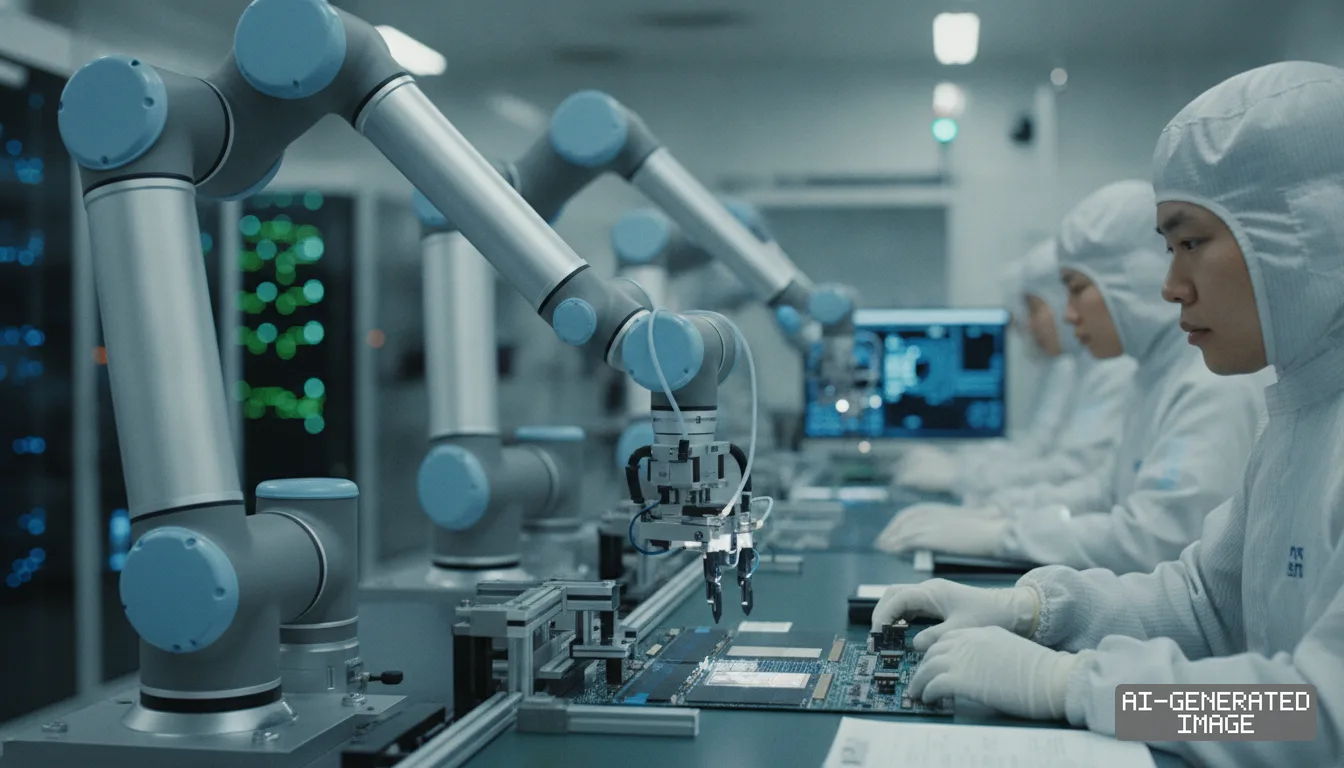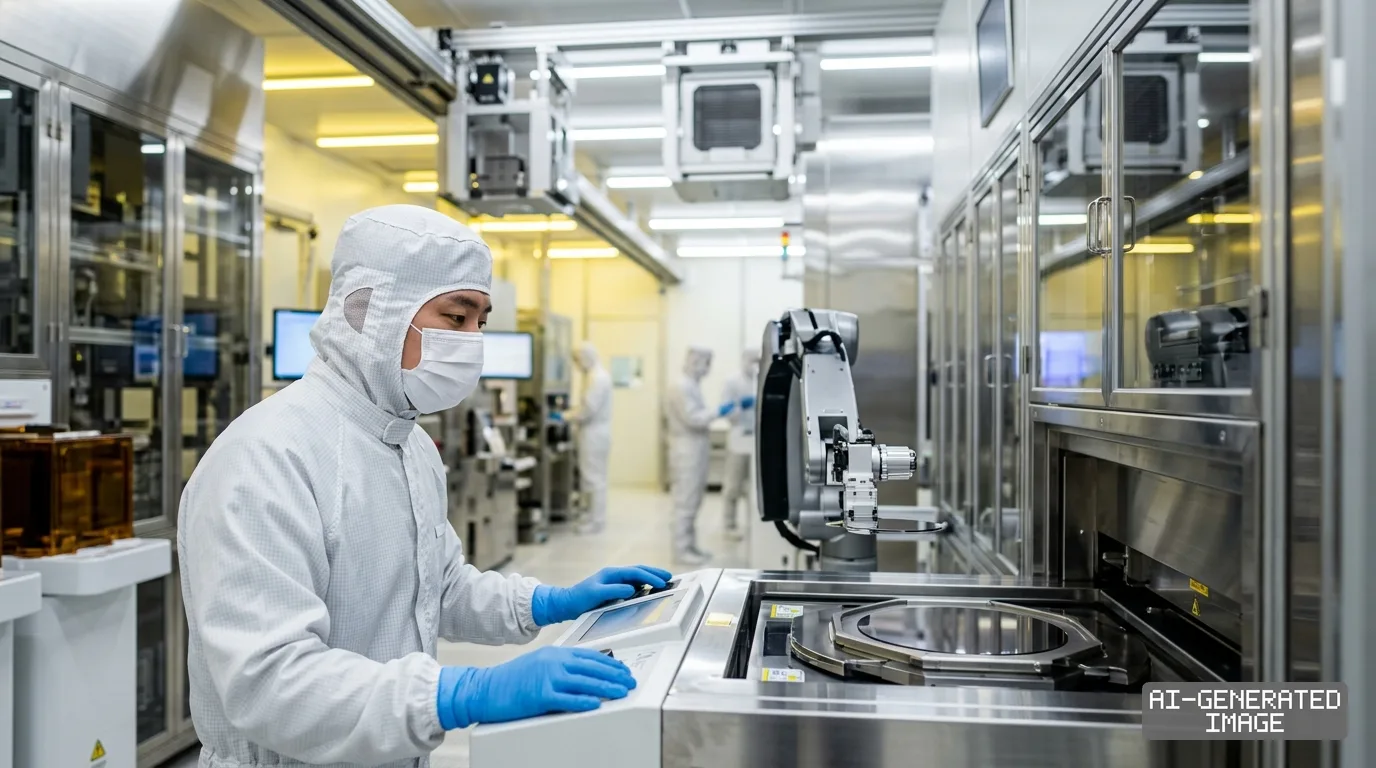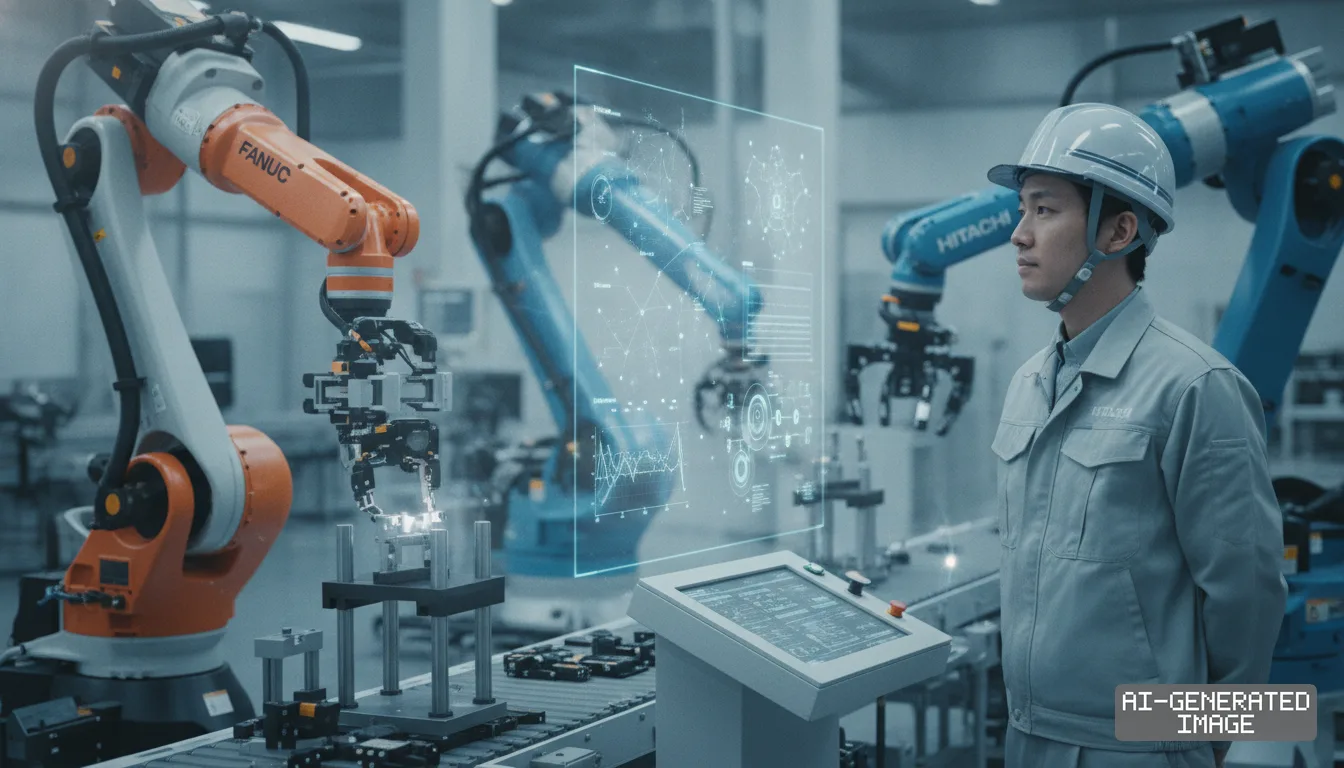
Fanuc previews 11-kg welding cobots for shipyards at Fabtech 2026
The CRX-3iA joins a wave of portable arms entering heavy fabrication, following HD Hyundai Heavy Industries' deployment of 35 robotic systems to navigate confined vessel blocks.
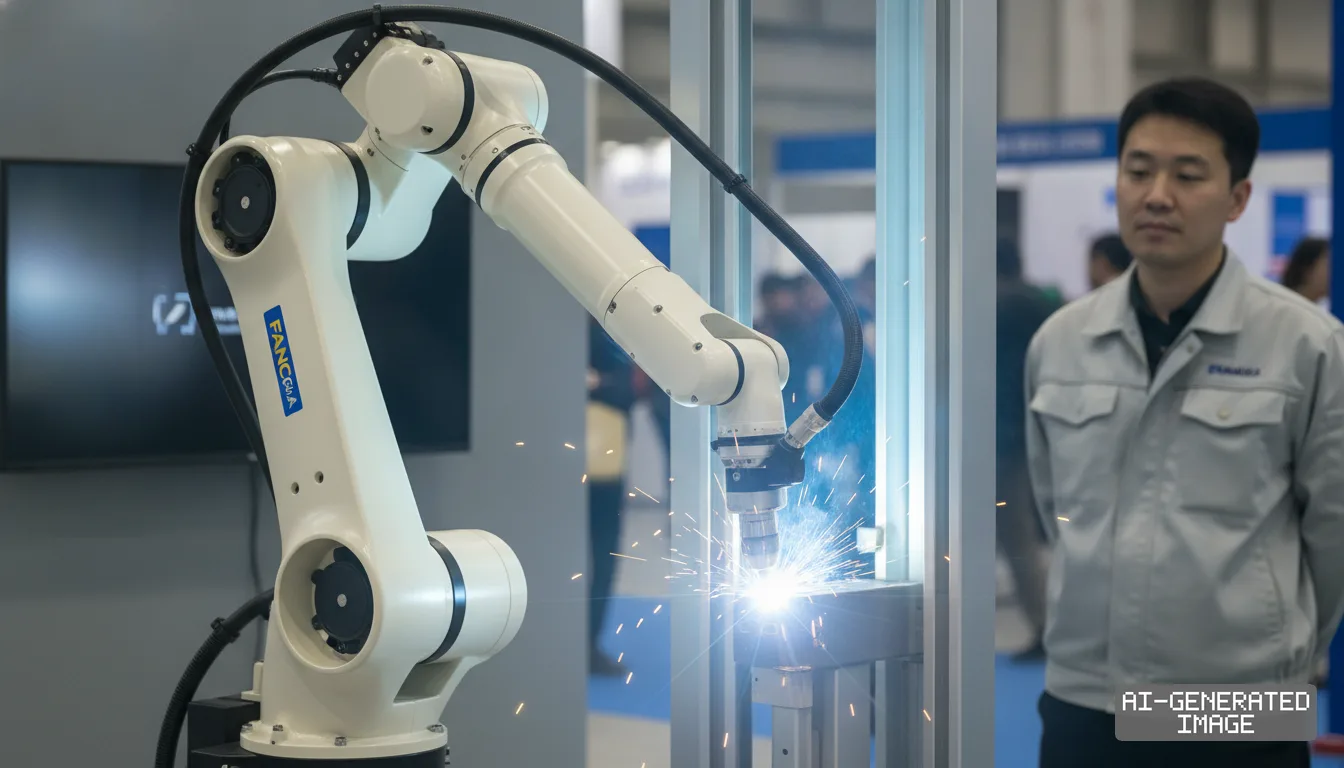
Fanuc America previewed field demonstrations on Oct. 1, 2026 for its ultra-lightweight CRX-3iA collaborative robot, targeting tight welding compartments at the Fabtech 2026 trade show in Las Vegas.
The robotic arm weighs 11 kilograms and handles a three-kilogram payload. That profile marks the lightest collaborative manipulator built by the Japanese robot manufacturer for industrial metal joining.
With a 692-millimeter reach and ±0.02-millimeter repeatability, the unit holds both a welding torch and a seam-tracking sensor. Workers attach the device to heavy plate using a magnetic base.
The system uses sensors to detect its mounting angle automatically after relocation. Integrated wire touch sensing identifies weld seam locations and calculates motion paths, eliminating manual re-teaching on site.
Shipyards and heavy equipment plants face acute shortages of certified welders as older craftspeople retire. Fixed automation lines cannot enter the labyrinth of stiffeners inside ship double hulls.
Carriage welding systems run along rigid tracks and struggle with vertical or overhead seams. An 11-kilogram portable cobot allows a single operator to supervise multiple automated welds across bulkheads.
Fanuc began mass production of the CRX-3iA in January 2026 following development at its headquarters in Yamanashi Prefecture. The company announced the global commercial rollout on April 20.
European sales opened in May 2026, where Fanuc positioned the model for structural steel fabrication. The machine integrates direct wrist buttons, allowing operators to guide weld paths by hand.
The portable unit also supports intralogistics and automated guided vehicles. In fabrication shops, mobile platforms transport the cobots between workbenches to perform repetitive tack welds without human intervention.
East Asian shipbuilders are already deploying comparable portable cobot technology to solve yard labor deficits. South Korean robotics developer Rainbow Robotics has secured commercial shipyard penetration with miniature arms.
HD Hyundai Heavy Industries ordered 35 portable collaborative welding systems for its Medium-Duty Ship Division on Dec. 3, 2025. That purchase package incorporated 30 units of the RB3-730 cobot.
The RB3-730 manipulator weighs 11 kilograms and provides a 730-millimeter operating radius with a three-kilogram payload. The arm uses an S-pipe joint structure to navigate narrow compartments.
Automation specialist JCT developed the portable base fixture for the HD Hyundai contract. The combined setup weighs 14 kilograms, allowing one yard worker to haul the device across ladders.
The Korean shipyard systems use common operating software developed by HD Korea Shipbuilding and Offshore Engineering. The program reads three-dimensional CAD models directly, transferring weld coordinates to the robot controller.
By pulling dimension data directly from design drawings, operators avoid entering measurements manually. Arc sensing and touch tracking maintain bead consistency despite thermal distortion in thick steel plates.
The control software generates multiple weaving profiles automatically, including triangular, ladder and circular motions. These automated oscillation patterns ensure deep root penetration on multi-pass welds without manual seam adjustments.
South Korea's Ministry of Trade, Industry and Energy reinforced the automation shift on Feb. 26, 2026. The ministry published a research tender funding collaborative robotic welding across midtier shipyards.
The government research initiative finances portable operating systems designed specifically for secondary yards. Smaller shipbuilders lack the internal engineering teams required to customize proprietary software for robotic arc welding.
The push into portable welding pits Japanese hardware leaders against Korean integrated solutions. Fanuc relies on its global distribution network, while Korean robot builders work through dedicated shipyard partnerships.
Traditional industrial articulated robots weigh hundreds of kilograms and demand fixed safety enclosures. In contrast, collaborative units operate alongside humans without safety fences, meeting ISO technical specifications for force limitation.
Portable manipulators bypass the overhead cranes required to position conventional robotic gantries. Shipyard crews place the units inside completed blocks where overhead clearance measures less than one meter.
The Fabtech preview notices do not disclose commercial unit pricing for the CRX-3iA package. Fanuc has not published order numbers or customer delivery volumes for heavy industry yards.
The trade notices do not confirm whether South Korean shipyards plan to evaluate the CRX-3iA alongside domestic robotic platforms. Yard procurement managers remain bound to existing integration agreements.
Fanuc America will demonstrate the CRX-3iA welding system in Las Vegas from Oct. 21 to 23, 2026. The demonstration at booth S40006 marks the arm's North American metalworking debut.
Impact map
How this development propagates across the region and out to global buyers.
| Event | Korea | China | Japan | Global impact |
|---|---|---|---|---|
| Portable welding cobot adoption | HD Hyundai deploys 35 portable sets to automate confined hull seams | Yards expand automated gantry track welding but lack ultra-light cobots | Fanuc rolls out 11-kg CRX-3iA targeting global structural steel fabrication | Portable cobots cut shipyard reliance on scarce manual welding crews |
In this story
- Companies
- FanucRainbow Robotics
- Tickers
- 6954.T277810.KS
- Exposed
- HD Hyundai Heavy IndustriesHD Korea Shipbuilding & Offshore EngineeringJCT
- Policy
- SubsidiesEconomic Security
- Impact
- Supply ChainCapexOrder Book
Track every Subsidies development → Track every Economic Security development →
Related briefings
- Bigwave Robotics partners with automation suppliers to scale US physical AI Also on Rainbow Robotics, FANUC, Order Book
- HD Hyundai wins ABS approval for 100MW floating power barge Also on HD Korea Shipbuilding & Offshore Engineering, HD Hyundai Heavy Industries, Order Book
- Asyad Shipping orders two MR product tankers at HD Hyundai Also on HD Korea Shipbuilding & Offshore Engineering, HD Hyundai Heavy Industries, Order Book
- HD Hyundai and Hanwha Ocean Lock In LNG Carrier Berth Slots Through 2029 Also on HD Korea Shipbuilding & Offshore Engineering, HD Hyundai Heavy Industries, Order Book
Sources
Reporting
Confidence: medium — how we grade this
The documents behind this briefing are linked above. East Asia Brief produces its English text with AI assistance under human editorial review, and does not translate or republish other outlets' articles. See our methodology and AI policy. Spotted an error? Tell us.
The Morning Brief
What changed in Korean, Chinese and Japanese industry overnight — and what it means for your supply chain. One email, weekday mornings, US time. Free.
The Morning Brief is in preparation. Leave your address and we will write to you once — when the first issue is ready. Nothing before that.