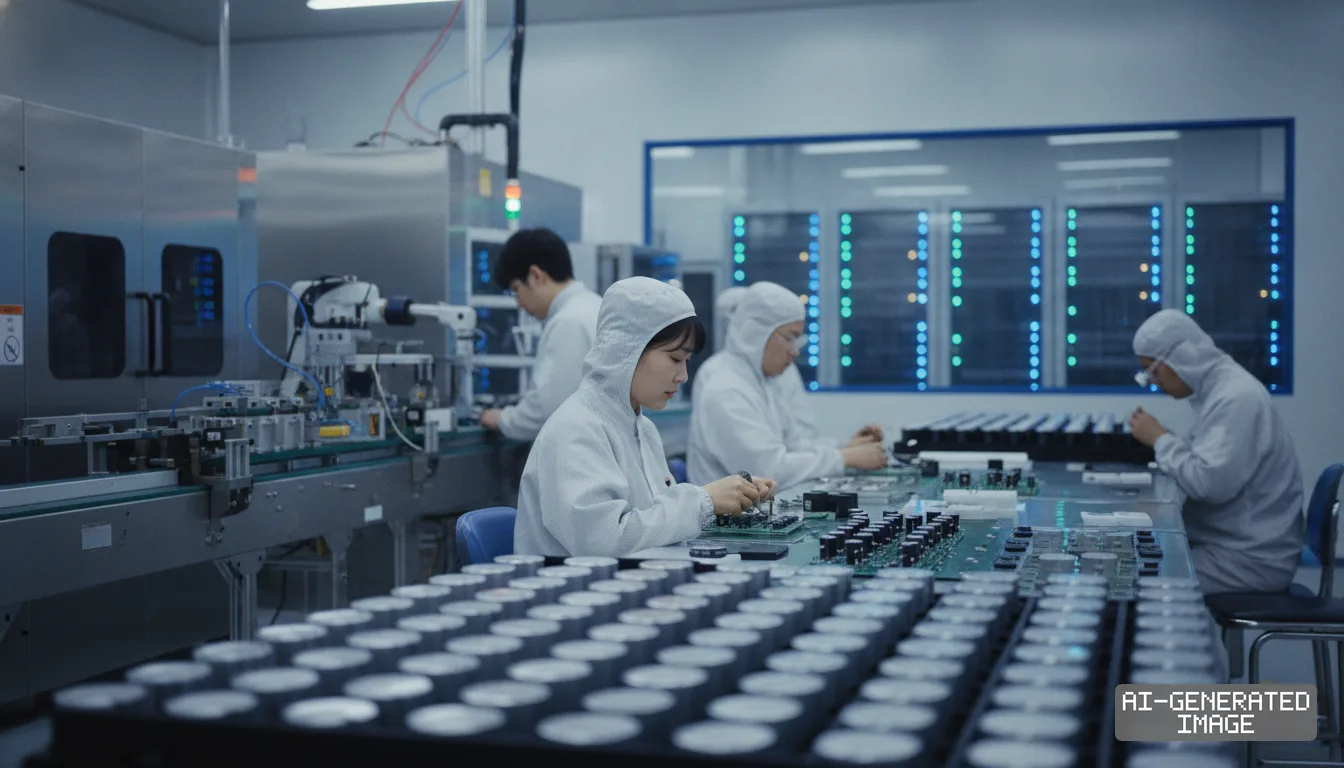
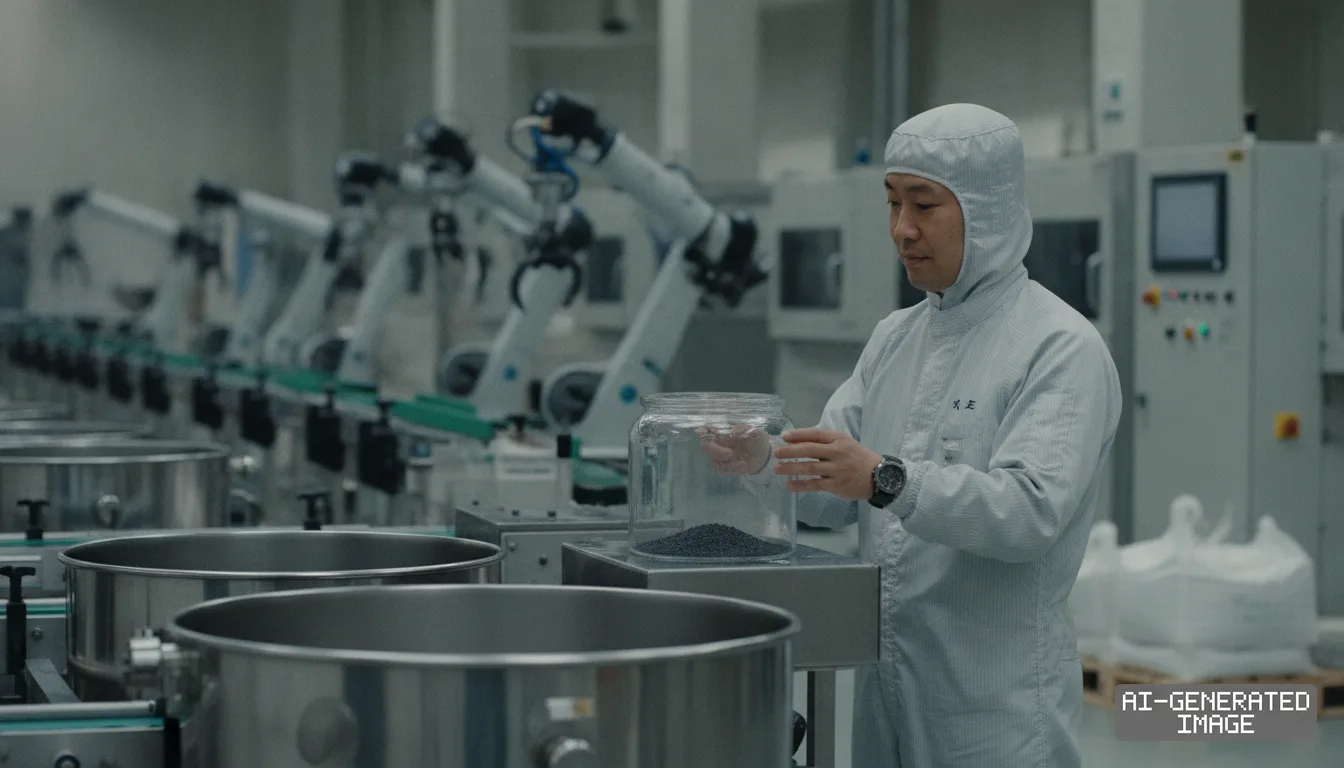
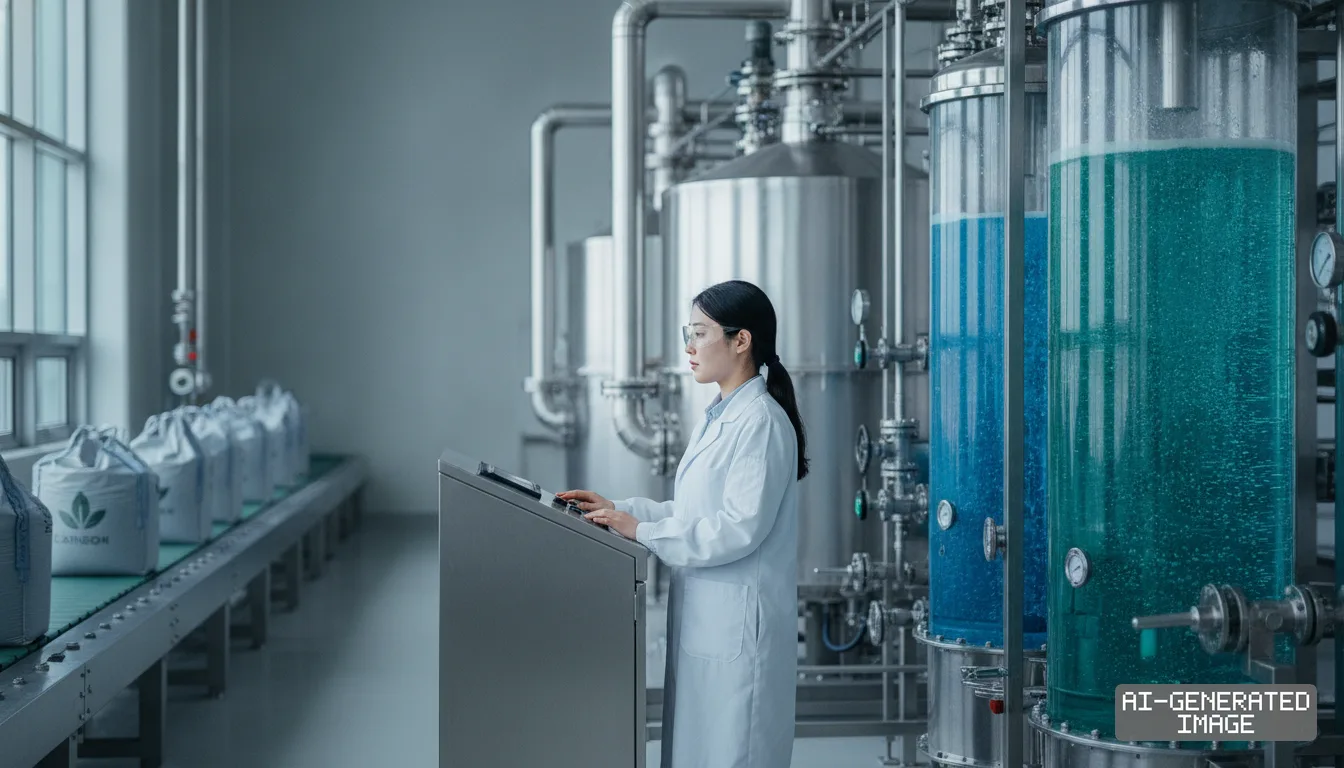
Kawasaki Heavy builds Japan's largest hydrogen liquefier unit
The 50-ton-a-day facility in Kanagawa forms the centerpiece of NEDO's 294 billion yen supply-chain initiative to lower commercial clean fuel costs to 30 yen per cubic meter by 2030.
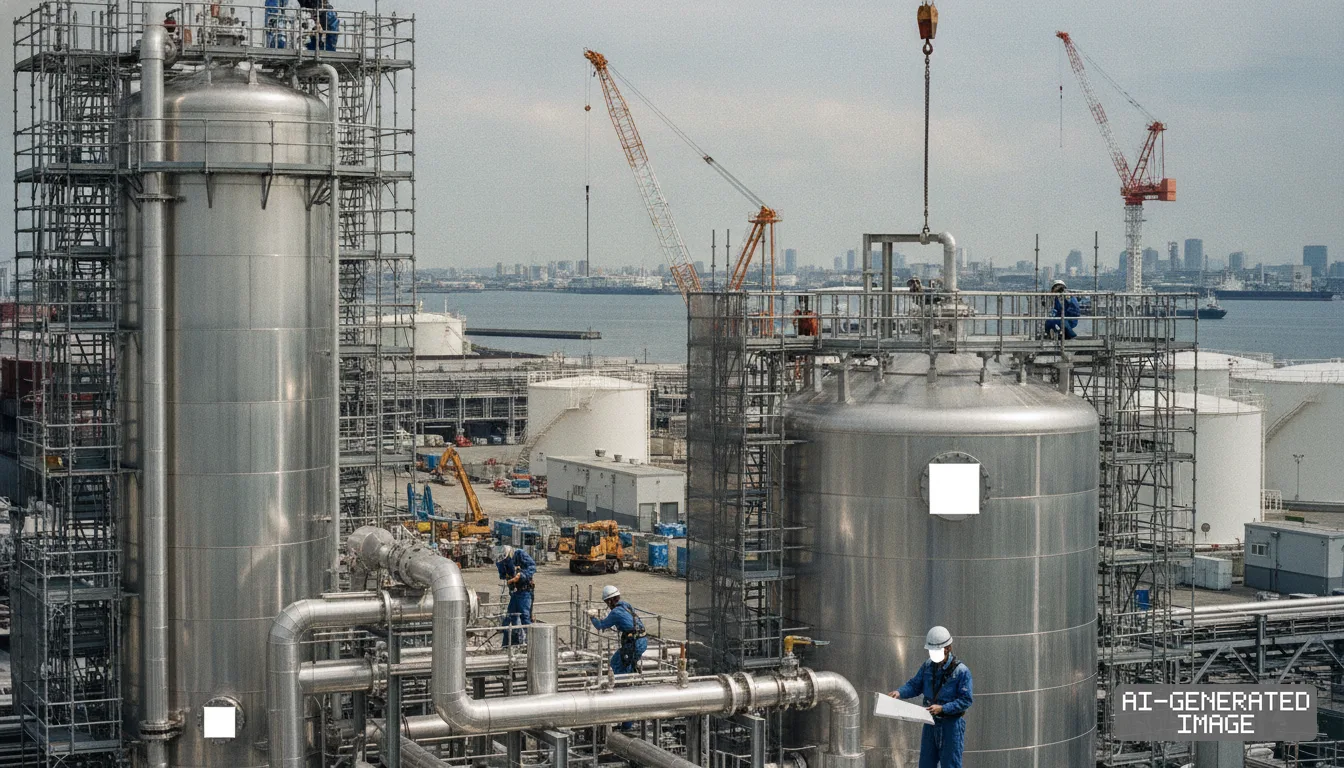
Kawasaki Heavy Industries said Oct. 19 that it had started construction on a 50-metric-ton-per-day hydrogen liquefaction plant in Kanagawa Prefecture, the largest commercial clean-fuel liquefaction facility in Japan.
The facility is situated at the Kawasaki LH2 Terminal on Ogishima in Kawasaki City. Its planned daily throughput triples the nation's previous maximum published domestic capacity of 15 metric tons.
Cryogenic liquefaction chills hydrogen gas to minus 253 degrees Celsius. The extreme refrigeration compresses gaseous volume by approximately 800 times, converting fuel into a dense fluid suitable for mass storage and long-distance maritime transport.
Japan Suiso Energy serves as terminal developer and project lead. The operating consortium coordinates terminal construction, downstream product distribution and maritime reception facilities across Tokyo Bay.
Kawasaki Heavy manufactures and installs the proprietary liquefaction machinery. The plant configuration deploys two identical 25-ton-per-day liquefaction trains, allowing industrial operators to alternate operational loads during periodic maintenance shutdowns.
A commercial liquefier relies on series-connected plate-fin heat exchangers, high-speed expansion turbines, vacuum insulation cold boxes and cryogenic valves. Kawasaki Heavy fabricates these critical thermal subassemblies at its domestic machinery plants.
The Japanese government categorizes industrial hydrogen liquefiers as critical strategic technologies within its national green growth framework. Domestic manufacturing shields critical energy supply chains from technological reliance on foreign equipment vendors.
The project operates under the Green Innovation Fund administered by the New Energy and Industrial Technology Development Organization. The state research organization designated the facility as the core processing hub for commercial supply-chain trials.
The overarching supply-chain commercialization program carries an approved budget of 294.2 billion yen ($1.96 billion). Japanese government subsidies provide 223.2 billion yen ($1.49 billion) toward eligible capital spending and operational infrastructure.
Japan's Ministry of Economy, Trade and Industry targets a delivered hydrogen wholesale cost of 30 yen ($0.20) per normal cubic meter by 2030. Long-term ministry roadmaps lower that threshold to 20 yen by 2050.
Expanding daily production capacity to 50 metric tons cuts the specific electrical energy needed to refrigerate each kilogram of hydrogen. Economies of scale at the compressor stage remain mandatory to reach government wholesale price targets.
Project developers originally planned to locate large-scale commercial liquefaction infrastructure in Victoria, Australia. Extended foreign environmental permitting schedules and rising overseas labor overhead forced the consortium to onshore key processing trials to Japan.
Anchoring initial liquefaction equipment in Kanagawa removes currency exposure and stabilizes capital deployment timelines. The domestic installation keeps system integration testing inside the funding window set by government subsidy administrators.
Cryogenic supply chains require specialized quayside infrastructure capable of transferring sub-zero fluids without pressure drops or heat intrusion. Terminal engineers must transfer minus 253-degree liquid between oceangoing vessels and coastal storage spheres.
Kawasaki Heavy and TB Global Technologies completed qualification of a commercial six-inch liquefied hydrogen loading arm Oct. 14. The swivel-joint transfer assembly achieved formal design certification under international ISO 24132 standards.
The certified loading arm compensates for vessel pitch, yaw and tidal shifts during maritime offloading. Vacuum-jacketed interior pipe conduits eliminate fuel boil-off during high-volume transfers between tanker holds and dockside pipelines.
The Kawasaki hub will interface with next-generation liquid hydrogen carriers currently being designed for commercial trade. Japan Suiso Energy plans to deploy 40,000-cubic-meter insulated tankers to link terminal storage directly to overseas supply hubs.
Consortium partners are concurrently building marine propulsion units engineered to burn boiled-off hydrogen directly. Japan Engine Corporation and Kawasaki Heavy verified stable combustion during factory bench tests using a 95% hydrogen marine fuel blend.
The terminal site includes a 50,000-cubic-meter onshore storage tank protected by perlite vacuum insulation. The storage sphere buffers fuel volumes between vessel delivery cycles and steady continuous feed requirements from nearby power utilities.
Civil contractors plan to finish structural construction at the Kawasaki LH2 Terminal by late 2028. Following cryogenic system commissioning and pressure testing, formal commercial supply-chain demonstration runs will begin in 2030.
The company and the ministry have not published the standalone procurement value awarded solely to Kawasaki Heavy for fabricating the 50-ton liquefier units. NEDO accounting reports combine processing hardware costs into aggregate demonstration ledger categories.
Impact map
How this development propagates across the region and out to global buyers.
| Event | Korea | China | Japan | Global impact |
|---|---|---|---|---|
| Commercial LH2 plant groundbreaking | lacks domestic liquefaction above 5 tons daily, relies on imported industrial gas designs | expands inland green alkaline electrolysis, lacks commercial maritime liquefaction hubs | Kawasaki Heavy builds 50 t/d unit at Ogishima, targeting 30 yen per Nm3 cost by 2030 | reduces cryogenic boil-off costs and establishes commercial ISO 24132 vessel transfer standards |
In this story
- Companies
- Kawasaki Heavy IndustriesJapan Suiso Energy
- Tickers
- 7012.T
- Exposed
- TB Global TechnologiesJapan Engine Corporation
- Policy
- SubsidiesStandards
- Impact
- CapexSupply Chain
Track every Subsidies development → Track every Standards development →
Related briefings
- Kawasaki Heavy unveils quadruped AI robot for shipyards in 2026 Also on Kawasaki Heavy Industries, Subsidies
- Mitsubishi Heavy buys Shimonoseki site in $638M yard plan Also on Kawasaki Heavy Industries, Subsidies
- Japan Clears $635 Million in Subsidies to Modernize Shipyards by 2035 Also on Kawasaki Heavy Industries, Subsidies
- Kawasaki Heavy advances 2030 target for AI humanoid robots Also on Kawasaki Heavy Industries
Sources
Primary documents
Reporting
Confidence: high — how we grade this
The documents behind this briefing are linked above. East Asia Brief produces its English text with AI assistance under human editorial review, and does not translate or republish other outlets' articles. See our methodology and AI policy. Spotted an error? Tell us.
The Morning Brief
What changed in Korean, Chinese and Japanese industry overnight — and what it means for your supply chain. One email, weekday mornings, US time. Free.
The Morning Brief is in preparation. Leave your address and we will write to you once — when the first issue is ready. Nothing before that.