Korea and Canada advance critical mineral and battery pacts
Bilateral mineral coordination targets year-end stockpiling rules, giving Korean battery producers compliant North American processing channels.
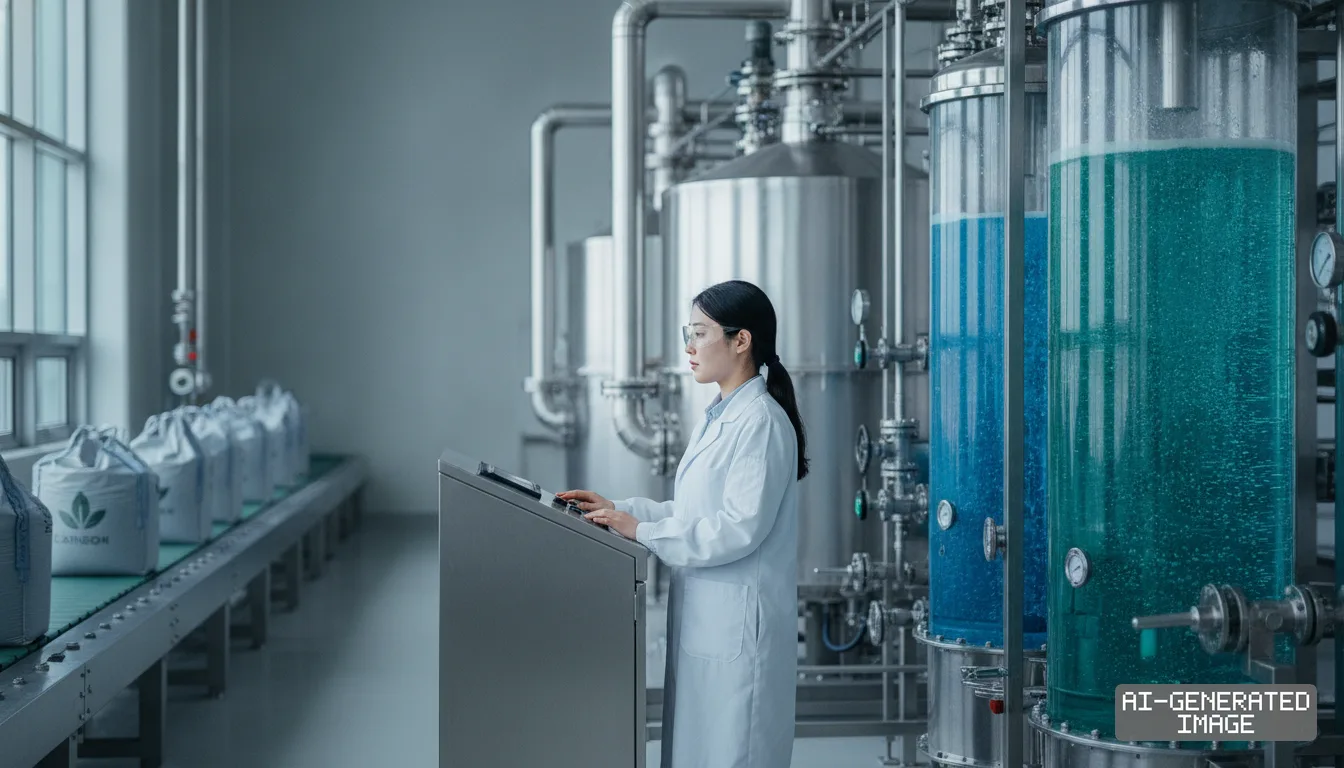
South Korea's industry ministry moved to operationalize critical mineral refining accords with Canada on Oct. 19, 2026, securing upstream battery material channels under North American local-content rules.
Canada holds an estimated 10% of global graphite reserves and 3% of known lithium deposits, offering alternative feedstock away from Chinese refining dominance.
The bilateral initiative reinforces processing corridors for South Korean cathode manufacturers, whose reliance on imported Chinese precursor salts exceeded 85% in previous customs audits.
Bilateral coordination accelerated following high-level diplomatic discussions between South Korean Foreign Minister Cho Hyun and Canadian Foreign Minister Anita Anand on Oct. 7.
Both ministers agreed to expand commercial cooperation across clean energy, critical minerals and defense ahead of bilateral technology talks, the Ministry of Foreign Affairs said.
The ministerial dialogue built upon joint commitments established on June 2 by Canadian Energy Minister Tim Hodgson and South Korean Presidential Special Envoy Kang Hoon-Sik.
Hodgson and Kang agreed to finalize a joint critical minerals stockpiling framework by year-end 2026, according to a joint release from both resources ministries.
The June agreement also formalized joint research between the Geological Survey of Canada and the Korea Institute of Geoscience and Mineral Resources, the ministries said.
Institutional alignment began expanding on Jan. 29, when Global Affairs Canada announced an automotive and clean mobility memorandum with South Korea's industry ministry.
That memorandum established the Canada-Korea Industrial Cooperation Committee to steer investments into battery materials, precursor synthesis and mineral refining facilities, officials said.
South Korean battery makers are positioning capital directly into Canadian upstream assets to satisfy North American trade rules, industry procurement logs show.
LG Energy Solution committed to off-take contracts covering up to 40% of its regional refined lithium hydroxides from Canadian processing hubs, company filings show.
POSCO Future M secured joint venture agreements in Quebec to source battery-grade synthetic and natural graphite, protecting its 105,000-ton global cathode output from foreign sourcing bans.
SK On structured supply arrangements to feed its 45-gigawatt-hour North American joint-venture cell plants with Canadian nickel and cobalt feedstocks, internal planning documents show.
The Canadian processing pathway allows Korean battery producers to meet strict North American trade thresholds requiring 50% of critical mineral value from free-trade partners.
Non-compliant materials risk tariff penalties and consumer subsidy disqualifications across key export channels, trade compliance managers said.
Canada benefits by capturing higher-margin chemical processing and cathode synthesis within provincial borders rather than exporting unrefined raw ores, Canadian trade representatives said.
Federal and provincial authorities in Canada have offered fast-track environmental review permits for joint refining facilities, Canadian provincial records indicate.
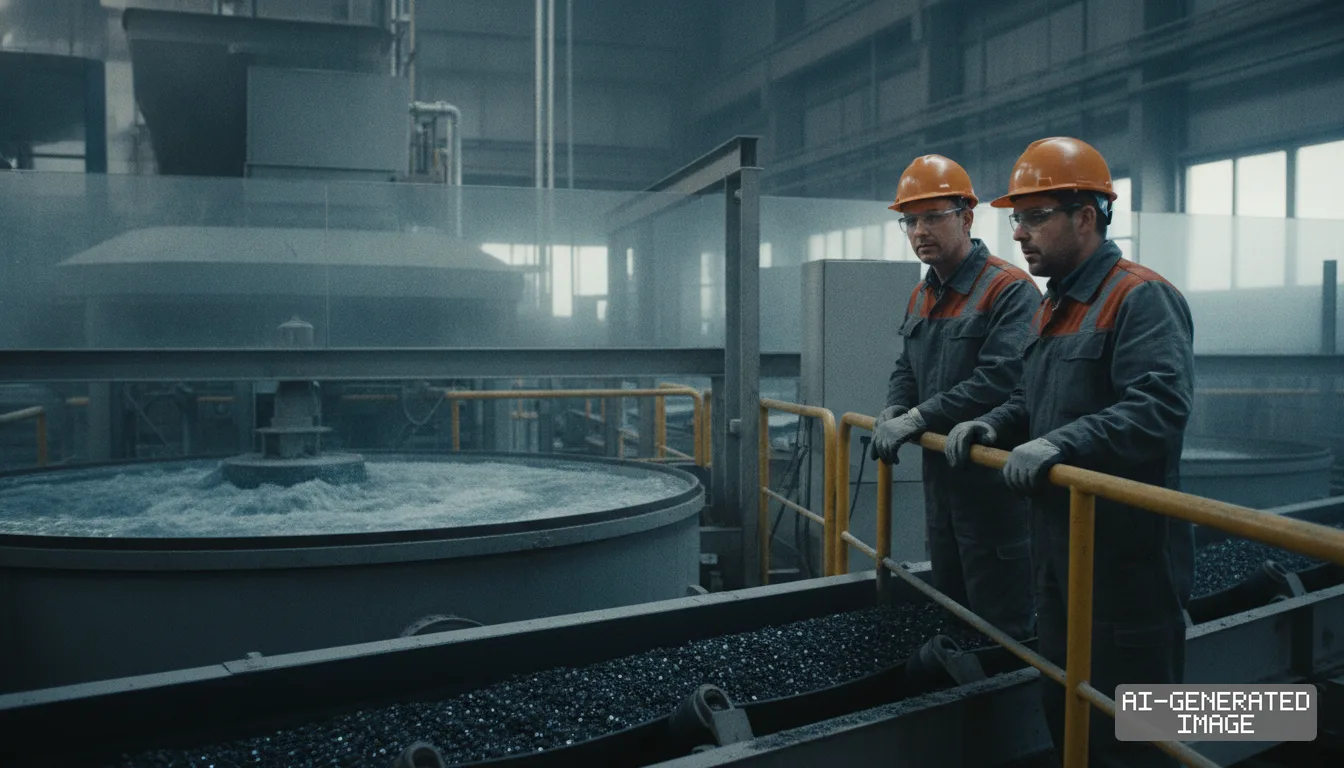
Industrial processing requires hydrometallurgical extraction — chemical leaching that separates battery-grade lithium and nickel from raw concentrate — near mine sites to control logistics overhead.
Refining costs in North America average roughly 20% higher than East Asian benchmarks, making capital subsidies and shared infrastructure essential for commercial survival.
The joint stockpiling plan addresses supply disruptions by pooling national mineral reserves during export curbs or shipping bottlenecks, energy ministry officials said.
Under the framework, both governments will maintain emergency reserves of lithium, cobalt and graphite, drawing from joint warehouses to prevent automotive plant halts.
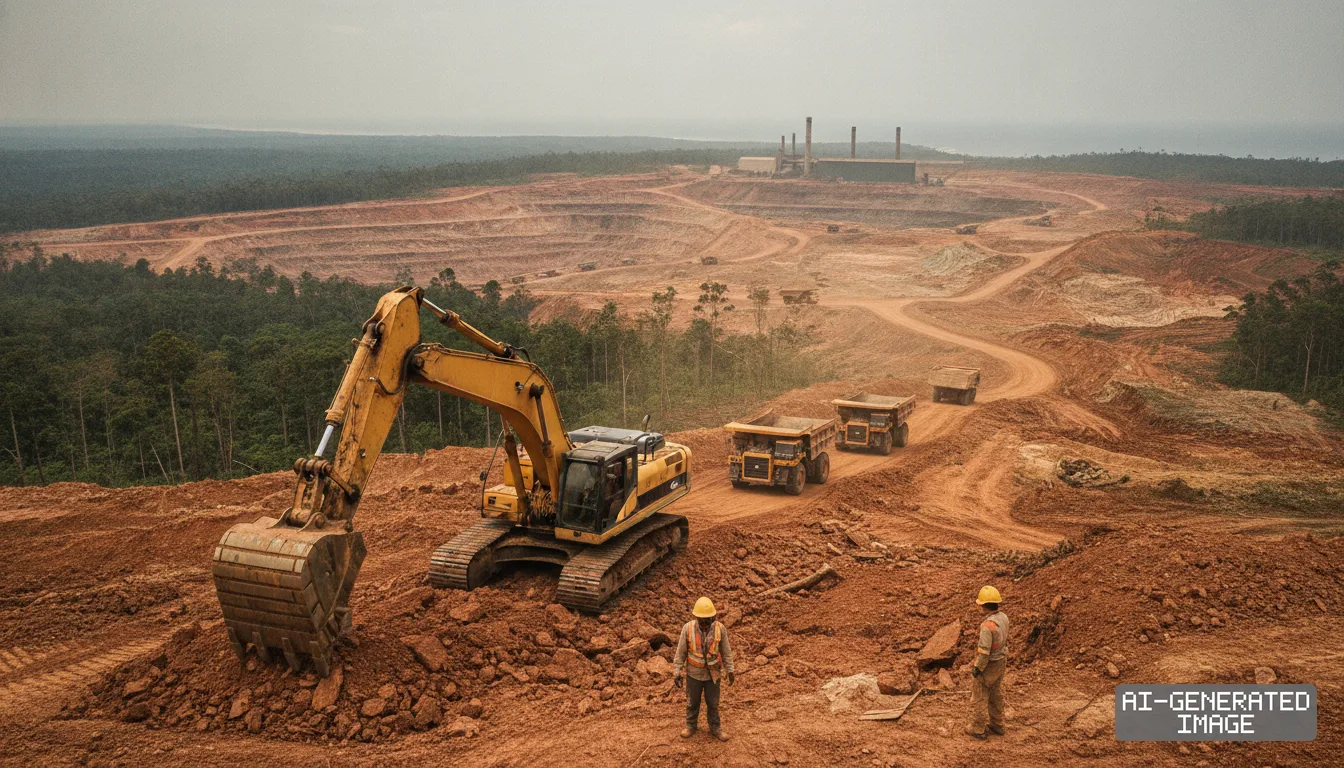
Joint research teams are evaluating extraction techniques for hard-rock spodumene lithium in Ontario and high-purity flake graphite in Quebec, research directors said.
The technical collaboration seeks to lower water consumption and power requirements across commercial refining facilities, the Korea Institute of Geoscience and Mineral Resources said.
Automakers assembling electric vehicles in the United States and Canada face mounting pressure to eliminate foreign entities of concern from battery material supply lines.
The Canada-Korea partnership creates an integrated manufacturing loop where Canadian raw ore is refined locally before Korean factories assemble cells and pack modules.
Trade experts estimate that direct procurement channels through Canada could reduce East Asian processing reliance by 30% over five years, regional trade data suggest.
The foundation for current operational negotiations rests on the critical minerals memorandum signed by both governments on May 17, 2023.
That foundational memorandum was later codified under the Comprehensive Strategic Partnership Action Plan adopted by Ottawa and Seoul in July 2024.
The Canada-Korea Joint Committee on Science, Technology and Innovation will convene in Seoul in Nov. 2026 to review implementation schedules, foreign ministry schedules show.
Resource agencies in both countries face a year-end 2026 operational deadline to deliver the joint critical mineral stockpiling and release mechanisms agreed in June.
The ministries have not published an official treaty text or binding quota volume for Oct. 19, 2026, leaving firm-level allotment figures unconfirmed.
Geological teams from both governments continue pilot surveying under the June bilateral framework across three northern mineral deposits, Canadian mining authorities said.
Impact map
How this development propagates across the region and out to global buyers.
| Event | Korea | China | Japan | Global impact |
|---|---|---|---|---|
| Canada-Korea mineral pact | LG Energy Solution and POSCO Future M secure Canadian refining channels to meet 50% regional content rules | Chinese refiners face reduced export volumes to Korean cathode plants operating in Canada | Japanese cell manufacturers compete for uncommitted Quebec lithium and nickel feedstocks | Battery supply chains accelerate regionalization under bilateral free-trade mining corridors |
In this story
- Companies
- LG Energy SolutionPOSCO Future MSK On
- Tickers
- 037320.KS003670.KS
- Policy
- Local Content RulesProcurement Rules
- Impact
- Supply ChainCompliance
Track every Local Content Rules development → Track every Procurement Rules development →
Related briefings
- Boston Dynamics faces US supply curb on Chinese robot parts Also on Procurement Rules, Compliance
- HD Hyundai Tests Autonomous Drone Ship With Anduril in U.S. Also on Procurement Rules
- Arafura signs 850-ton rare earth deal for Western magnets Also on Procurement Rules
- Hanwha Ocean and HD Hyundai target new submarine export deals Also on Procurement Rules
Sources
Reporting
Confidence: medium — how we grade this
The documents behind this briefing are linked above. East Asia Brief produces its English text with AI assistance under human editorial review, and does not translate or republish other outlets' articles. See our methodology and AI policy. Spotted an error? Tell us.
The Morning Brief
What changed in Korean, Chinese and Japanese industry overnight — and what it means for your supply chain. One email, weekday mornings, US time. Free.
The Morning Brief is in preparation. Leave your address and we will write to you once — when the first issue is ready. Nothing before that.