India bans battery black mass exports under $180M recycling push
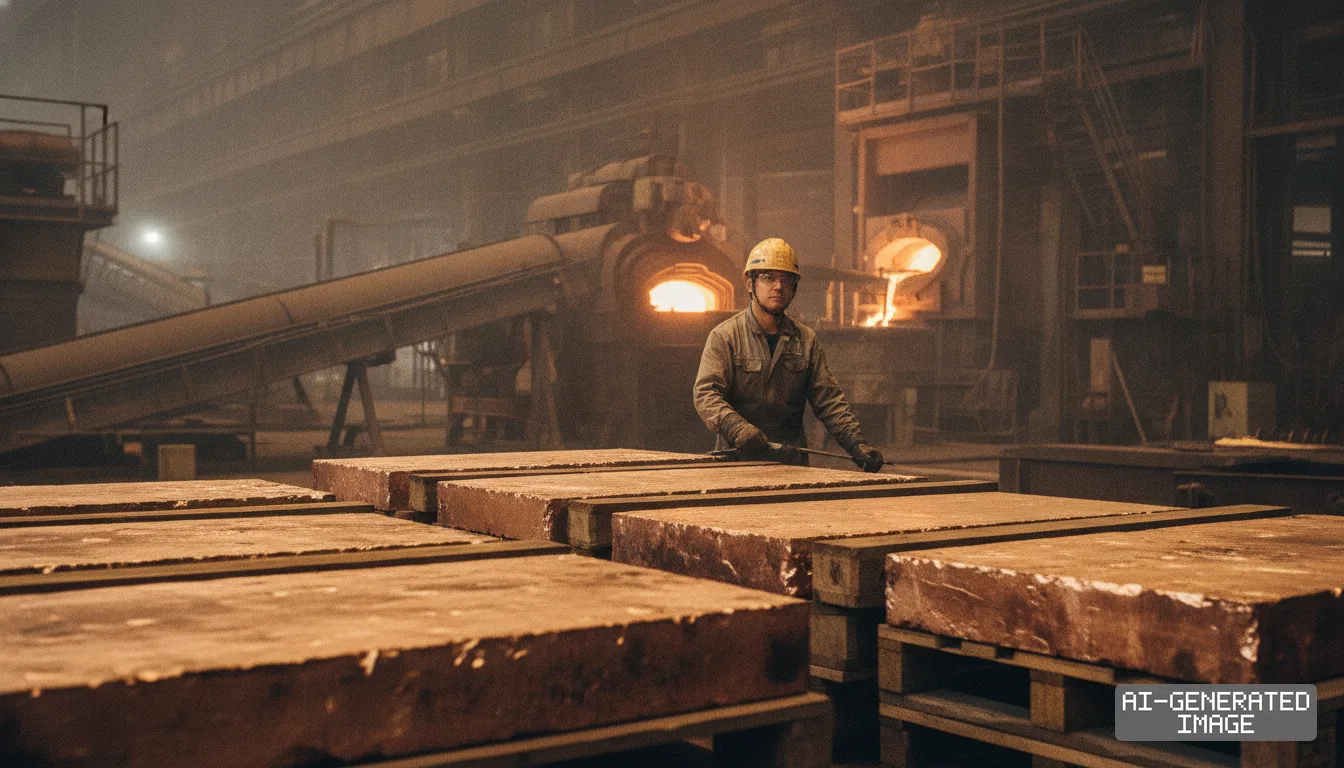
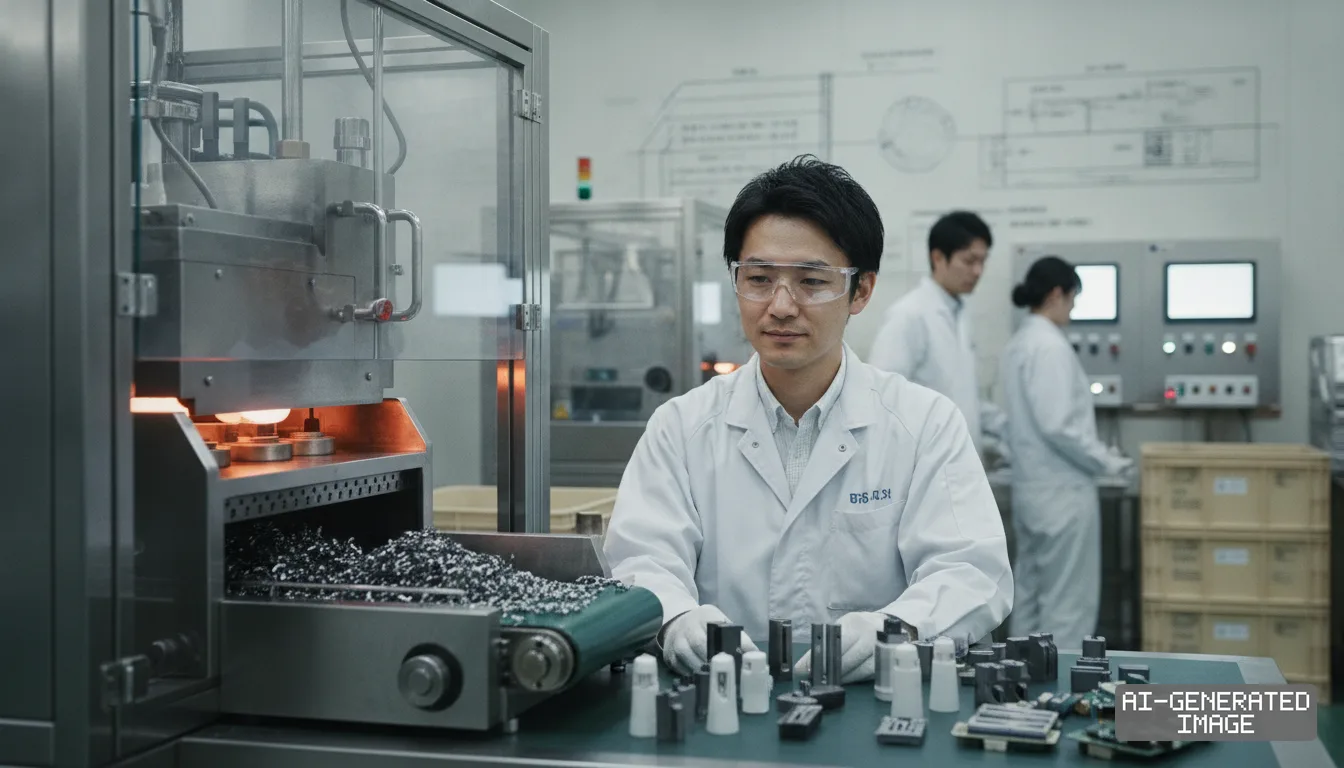
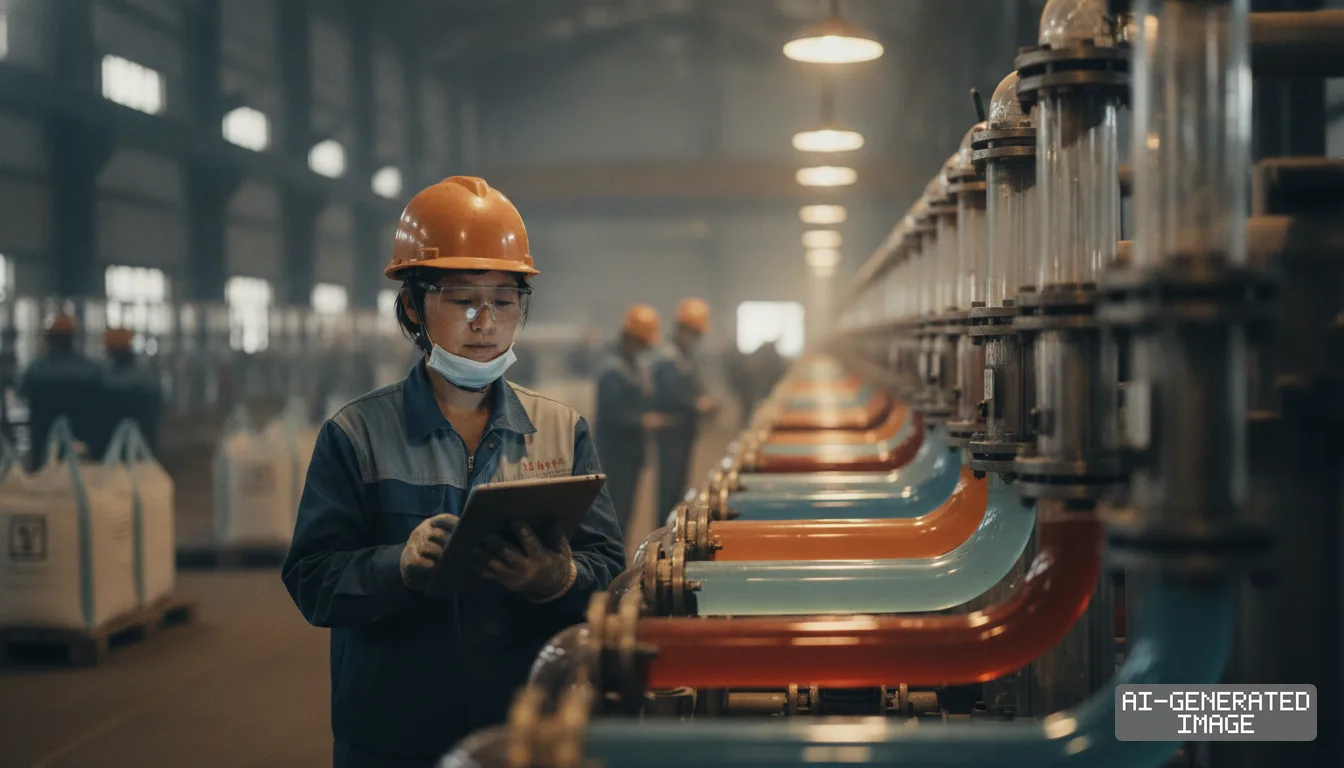
The commerce ministry reclassified lithium battery scrap to prohibited under tariff code 85491400 on Nov. 12 to secure domestic refining feedstock.
India's Directorate General of Foreign Trade enforced an immediate export ban on lithium-ion battery black mass on Nov. 12, barring overseas shipments to secure domestic critical mineral refining feedstock.
The order amends export rules under tariff code 85491400 from free to prohibited, according to Notification No. 49/2026-27 issued by the commerce ministry.
The trade barrier ties directly to a 15 billion rupee ($180 million) government incentive program designed to expand domestic recycling of lithium, nickel and cobalt. India currently relies on foreign suppliers for nearly 100% of its virgin battery metals.
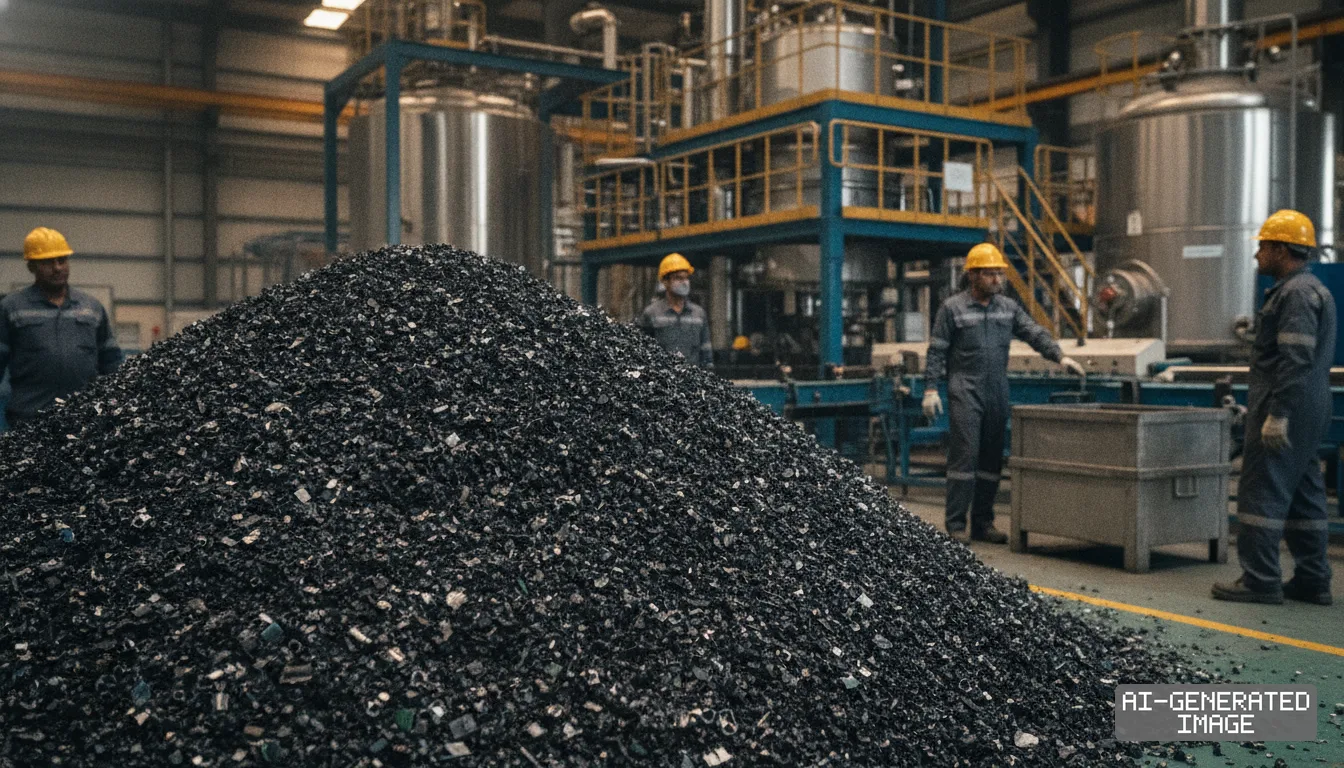
Black mass — the metal-rich powder produced after shredding spent batteries and factory scrap — serves as the primary raw feed for secondary hydrometallurgical refining.
Indian officials took action after domestic processing plants reported severe raw material deficits. Local refiners operated at depressed run rates while intermediate scrap flowed out of Indian ports to overseas processing hubs.
The Commerce Ministry said the restriction will ensure domestic secondary resources remain within territorial borders to supply domestic processing assets.
Domestic capacity for shredding end-of-life battery packs has outpaced hydrometallurgical extraction units capable of converting black mass back into battery-grade chemicals.
Merchant shredders previously exported the powder to merchant refiners across East Asia to capture prompt foreign-exchange cash settlements. That trade drained domestic recycling inputs and forced advanced domestic chemical refiners to import scrap feedstock at elevated sea-freight costs.
The policy intervention alters operating economics for Indian recycling pioneers such as Lohum Cleantech and Attero Recycling. Both operators have deployed capital to scale integrated refining lines that recover lithium carbonate and nickel sulfate.
Attero Recycling operates mechanical separation and hydrometallurgical processing assets in Roorkee and has committed capital toward expanding processing throughput toward 144,000 metric tons of battery scrap.
Lohum Cleantech has built domestic recycling and cathode precursor manufacturing capacity across northern India, operating plants that depend on steady access to domestic battery scrap collections.
The export prohibition shields these capital-intensive domestic processing units from raw material competition against overseas refiners.
Regional trade data indicates Chinese and Southeast Asian hydrometallurgical processors have historically absorbed unsorted black mass volumes originating from South Asia.
China processes over 75% of global battery scrap. Large-scale cathode recyclers in Zhejiang and Hunan provinces have actively bought overseas scrap to supplement internal factory rejects.
The Indian ban shuts off this secondary mineral pipeline, forcing foreign buyers to rebalance scrap sourcing books across the Middle East and Southeast Asia.
South Korean hydrometallurgical refiners have also scoured international scrap markets for unrefined feedstocks. Battery recyclers in Gunsan and Pohang have increasingly procured imported black mass to feed operational extraction units.
Trade compliance rules under India’s Foreign Trade Policy 2023 allow limited transitional relief, according to the directorate general.
Para 1.05 of the trade framework permits shipments under contracts backed by irrevocable letters of credit established before the notification date. All other export bookings stand canceled with immediate effect.
The Ministry of Commerce and Industry said the measure will improve domestic industrial capacity utilization and generate technical employment across domestic chemical clusters.
The ministry has not published historical export volumes under tariff code 85491400, and customs notices do not disclose private company-level overseas quotas.
The restriction remains in force until further government orders, while commerce officials monitor port clearances under the revised classification schedule.
Impact map
How this development propagates across the region and out to global buyers.
| Event | Korea | China | Japan | Global impact |
|---|---|---|---|---|
| Battery black mass export ban | Recyclers face tighter external scrap supplies, losing direct Indian trade lines | Coastal hydrometallurgical processors lose South Asian feedstock access | Secondary refiners rebalance import books toward Southeast Asian shredders | Secondary battery metal trade fragments as emerging markets retain scrap |
| Battery black mass export ban | Recyclers face tighter external scrap supplies, losing direct Indian trade lines | Coastal hydrometallurgical processors lose South Asian feedstock access | Secondary refiners rebalance import books toward Southeast Asian shredders | Secondary battery metal trade fragments as emerging markets retain scrap |
In this story
- Companies
- Attero RecyclingLohum Cleantech
- Policy
- Export ControlsSubsidies
- Impact
- Supply ChainComplianceCost Structure
Track every Export Controls development → Track every Subsidies development →
Related briefings
- Bruegel says EU-China trade deal fails to resolve subsidies in 2026 Also on Export Controls, Compliance, Subsidies
- Tanzania nears graphite pacts as battery makers bypass China Also on Export Controls, Compliance, Subsidies
- China yttrium export curbs squeeze Western chip toolmakers Also on Export Controls, Compliance, Subsidies
- Japan urges China to expedite rare earth export approvals Also on Export Controls, Compliance, Subsidies
Sources
Reporting
Confidence: medium — how we grade this
The documents behind this briefing are linked above. East Asia Brief produces its English text with AI assistance under human editorial review, and does not translate or republish other outlets' articles. See our methodology and AI policy. Spotted an error? Tell us.
The Morning Brief
What changed in Korean, Chinese and Japanese industry overnight — and what it means for your supply chain. One email, weekday mornings, US time. Free.
The Morning Brief is in preparation. Leave your address and we will write to you once — when the first issue is ready. Nothing before that.