Bruegel says EU-China trade deal fails to resolve subsidies in 2026
Bilateral quotas on hybrid cars cover only €15 billion of commerce, leaving China's state-backed machinery, chemical and battery exports untouched across the single market.
Think tank Bruegel said Oct. 17 that the European Union’s latest trade framework with China leaves state industrial subsidies and Europe’s €360 billion bilateral deficit intact despite newly negotiated auto quotas.
The assessment follows consultations held Oct. 8 and Oct. 9 in Beijing between European Union Trade Commissioner Maroš Šefčovič and Chinese officials. Both sides agreed on three shared understandings to stabilize trade frictions.
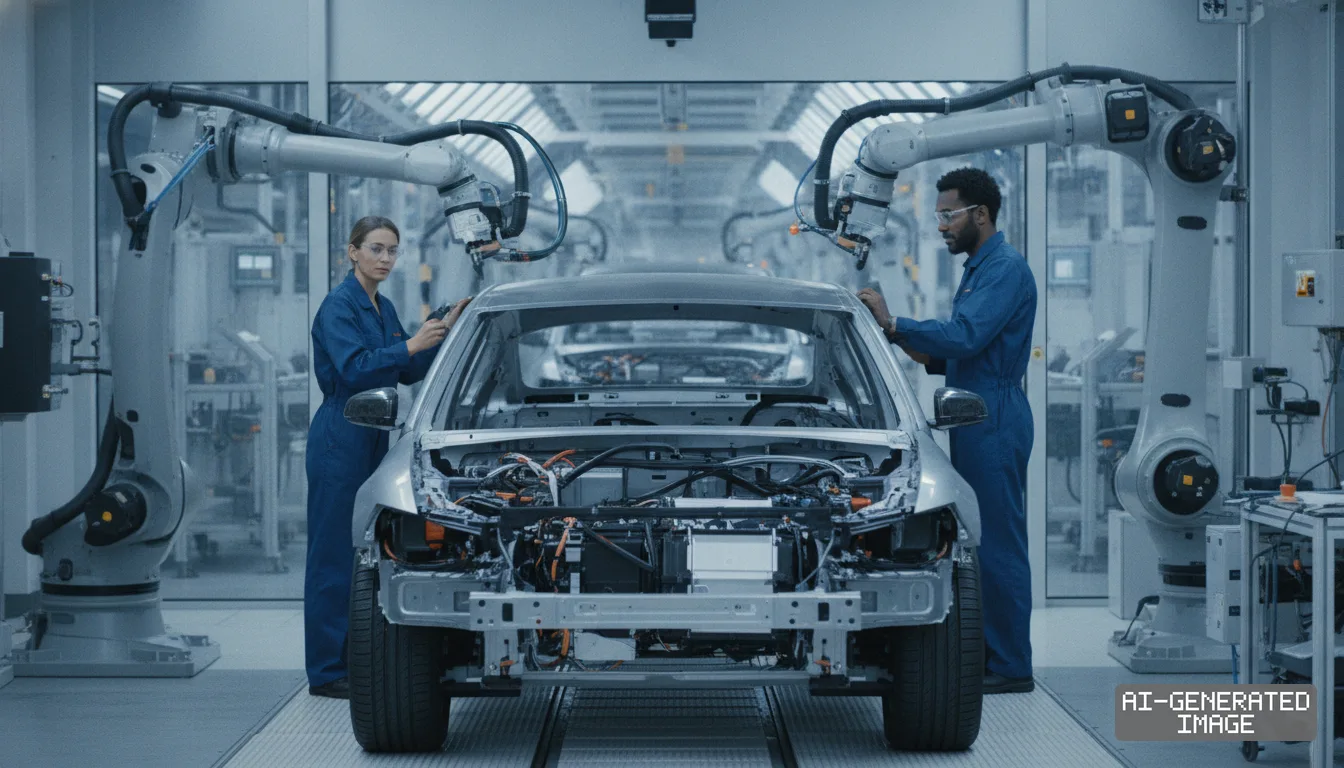
Brussels secured a Chinese commitment to cut exports of hybrid and plug-in hybrid electric vehicles to the bloc by about 50% over four years. The restriction aims to shield European automakers from expanding low-cost shipments.
Chinese automotive shipments to the bloc represent about €15 billion ($16.3 billion) annually. That volume accounts for roughly 4% of Europe’s €360 billion bilateral merchandise trade deficit with China, the study noted.
The modest import curb leaves the core drivers of Europe’s trade imbalance untouched, wrote Alicia García-Herrero, senior fellow at Bruegel. Most of the deficit stems from heavy industrial categories rather than finished passenger cars.
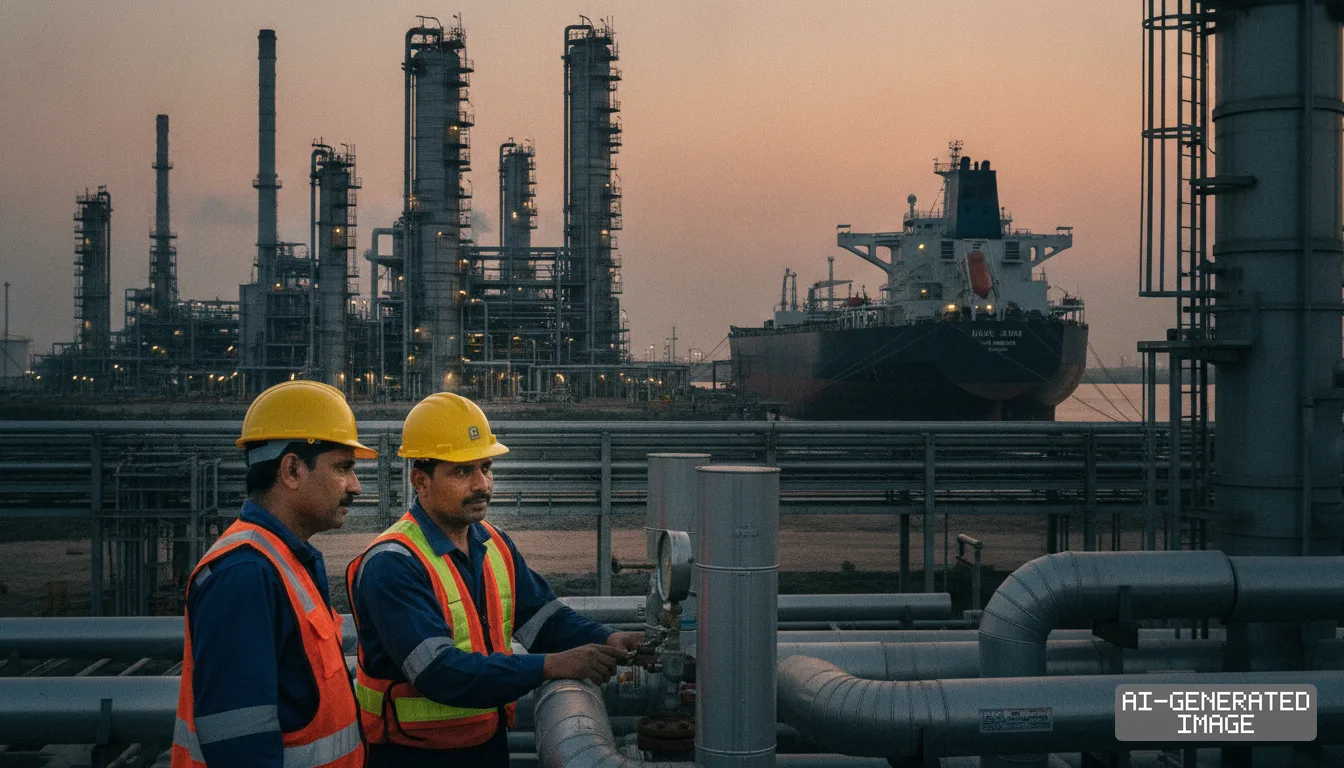
Chinese exports of machinery, chemicals, basic metals, solar modules, lithium-ion batteries and information technology hardware continue to expand into the single market. These sectors receive direct capital injections and state energy subsidies in China.
China also agreed to lower import tariffs on European automotive components, olive oil and footwear. The duty reductions will save European exporters an estimated €225 million ($244 million) each year.
Those tariff savings represent less than 0.1% of the overall bilateral shortfall, García-Herrero said. European manufacturers gain minimal commercial relief while Chinese factory overcapacity persists across critical heavy industries.
Beijing also offered a green channel to accelerate export licenses for rare earths and permanent magnets. European automakers and wind turbine manufacturers depend on Chinese processing facilities for more than 90% of their refined permanent magnets.
Relying on administrative discretion does not guarantee mineral access, the think tank warned. Beijing retains full statutory authority over licensing volumes and can suspend critical mineral shipments during future political disputes.
European automakers face persistent cost disadvantages under the framework. Subsidized Chinese upstream cell suppliers continue to supply domestic carmakers at battery cell pack costs roughly 30% below European production averages.
The agreed framework simultaneously weakens European Union regulatory leverage, the report said. Beijing used the consultations to demand technical discussions regarding the European Union Foreign Subsidies Regulation, known as Regulation EU 2022/2560.
Chinese negotiators also pressured European officials to ease dual-use export controls affecting ASML advanced lithography tools. ASML builds critical semiconductor lithography equipment in the Netherlands and complies with multilateral export licensing controls.
Beijing also demanded that European regulators halt planned cybersecurity compliance reviews on Chinese-manufactured solar inverters. Those systems manage electricity grid integration across several European power transmission networks.
The bilateral understandings defer hard structural choices, García-Herrero wrote. Brussels avoided immediate Chinese retaliation against European brandy, pork and high-displacement vehicles but traded away long-term enforcement momentum.
European Union member state delegates and Chinese commerce officials plan to convene technical working sessions before Dec. 15 to establish monitoring benchmarks for hybrid car export shipments.
The European Commission has not published the complete legal text of the agreement or the operational rules governing hybrid quota allocations and the rare earth green channel.
Impact map
How this development propagates across the region and out to global buyers.
| Event | Korea | China | Japan | Global impact |
|---|---|---|---|---|
| EU-China trade understanding | Hyundai Motor and domestic battery suppliers face uncurbed Chinese industrial battery and chemical competition in Europe | Exporters secure technical talks on EU Foreign Subsidies Regulation while accepting a four-year cap on hybrid cars | Toyota and Japanese parts makers face continuing price pressures as basic Chinese industrial subsidies remain intact | Trade friction shifts toward machinery, rare earths and export licensing rather than broad multilateral resolution |
In this story
- Companies
- ASML
- Tickers
- ASML.AS
- Policy
- SubsidiesExport Controls
- Impact
- Supply ChainComplianceCost Structure
Track every Subsidies development → Track every Export Controls development →
Related briefings
- White House keeps chip export controls after Xi-Trump summit Also on ASML, Export Controls, Compliance
- CXMT beats SK hynix and Micron in DRAM margin at 87.59% gross rate Also on ASML, Export Controls, Subsidies
- ASML reviews 2028 EUV tool expansion as Q3 sales hit €11.7B Also on ASML, Export Controls
- ASML expands Japan workforce to 700 to support Rapidus 2nm and TSMC fabs Also on ASML, Cost Structure, Subsidies
Sources
Reporting
Confidence: medium — how we grade this
The documents behind this briefing are linked above. East Asia Brief produces its English text with AI assistance under human editorial review, and does not translate or republish other outlets' articles. See our methodology and AI policy. Spotted an error? Tell us.
The Morning Brief
What changed in Korean, Chinese and Japanese industry overnight — and what it means for your supply chain. One email, weekday mornings, US time. Free.
The Morning Brief is in preparation. Leave your address and we will write to you once — when the first issue is ready. Nothing before that.