HD Hyundai Electric holds top US transformer market share at $8.5B
South Korean power equipment supplier retains its leading position in North America as AI data center grid bottlenecks push its order backlog to $8.5 billion.
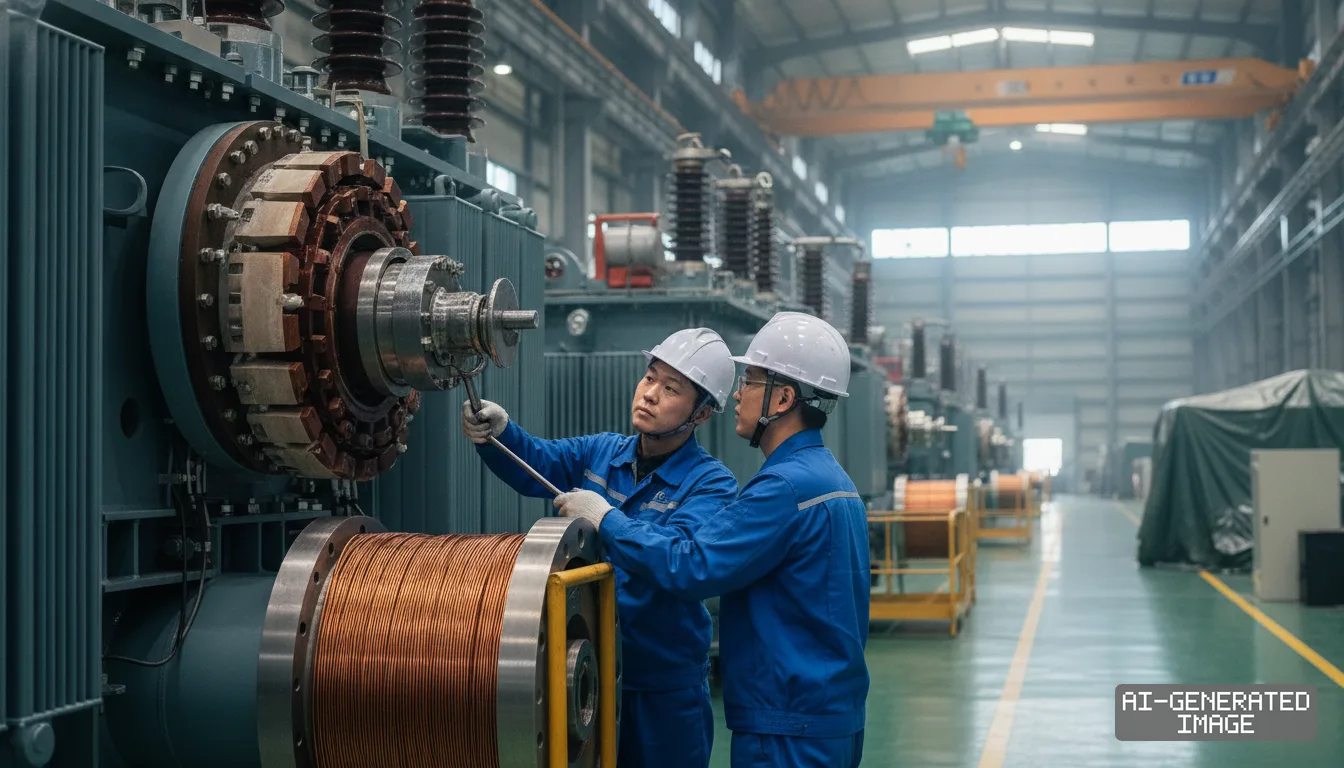
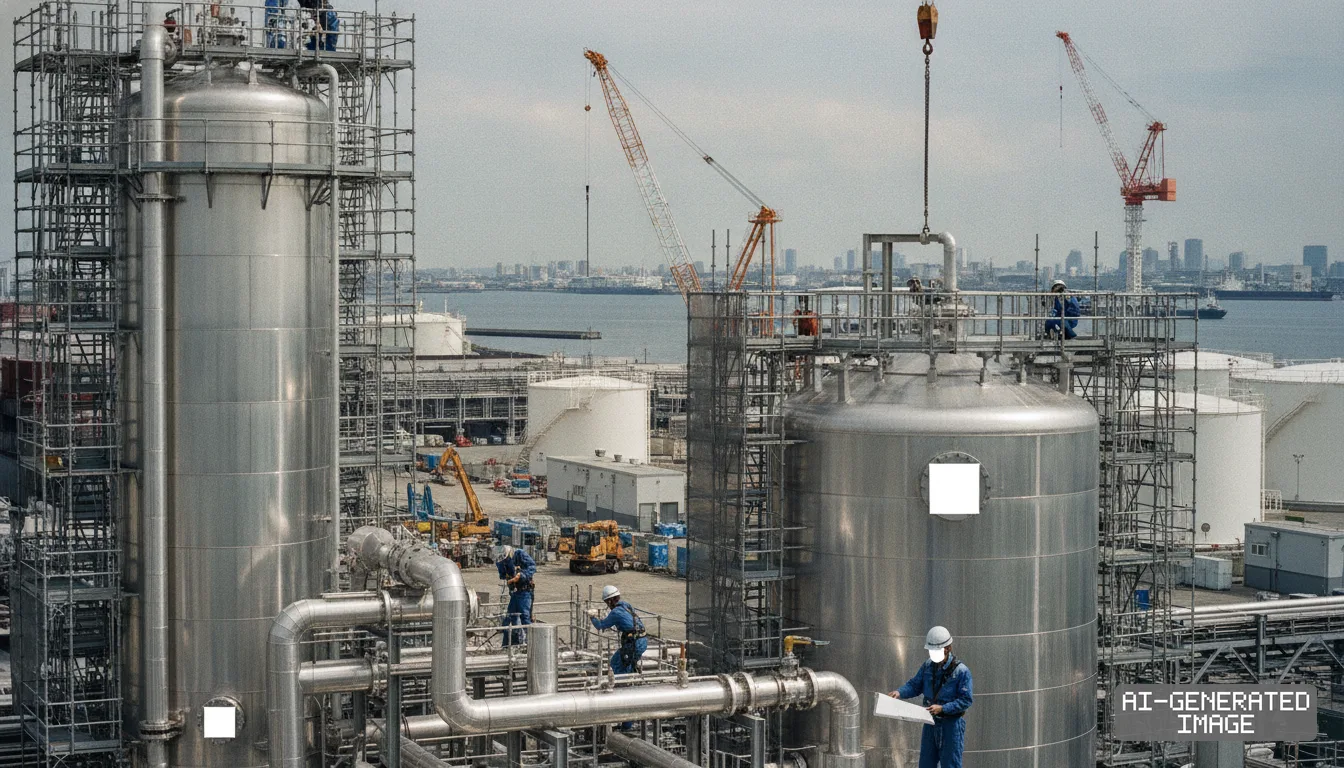
HD Hyundai Electric retained the top supplier position in the United States ultra-high-voltage transformer market on Sept. 7, 2026, supported by an order backlog of $8.5 billion.
Global artificial intelligence data center construction has strained regional power transmission grids. Delivery queues for electrical substations now stretch past four years across major North American metropolitan hubs.
The order total originates from the company's second-quarter earnings report published on July 28, 2026. Unfilled orders stood at $8.49 billion, or roughly 12.42 trillion won, at the end of June.
That backlog marked a 29.6% increase compared with the same period a year earlier. Operating profit for the second quarter reached 287 billion won on revenue of 1.14 trillion won.
North American utilities are ordering large transmission hardware years in advance. The equipment steps electrical voltage up or down to minimize power losses across regional transmission lines.
HD Hyundai Electric raised its annual order target by 22.8% on July 6, 2026. The revised target reached $5.185 billion, up from an earlier plan of $4.222 billion.
The revision followed multiple supply agreements signed with regional grid operators in the United States. Demand for 765-kilovolt transformers, the highest voltage class used in North American long-distance transmission, drove the change.
The company disclosed a 173 billion won contract with an American utility company on May 7, 2026. That agreement calls for 765-kilovolt transformers and reactors to be delivered through August 2029.
That transaction followed an earlier contract disclosed on Jan. 6, 2026, valued at 98.6 billion won. Under that agreement, the company will deliver extra-high-voltage units sequentially through 2028.
Hyperscale data centers require dedicated grid interconnections drawing hundreds of megawatts per facility. Local power utilities require large step-down transformers before granting operational approval to these campuses.
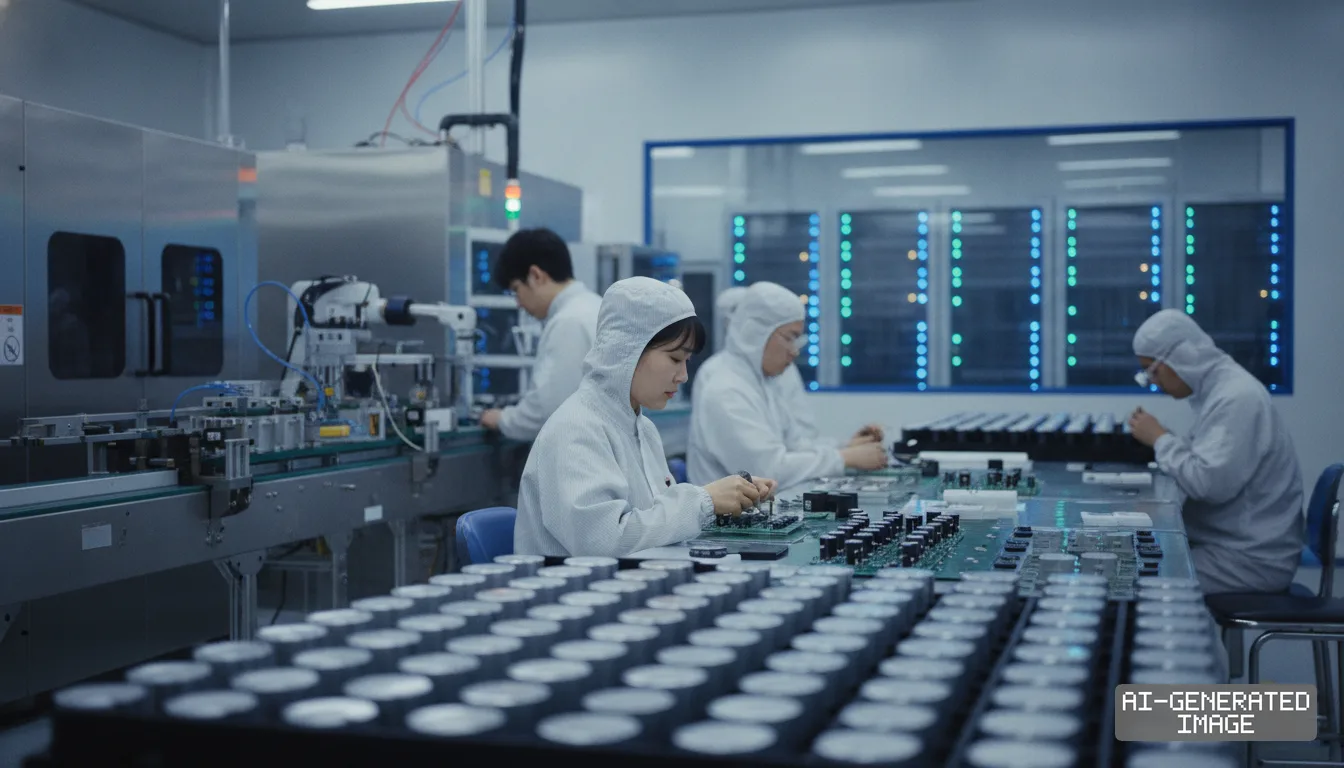
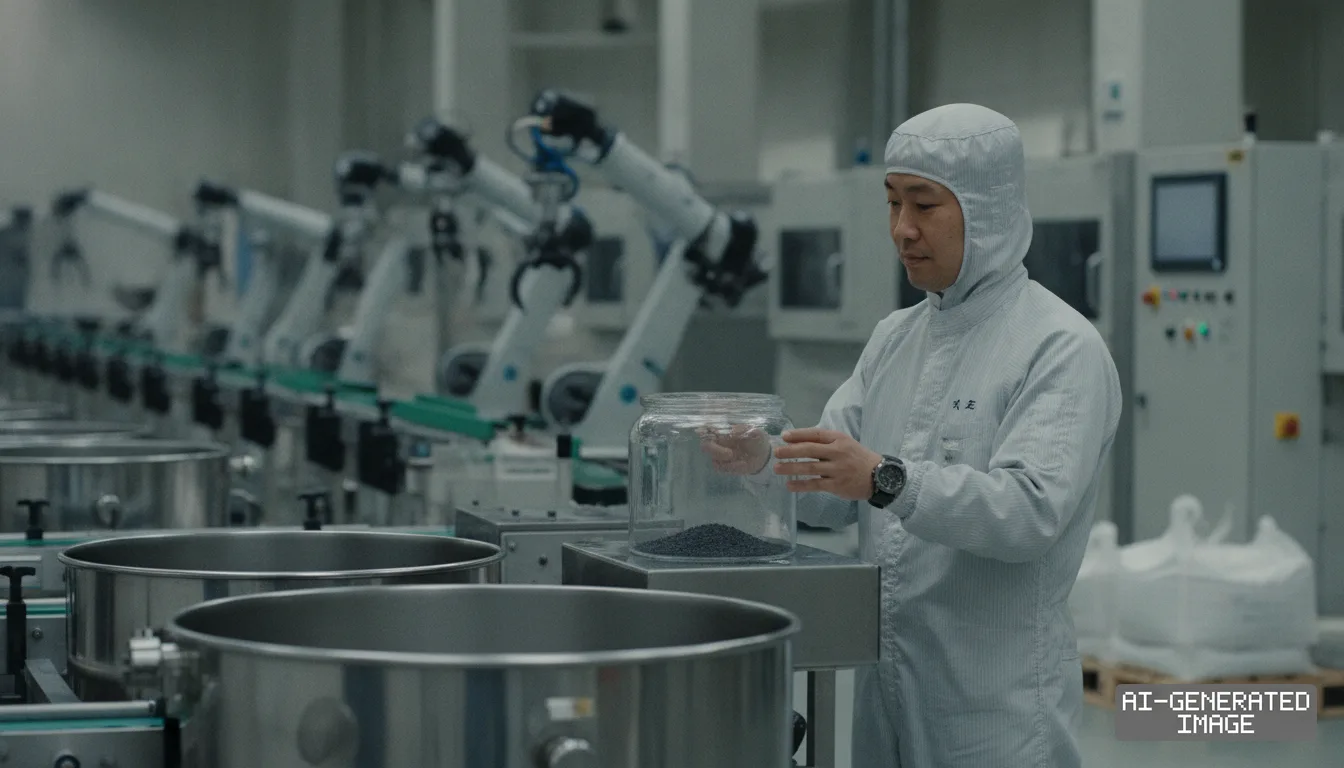
Transformer manufacturing requires manual winding of grain-oriented electrical steel cores and heavy copper coils. Because assembly and insulation testing require specialized labor, global factory capacity cannot expand quickly.
Lead times for high-voltage transformers imported into North America averaged roughly two years in 2024. Those delivery windows now extend up to four years, utility buyers said.
HD Hyundai Electric operates heavy equipment capacity at its main plant in Ulsan, South Korea. The company also manufactures equipment at an assembly plant in Montgomery, Alabama, providing domestic delivery inside the United States.
Local assembly in Alabama shields part of the company's output from federal tariff disputes and maritime transport bottlenecks. The plant builds large power units designed specifically to meet American utility standards.
South Korean competitors are also filling production schedules with long-term American contracts. Hyosung Heavy Industries and LS Electric reported order backlogs stretching past 2028 across their high-voltage divisions.
The three South Korean equipment makers held a combined order backlog exceeding 32 trillion won at the end of March 2026. That order volume represents more than four years of production capacity.
American power companies face structural procurement constraints because domestic factory capacity covers less than one-fifth of nationwide demand. Federal transmission upgrade mandates have accelerated utility procurement cycles.
Aging substations across North America have compounded procurement pressures. More than 70% of American large power transformers have been in operation for more than 25 years.
Substation replacement programs now compete directly against new grid hookups for wind, solar and computing installations. That commercial overlap has absorbed manufacturing availability across tier-one suppliers through 2029.
HD Hyundai Electric expanded distribution equipment operations alongside its transformer lines. In June 2026, the company completed a dedicated distribution campus in Cheongju, South Korea, to manufacture medium-voltage hardware for server facilities.
Medium-voltage switchgear and distribution transformers route electricity from substation terminals into individual server rooms. That secondary equipment faces similar supply shortages across computing facility sites.
HD Hyundai Electric scheduled deliveries under its latest North American contracts to begin in late 2026. Final equipment shipments under the May utility contract will conclude on Aug. 31, 2029.
Impact map
How this development propagates across the region and out to global buyers.
| Event | Korea | China | Japan | Global impact |
|---|---|---|---|---|
| US grid bottleneck | transformer exports surge | market excluded | competing for raw materials | AI lead times extend |
In this story
- Companies
- HD Hyundai Electric
- Tickers
- 267260.KS
- Exposed
- Hyosung Heavy IndustriesLS Electric
- Policy
- Economic SecuritySubsidies
- Impact
- Supply ChainOrder BookCapex
Track every Economic Security development → Track every Subsidies development →
Related briefings
- LS Electric wins $133M US transformer deal for AI power grids Also on Hyosung Heavy Industries, LS Electric, HD Hyundai Electric
- Korean power gear makers book grid orders on US fab growth Also on Hyosung Heavy Industries, LS ELECTRIC, HD Hyundai Electric
- Korea Food Plants Deploy Delta Robots to Counter Cold-Chain Labor Churn Also on LS ELECTRIC, Subsidies
- Korea opens 1,180 MW battery auction to balance power grid Also on HD Hyundai Electric, Order Book, Subsidies
Sources
Primary documents
Reporting
Confidence: high — how we grade this
The documents behind this briefing are linked above. East Asia Brief produces its English text with AI assistance under human editorial review, and does not translate or republish other outlets' articles. See our methodology and AI policy. Spotted an error? Tell us.
The Morning Brief
What changed in Korean, Chinese and Japanese industry overnight — and what it means for your supply chain. One email, weekday mornings, US time. Free.
The Morning Brief is in preparation. Leave your address and we will write to you once — when the first issue is ready. Nothing before that.