Sumitomo Chemical shifts aramid separator lines to Korea as battery thermal rules tighten
The Japanese chemical maker completed the consolidation of its PERVIO coating capacity at subsidiary SSLM in Daegu to supply high-nickel EV cell lines across Asia.
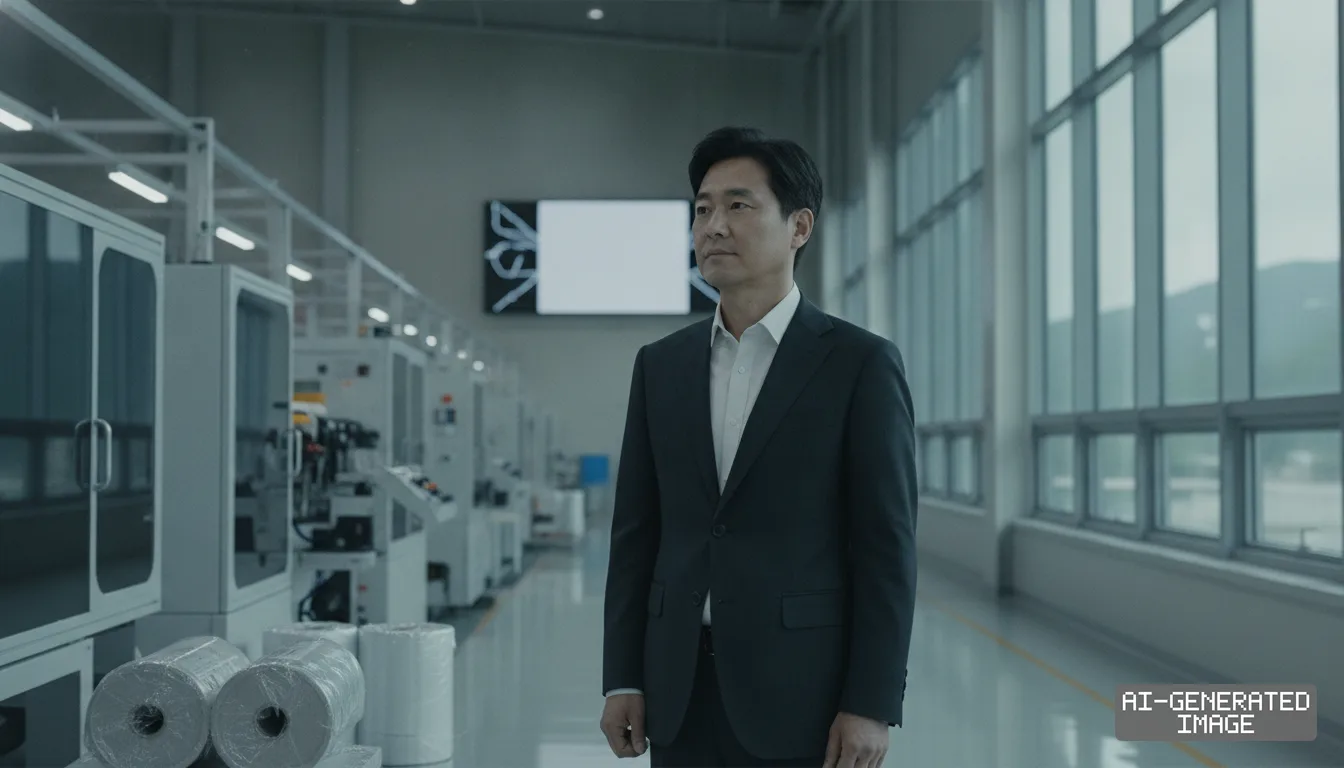
Sumitomo Chemical completed the transfer of its PERVIO heat-resistant separator production to its South Korean subsidiary on March 31, 2026, ending domestic manufacturing at its Ohe Works in Niihama, Ehime Prefecture.
The company consolidated manufacturing, technical support and related business functions at SSLM in Daegu, South Korea. Sumitomo Chemical retained research and development for next-generation battery materials in Japan, the company said on Nov. 13, 2025.
The restructuring centralizes the supply of aramid-coated polyolefin separators for electric vehicle batteries in South Korea. The Daegu site offers higher production capacity and lower operating costs than the Ehime facility, the company said.
Aramid-coated separators use a thin layer of aromatic polyamide applied to a microporous polyolefin base film. The polymer layer prevents the base film from shrinking and melting when cell temperatures exceed 200 degrees Celsius during high-load discharge.
Global automakers and cell manufacturers have tightened thermal runaway standards for nickel-rich lithium-ion packs. Rapid charging architectures operating at 800 volts generate localized heat spikes, raising demand for separators that resist thermal puncture.
Sumitomo Chemical developed its proprietary aramid-coating technology in Japan and began commercial production at the Ohe Works in 2006. The material found early adoption in consumer electronics and automotive pouch and cylindrical cells.
The chemical maker expanded into South Korea on June 10, 2015, approving the construction of a PERVIO plant at SSLM to supply regional battery producers. Sumitomo Chemical approved a fourfold capacity increase at the Daegu plant on Sept. 7, 2016.
The initial phase of that fourfold expansion entered commercial operation in August 2017. SSLM expanded its output in steps over subsequent years, supplying cells manufactured in South Korea, Japan and North America.
The Daegu consolidation places separator coating lines within trucking distance of cell manufacturing sites run by LG Energy Solution, Samsung SDI and SK On. Japanese cell supplier Panasonic Holdings also procures coated separators for cylindrical cells.
Ceramic-coated separators using aluminum oxide or boehmite dominate volume EV production due to lower material costs. Aramid-coated films provide higher puncture strength and allow thinner profiles, which increases volumetric energy density inside battery cells.
Japanese materials suppliers are expanding related aramid polymer lines in South Korea to capture regional demand. Toray Industries committed capital to expand its meta-aramid manufacturing in Gumi, North Gyeongsang Province.
South Korea's Ministry of Trade, Industry and Energy announced on April 22, 2024, that Toray submitted an investment declaration in Tokyo. The project was part of a $120 million investment package in advanced industrial materials.
Toray Advanced Materials Korea broke ground on Oct. 23, 2024, on a second meta-aramid production line at its Gumi 1 plant. The project adds 3,000 metric tons of annual capacity to bring total output to 5,400 tons.
The Gumi expansion entered commercial service in mid-2025, producing meta-aramid fibers for electric vehicle traction motors and electrical insulation. The company said the local supply chain reduces lead times for Korean and regional component makers.
Automakers in the United States and the European Union have set strict testing protocols under UN Regulation 100 revision 3 and UL 2580. Battery packs must demonstrate thermal propagation resistance without external fires during single-cell failures.
Cell procurement managers face higher baseline costs when specifying aramid-coated substrates over standard ceramic films. The premium is offset in high-performance packs by reducing the thickness of protective aerogel barriers and cooling plates.
Sumitomo Chemical did not publish the capital expenditure figure for the Daegu consolidation in its restructuring notice. The company said the reallocation of resources will maintain profitability across its specialty chemicals division.
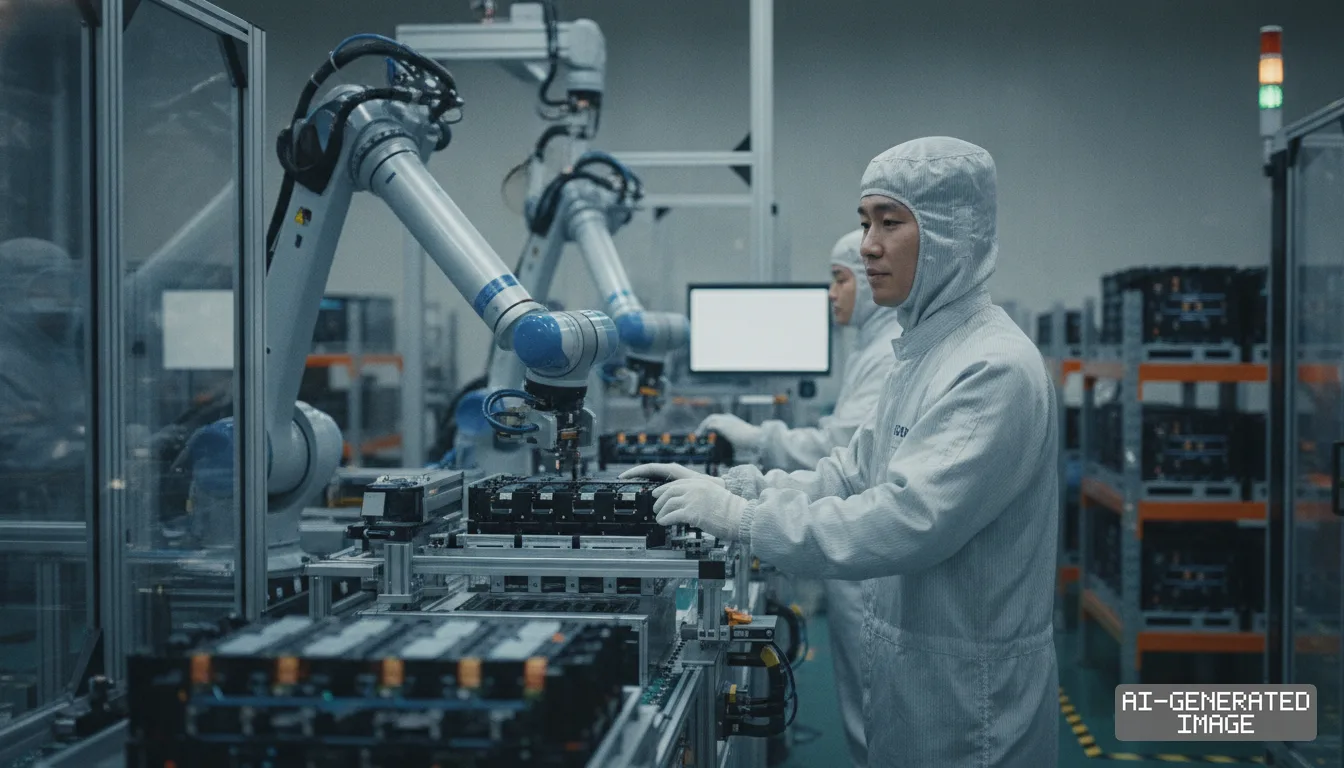
Japanese separator equipment suppliers and base-film producers continue to ship raw polyolefin rolls to the Daegu plant for secondary coating. SSLM operates slitters, coating heads and cleanroom inspection lines at the site.
The full transition of PERVIO production to Daegu marks the completion of the five-month operational phaseout planned in November 2025. SSLM now handles all commercial shipments of the product to global cell lines.
Impact map
How this development propagates across the region and out to global buyers.
| Event | Korea | China | Japan | Global impact |
|---|---|---|---|---|
| Aramid separator consolidation | Daegu hub supplies domestic cells | competing ceramic coating lines | R&D shifts to next-gen chemistry | EV thermal safety compliance |
In this story
- Companies
- Sumitomo ChemicalToray Industries
- Tickers
- 4005.T3402.T
- Exposed
- LG Energy SolutionSamsung SDISK OnPanasonic Holdings
- Policy
- Economic SecuritySubsidies
- Impact
- Supply ChainCapexCost Structure
Track every Economic Security development → Track every Subsidies development →
Related briefings
- Panasonic Optimizes 4680 Battery Cell Yields at Wakayama Plant in Japan Also on Toray Industries, Panasonic Holdings, Cost Structure
- Japan Separator Makers Accelerate Ceramic-Coated and Solid-State Film Expansion Also on Toray Industries, Cost Structure, Subsidies
- China Consolidates State Antimony and Gallium Refining to Lock Down Metal Value Chain Also on Sumitomo Chemical, Cost Structure, Subsidies
- Sojitz and NRS agree to build Tata fab chemical supply chain in India Also on Sumitomo Chemical
Sources
Primary documents
Reporting
Confidence: high — how we grade this
The documents behind this briefing are linked above. East Asia Brief produces its English text with AI assistance under human editorial review, and does not translate or republish other outlets' articles. See our methodology and AI policy. Spotted an error? Tell us.
The Morning Brief
What changed in Korean, Chinese and Japanese industry overnight — and what it means for your supply chain. One email, weekday mornings, US time. Free.
The Morning Brief is in preparation. Leave your address and we will write to you once — when the first issue is ready. Nothing before that.