Sojitz and NRS agree to build Tata fab chemical supply chain in India
The Japanese trading house and logistics specialist signed a pact on Sept. 18 to manage hazardous materials for the $11 billion Dholera wafer facility in Gujarat.
Sojitz and NRS Corporation signed an agreement on Sept. 18, 2026, to build a specialized semiconductor chemical logistics network for Tata Electronics' commercial wafer fab in western India.
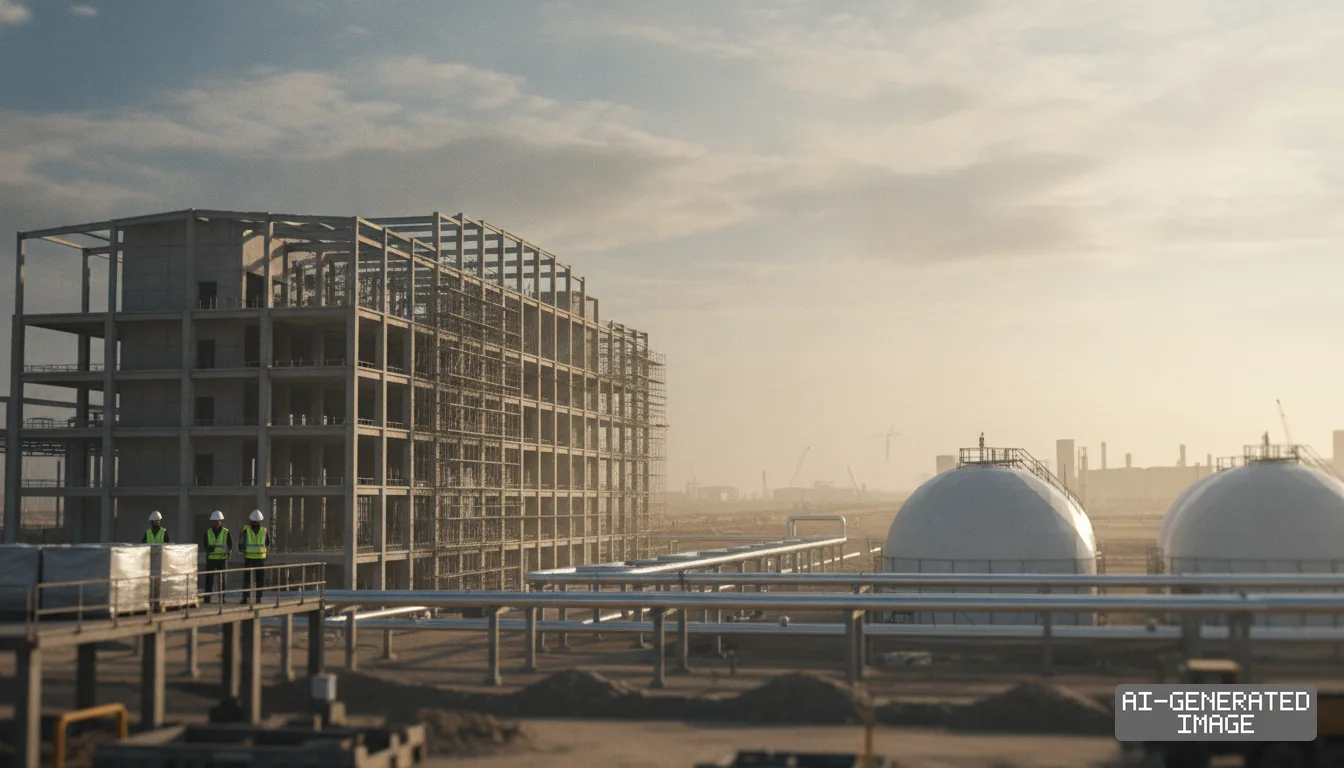
The partnership supports Tata Electronics' 910 billion rupee ($11 billion) fabrication facility under construction in Dholera, Gujarat. The facility is India's first commercial 12-inch wafer manufacturing facility.
The project will establish procurement, specialized transport and hazardous materials warehousing for high-purity chemicals and manufacturing inputs, according to Tata Electronics.
Sojitz and NRS Corporation have opened discussions with Dholera Industrial City Development Limited to secure an industrial parcel inside the Dholera Special Investment Region.
The specialized logistics hub will manage dedicated chemical receiving terminals, bulk storage tank farms and temperature-regulated inventory zones within the industrial corridor.
The companies have also started reviewing Indian chemical import regulations, dangerous goods transport standards and environmental licensing rules for toxic substances.
Sojitz brings chemical trading networks, commercial procurement channels and industrial development operations across Asian markets.
NRS Corporation provides specialized hazardous materials logistics. The Tokyo-based carrier operates dedicated ISO tank containers and clean storage depots for chip fabricators throughout Japan.
Commercial semiconductor fabs consume tens of thousands of metric tons of ultra-pure wet chemicals each year. Transporting these corrosive agents requires specialized electropolished stainless steel containers and contamination-free handling systems.
Contamination down to parts per trillion can destroy silicon wafer yields during deposition, etching and cleaning steps. Chemical suppliers therefore require specialized logistics nodes positioned near cleanrooms.
Tata Electronics is constructing the Dholera fab in a technical partnership with Taiwan's Powerchip Semiconductor Manufacturing Corporation. The plant will produce chips across process nodes from 28 nanometers to 110 nanometers.
The facility will manufacture chips for automotive electronics, mobile devices and artificial intelligence hardware. Commercial production at the site is scheduled to begin in 2026.
Tata Electronics has deployed hundreds of Indian process engineers to Powerchip facilities in Taiwan for cleanroom and manufacturing line training.
The chemical logistics agreement formed part of a coordinated series of supplier signings during the Semicon India 2026 industry conference in New Delhi on Sept. 18.
Sumitomo Chemical signed a separate memorandum of understanding with Tata Electronics on Sept. 18 to supply advanced process materials to the Dholera cleanroom.
The Sumitomo Chemical agreement covers photoresists, functional process chemicals and high-purity wet chemicals. The chemicals include sulfuric acid, hydrogen peroxide, isopropyl alcohol and ammonia water.
Sumitomo Chemical and Tata Electronics also agreed to evaluate building domestic production lines in India for high-purity wet chemicals to replace direct seaborne shipments.
Fujifilm Corporation announced on Sept. 17 an 8 billion rupee ($83 million) phased investment to construct a semiconductor materials manufacturing plant in the Dholera industrial zone.
The Fujifilm plant will manufacture advanced electronic materials and process chemicals, establishing direct supply lines to the adjacent Tata Electronics fab.
Beyond chemical inputs, Tata Electronics signed an agreement on Sept. 18 with Tokyo-based Enomoto to localize lead frame manufacturing for its chip packaging plant in Jagiroad, Assam.
Malaysian engineering contractor Kelington signed an agreement on Sept. 18 to deliver ultra-high-purity piping, chemical distribution systems and cleanroom tool hook-up infrastructure in Dholera.
Tata Electronics also formed an alliance on Sept. 18 with L&T Semiconductor Technologies Limited to manufacture and package domestically designed automotive and edge computing chips.
The series of agreements anchors Japanese material suppliers into India's nascent semiconductor manufacturing cluster before commercial wafer production begins.
Japanese chemical producers control more than 50% of the global market for key semiconductor wet chemicals and advanced photoresists.
Securing dedicated logistics channels reduces transport delays for hazardous chemical imports that face strict sea freight regulations and specialized port handling requirements across South Asia.
The partnerships align with bilateral economic security agreements between New Delhi and Tokyo to build resilient cross-border electronics supply chains.
The announcement does not state the capital expenditure committed by Sojitz and NRS Corporation, and the companies have not published an equity structure or construction schedule for the facility.
Dholera Industrial City Development Limited is scheduled to review land allotment filings and zoning clearances for hazardous chemical storage in the special investment region before Dec. 31, 2026.
Impact map
How this development propagates across the region and out to global buyers.
| Event | Korea | China | Japan | Global impact |
|---|---|---|---|---|
| Dholera chemical supply chain MoU | South Korean electronic chemical suppliers face early Japanese infrastructure lock-in at India's first commercial fab | Chinese foundries see Japanese chemical logistics pivot toward Indian manufacturing hubs | Sojitz and NRS secure anchor logistics role at $11 billion Dholera fab, opening channels for Japanese materials | India's 12-inch wafer fab supply chain establishes dedicated hazardous chemical transport routes |
| Dholera chemical supply chain MoU | South Korean electronic chemical suppliers face early Japanese infrastructure lock-in at India's first commercial fab | Chinese foundries see Japanese chemical logistics pivot toward Indian manufacturing hubs | Sojitz and NRS secure anchor logistics role at | — |
| Dholera chemical supply chain MoU | South Korean electronic chemical suppliers face early Japanese infrastructure lock-in at India's first commercial fab | Chinese foundries see Japanese chemical logistics pivot toward Indian manufacturing hubs | Sojitz and NRS secure anchor logistics role at $11 billion Dholera fab, opening channels for Japanese materials | India's 12-inch wafer fab supply chain establishes dedicated hazardous chemical transport routes |
In this story
- Companies
- Sojitz CorporationNRS CORPORATIONTata Electronics
- Tickers
- 2768.T
- Exposed
- Sumitomo ChemicalFUJIFILM CorporationPowerchip Semiconductor Manufacturing Corporation
- Policy
- Industrial PolicySupply Chain Security
- Impact
- Supply ChainCapexCompliance
Track every Industrial Policy development →
Related briefings
- Fujifilm plans $83 million chip materials plant in India Also on Tata Electronics, FUJIFILM Corporation
- China Consolidates State Antimony and Gallium Refining to Lock Down Metal Value Chain Also on Sumitomo Chemical, Compliance
- Sumitomo Chemical shifts aramid separator lines to Korea as battery thermal rules tighten Also on Sumitomo Chemical
- Japan Expands CMP Slurry Lines for Backside Power Also on FUJIFILM Corporation
Sources
Reporting
Confidence: medium — how we grade this
The documents behind this briefing are linked above. East Asia Brief produces its English text with AI assistance under human editorial review, and does not translate or republish other outlets' articles. See our methodology and AI policy. Spotted an error? Tell us.
The Morning Brief
What changed in Korean, Chinese and Japanese industry overnight — and what it means for your supply chain. One email, weekday mornings, US time. Free.
The first issue goes out shortly. Sign up now and you will not miss it.