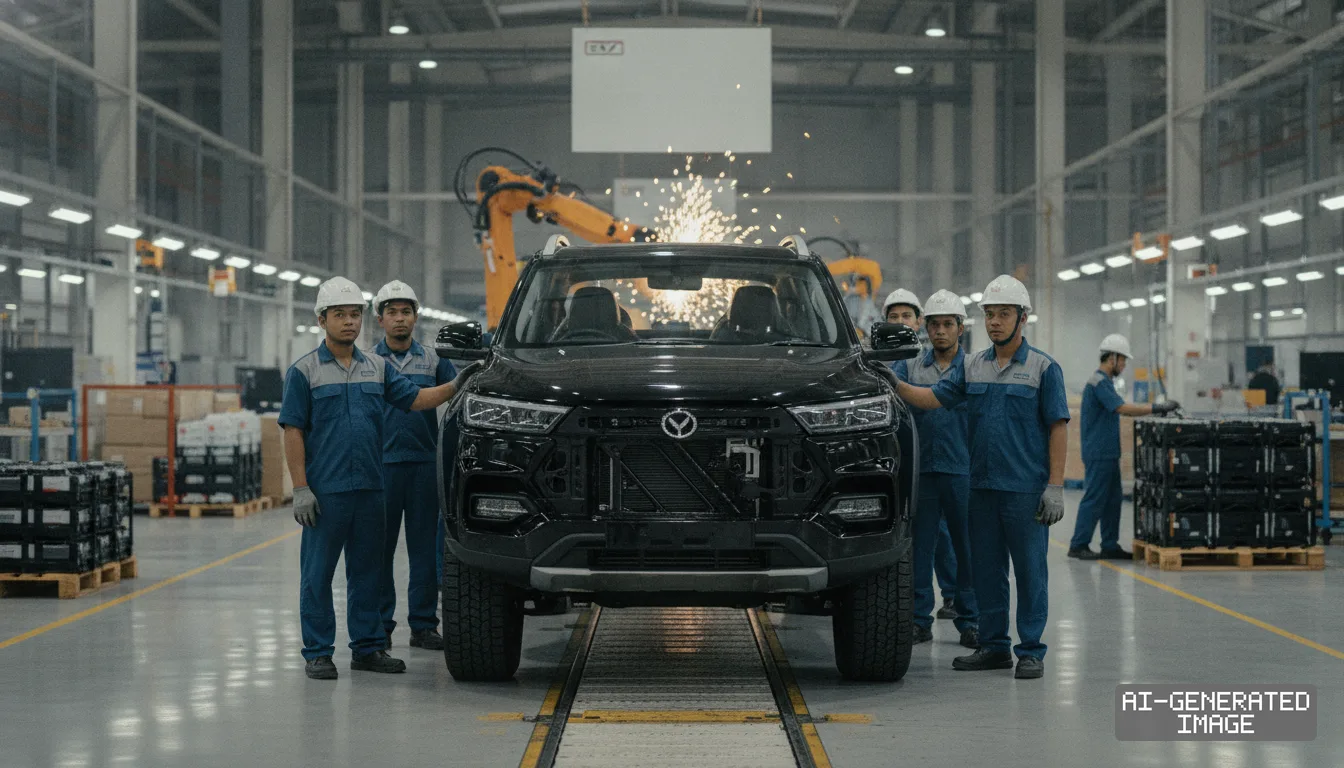
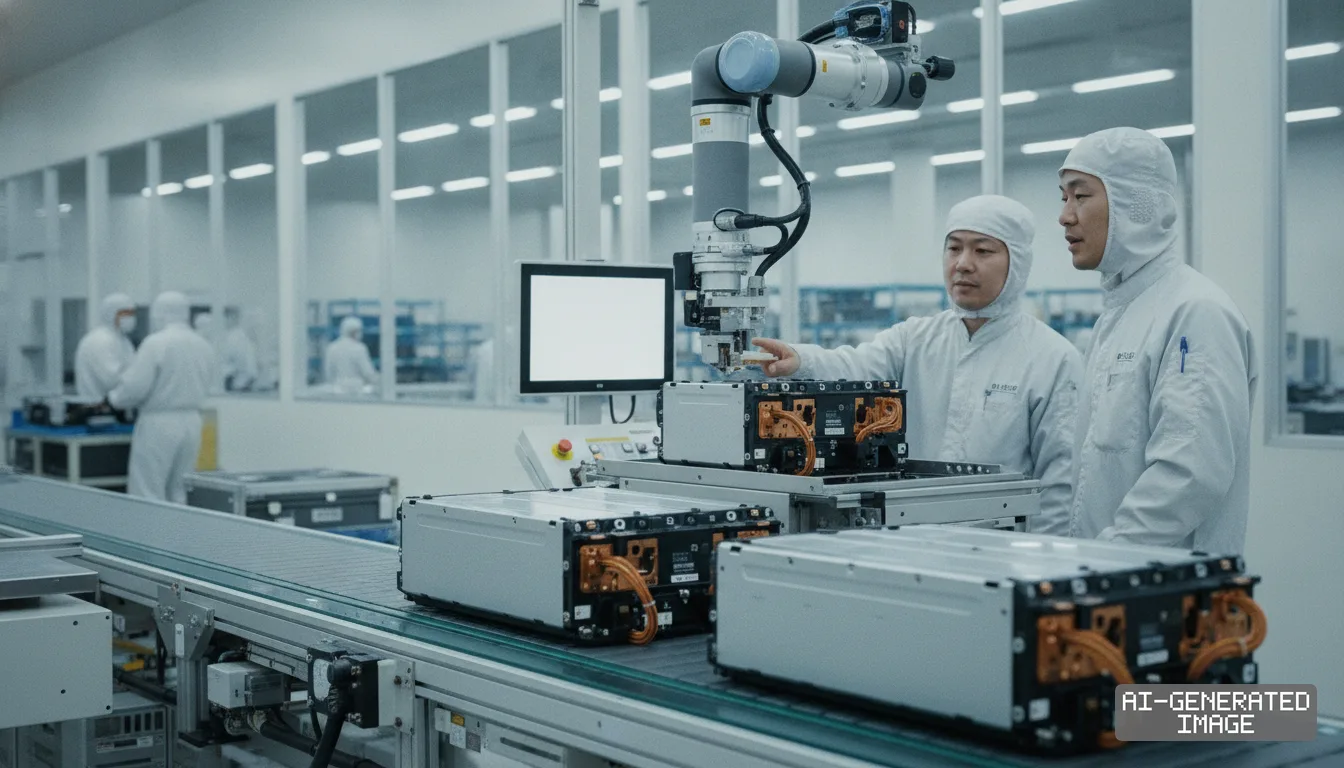
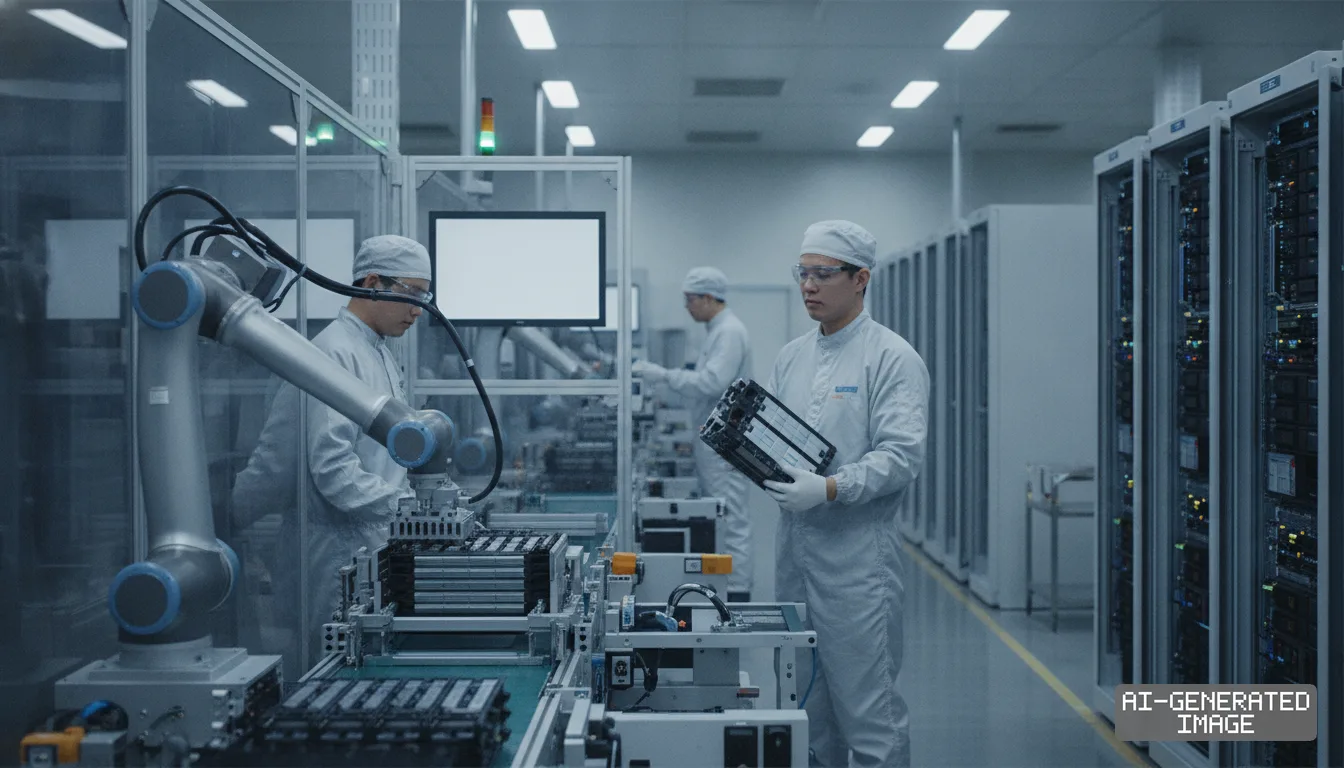
LG Energy Solution files no record of $4.3B Tesla cylindrical order
Korea Exchange records show no 4680 cell disclosures, linking the rumored sum to an Arizona facility ramp and a July 2025 storage system contract.
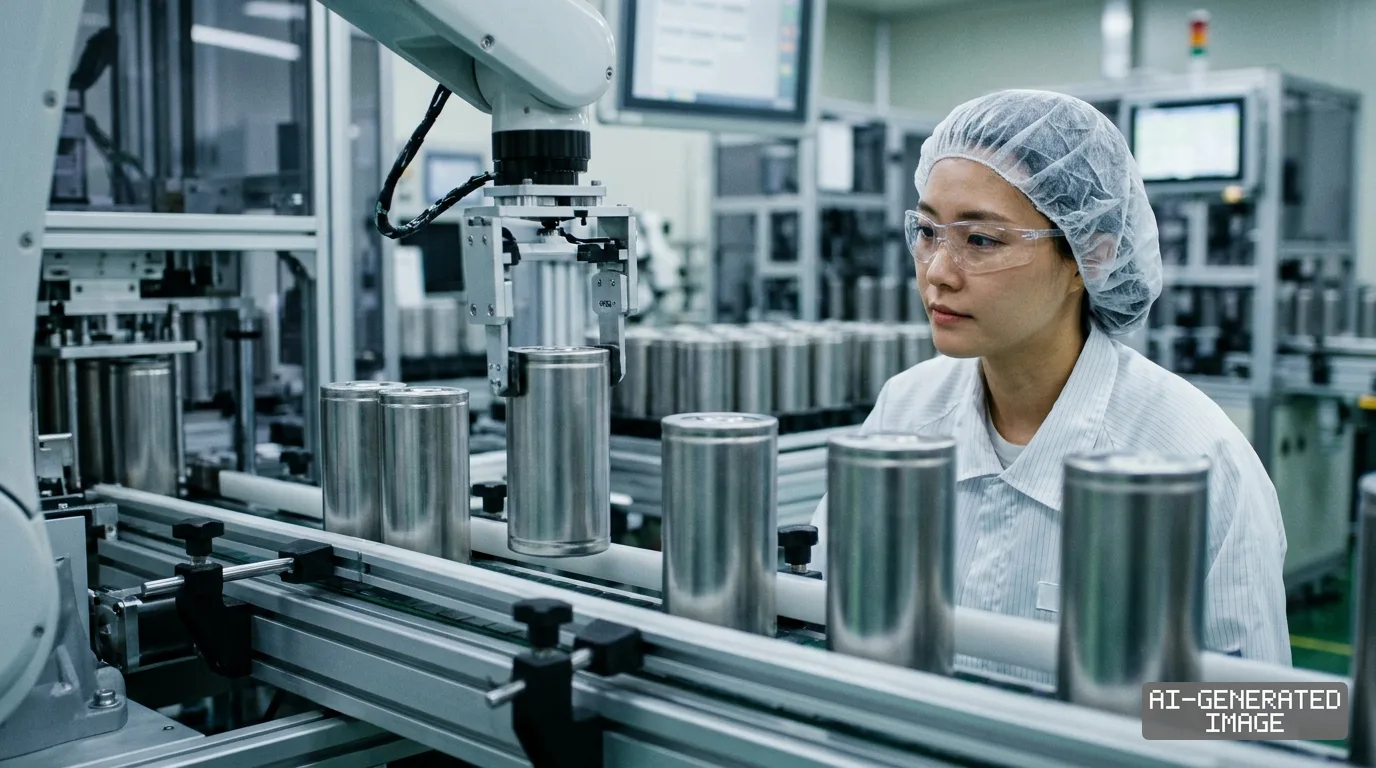
LG Energy Solution submitted no regulatory disclosure on Nov. 25, 2026, leaving circulating market reports of a new $4.3 billion cylindrical battery contract from Tesla unsupported by official exchange filings.
The South Korean battery manufacturer is the world's second-largest cell maker by capacity. A review of Korea Exchange records confirmed no contract filings appeared on that date.
Circulating market claims described a $4.3 billion procurement award for 4680-format cylindrical cells. That valuation conflates a pending factory ramp in Arizona with an existing energy storage contract.
The origin of the $4.3 billion valuation dates to July 30, 2025. On that day, LG Energy Solution submitted a major contract disclosure to the Financial Supervisory Service under filing number 20250730800046.
The filing posted a total contract value of 5.94 trillion won ($4.31 billion based on foreign exchange rates at signing). The disclosure withheld the buyer's identity under standard commercial confidentiality provisions.
The agreed product category was not cylindrical automotive cells. The filing specified lithium iron phosphate batteries engineered for stationary energy storage systems, utilizing pouch and prismatic packaging rather than cylindrical steel cans.
Contractual delivery under that agreement begins Aug. 1, 2027 and runs through July 31, 2030. The terms permit an operational extension of up to seven years upon mutual agreement.
The buyer remained officially anonymous until March 17, 2026. On that date, the U.S. Department of the Interior confirmed Tesla as the counterparty during the Indo-Pacific Energy Security Summit.
The federal release stated that cells from the contract will power Tesla's Megapack 3 utility storage units assembled in Houston. Production will center at LG Energy Solution's plant in Lansing, Michigan.
Tesla sought localized lithium iron phosphate supply to insulate its energy storage business from rising tariffs. U.S. trade duties on Chinese battery imports forced grid operators to cut purchases from Contemporary Amperex Technology.
Speculation about a separate cylindrical deal resurfaced on Nov. 25, 2026 as LG Energy Solution accelerated staffing in the United States. That recruitment push involves its facility in Queen Creek, Arizona.
LG Energy Solution Arizona has hired more than 300 engineers and technicians to prepare commercial assembly equipment. The site represents the company's first standalone cylindrical manufacturing hub in North America.
The company broke ground at the Queen Creek site in November 2023. The facility will produce next-generation 46-series cylindrical cells alongside dedicated lithium iron phosphate energy storage lines.
Automakers have recalibrated EV production schedules across North America as consumer adoption slows. That deceleration has compressed plant utilization rates and forced Korean battery makers to adjust operational schedules.
LG Energy Solution posted consolidated revenue of 23.7 trillion won ($17.2 billion) in 2025, falling 7.6% from the prior year. Lower shipments of high-nickel EV cells to major automakers drove the contraction.
Consolidated operating profit rose 133.9% to 1.3 trillion won ($945 million) in 2025. Production tax credits under the U.S. Inflation Reduction Act helped sustain an operating profit margin of 5.7%.
To defend manufacturing margins against automotive volatility, the company shifted capital expenditure toward grid-scale batteries. Commercial utility customers provide multi-year baseload demand that remains independent of consumer automotive sales cycles.
The manufacturer set an annual target of more than 90 gigawatt-hours in new energy storage orders. Its long-term roadmap expands global stationary storage capacity past 60 gigawatt-hours, locating 80% in North America.
The technological divergence between the two formats determines manufacturing economics. Lithium iron phosphate pack costs average roughly $100 per kilowatt-hour, providing an estimated 15% cost advantage over nickel-rich cylindrical chemistries for utility installations.
LG Energy Solution has concurrently converted joint-venture assets to accommodate alternative battery form factors. Its Ultium Cells partnership with General Motors began adapting its Spring Hill, Tennessee facility to manufacture lower-cost chemistries.
Cylindrical 46-series cells serve high-output electric vehicle platforms and emerging robotics hardware. LG Energy Solution currently supplies cylindrical formats to six international robotics manufacturers while developing higher-density variants.
For industrial procurement teams, confusing stationary battery allocations with vehicle cell sourcing miscalculates supply availability. The $4.3 billion Michigan supply commitment adds no cylindrical manufacturing capacity for Tesla vehicles.
The company has not filed any supply agreement for 4680 automotive cells with Tesla. Regulatory disclosures do not confirm any volume supply arrangement for electric vehicle cylindrical packs between the companies.
Commercial output of cylindrical 46-series batteries at the Queen Creek plant is scheduled to begin late in 2026. Supply of Michigan-built energy storage cells under the Tesla contract begins Aug. 1, 2027.
Impact map
How this development propagates across the region and out to global buyers.
| Event | Korea | China | Japan | Global impact |
|---|---|---|---|---|
| Tesla battery procurement mix | LG Energy Solution secures 5.94 trillion won in non-auto cell volume through 2030 | CATL loses Megapack share under higher US import tariffs | Panasonic holds 4680 EV pilot supply without new Korean cylindrical competition | Megapack 3 supply chain diversifies to US domestic cell manufacturing lines |
In this story
- Companies
- LG Energy SolutionTesla
- Tickers
- 373220.KSTSLA
- Exposed
- General MotorsContemporary Amperex Technology
- Policy
- TariffsSubsidies
- Impact
- Supply ChainOrder BookCompliance
Track every Tariffs development → Track every Subsidies development →
Related briefings
- LG Energy Solution clarifies $4.3B Tesla energy storage deal Also on General Motors, Tesla, Contemporary Amperex Technology
- CATL widens global EV battery lead to 39.4% as Korean share slips Also on General Motors, Tesla, Contemporary Amperex Technology
- LG Energy Solution details $4.3B Tesla battery supply for US energy storage Also on General Motors, Tesla, LG Energy Solution
- LG Energy Solution locks in $4.3 billion Tesla Megapack battery supply Also on General Motors, Tesla, LG Energy Solution
Sources
Primary documents
Reporting
Confidence: high — how we grade this
The documents behind this briefing are linked above. East Asia Brief produces its English text with AI assistance under human editorial review, and does not translate or republish other outlets' articles. See our methodology and AI policy. Spotted an error? Tell us.
The Morning Brief
What changed in Korean, Chinese and Japanese industry overnight — and what it means for your supply chain. One email, weekday mornings, US time. Free.
The Morning Brief is in preparation. Leave your address and we will write to you once — when the first issue is ready. Nothing before that.