LG Energy Solution details $4.3B Tesla battery supply for US energy storage
The South Korean battery maker will produce lithium iron phosphate cells at its Lansing plant to supply Tesla Megapack 3 units, dispelling reports of an EV cell order.
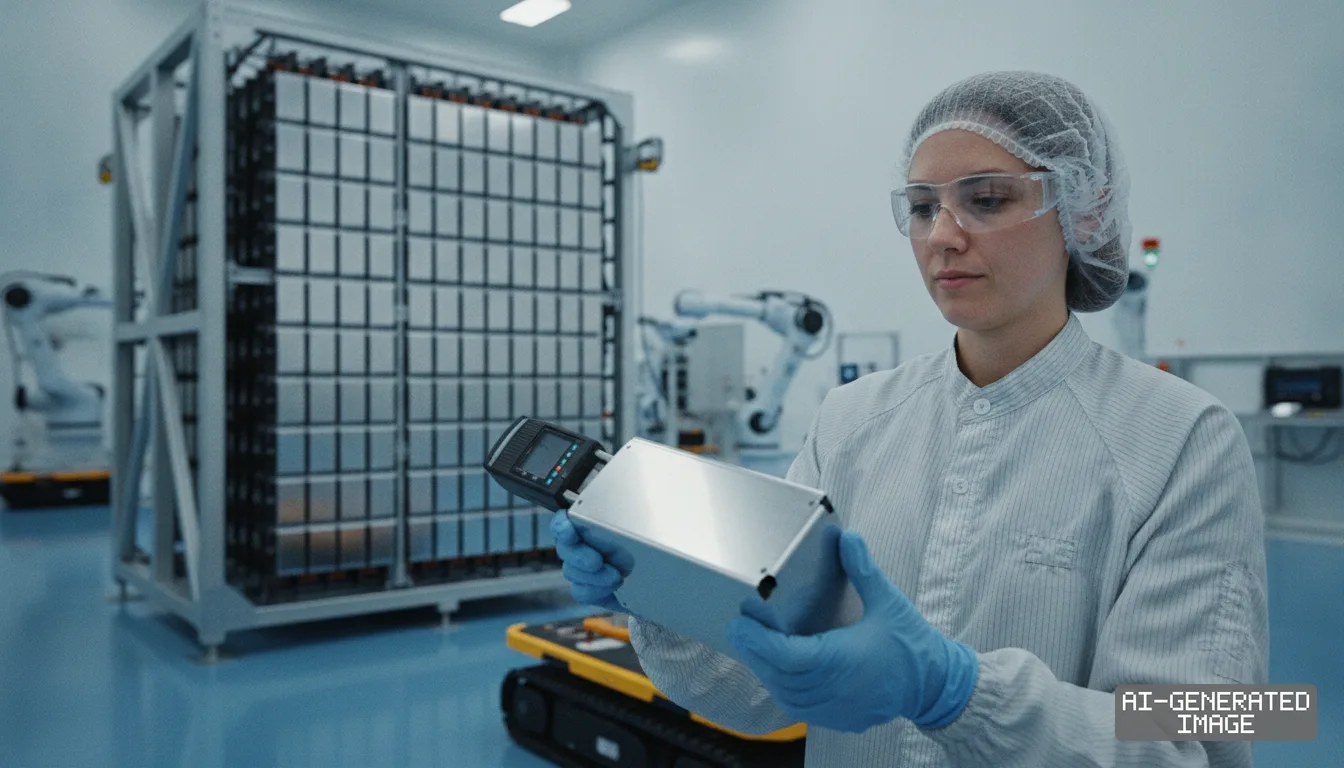
LG Energy Solution said Sept. 4 that its $4.3 billion battery contract with Tesla supplies grid-scale energy storage systems, countering market reports describing a new order for electric vehicles.
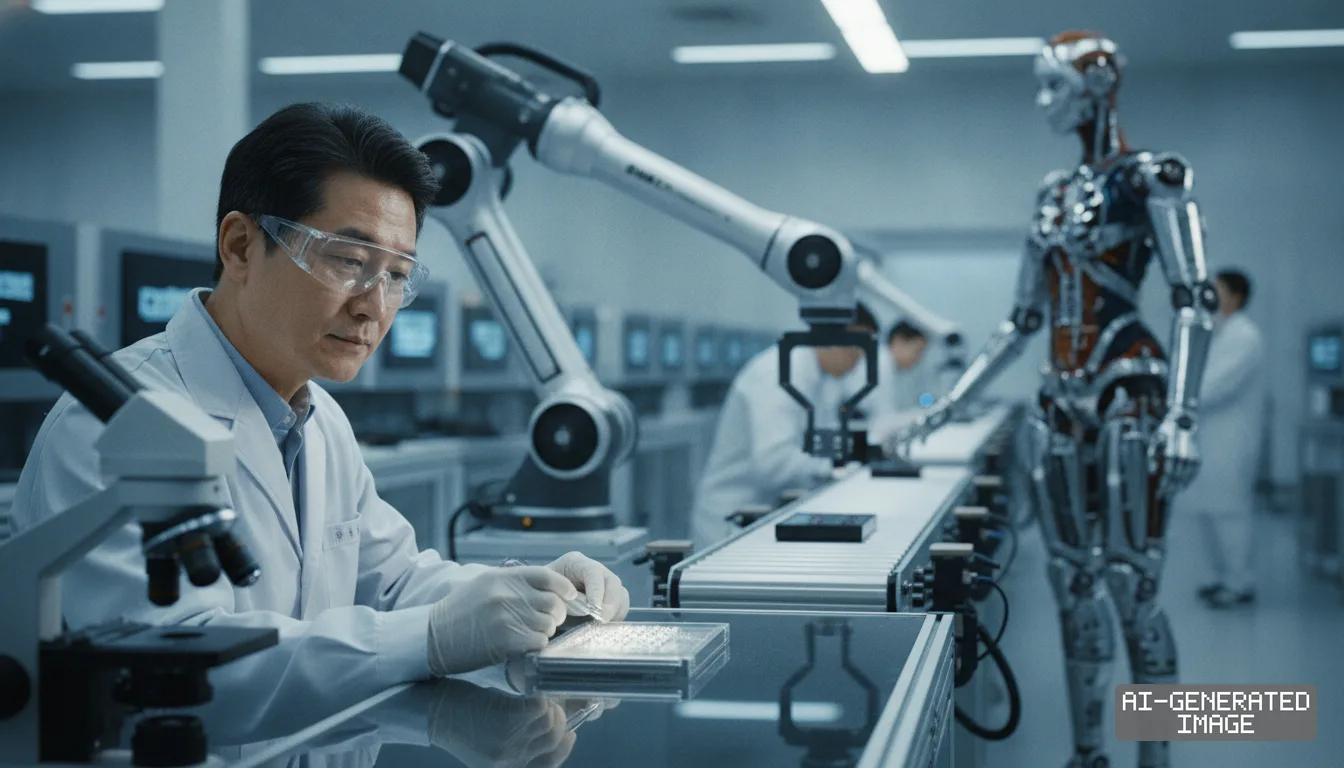
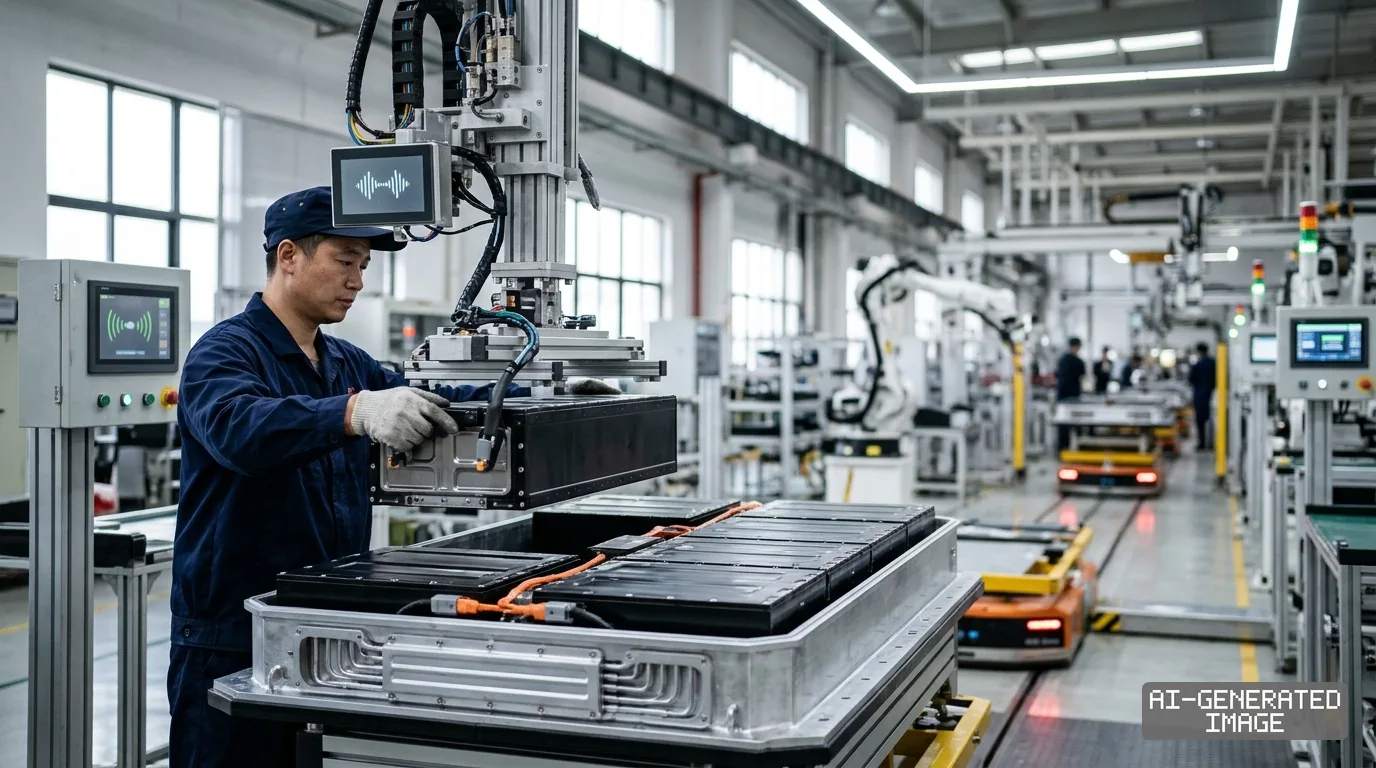
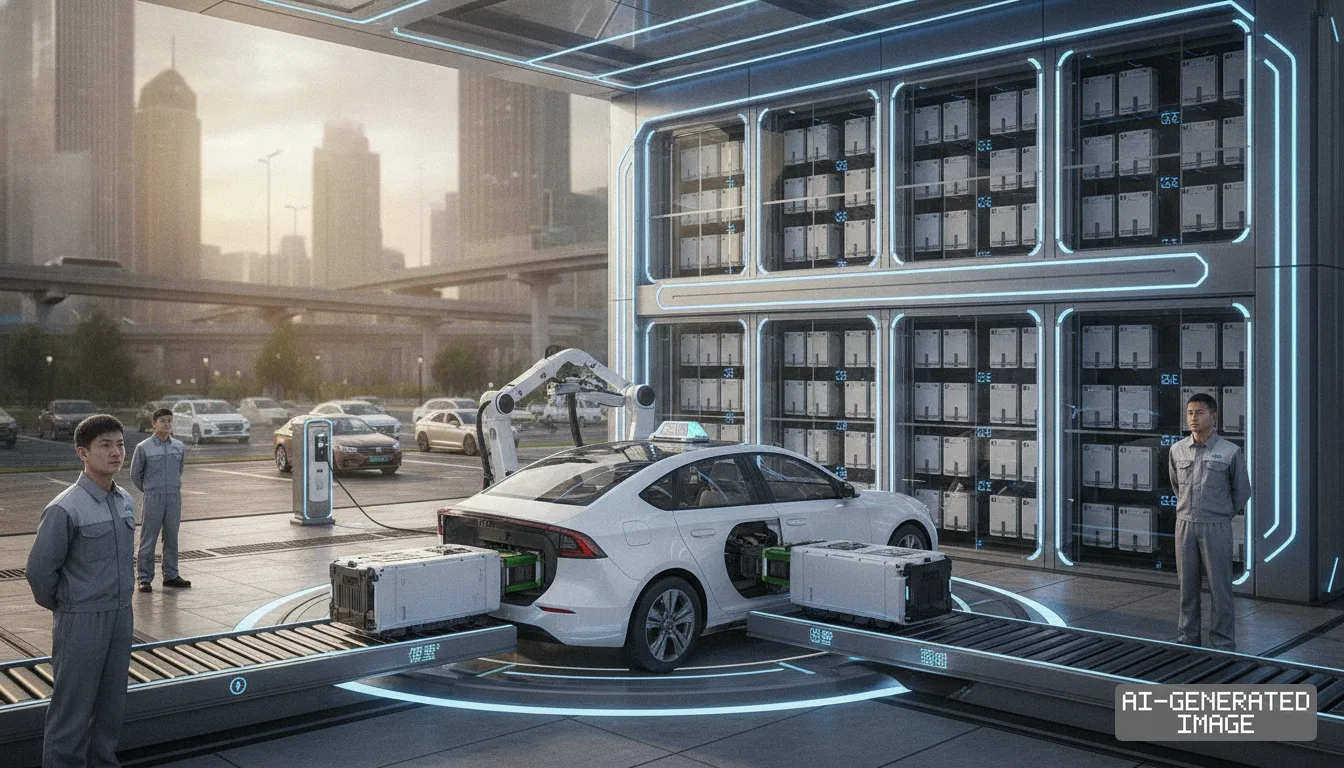
The contract covers lithium iron phosphate prismatic cells manufactured at the company's plant in Lansing, Michigan. The cells will power Tesla's Megapack 3 utility storage units assembled in Texas.
Market aggregators had reported earlier in the day that the two companies signed a fresh supply agreement for next-generation electric vehicle batteries. Regulatory filings show no new contract was signed on Sept. 4.
The transaction stems from a supply agreement that LG Energy Solution first disclosed in a regulatory filing on July 30, 2025. That filing listed a contract value of approximately 5.9 trillion won ($4.3 billion).
The original regulatory document withheld the buyer's identity under a commercial non-disclosure clause. The disclosure specified a three-year delivery timeline scheduled to run from August 2027 to July 2030.
The customer was publicly identified when the US Department of the Interior published a fact sheet on March 17, 2026. The document highlighted cross-border manufacturing investments following the Indo-Pacific Energy Security Summit.
The federal release confirmed that American-made cells from the Lansing facility would supply Tesla's Houston assembly operations. The cells are designated for Tesla's Megapack 3 energy storage platform.
LG Energy Solution acknowledged the partnership on its corporate newsroom on April 7, 2026. The South Korean manufacturer said it would build dedicated lines for prismatic lithium iron phosphate cells to fulfill the agreement.
The Lansing site was originally established as Ultium Cells 3, a joint venture between LG Energy Solution and General Motors. LG Energy Solution acquired full ownership of the site in May 2025.
The South Korean manufacturer restructured the 50-gigawatt-hour facility after the buyout. Engineers converted production lines from nickel-rich pouch cells originally planned for electric cars toward prismatic lithium iron phosphate units.
The production pivot reflects a broader strategy among South Korean battery producers to manage slowing electric-vehicle sales growth. Battery makers have reassigned capital expenditures to meet surging demand for grid infrastructure.
LG Energy Solution plans to expand its global energy storage manufacturing capacity beyond 60 gigawatt-hours by 2027. Over 80% of that manufacturing footprint will operate inside North America.
Power utilities and technology companies are driving the demand surge as artificial intelligence data centers strain the electric grid. US data center electricity consumption is projected to double by 2035.
The supply arrangement allows Tesla to reduce its dependence on Chinese cell manufacturers for stationary batteries. Tesla's energy division deployed 46.7 gigawatt-hours of storage products globally in 2025.
Tesla has imported most of its lithium iron phosphate cells from China for use in its Megapack systems. Rising trade friction and import duties have increased the landed cost of those imports.
Combined Section 301 tariffs on Chinese lithium-ion batteries reached 82.4% in 2025. Tesla told investors that import tariffs reduced its third-quarter operating margin in energy storage by roughly $200 million.
Domestic content requirements under US clean energy policies have tightened procurement criteria for utility developers. Clean energy projects face reduced tax subsidies unless battery systems contain substantial American hardware.
Federal rules require battery energy storage systems to reach at least 55% domestic content by value in 2026. That threshold will increase incrementally over subsequent years.
Securing domestic cell manufacturing shields Tesla from import levies while allowing utility customers to claim full federal incentives. LG Energy Solution is among the few manufacturers currently building large-scale domestic production for that chemistry.
LG Energy Solution has moved to secure raw materials locally to feed the Lansing plant. The company announced a binding agreement on Sept. 1, 2026, with Smackover Lithium in Arkansas.
That contract guarantees deliveries of 80,000 metric tons of lithium carbonate over a multi-year period. The domestic mineral supply supports compliance with rules governing foreign entities of concern.
The supply contract between LG Energy Solution and Tesla includes an option to extend deliveries for up to seven years. Production at the Lansing plant remains on schedule to begin in 2027, the company said.
Impact map
How this development propagates across the region and out to global buyers.
| Event | Korea | China | Japan | Global impact |
|---|---|---|---|---|
| Tesla LFP storage supply | plant pivot to ESS | cell exports displaced | — | utility battery tariffs avoided |
In this story
- Companies
- LG Energy SolutionTesla
- Tickers
- 373220.KSTSLA
- Exposed
- General MotorsSmackover Lithium
- Policy
- TariffsEconomic SecuritySubsidies
- Impact
- Supply ChainCapexCompliance
Track every Tariffs development → Track every Economic Security development → Track every Subsidies development →
Related briefings
- LG Energy Solution clarifies $4.3B Tesla energy storage deal Also on General Motors, Tesla, LG Energy Solution
- CATL widens global EV battery lead to 39.4% as Korean share slips Also on General Motors, Tesla, LG Energy Solution
- LG Energy Solution Binds $4.3B Tesla Pact to Grid Storage Also on General Motors, Tesla, LG Energy Solution
- China Delays Rare Earth Export Controls in U.S. Trade Truce Also on General Motors, Tesla, Compliance
Sources
Reporting
Confidence: medium — how we grade this
The documents behind this briefing are linked above. East Asia Brief produces its English text with AI assistance under human editorial review, and does not translate or republish other outlets' articles. See our methodology and AI policy. Spotted an error? Tell us.
The Morning Brief
What changed in Korean, Chinese and Japanese industry overnight — and what it means for your supply chain. One email, weekday mornings, US time. Free.
The Morning Brief is in preparation. Leave your address and we will write to you once — when the first issue is ready. Nothing before that.