LG Energy Solution clarifies $4.3B Tesla energy storage deal
The 5.94 trillion won pact signed in 2025 provides Michigan-made lithium iron phosphate cells for Tesla Megapack 3 units rather than next-generation electric vehicles.
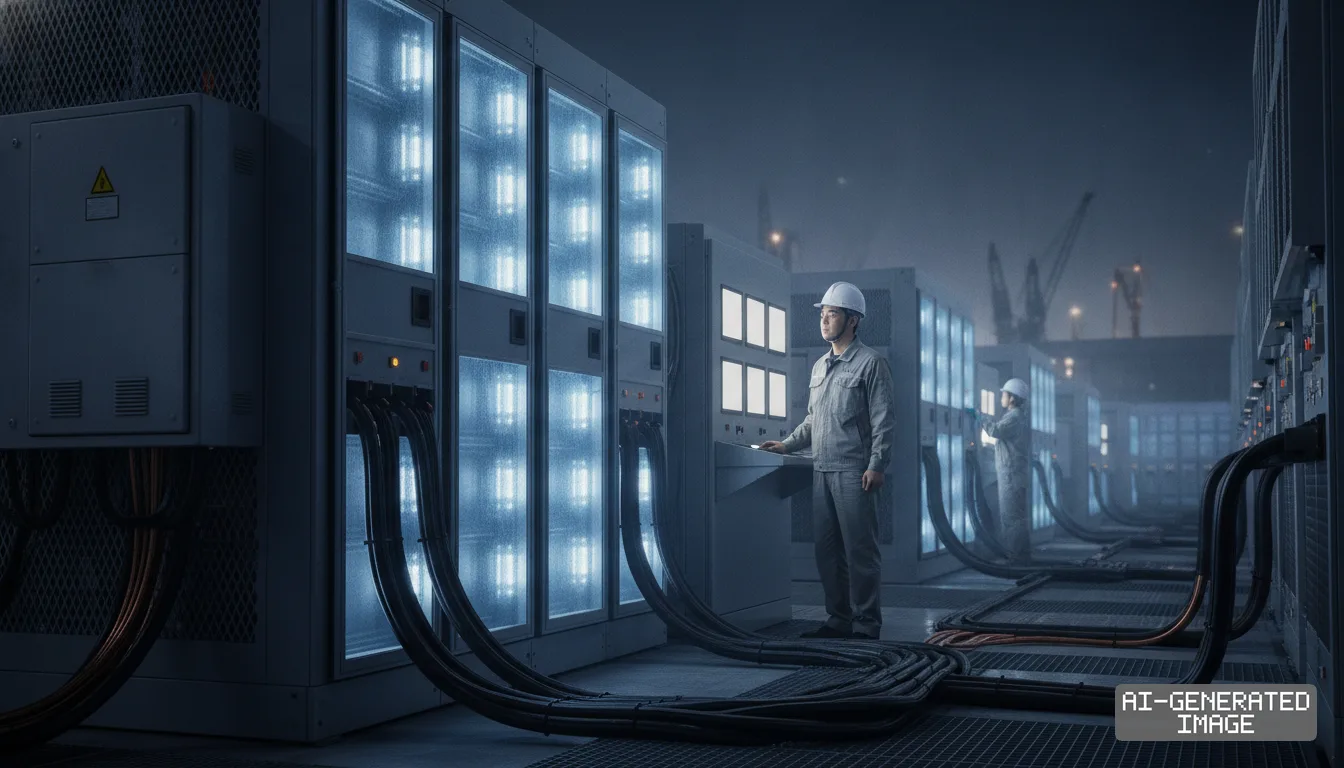
LG Energy Solution drew fresh market focus on Oct. 5, 2026 following reports of a $4.3 billion Tesla battery contract that mischaracterized an existing grid storage agreement as new vehicle business.
The underlying contract, valued at 5.94 trillion won ($4.31 billion), represents 23.2% of the battery maker's 2024 annual revenue. Regulatory filings show the pact took effect in July 2025 for energy storage systems rather than electric cars.
The Seoul-based manufacturer will produce lithium iron phosphate cells at its wholly owned Lansing plant in Michigan. The facility delivers prismatic cells to Tesla's Houston factory for Megapack 3 utility-scale storage units.
Market speculation on Oct. 5 wrongly framed the transaction as a newly signed supply deal for cylindrical electric vehicle cells. South Korean exchange disclosures show no new regulatory filing from LG Energy Solution on that date.
Neither company registered an agreement with securities authorities in Seoul or Washington this week. LG Energy Solution logged the original supply commitment with the Financial Supervisory Service on July 30, 2025 under a strict non-disclosure clause.
The buyer remained confidential until the U.S. Department of the Interior released a ministerial fact sheet on March 17, 2026. That document identified Tesla as the off-taker for the Michigan-built lithium iron phosphate cells.
LG Energy Solution Chief Executive Kim Dong-myung confirmed the arrangement during the company's annual shareholder meeting on March 20, 2026. Kim told investors that the contract formalized a strategic move into North American utility-scale grid infrastructure.
The Lansing site operates as LG Energy Solution's largest standalone production hub in North America, with planned capacity of 50 gigawatt-hours per year. The company acquired full ownership of the site after buying General Motors' stake in May 2025.
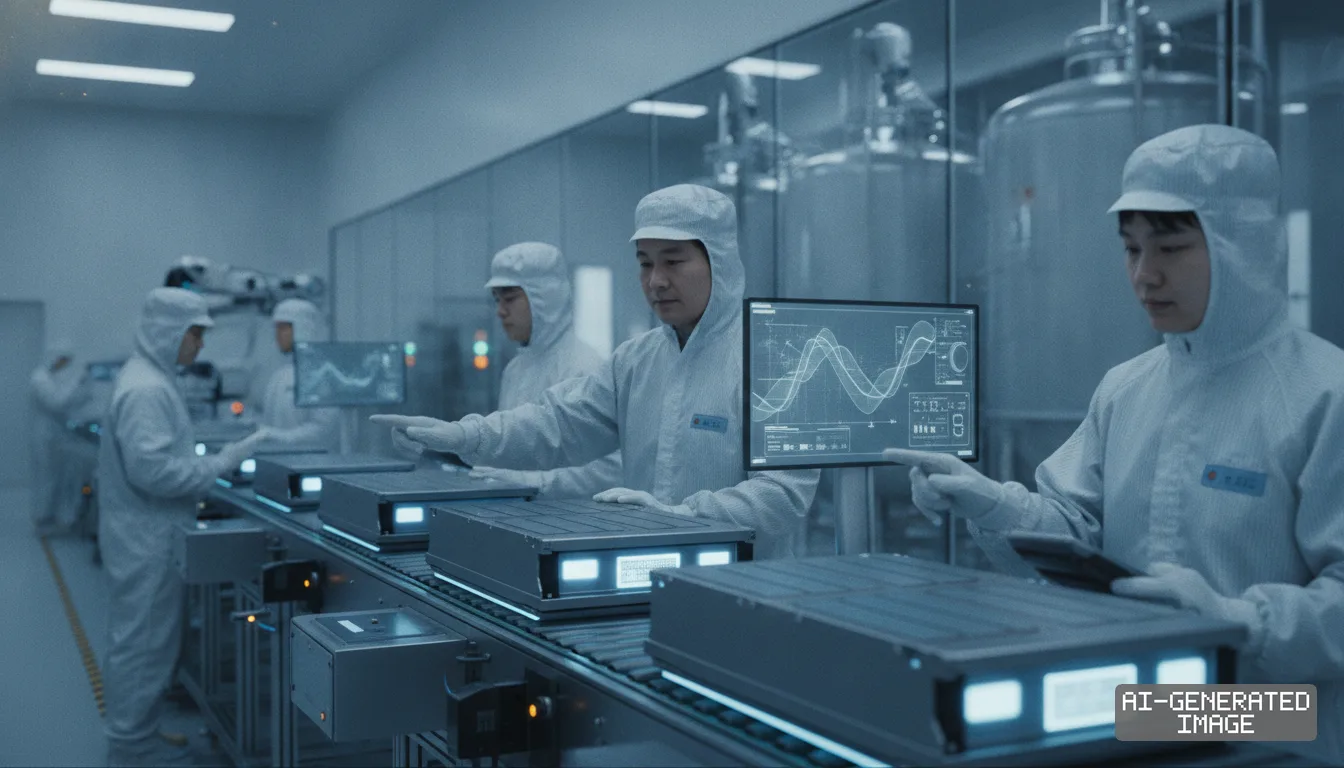
Workers completed installation of the Lansing manufacturing lines on Aug. 18, 2026. LG Energy Solution reconfigured the former automotive facility to manufacture lithium iron phosphate cells in a top-tab prismatic form factor suited for stationary energy packs.
For Tesla, the arrangement secures localized American cell supply for its fastest-growing operational unit. Tesla posted nearly $12.8 billion in energy generation and storage revenue in 2025, an increase of 26.6% from the previous year.
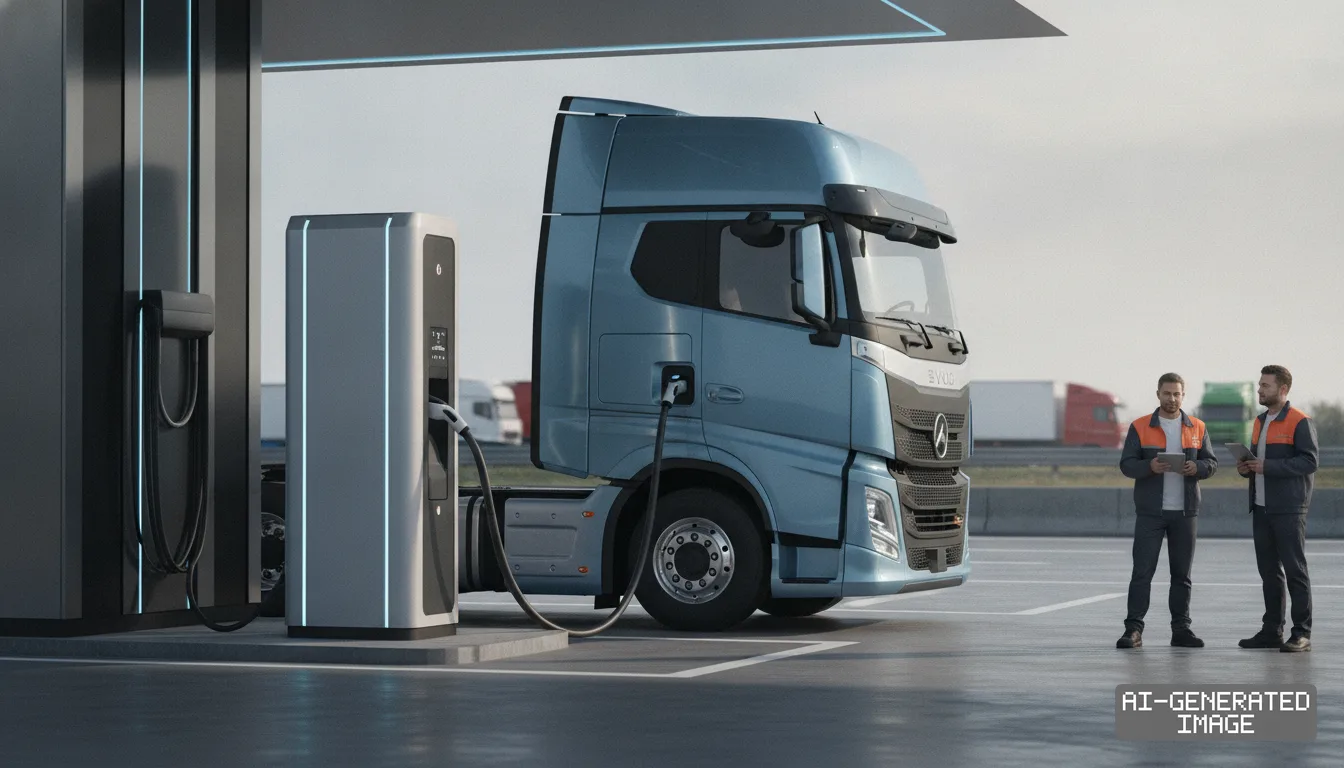
Tesla manufactures Megapack utility storage units in Lathrop, California and Houston, Texas, alongside an assembly facility in Shanghai. Utility storage systems use lithium iron phosphate cells because the chemistry costs less and offers longer cycle life than nickel-rich formulations.
Chinese battery manufacturer Contemporary Amperex Technology Co. Ltd. historically supplied the bulk of cells for Tesla Megapacks. Federal tax incentives and import tariffs have pushed Tesla to establish domestic battery supply chains inside the United States.
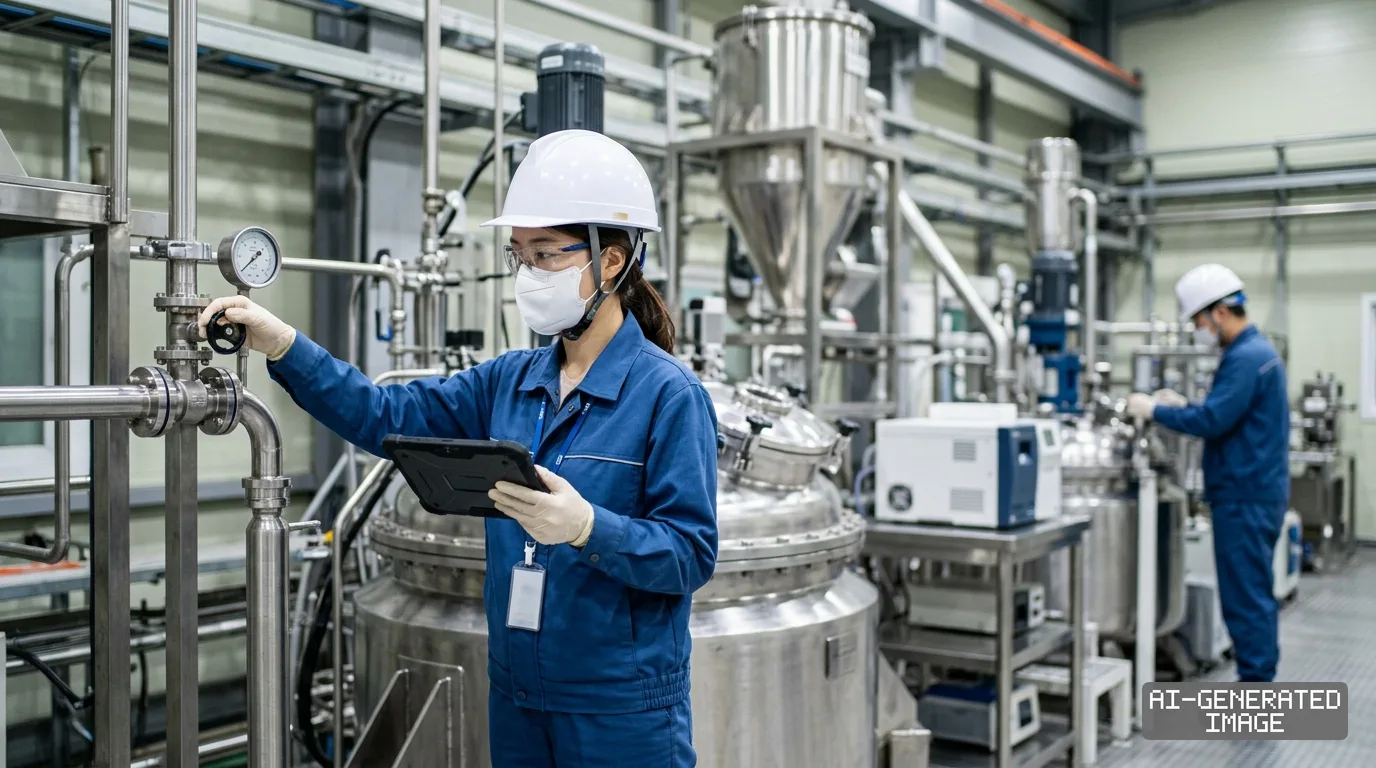
Equipment suppliers booked substantial factory orders during the conversion of the Lansing facility. South Korean vendors CIS and Hirano Tecseed supplied the electrode coating equipment, while TSI delivered slurry mixing systems and A-Pro installed formation machines.
Diverting Lansing capacity to energy storage insulates LG Energy Solution from sluggish North American electric vehicle adoption. The company held 140 gigawatt-hours in remaining backlog for energy storage system batteries prior to the Lansing conversion, according to corporate disclosures.
The transition helps offset cooling growth across passenger vehicle joint ventures in Ohio and Tennessee. Automobile manufacturers slowed planned assembly schedules across the United States as consumer purchases of electric cars expanded more slowly than initial projections anticipated.
Contract deliveries begin on Aug. 1, 2027 and run through July 31, 2030, according to the original regulatory disclosure. The terms grant both companies options to extend shipments for up to seven additional years upon mutual agreement.
Regulatory filings and official company releases do not confirm any new contract signed on Oct. 5, 2026. Neither company has disclosed negotiations or supply terms for next-generation 4680-format cylindrical electric vehicle cells.
Tesla scheduled its third-quarter financial report for late October, where executives will present energy division deployment numbers. LG Energy Solution reports third-quarter earnings on Oct. 28, 2026.
Impact map
How this development propagates across the region and out to global buyers.
| Event | Korea | China | Japan | Global impact |
|---|---|---|---|---|
| Tesla LFP storage contract | LG Energy Solution books 5.94 trillion won, 23.2% of 2024 revenue | CATL loses sole-supplier role for US-assembled Tesla Megapacks | Hirano Tecseed supplies electrode machinery for 50 GWh Lansing lines | US grid energy storage accelerates domestic lithium iron phosphate sourcing |
In this story
- Companies
- LG Energy SolutionTesla
- Tickers
- 373220.KSTSLA
- Exposed
- Contemporary Amperex TechnologyGeneral Motors
- Policy
- TariffsSubsidies
- Impact
- Supply ChainOrder BookCapex
Track every Tariffs development → Track every Subsidies development →
Related briefings
- CATL widens global EV battery lead to 39.4% as Korean share slips Also on General Motors, Tesla, Contemporary Amperex Technology
- LG Energy Solution details $4.3B Tesla battery supply for US energy storage Also on General Motors, Tesla, LG Energy Solution
- BYD Widens BEV Lead Over Tesla to Record 275,946 Cars in Q3 Also on Tesla, Contemporary Amperex Technology, LG Energy Solution
- Korean cathode makers pivot to LMR to halt Chinese LFP gains in EVs Also on General Motors, LG Energy Solution, Order Book
Sources
Reporting
Confidence: medium — how we grade this
The documents behind this briefing are linked above. East Asia Brief produces its English text with AI assistance under human editorial review, and does not translate or republish other outlets' articles. See our methodology and AI policy. Spotted an error? Tell us.
The Morning Brief
What changed in Korean, Chinese and Japanese industry overnight — and what it means for your supply chain. One email, weekday mornings, US time. Free.
The Morning Brief is in preparation. Leave your address and we will write to you once — when the first issue is ready. Nothing before that.