Samsung SDI and LG Energy plan AI server battery output for Q2 2027
Both South Korean makers will produce cylindrical LFP packs for data center backup units as the segment expands toward $2.8 billion by 2032.
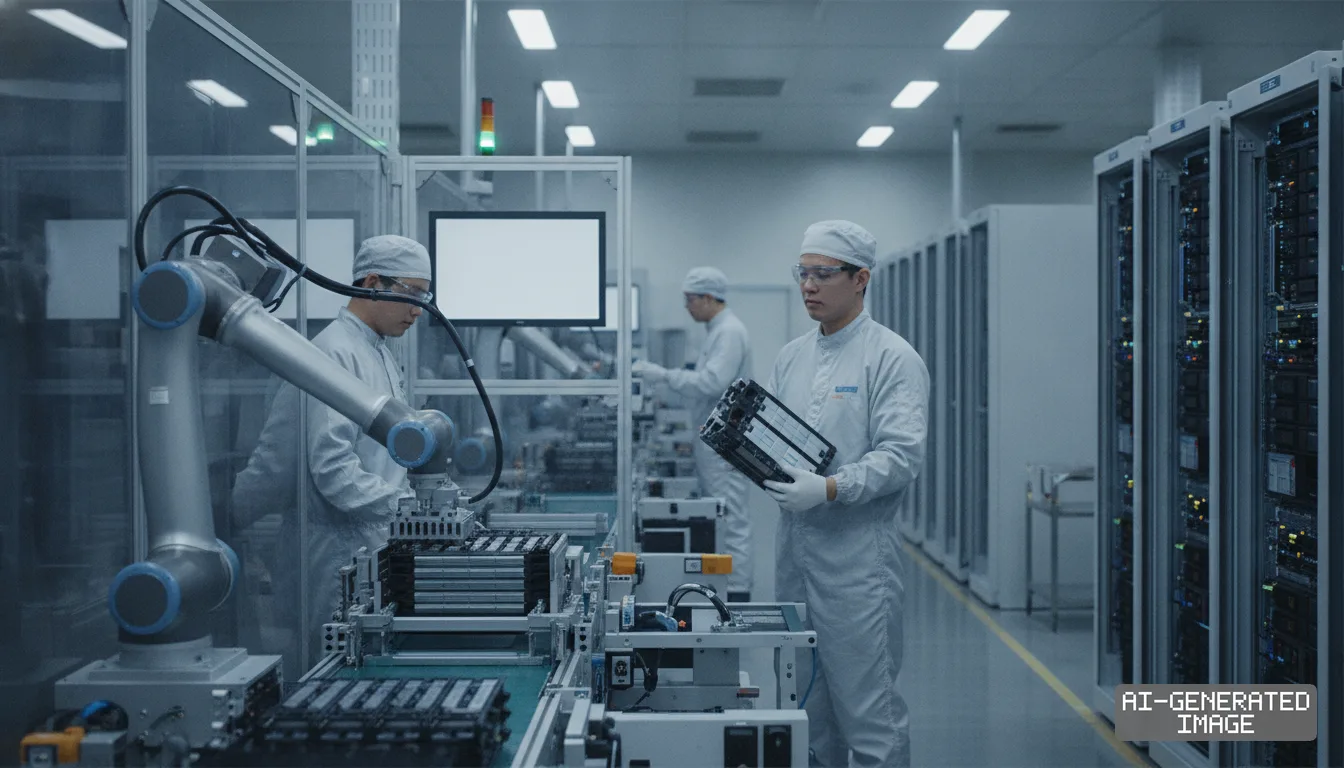
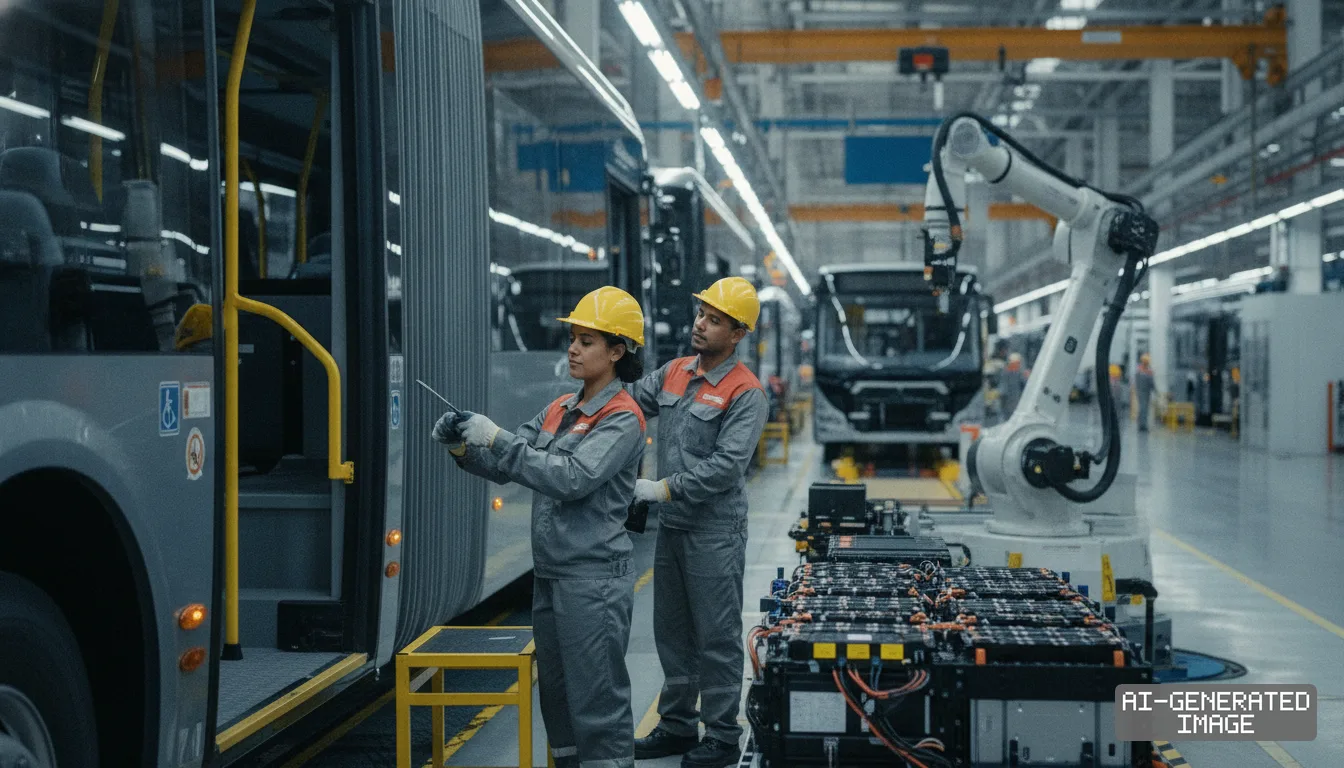
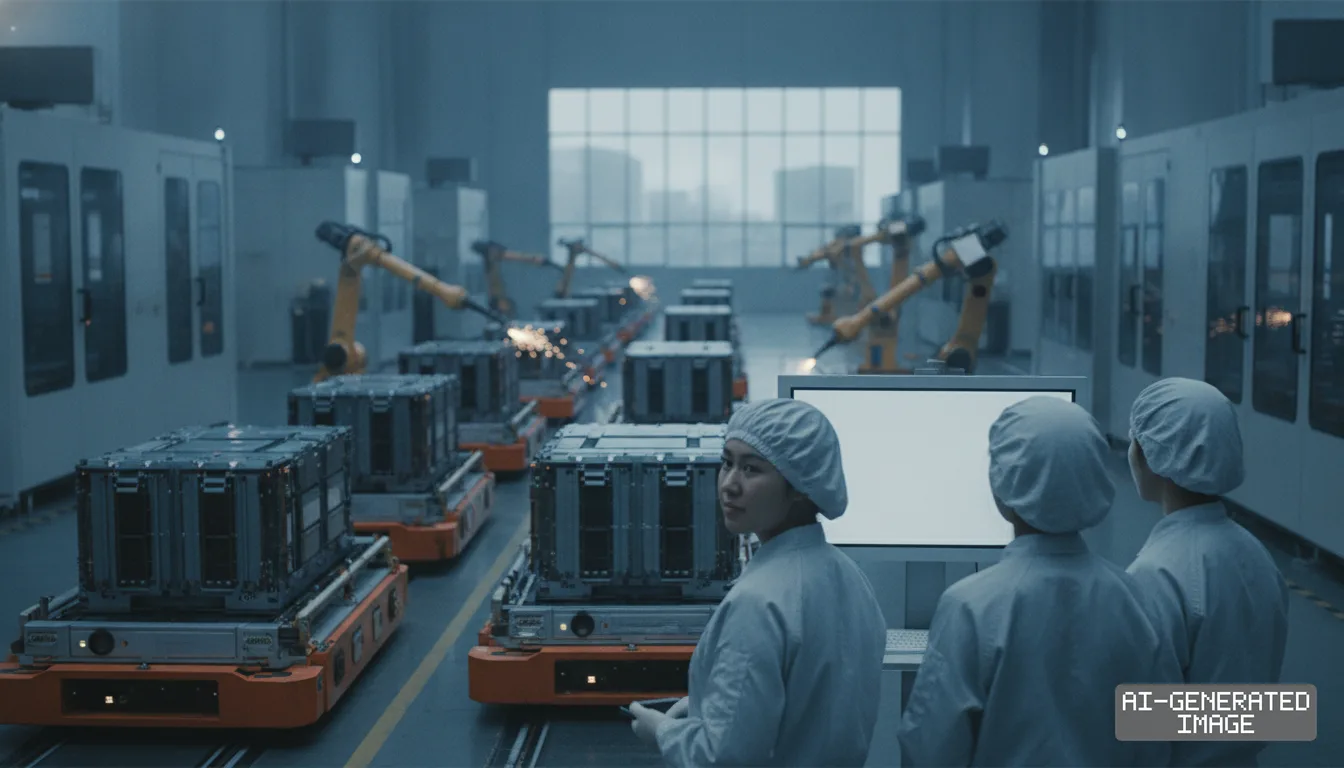
Samsung SDI and LG Energy Solution confirmed production roadmaps on Nov. 26, 2026, to mass-produce lithium iron phosphate batteries for artificial intelligence server backup units by the second quarter of 2027.
The global market for battery backup units inside data centers is projected to expand from $989 million in 2025 to $2.8 billion by 2032. Backup units account for roughly 3% of server rack hardware budgets.
Samsung SDI raised the utilization rate of its small-sized battery division to 78% during the first nine months of 2026. That marked a 28 percentage point increase from roughly 50% recorded over the same period in 2025.
A battery backup unit — a dedicated rack-mounted energy pack that delivers instant power during sudden voltage drops — protects high-load computing infrastructure. AI clusters draw intense power surges that standard facility uninterruptible power supplies cannot buffer fast enough.
Both South Korean manufacturers are pivoting toward lithium iron phosphate, known as LFP, to capture expanding commercial server demand. The chemistry provides higher thermal stability and lower material costs than traditional nickel-cobalt-manganese cells.
Average selling prices for server backup batteries run two to three times higher per unit than utility-scale grid storage cells. The price premium offers both Korean manufacturers higher unit margins during a prolonged demand slump across the passenger electric vehicle sector.
LG Energy Solution is preparing cylindrical LFP lines at its Ochang Energy Plant in Cheongju, South Korea. The company will produce 2170-format cylindrical cells — measuring 21 millimeters wide and 70 millimeters tall — tailored for data center server racks.
The 2170 cells incorporate a tabless design — an internal build removing terminal tabs to cut resistance — that curtails heat during high-power discharge bursts. Lower resistance enables the cells to sustain high discharge currents without triggering thermal runaway.
LG Energy Solution small battery planning managing director Noh In-hak said the unit is preparing mass production of BBU cells for the second quarter of next year. Customer reception remains positive following thermal testing, Noh said.
LG Energy Solution holds more than 50 gigawatt-hours of battery manufacturing capacity across North America. The company is linking cell production with rack integration services through its grid integration unit, Vertech.
Samsung SDI is modifying production tooling at its Seremban Plant 2 in Malaysia to produce 21700-format cylindrical LFP cells. The company is installing dedicated cathode electrode lines while reusing existing winding lines to limit capital expenditure.
The company is upgrading its server backup portfolio from older 18650 cylindrical cells to larger 21700 cells. The 21700 design packs roughly 50% more active material per cell, reducing the total component count in each rack pack.
Samsung SDI showcased its cylindrical LFP backup packs and prismatic grid storage boxes at the RE+ energy conference in Las Vegas. The company previously signed a 16 gigawatt-hour LFP storage supply contract with American developer Jupiter Power.
The company intends to counter Chinese dominance in the LFP segment by emphasizing automated assembly standards and lower fire risk. Server operators require strict fire mitigation guarantees before clearing battery cells for installation inside high-density computing clusters.
United States trade rules also push cloud hyperscalers away from direct battery imports sourced from mainland Chinese suppliers. Korean producers with production facilities in South Korea and Southeast Asia provide compliant alternatives for Western infrastructure projects.
Capital discipline remains central to the rollout plan. Both companies are converting underutilized cylindrical lines built during earlier expansions rather than erecting entirely new greenfield facilities.
Line conversion costs roughly a third of building a dedicated battery plant. The strategy allows both producers to expand LFP volume while containing depreciation expenses across their corporate balance sheets.
Samsung SDI plans to finish commercial line qualification at Seremban Plant 2 by March 2027 ahead of targeted June 2027 shipments. LG Energy Solution has scheduled delivery contracts from its Ochang lines for the second quarter of 2027.
The manufacturers have not published contract pricing or initial volume targets for their LFP server lines, and neither company has named the North American cloud operators receiving qualification samples.
Impact map
How this development propagates across the region and out to global buyers.
| Event | Korea | China | Japan | Global impact |
|---|---|---|---|---|
| AI server BBU LFP commercialization | LG Energy Solution and Samsung SDI convert cylindrical lines for Q2 2027 BBU volume | Contemporary Amperex Technology and BYD face tighter compliance hurdles in North American hyperscale racks | Panasonic holds 2170 capacity for automotive clients, delaying dedicated server LFP rollout | Hyperscale operators absorb 2-3x pricing over grid ESS to secure thermally stable rack backup power |
In this story
- Companies
- Samsung SDILG Energy Solution
- Tickers
- 006400.KS373220.KS
- Exposed
- Jupiter Power
- Policy
- TariffsStandards
- Impact
- Supply ChainCapexPricing
Track every Tariffs development → Track every Standards development →
Related briefings
- LG Energy Solution and Samsung SDI lift factory run rates on ESS Also on Jupiter Power, Samsung SDI, LG Energy Solution
- Samsung SDI secures 16 GWh US LFP supply deal with Jupiter Power Also on Jupiter Power, Samsung SDI, Tariffs
- LG and Samsung SDI schedule 2027 launch for data center LFP cells Also on Standards, Samsung SDI, LG Energy Solution
- CATL launches 9 MWh TENER+ battery with 25-year design life Also on Standards, Samsung SDI, LG Energy Solution
Sources
Reporting
Confidence: high — how we grade this
The documents behind this briefing are linked above. East Asia Brief produces its English text with AI assistance under human editorial review, and does not translate or republish other outlets' articles. See our methodology and AI policy. Spotted an error? Tell us.
The Morning Brief
What changed in Korean, Chinese and Japanese industry overnight — and what it means for your supply chain. One email, weekday mornings, US time. Free.
The Morning Brief is in preparation. Leave your address and we will write to you once — when the first issue is ready. Nothing before that.