GM winds down Detroit battery pack plant ahead of 2027 exit
Staffing at the 480,000-square-foot Brownstown site dropped from 300 to under 12 workers as the automaker moves pack assembly into integrated assembly plants.
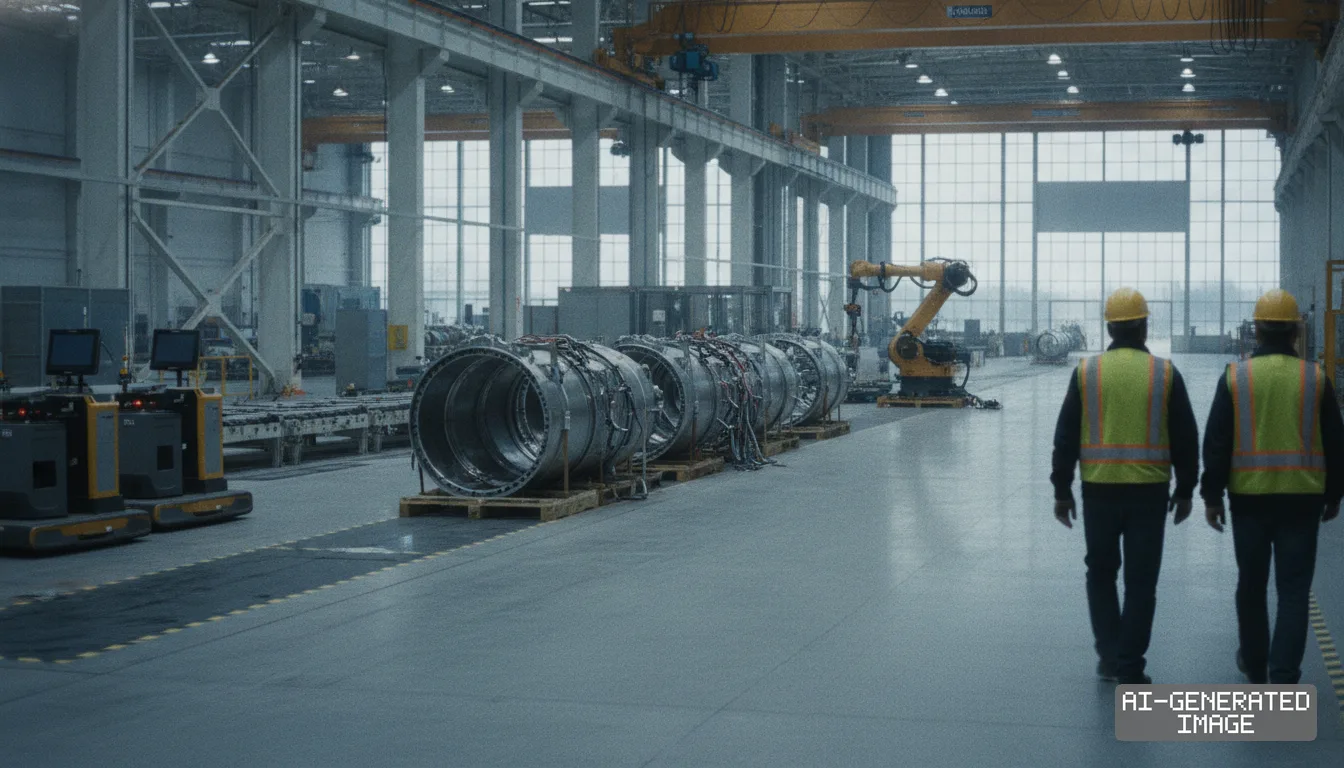
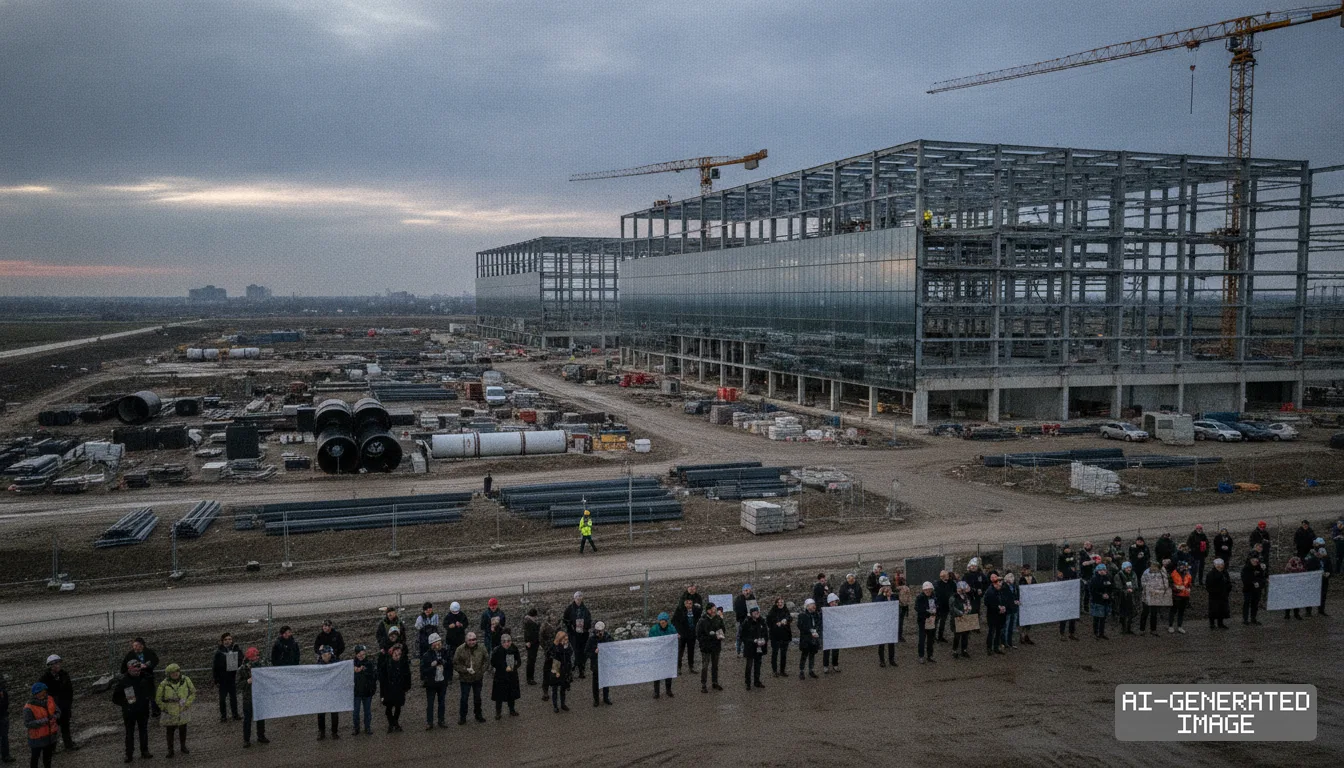
General Motors initiated the phased shutdown of its Brownstown battery pack assembly facility outside Detroit on Nov. 7, 2026, advancing plans to consolidate subpack operations into integrated electric vehicle manufacturing plants.
The automaker plans to surrender the leased 480,000-square-foot site in Brownstown Charter Township in summer 2027. The closure ends active pack assembly at one of the earliest electrification facilities run by General Motors.
Operating headcount at the facility has fallen from roughly 300 employees at peak operations to fewer than 12 workers. The reduction represents an operating staffing contraction of over 95% as legacy programs wind down.
The facility opened in 2009 to build lithium-ion modules and propulsion packs for early electrified vehicles. The plant most recently assembled high-voltage traction packs for the Cadillac Celestiq sedan and Chevrolet Corvette E-Ray hybrid sports car.
Assembly of electric drive motors from the site will move to Rochester Operations in New York, company representatives said. Pack integration will transition into larger Detroit-area vehicle plants.
Paragraph 96 of the national collective bargaining contract between General Motors and the United Auto Workers guarantees transfer rights for displaced employees. The remaining workers will transfer to nearby manufacturing plants, union documentation confirmed.
General Motors is dismantling standalone pack assembly nodes to lower overhead costs across North America. Battery packs represent roughly 30% to 40% of the total manufacturing bill of materials for an electric vehicle.
Standalone pack shops create intermediate trucking runs and redundant material handling steps. Shipping finished battery modules across regional highways between separate facilities adds handling expenses and inventory carrying charges, company manufacturing specialists said.
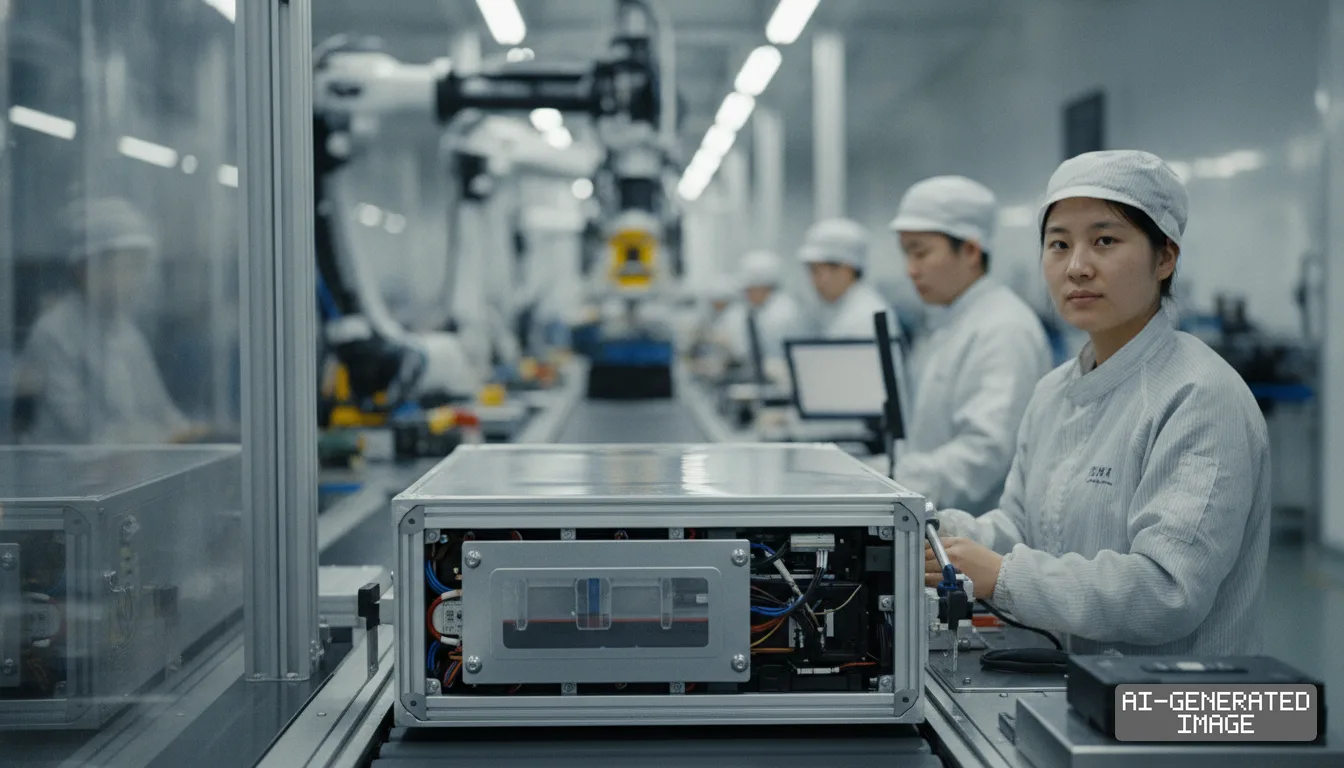
The automaker is concentrating pack fabrication within large vehicle assembly factories. Factory ZERO in Detroit-Hamtramck and Orion Assembly in Michigan now assemble packs on-site directly adjacent to final vehicle assembly lines.
The closure follows a contraction in electric vehicle delivery volumes across North America. Deliveries of battery electric vehicles by General Motors fell 61.7% year-on-year in the third quarter to 25,473 units.
The volume decline reflects waning consumer uptake and the expiration of federal purchase incentives. Slowing vehicle line rates forced plant managers to rationalize underutilized square footage across the propulsion division.
General Motors also restructured a secondary commercial building on the Michigan State Fairgrounds site in Detroit. The 300,000-square-foot facility was originally intended for a $55 million hydrogen fuel cell manufacturing joint venture with Piston Automotive.
General Motors assumed direct control over that long-term lease after terminating its hydrogen business venture with Honda Motor. Planners are evaluating non-fuel-cell industrial uses for the fairgrounds square footage, company representatives said.
The site closures align with larger capital retrenchments in upstream battery cell capacity. General Motors withdrew from a planned joint venture cell plant in New Carlisle, Indiana with partner Samsung SDI.
General Motors also transferred project development leadership of a $2.6 billion cell plant in Lansing, Michigan to its partner LG Energy Solution. LG Energy Solution now directs site completion independently at the 50-gigawatt-hour Lansing factory.
LG Energy Solution continues to supply pouch battery cells through the Ultium Cells joint venture. The partnership operates high-volume cell plants in Warren, Ohio and Spring Hill, Tennessee, while adjusting shifts to match vehicle assembly schedules.
The Warren plant reached a cumulative production milestone of 100 million battery cells in December 2024. Output from those mega-cell plants now feeds vehicle-adjacent pack shops rather than detached feeder sites like Brownstown.
Contract manufacturing programs are also adjusting to the footprint consolidation. The low-volume Cadillac Celestiq is hand-assembled at the Warren Technical Center in Michigan, where the vehicle program commands retail pricing starting above $340,000.
General Motors will complete decommissioning of the Brownstown building when the commercial lease expires in summer 2027. Facility tooling will be removed or transferred to internal powertrain hubs over the coming months.
General Motors has not published a formal Worker Adjustment and Retraining Notification filing with Michigan authorities for the action, and the automaker has not confirmed the permanent assembly plant for future Cadillac Celestiq battery packs.
Impact map
How this development propagates across the region and out to global buyers.
| Event | Korea | China | Japan | Global impact |
|---|---|---|---|---|
| GM battery pack consolidation | LG Energy Solution absorbs standalone pack integration into direct cell delivery channels | No exposure, North American domestic vehicle assembly networks isolated | Honda Motor exits commercial hydrogen propulsion venture tied to Detroit site repurposing | EV makers eliminate detached pack plants to cut unit battery costs by eliminating freight |
In this story
- Companies
- General MotorsLG Energy Solution
- Tickers
- GM373220.KS
- Exposed
- Samsung SDIPiston Automotive
- Impact
- Supply ChainCapexCost Structure
Related briefings
- Posco Holdings starts direct lithium extraction test runs for Korean cathode lines Also on General Motors, Samsung SDI, LG Energy Solution
- CATL widens global EV battery lead to 39.4% as Korean share slips Also on General Motors, Samsung SDI, LG Energy Solution
- LG Energy Solution tests hybrid cells to fit prismatic packs Also on General Motors, Samsung SDI, LG Energy Solution
- Samsung SDI restarts Synergy Cells investment for 2028 ramp Also on General Motors, Samsung SDI, LG Energy Solution
Sources
Reporting
Confidence: medium — how we grade this
The documents behind this briefing are linked above. East Asia Brief produces its English text with AI assistance under human editorial review, and does not translate or republish other outlets' articles. See our methodology and AI policy. Spotted an error? Tell us.
The Morning Brief
What changed in Korean, Chinese and Japanese industry overnight — and what it means for your supply chain. One email, weekday mornings, US time. Free.
The Morning Brief is in preparation. Leave your address and we will write to you once — when the first issue is ready. Nothing before that.