LG Energy Solution tests hybrid cells to fit prismatic packs
Industry reports show prototype PtoP units made at Ochang Plant 1 with System R&D tools undergo vehicle review with GM as global carmakers demand rigid casing for safety.

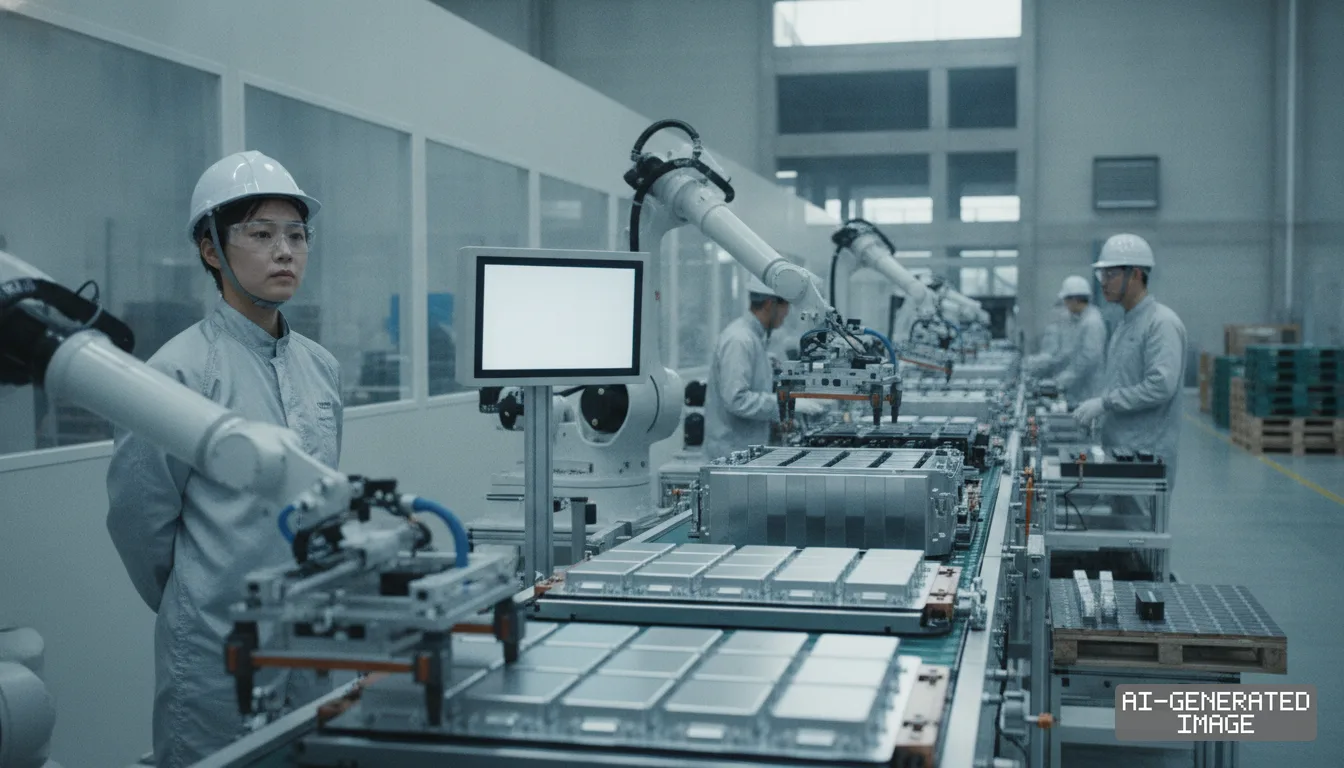
LG Energy Solution began prototyping hybrid pouch-to-prismatic battery cells at its Ochang plant on Oct. 31, 2026, advancing an architecture to supply automakers seeking rigid enclosure without scrapping existing cell lines.
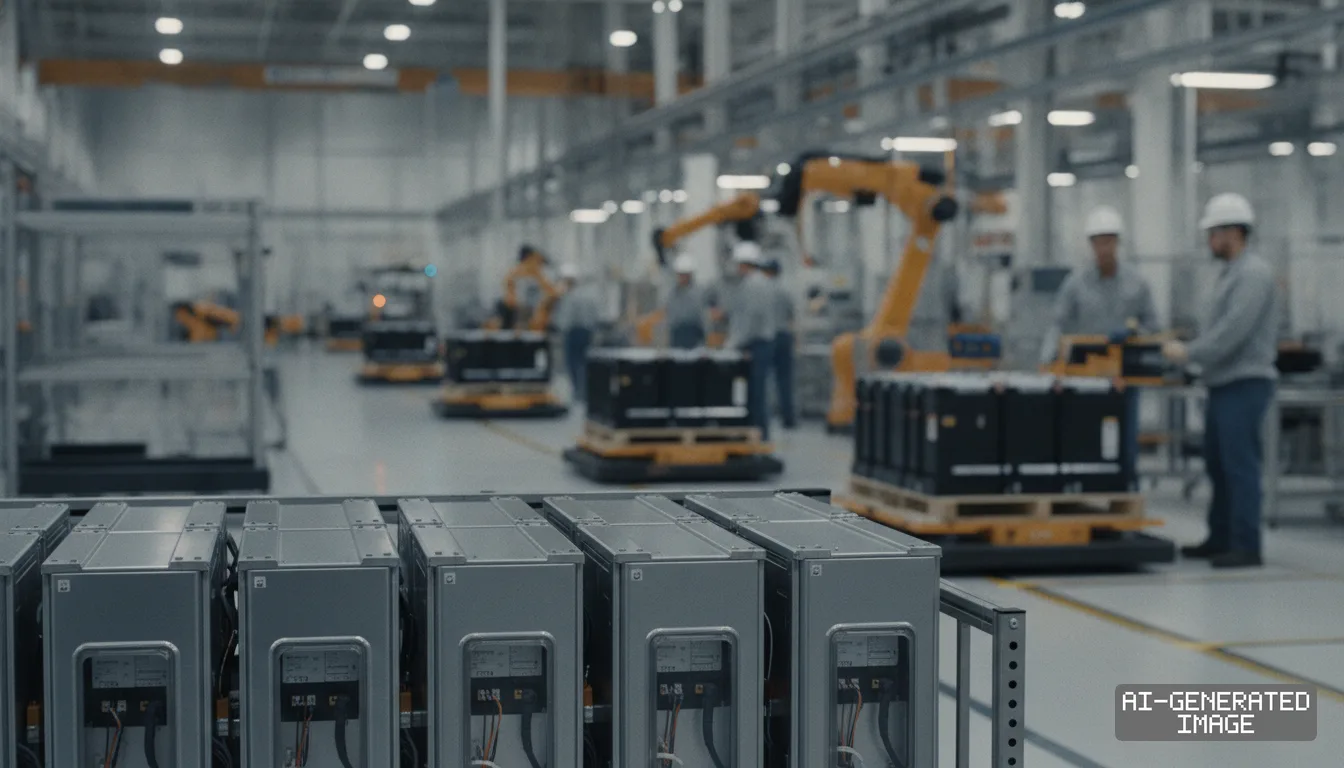
The technology packages multiple pouch-type cells within an external metal casing, creating a rigid form factor that mimics conventional prismatic batteries while retaining pouch internals, according to industry reports.
LG Energy Solution relies on pouch configurations for roughly 80% of its global automotive capacity, but the company has not published capital expenditure figures for the pilot project.
The pilot assembly line operates inside Ochang Energy Plant 1 in North Chungcheong Province, South Korea, where engineering teams are evaluating initial mechanical stress and dimensional tolerance samples.
Equipment maker System R&D supplied the standalone machinery used to encase the pouch units, operating as a key manufacturing automation partner to the LG Electronics Production Engineering Research Institute.
General Motors is reviewing the hybrid architecture for potential integration into future passenger models, expanding an ongoing technical collaboration between the Detroit automaker and its Korean battery partner.
The American automaker shares the Ultium Cells joint venture with LG Energy Solution, running operational cell plants in Ohio and Tennessee alongside a third facility under construction in Michigan.
Those three Ultium Cells factories represent over 100 gigawatt-hours of targeted annual cell capacity, where shifting vehicle designs could influence long-term tooling requirements across North America.
Automakers in Europe and North America have increasingly favored prismatic battery designs to simplify pack-level integration and reduce fire propagation risks in heavy passenger vehicles.
Prismatic batteries enclose electrodes inside rigid aluminum or steel cans that provide higher mechanical defense during side-impact collisions than flexible aluminum laminated pouch cells, engineers said.
European automakers including Volkswagen and BMW have accelerated the industry pivot by selecting rigid prismatic geometry as the baseline standard for their dedicated electric vehicle architectures.
That industry shift has placed operational pressure on pouch-focused cell suppliers to offer rigid form factors without incurring massive capital write-downs on installed electrode coating assets.
The hybrid architecture, designated internally as Pouch to Prismatic or PtoP, resolves that manufacturing dilemma by feeding finished pouch cells directly into metallic outer protective shells.
Standard prismatic cell production requires inserting bare wound or stacked electrode assemblies into a metal can before injecting liquid electrolyte and laser-welding the terminal cap.
The PtoP method alters that sequence by enclosing individual pouch cells that are already filled with electrolyte and hermetically sealed inside moisture-resistant polymer-aluminum foil.
Engineers apply specialized structural adhesive inside the metallic bracket to secure the internal pouches and prevent cell swelling, the volumetric expansion that occurs during repeated recharging cycles.
Positive and negative lead tabs protruding from the enclosed pouches are welded together internally and joined to external terminals mounted on the metal housing.
This hybrid assembly eliminates the need for high-pressure safety vents common to standard prismatic units, because each enclosed pouch cell retains its own sealed pouch structure.
By preserving existing front-end lines, LG Energy Solution avoids the billions of dollars in capital expenditure needed to construct greenfield prismatic can plants.
The tactical reuse of existing pouch manufacturing lines protects operating margins and factory utilization across overseas plants as electric vehicle sales growth moderates in major Western markets.
Domestic rival Samsung SDI has long dominated South Korea's prismatic cell output, supplying rigid rectangular units to luxury European automakers including BMW and the Stellantis group.
Fellow domestic producer SK On has also developed prototype prismatic concepts to diversify its portfolio, intensifying rivalry among Korean manufacturers seeking broader automotive supply agreements.
LG Energy Solution aims to distinguish its offering by becoming the only battery producer with high-volume capacity across cylindrical, pouch and prismatic form factors.
The company has not filed a regulatory disclosure on the DART system or issued an official announcement confirming completion of the PtoP development program.
Published trade notices do not state the planned pilot production volumes, specific cell dimensions or commercial delivery schedules for the Ochang test equipment.
General Motors and LG Energy Solution previously scheduled commercial production of jointly developed prismatic cell chemistry for 2028, with preproduction trials beginning late next year.
Engineers at Ochang Energy Plant 1 will continue running mechanical compression and thermal stress trials on the hybrid prototypes through the fourth quarter.
Impact map
How this development propagates across the region and out to global buyers.
| Event | Korea | China | Japan | Global impact |
|---|---|---|---|---|
| PtoP hybrid battery prototyping | LG Energy Solution repurposes Ochang pouch lines to limit capex, challenging Samsung SDI prismatic dominance | CATL and BYD face Korean pouch converter offering rigid cans without new greenfield spending | Panasonic remains committed to cylindrical lines while Japanese automakers evaluate standardized prismatic sourcing | Automakers gain structural pack protection while battery maker curbs line conversion writedowns |
In this story
- Companies
- LG Energy SolutionGeneral Motors
- Tickers
- 373220.KSGM
- Exposed
- Samsung SDI
- Impact
- CapexSupply ChainOrder Book
Related briefings
- Samsung SDI restarts Synergy Cells investment for 2028 ramp Also on General Motors, Samsung SDI, LG Energy Solution
- Samsung SDI buys GM stake in Indiana battery venture for ESS Also on General Motors, Samsung SDI, LG Energy Solution
- Posco Holdings starts direct lithium extraction test runs for Korean cathode lines Also on General Motors, Samsung SDI, LG Energy Solution
- CATL widens global EV battery lead to 39.4% as Korean share slips Also on General Motors, Samsung SDI, LG Energy Solution
Sources
Reporting
Confidence: medium — how we grade this
The documents behind this briefing are linked above. East Asia Brief produces its English text with AI assistance under human editorial review, and does not translate or republish other outlets' articles. See our methodology and AI policy. Spotted an error? Tell us.
The Morning Brief
What changed in Korean, Chinese and Japanese industry overnight — and what it means for your supply chain. One email, weekday mornings, US time. Free.
The Morning Brief is in preparation. Leave your address and we will write to you once — when the first issue is ready. Nothing before that.