CATL keeps lithium-air battery research on post-2030 roadmap
The Chinese battery manufacturer holds no patents for a 2,000-kilometer cell, keeping priority on 2026 sodium-ion scale and 2027 solid-state pilot lines.
Contemporary Amperex Technology Co., Limited reaffirmed its long-term focus on lithium-air batteries Nov. 7, 2026, as renewed speculation circulated regarding theoretical vehicle driving ranges of 2,000 kilometers.
The discussion followed technical analyses dissecting the chemistry's electrochemical ceiling. Lithium-air cells pull oxygen directly from surrounding air rather than housing heavy metal cathodes, achieving a theoretical energy density of 3,505 watt-hours per kilogram.
That chemical maximum is roughly seven times higher than the 500 watt-hours per kilogram targeted by experimental solid-state cells. CATL currently commands roughly 37% of the global electric vehicle battery installation market.
CATL Chief Scientist Wu Kai originally set out the company's interest in the chemistry at the 2026 Equipment Powerhouse Forum in Beijing on May 30, 2026, according to forum proceedings.
Wu framed lithium-air cells as a research horizon planned strictly for deployment after 2030. The timeline places the technology well behind near-term sodium-ion commercialization and mid-term solid-state battery validation, Wu said.
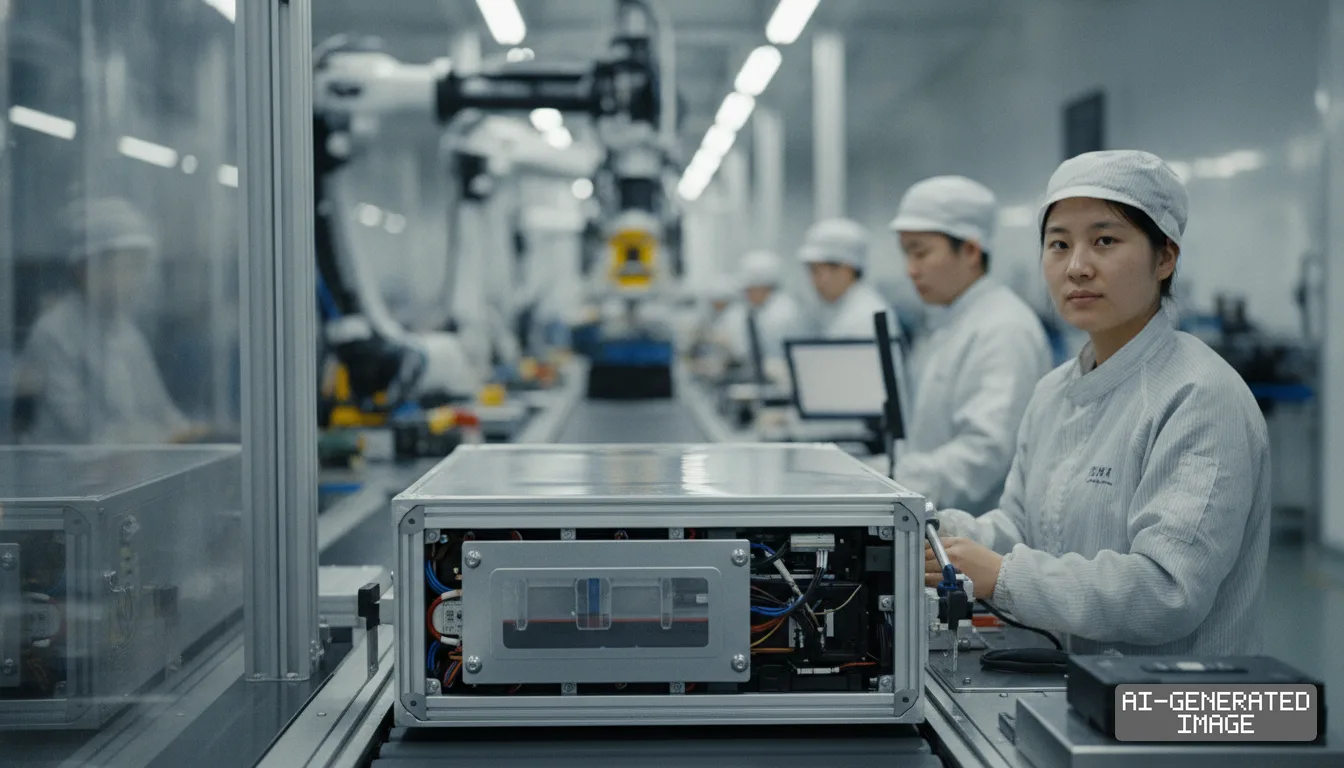
The speculative 2,000-kilometer driving range reflects mathematical projections derived from cell-level energy potential rather than a committed automotive system. Complete battery packs require pumps, scrubbers and thermal management hardware that reduce usable vehicle density.
The China National Intellectual Property Administration has not published any patent filings under CATL specifying a 2,000-kilometer lithium-air cell design. CATL has also not published an automotive application program for the chemistry.
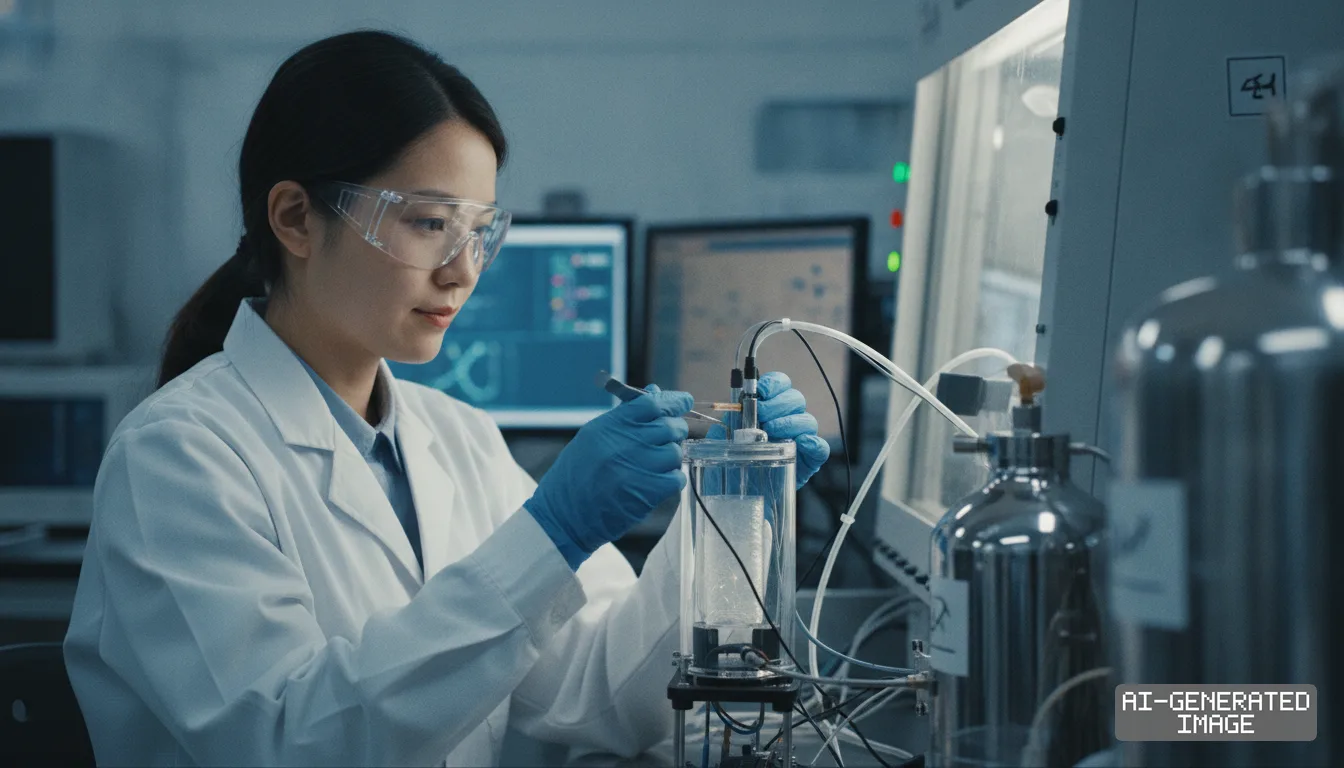
Lithium-air chemistry uses metallic lithium at the negative electrode and environmental oxygen at the positive electrode. During discharge, lithium reacts with ambient oxygen inside a porous carbon structure to create lithium peroxide.
Reversing that chemical reaction during charging releases oxygen back into the atmosphere. The open architecture eliminates cathode metals like nickel, cobalt and manganese, which account for roughly 40% of standard cell weight.
Engineers face severe physical hurdles in keeping moisture and carbon dioxide from degrading the reactive lithium metal. Parasitic reactions during repeated charging cycles historically degrade electrolyte performance within dozens of cycles.
Laboratory prototypes developed at American institutions like Argonne National Laboratory reached 1,000 cycles at 1,200 watt-hours per kilogram in 2025. Industrializing those operating conditions into road-worthy automotive enclosures remains unproven across the sector.
For automotive buyers, CATL's actual production timeline centers on less volatile chemistry transitions. The battery maker is rolling out sodium-ion batteries at scale during the fourth quarter of 2026, Wu said.
Sodium-ion cells replace lithium with abundant sodium salts, eliminating expensive critical minerals. While energy density tops out near 175 watt-hours per kilogram, raw material costs run roughly 30% below lithium iron phosphate.
Changan Automobile began integrating CATL's Naxtra sodium-ion packs into production passenger cars in 2026. The initial passenger models deliver roughly 400 kilometers of driving range on pure sodium battery power.
Beyond budget passenger cars, CATL signed a three-year supply agreement with HyperStrong in May 2026 covering 60 gigawatt-hours of sodium-ion capacity. That volume targets grid storage installations, where raw cell weight is secondary.
The intermediate bridge between current liquid electrolytes and metal-air cells is all-solid-state technology. Solid-state architectures replace flammable liquid electrolytes with solid ceramics or sulfides, lifting energy density toward 500 watt-hours per kilogram.
Global automakers and cell builders have committed billions of dollars to commercialize solid electrolytes before 2030. Toyota Motor and LG Energy Solution plan to introduce initial automotive solid-state cells by 2028.
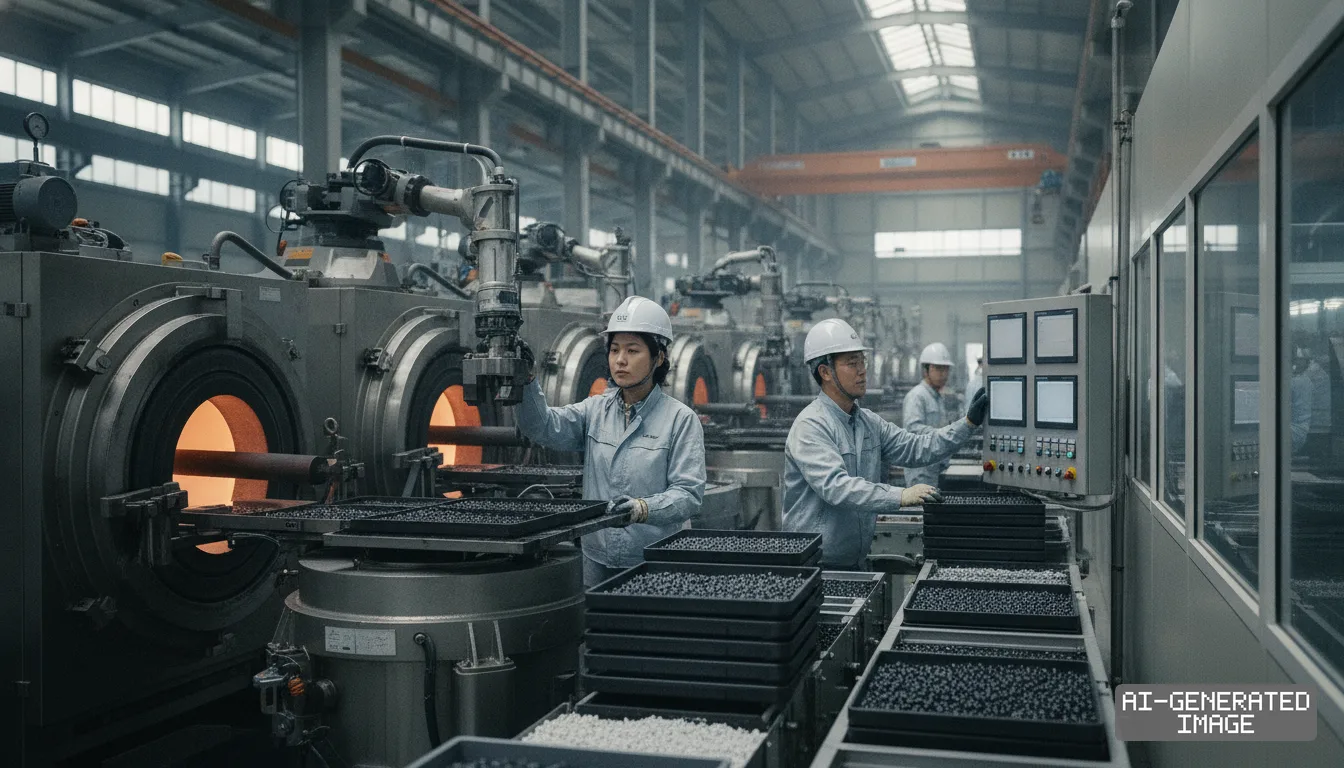
CATL plans to begin small-batch pilot validation for its own all-solid-state cells in 2027, according to company roadmap milestones. Large-scale automotive adoption is not expected before 2030, the company said.
By declaring lithium-air its post-2030 focus, CATL signals that solid-state chemistry will not represent the final performance ceiling. Chinese battery laboratories are already evaluating alternatives to avoid future technical bottlenecks against Asian and Western rivals.
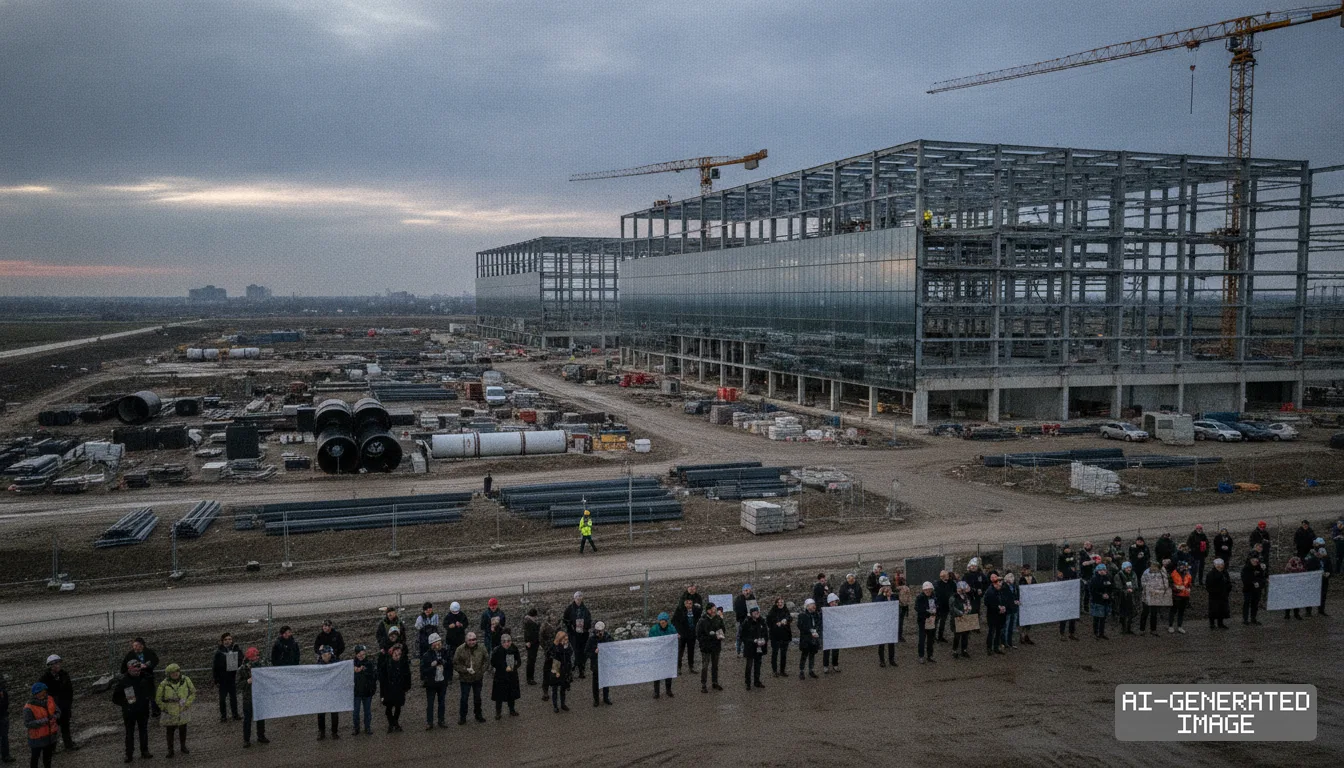
The commercialization gap between laboratory milestones and vehicle assembly lines remains wide. Converting an open air-breathing electrochemical reaction into a sealed, crash-tolerant chassis module requires manufacturing processes that do not exist today.
South Korean competitors LG Energy Solution and Samsung SDI have focused near-term research spending on sulfide solid-state electrolytes and high-nickel cathodes. Neither manufacturer has scheduled commercial resources toward open metal-air systems for automotive use.
European and North American supply chains remain preoccupied with localizing basic lithium iron phosphate and ternary production lines. Few Western tier-one suppliers maintain active pilot programs in lithium-air automotive architectures.
CATL's domestic research network benefits from state-backed research initiatives. The Chinese Ministry of Industry and Information Technology has encouraged advanced battery research clusters to investigate ultra-high-density chemistries, including lithium-sulfur and lithium-air concepts.
Automotive manufacturers evaluate long-term chemistry announcements to set vehicle architecture platforms years in advance. A true commercial transition toward metal-air systems would require entirely new vehicle packaging, ventilation and safety certification standards.
The immediate commercial battle remains anchored in the market deployment of 2026 sodium-ion packs and 2027 solid-state trial batches. Practical automotive performance advances will depend on those platforms long before metal-air chemistry matures.
CATL's next verified technology milestone arrives in 2027, when pilot lines begin small-batch production trials to validate all-solid-state cell yields and manufacturing costs under automotive standards.
Impact map
How this development propagates across the region and out to global buyers.
| Event | Korea | China | Japan | Global impact |
|---|---|---|---|---|
| Lithium-air R&D roadmap | LG Energy Solution concentrates capital on 2028 sulfide solid-state commercialization | CATL prioritizes 2026 sodium-ion scale while keeping lithium-air in research past 2030 | Toyota Motor advances 2027-2028 automotive solid-state battery deployment | EV platforms remain anchored in liquid and upcoming solid-state cells through 2030 |
In this story
- Companies
- Contemporary Amperex Technology Co.Limited
- Tickers
- 300750.SZ
- Exposed
- Changan AutomobileToyota MotorLG Energy Solution
- Impact
- Supply ChainCapex
Related briefings
- CATL says 14-year-old LFP cells retain 85% capacity after tests Also on Limited, Contemporary Amperex Technology Co., LG Energy Solution
- CATL opens 8,000-square-meter battery service hub in Oslo Also on Limited, Contemporary Amperex Technology Co.
- CATL Separates Six Minute Fast Charging From 1,000 Km Range Also on Limited, Contemporary Amperex Technology Co.
- Changan and CATL Expand 75 GWh Cell Hub and Solid-State Line Also on Changan Automobile, Toyota Motor, LG Energy Solution
Sources
Reporting
Confidence: medium — how we grade this
The documents behind this briefing are linked above. East Asia Brief produces its English text with AI assistance under human editorial review, and does not translate or republish other outlets' articles. See our methodology and AI policy. Spotted an error? Tell us.
The Morning Brief
What changed in Korean, Chinese and Japanese industry overnight — and what it means for your supply chain. One email, weekday mornings, US time. Free.
The Morning Brief is in preparation. Leave your address and we will write to you once — when the first issue is ready. Nothing before that.