Posco Holdings starts direct lithium extraction test runs for Korean cathode lines
The continuous brine-to-hydroxide loop links Argentine extraction to Gwangyang refineries to supply non-FEOC battery materials to Western automakers.
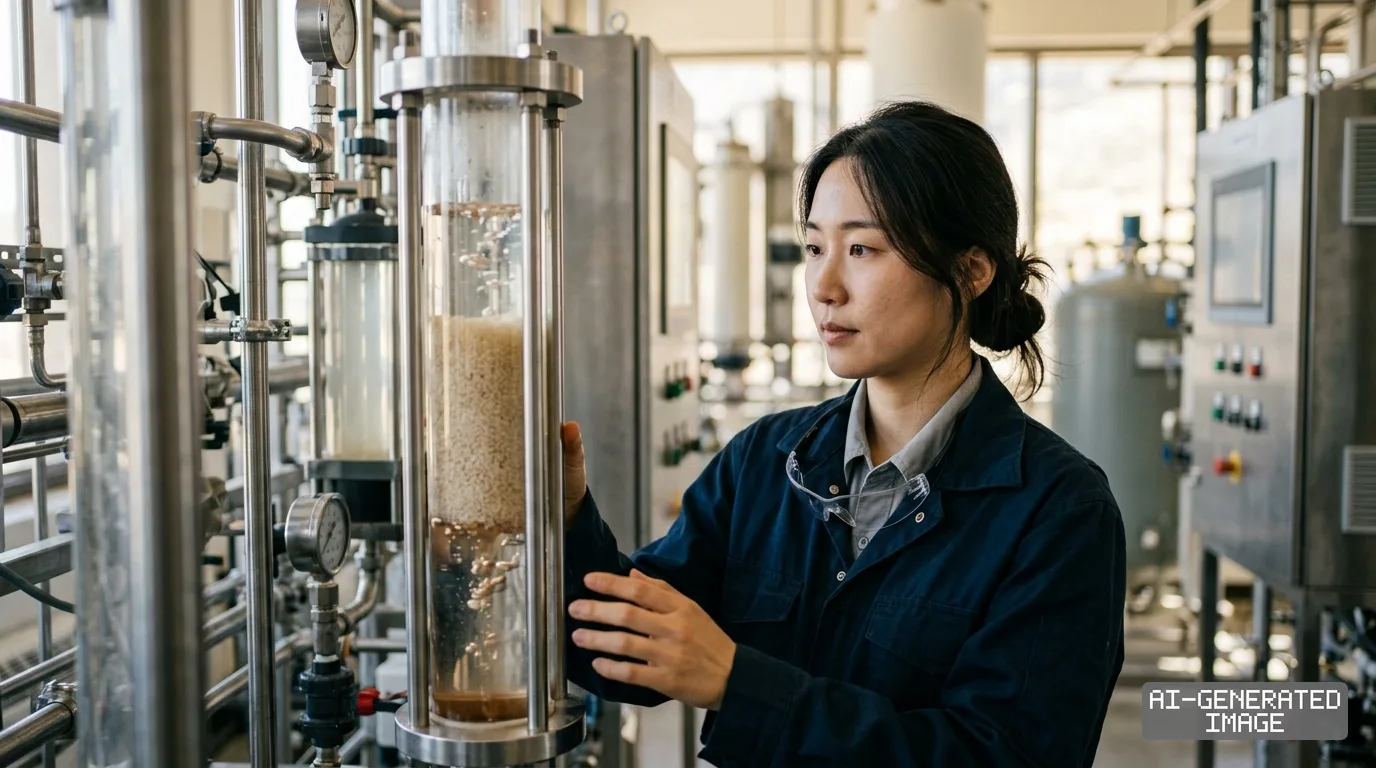
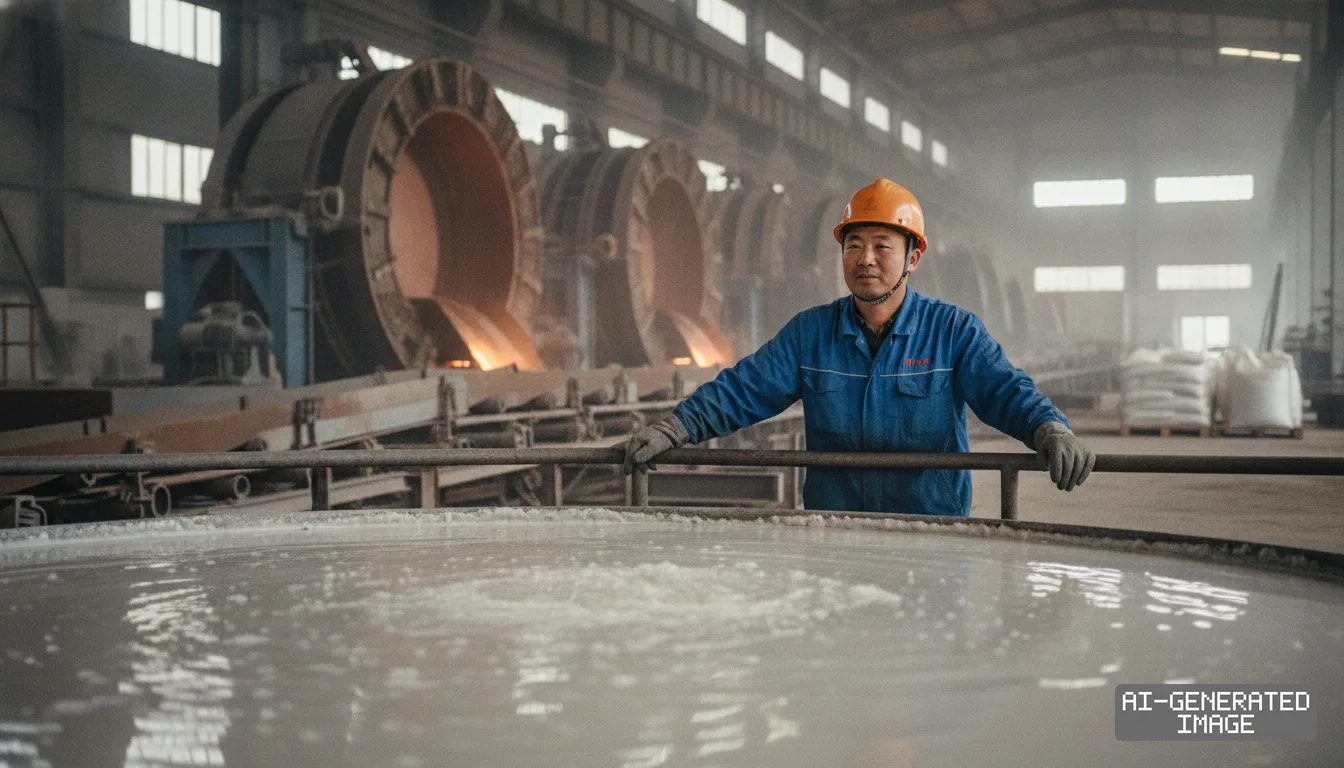
Posco Holdings has commenced continuous commercial-scale test runs of its proprietary direct lithium extraction system at the Salar del Hombre Muerto salt flat in Argentina, completing the upstream link of an integrated mineral corridor designed to feed its domestic battery cathode manufacturing operations. The testing phase evaluates the automated adsorption columns and brine-reinjection infrastructure at the newly constructed Phase 1 extraction plant, which is designed to yield an initial 25,000 metric tons of lithium carbonate equivalent annually. Intermediate feedstocks produced from the high-altitude Andean site will ship directly to South Korea for chemical conversion into battery-grade lithium hydroxide monohydrate.
South Korea's largest steelmaker and battery materials producer acquired the mining concessions in Salar del Hombre Muerto in 2018 for $280 million, committing an additional $830 million across initial extraction, concentration, and conversion assets. The group's direct lithium extraction technology replaces traditional open-air solar evaporation ponds with selective resin-adsorption columns, cutting the processing cycle from 18 months down to less than 48 hours. By moving brine through automated column arrays, the facility recovers dissolved lithium ions before returning the depleted brine to peripheral underground reservoirs, reducing surface water loss across the fragile salt-flat basin.
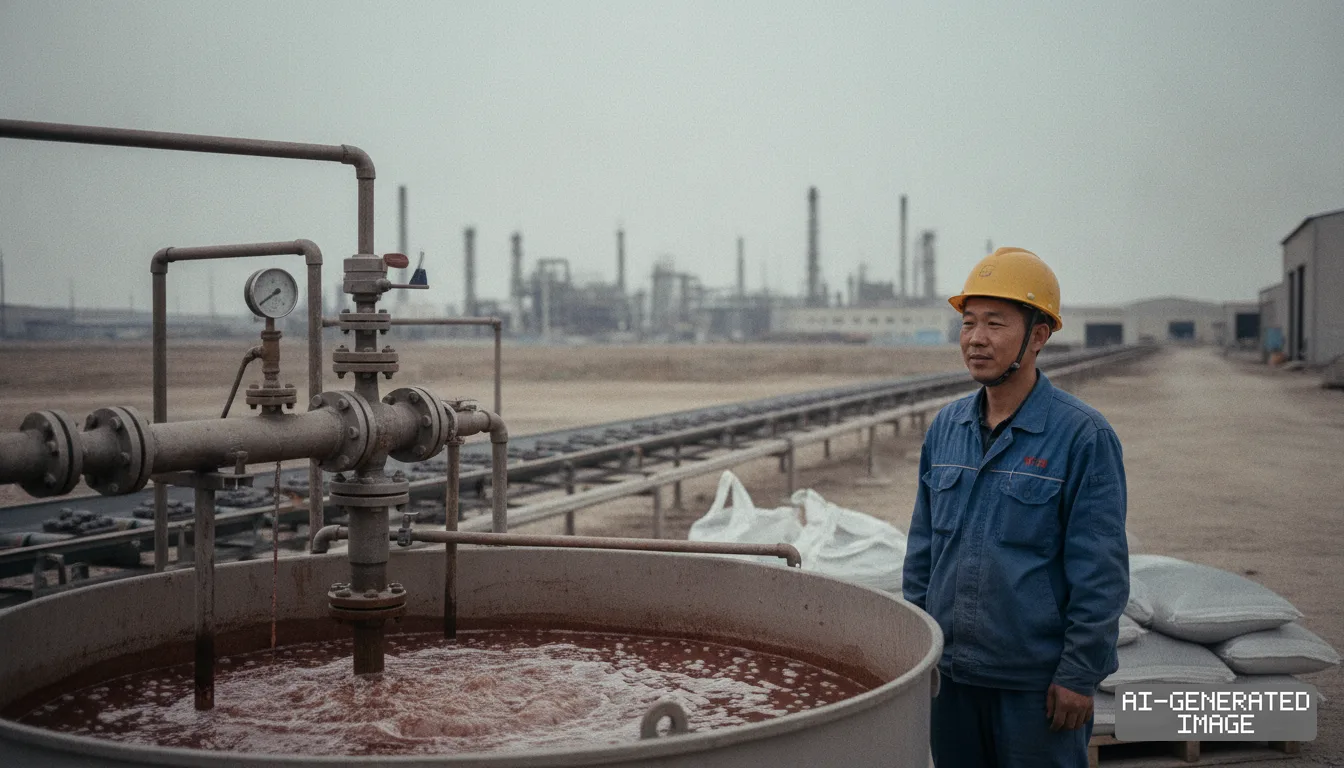
The continuous pilot and qualification trials at Hombre Muerto measure operational parameters under extreme high-altitude conditions, focusing on resin longevity, chemical desorption efficiency, and fresh-water recycling rates. Posco's process uses an engineered inorganic resin that selectively captures lithium ions while rejecting magnesium, calcium, and sulfate impurities present in the raw brine. After chemical elution, the lithium-rich stream undergoes membrane nanofiltration and chemical precipitation to yield a semi-refined lithium phosphate cake containing approximately 40 percent lithium carbonate equivalent, alongside high-purity crude lithium carbonate.
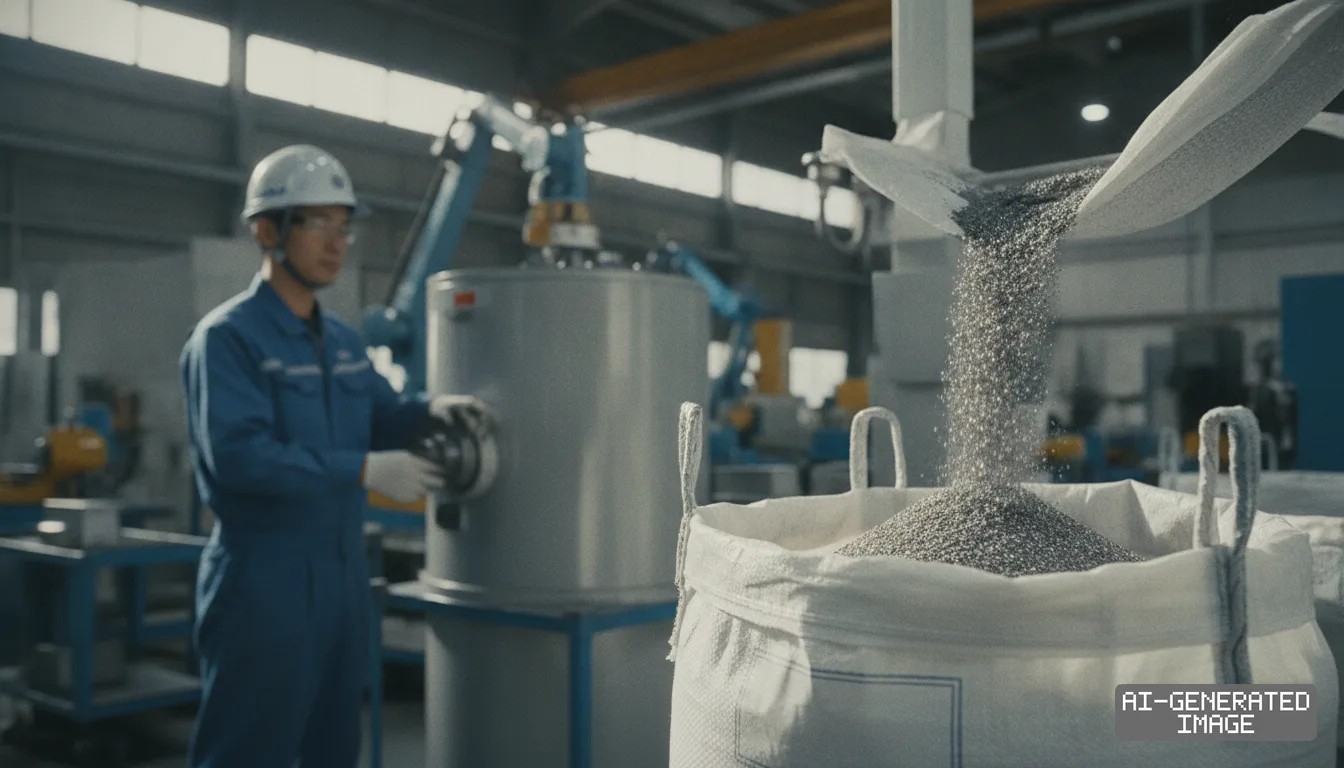
Posco Logistics manages the overland transit of the intermediate lithium materials across the Andes mountain range to northern Chilean deep-water ports, where dry-bulk and container vessels carry the cargo across the Pacific to South Korea's Port of Gwangyang. At the Yulchon Industrial Complex in Gwangyang, the imported intermediates enter Posco Lithium Solution's dedicated conversion facility. The plant applies causticization, filtration, and crystallization technologies to transform the South American intermediate salts into battery-grade monohydrate lithium hydroxide, a primary precursor required for high-nickel cathode chemistries.
The primary operational objective of this cross-border structure is compliance with the United States Inflation Reduction Act and the European Union Critical Raw Materials Act. Under United States Department of the Treasury guidelines for Section 30D clean vehicle tax credits, electric vehicle batteries cannot contain critical minerals extracted, processed, or recycled by a Foreign Entity of Concern, which includes enterprises owned or controlled by Chinese state or corporate entities. Because Chinese merchant chemical refiners process more than 65 percent of global battery-grade lithium hydroxide, Western automakers face severe regulatory vulnerabilities when sourcing standard toll-refined materials.
Posco Future M, the battery materials manufacturing arm of Posco Group, holds multi-year supply contracts with global automakers and joint-venture cell producers, including Ultium Cells, the manufacturing partnership between LG Energy Solution and General Motors, and StarPlus Energy, the joint venture between Samsung SDI and Stellantis. These joint ventures produce nickel-cobalt-manganese-aluminum cells that require lithium hydroxide rather than lithium carbonate to support cathode calcination at lower temperatures. By controlling both the upstream Argentine extraction assets and the Gwangyang conversion plants without Chinese equity participation, Posco provides verifiable documentation certifying non-FEOC origin.
The Argentine brine operation operates in tandem with Posco's hard-rock lithium conversion complex in Gwangyang, where a parallel 43,000-metric-ton plant processes spodumene concentrate imported from Pilbara Minerals in Western Australia. Posco Pilbara Lithium Solution, an 82-18 joint venture between Posco Holdings and the Australian mining group, achieved commercial output from its first 21,500-ton train earlier this year and is completing cold-commissioning trials on its second production train. The combined throughput from Australian spodumene lines and Argentine brine streams establishes a domestic lithium conversion hub in Gwangyang with an aggregate output capacity of 68,000 metric tons of battery-grade lithium hydroxide per year.
Operating data from the Hombre Muerto test runs will confirm unit production costs for Posco's direct lithium extraction technology, which company regulatory filings project will operate with cash costs below $5,000 per metric ton of lithium carbonate equivalent. While direct extraction facilities demand higher upfront capital expenditures than conventional evaporation basins due to precision adsorption machinery and chemical reagents, their high recovery rates exceeding 80 percent compared to 40 to 50 percent for traditional pond systems deliver lower operating costs per unit of recovered lithium metal. For domestic battery producers, securing refined hydroxide inside South Korea eliminates shipping delays, import tariffs, and toll-refining price spreads.
Posco Holdings has committed to expanding its global lithium capacity to 423,000 metric tons per year by 2030 under its corporate critical materials roadmap, supporting its goal of complete vertical integration across raw materials, precursor synthesis, and active cathode materials. Engineering and ground preparation for Phase 2 of the Hombre Muerto development, which adds an additional 25,000 metric tons of annual capacity through twin facilities in Argentina and Gwangyang, is progressing toward structural completion at the northern end of the salt flat.
Initial commercial shipments of qualified battery-grade lithium hydroxide derived from the Argentine extraction circuit are scheduled for delivery from the Gwangyang conversion plant to Posco Future M's cathode facilities in Pohang and Gwangyang in the fourth quarter of 2026.
Impact map
How this development propagates across the region and out to global buyers.
| Event | Korea | China | Japan | Global impact |
|---|---|---|---|---|
| Argentine DLE test runs | cathode feedstock integration | refining bypass | merchant material competition | non-FEOC compliant lithium supply |
In this story
- Companies
- Posco HoldingsPosco Future M
- Tickers
- 005490.KS003670.KS
- Exposed
- LG Energy SolutionGeneral MotorsPilbara MineralsStellantisSamsung SDI
- Policy
- SubsidiesEconomic SecurityTax Credits
- Impact
- Supply ChainCapexComplianceCost Structure
Track every Subsidies development → Track every Economic Security development → Track every Tax Credits development →
Related briefings
- POSCO Chairman Urges Australia Critical Minerals Alliance to Diversify Supply Also on Pilbara Minerals, POSCO Holdings, POSCO Future M
- POSCO Future M signs $776M LFP cathode supply deal with SK On Also on POSCO Holdings, POSCO Future M, Samsung SDI
- Samsung SDI buys GM stake in Indiana battery venture for ESS Also on Stellantis, General Motors, Tax Credits
- South Korea Expands Advanced Battery Tax Credits to Rebalance Domestic Fabs Also on POSCO Future M, Tax Credits, Samsung SDI
Sources
This briefing carries no sources block. It was written from our desks’ working knowledge of the sector rather than from documents retrieved for this piece. Read it as orientation and check any figure you intend to act on — how we source briefings.
This briefing carries no linked sources: it was written from our desks' working knowledge of the sector rather than from documents retrieved for this piece. East Asia Brief publishes no citation it cannot link. Our English text is produced with AI assistance under human editorial review. See our methodology and AI policy. Spotted an error? Tell us.
The Morning Brief
What changed in Korean, Chinese and Japanese industry overnight — and what it means for your supply chain. One email, weekday mornings, US time. Free.
The Morning Brief is in preparation. Leave your address and we will write to you once — when the first issue is ready. Nothing before that.