Ford licenses CATL battery technology for Fathom electric pickup
The carmaker will build lithium iron phosphate cells at its $3 billion Michigan facility to circumvent federal tariffs on imported packs.
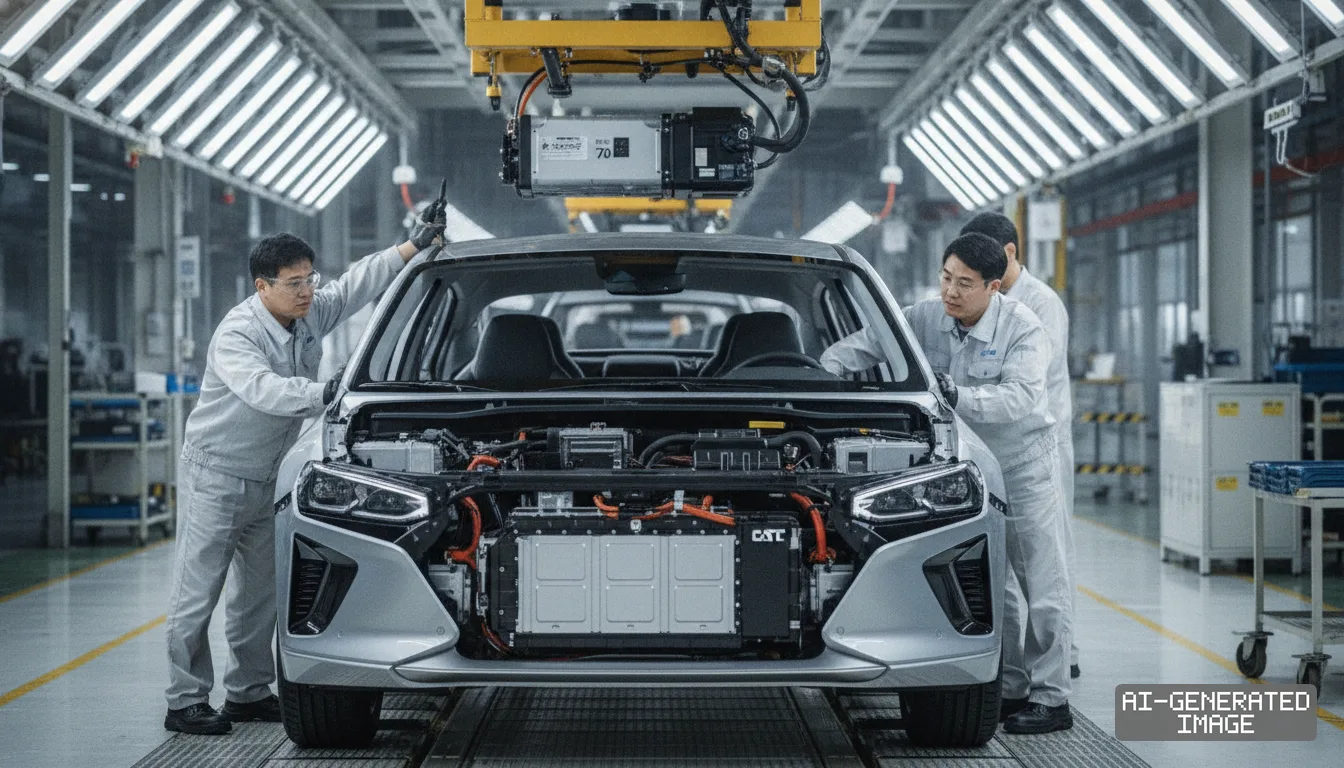
Ford Motor confirmed Nov. 27 that its upcoming Fathom electric pickup will use lithium iron phosphate cells produced under license from China's CATL at a wholly owned factory in Michigan.
The commercial decision formalizes an intellectual property licensing model designed to bypass high federal tariffs on imported Chinese batteries while accessing dominant energy storage chemistries.
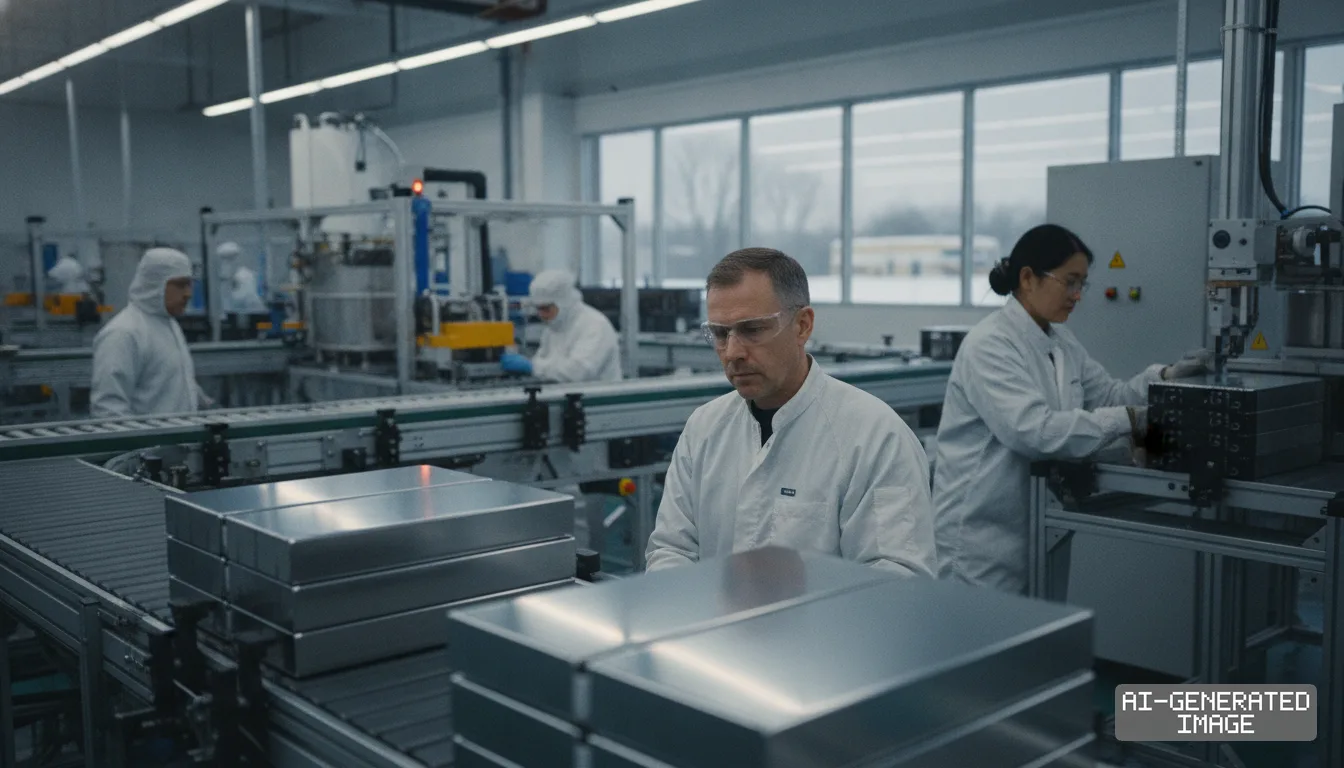
Ford invested $3 billion to build the BlueOval Battery Park Michigan in Marshall, engineering the 2 million-square-foot complex to reach an annual manufacturing capacity of 20 gigawatt-hours.
The automated lines assemble 40 prismatic cells per minute, establishing the Marshall site as the fastest operational lithium iron phosphate line outside China, the company said.
United States customs rules levy a 100% tariff on finished electric vehicle cells imported directly from Chinese suppliers, limiting direct cross-border procurement for domestic assembly lines.
Federal Foreign Entity of Concern guidelines under the Inflation Reduction Act also disqualify battery packs from consumer purchase tax credits if Chinese state-linked firms hold operational equity.
By retaining 100% equity ownership of the Marshall facility, Ford qualifies for federal advanced manufacturing production tax credits of $35 per kilowatt-hour under Section 45X.
Ford began shipping the first Michigan-built prismatic cells to its Louisville Assembly Plant in Kentucky, supplying early engineering teams building functional Fathom prototypes.
Prismatic cells use rigid rectangular aluminum containers that integrate directly into the truck chassis as a structural pack, eliminating intermediate modules to cut curb weight.
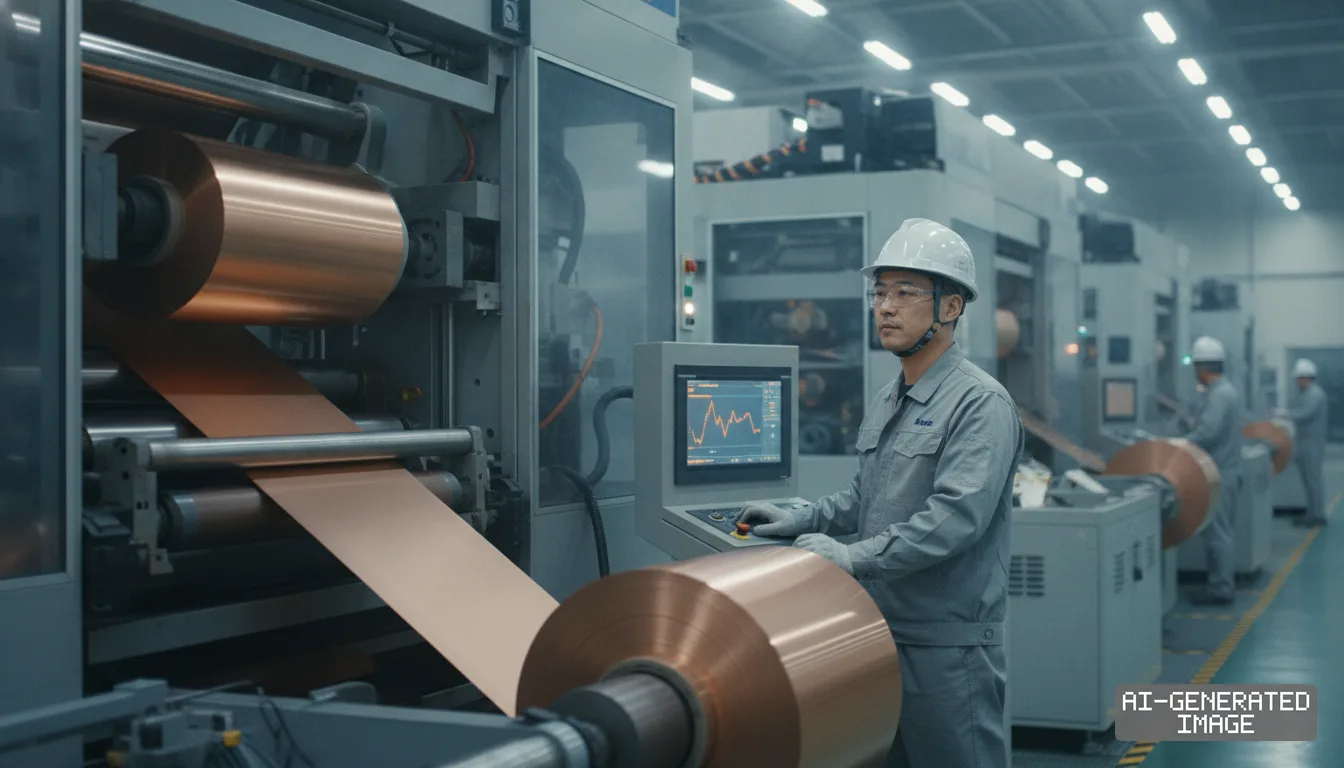
Lithium iron phosphate cathode chemistry substitutes iron and phosphate for expensive nickel and cobalt, reducing raw mineral procurement expenses while improving thermal stability during continuous fast-charging cycles.
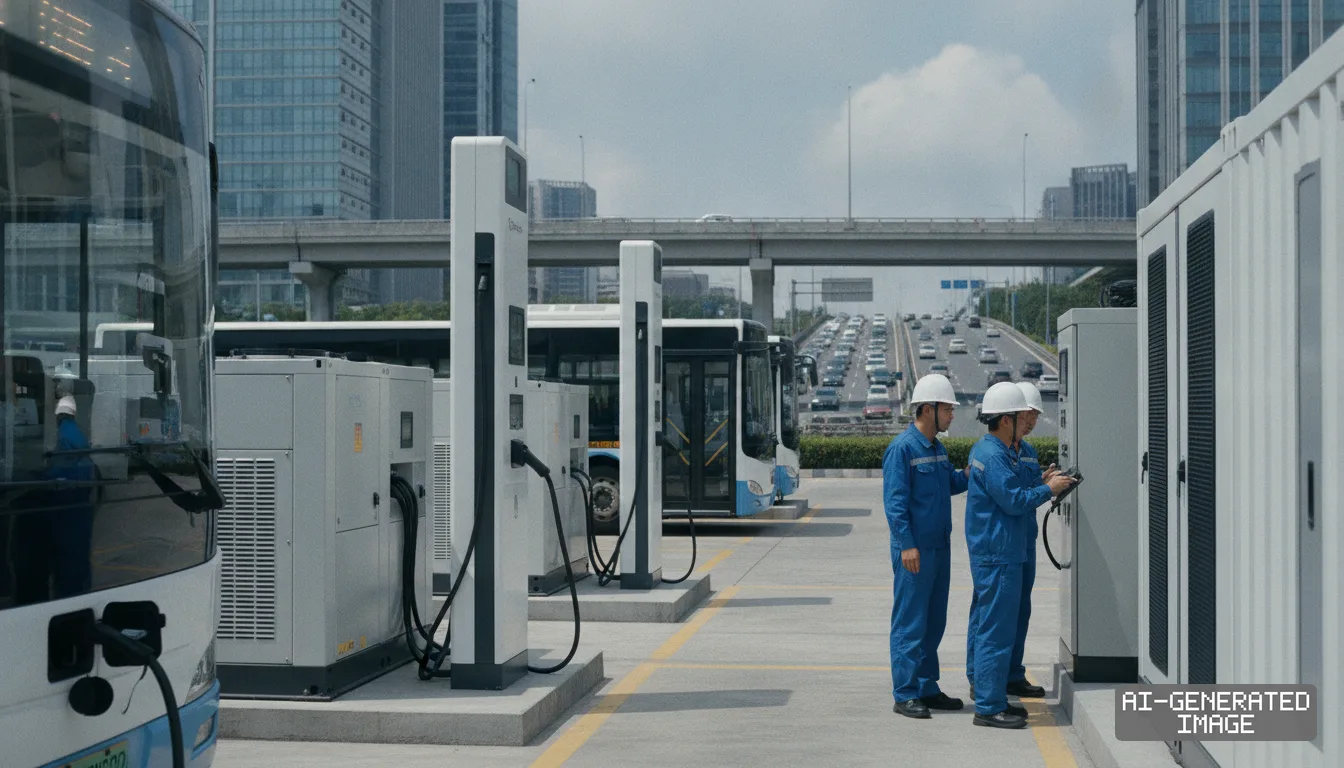
The cell integration also supports bidirectional alternating-current power flow, allowing the electric pickup to supply electricity back into residential electrical panels during utility power outages.
Cost reductions achieved through the licensed chemistry support a targeted starting retail price of $28,350 for the standard-range Fathom, excluding a $1,595 destination freight charge.
The midsize pickup serves as the debut model for Ford's Universal Electric Vehicle Platform, an internal vehicle architecture engineered to lower production hours per vehicle.
Contemporary Amperex Technology Co. Limited, known as CATL, generated approximately 38% of global electric vehicle battery installations this year, leading international rivals in cathode patent ownership.
The licensing structure delivers continuous patent royalty streams to CATL without requiring the Chinese manufacturer to deploy fixed capital or incur factory balance-sheet liabilities in North America.
The deployment exerts commercial pressure on South Korean cell manufacturers SK On, LG Energy Solution and Samsung SDI, which have concentrated capital on higher-cost nickel-based pouch cells.
Ford dissolved its planned battery joint venture structure with SK On at separate regional facilities, maintaining full operational control in Michigan while SK On adjusted North American factory schedules.
Congressional committees and federal transport officials continue to review the licensing contract, questioning whether specialized tooling from Chinese equipment vendors introduces operational security risks.
Ford maintains that its domestic staff operates all manufacturing machinery directly and that plant control networks remain physically air-gapped from external data connections.
The company has not disclosed the royalty rate paid per cell to CATL, and public filings do not state the unit procurement cost for the licensed chemistry.
Preorders for the Fathom electric truck open in early 2027, with the Marshall pack plant opening and vehicle customer deliveries scheduled for the fourth quarter of 2027.
Prototype validation vehicles running on the initial Michigan cell batch will undergo cold-weather track durability testing at Ford proving grounds through February 2027.
Impact map
How this development propagates across the region and out to global buyers.
| Event | Korea | China | Japan | Global impact |
|---|---|---|---|---|
| CATL cell licensing at Marshall | SK On and LG Energy Solution face margin pressure as US OEMs deploy low-cost LFP alternatives | CATL books technology royalties without deploying capital or facing direct tariff exposure | Panasonic faces tighter procurement competition for North American utility EV segments | EV entry pricing drops toward $28,000 threshold as structural LFP adoption widens outside Asia |
In this story
- Companies
- Ford MotorContemporary Amperex Technology
- Tickers
- F300750.SZ
- Exposed
- SK OnLG Energy SolutionSamsung SDI
- Policy
- TariffsTax Credits
- Impact
- Supply ChainCost Structure
Track every Tariffs development → Track every Tax Credits development →
Related briefings
- CATL widens global EV battery lead to 39.4% as Korean share slips Also on Ford Motor, SK On, Contemporary Amperex Technology
- Korean battery makers lose market share as Chinese LFP cells surge Also on Ford Motor, SK On, Contemporary Amperex Technology
- CATL Surpasses Korean Battery Trio in Markets Outside China Also on Ford Motor, SK On, Contemporary Amperex Technology
- CATL develops tall pickup batteries to bypass US tariffs Also on Ford Motor, SK On, Contemporary Amperex Technology
Sources
Reporting
Confidence: high — how we grade this
The documents behind this briefing are linked above. East Asia Brief produces its English text with AI assistance under human editorial review, and does not translate or republish other outlets' articles. See our methodology and AI policy. Spotted an error? Tell us.
The Morning Brief
What changed in Korean, Chinese and Japanese industry overnight — and what it means for your supply chain. One email, weekday mornings, US time. Free.
The Morning Brief is in preparation. Leave your address and we will write to you once — when the first issue is ready. Nothing before that.