Chery Automobile orders solid-state battery tools for 2027 EV tests
The Chinese carmakers are shifting next-generation cell manufacturing out of laboratories and into pre-production factories, challenging commercial timelines set by South Korean battery producers.
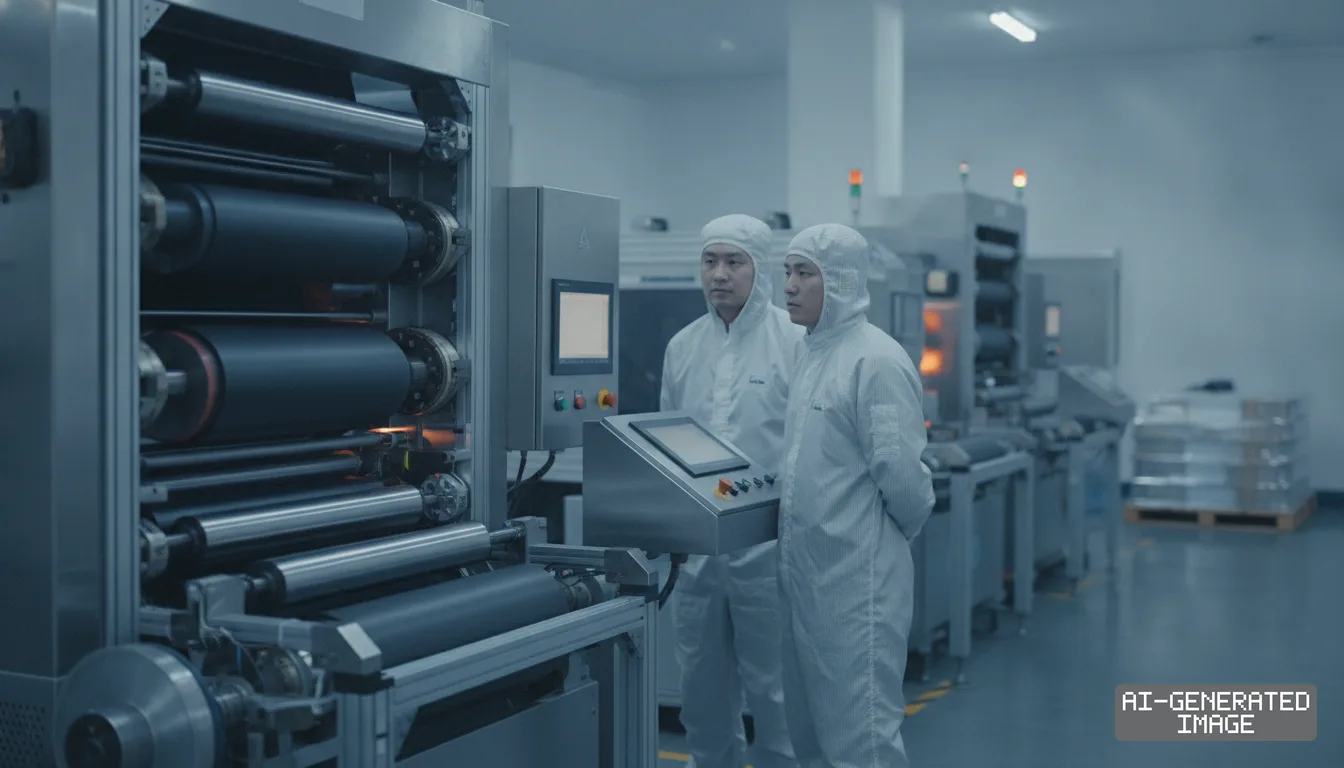
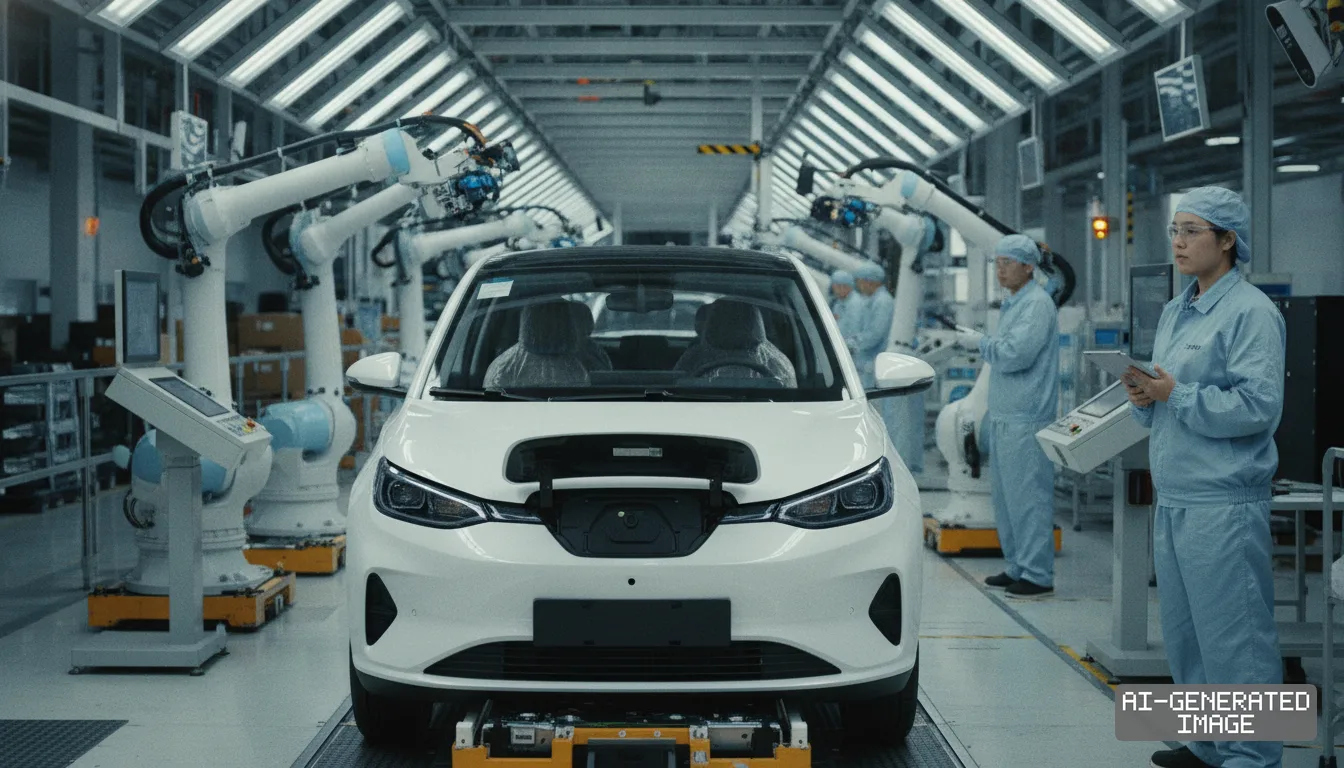
Chery Automobile opened competitive bidding for solid-state battery pilot manufacturing machinery on Oct. 9, 2026, advancing equipment procurement for its planned 0.5-gigawatt-hour production line in Wuhu, China.
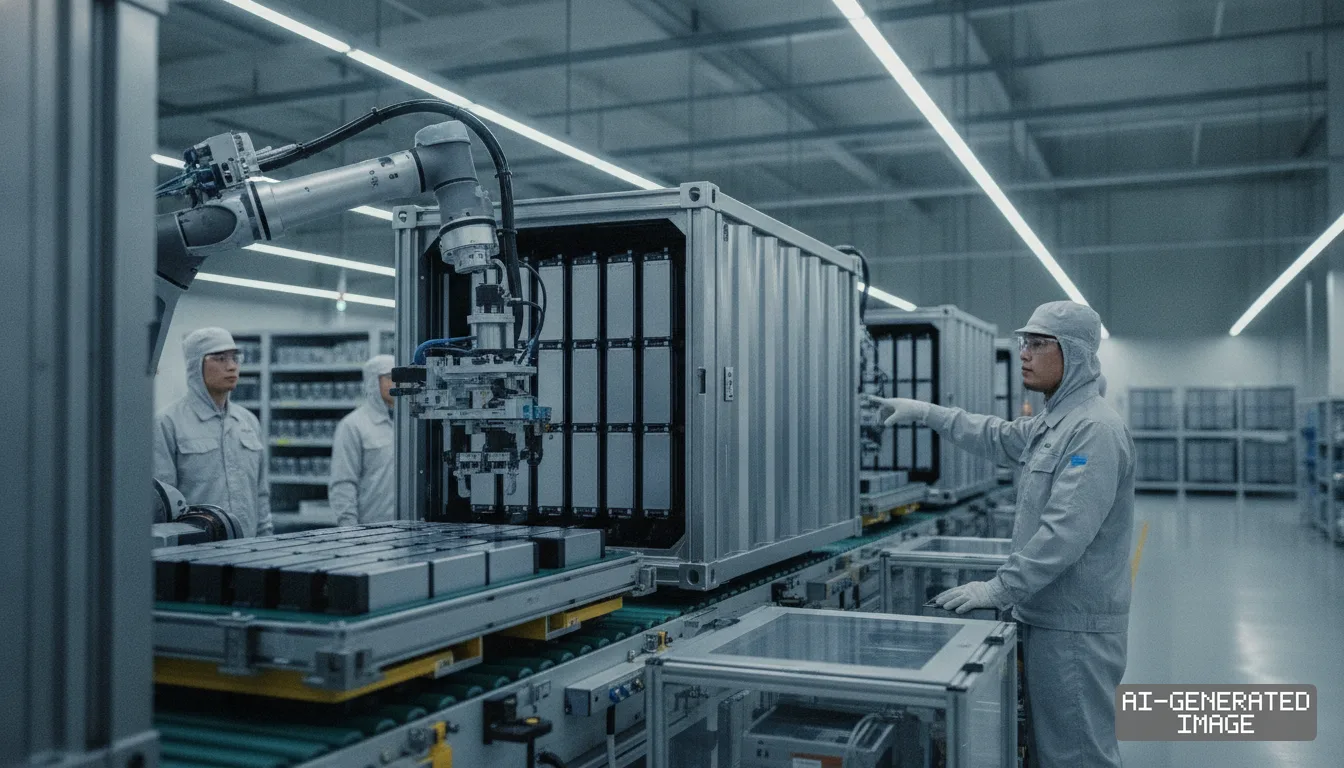
The state-backed automaker plans to assemble 60-ampere-hour pouch cells at the Anhui facility. The project targets on-vehicle road verification trials across test fleets during 2027, according to executive briefings.
The procurement moves solid-state development from bench testing into pre-production tooling. That decision places Chery alongside BYD in accelerating vehicle-level trials of next-generation solid-electrolyte cells.
Solid-state batteries replace volatile liquid electrolytes — the chemical medium carrying lithium ions between electrodes — with solid separators. The architecture promises higher energy density and reduced fire risk in electric passenger cars.
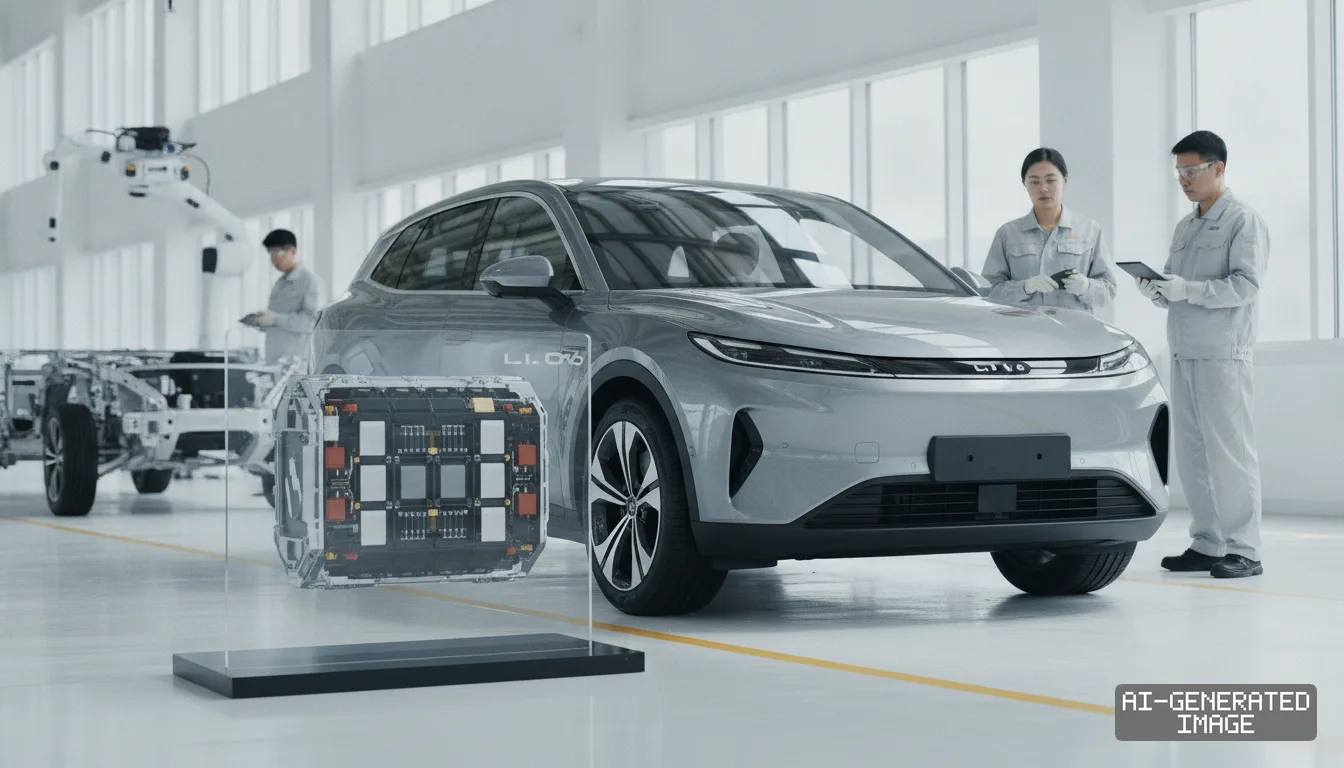
BYD confirmed plans to field its first solid-state battery vehicle in 2027. The company is planning fleet trials of roughly 1,000 units on high-end models before targeting mass volume in 2030.
Executive Vice President Stella Li outlined the demonstration timetable during an interview in Valencia, Spain. The deployment relies on internal engineering work by battery manufacturing division FinDreams Battery.
FinDreams Battery is developing sulfide-based electrolytes and dry electrode coating processes. The unit has built 20-ampere-hour and 60-ampere-hour prototype cells targeting energy densities near 400 watt-hours per kilogram.
China's Ministry of Industry and Information Technology reinforced the commercial push on Sept. 28, 2026. The agency released a five-year development plan mandating initial large-scale solid-state battery adoption by 2030.
Seven government departments jointly issued the industrial directive. The document orders domestic industry to accelerate production standards for solid electrolytes, high-nickel cathodes and lithium-metal anodes.
The timetable puts Chinese automakers on a converging path with South Korean cell suppliers. Korean producers have promoted 2027 commercialization targets as their primary technological advantage over lower-cost Chinese competitors.
Samsung SDI operates a dedicated pilot line in Suwon, South Korea. The company targets mass commercialization of sulfide-based all-solid-state cells with anode-less architectures by 2027.
LG Energy Solution is pursuing a two-track roadmap. The supplier schedules polymer-based cells for early vehicle integration before targeting more durable sulfide-based chemistry around 2030.
SK On has scheduled pilot facility trials for 2027. The cell manufacturer projects commercial manufacturing of solid-state units by 2029 through development pacts with materials suppliers.
The equipment tenders from Chinese automakers challenge assumptions that China would remain focused on lithium iron phosphate packs. Automakers are instead moving solid-state technology directly into captive assembly facilities.
Chery published tenders for ultrasonic spot welding machines, micro-characterization tools and physical-chemical material analysis hardware. The machinery will support continuous cell fabrication in the Wuhu cleanroom.
The tender summaries do not state the total capital value of the equipment contracts. Chery also has not published the formal submission deadline for equipment vendors.
BYD has not confirmed the commercial model name or exact electrolyte formulation for its 2027 trial vehicles. FinDreams has evaluated multiple sulfide chemistries alongside dual halide-sulfide compositions without fixing final production recipes.
Both automakers face severe engineering bottlenecks before full automotive deployment. Solid-solid interfaces can lose mechanical contact during charge-discharge cycles, requiring external pressure frames that add weight to battery packs.
Contemporary Amperex Technology, the world's largest battery maker, placed its solid-state technology readiness at level four out of nine in June 2026. The rating corresponds to laboratory prototype verification rather than factory line readiness.
CATL Chairman Robin Zeng warned in August that high raw material expenses will keep solid-state volumes confined to premium luxury vehicles. Zeng said widespread adoption remains unlikely before 2030.
Equipment suppliers across East Asia are submitting bids for the Wuhu pilot lines. Delivery schedules will determine whether Chery meets its 2027 vehicle verification commitment.
Impact map
How this development propagates across the region and out to global buyers.
| Event | Korea | China | Japan | Global impact |
|---|---|---|---|---|
| Solid-state battery pilot equipment bidding | Samsung SDI and LG Energy Solution face narrowing lead times against Chinese pilot lines | Chery and BYD build captive capacity for 2027 trials under national 2030 targets | Toyota Motor targets 2027 commercial introduction with Idemitsu Kosan | Automaker procurement shifts toward captive solid-state cell tooling |
In this story
- Companies
- Chery AutomobileBYDSamsung SDILG Energy Solution
- Tickers
- 002594.SZ006400.KS373220.KS
- Exposed
- Contemporary Amperex TechnologySK On
- Policy
- Industrial PolicySubsidies
- Impact
- CapexSupply ChainOrder Book
Track every Industrial Policy development → Track every Subsidies development →
Related briefings
- Stellantis shifts Leapmotor electric car assembly to Spain Also on Chery Automobile, Contemporary Amperex Technology
- US blocks Chinese electric cars from entering via Canada Also on Chery Automobile, BYD, Order Book
- Tesla sweeps Canada EV import quota as Chinese makers wait Also on Chery Automobile, BYD
- CATL Surpasses Korean Battery Trio in Markets Outside China Also on SK On, BYD, Contemporary Amperex Technology
Sources
Primary documents
Reporting
Confidence: high — how we grade this
The documents behind this briefing are linked above. East Asia Brief produces its English text with AI assistance under human editorial review, and does not translate or republish other outlets' articles. See our methodology and AI policy. Spotted an error? Tell us.
The Morning Brief
What changed in Korean, Chinese and Japanese industry overnight — and what it means for your supply chain. One email, weekday mornings, US time. Free.
The Morning Brief is in preparation. Leave your address and we will write to you once — when the first issue is ready. Nothing before that.