Tesla sweeps Canada EV import quota as Chinese makers wait
Ottawa rolled over 8,897 unused vehicle slots on Sept. 1 into a 33,397-car window, leaving Elon Musk's Shanghai plant as the main beneficiary of lower 6.1% tariffs.
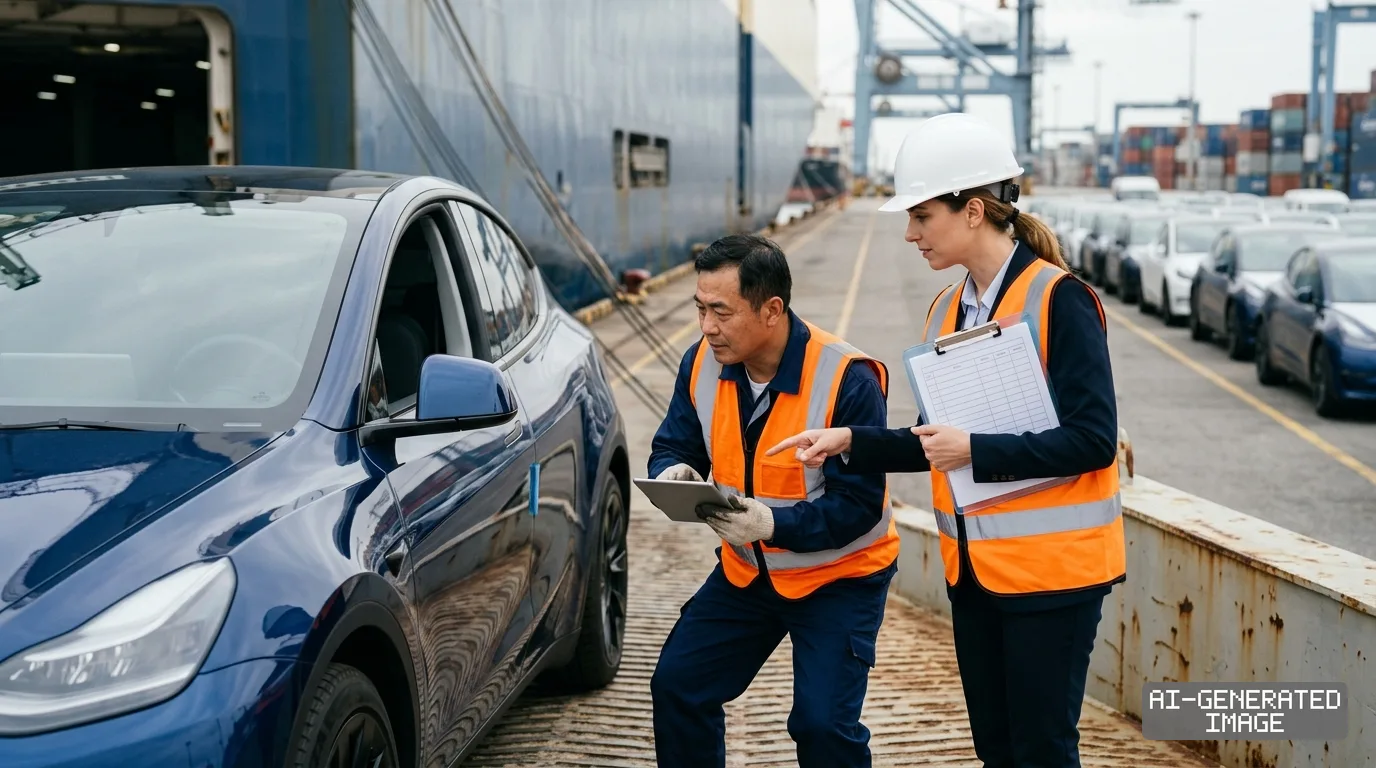
Global Affairs Canada trade data showed Sept. 8 that Tesla claimed most of Canada's inaugural Chinese electric vehicle quota, capturing lower tariffs while Chinese domestic automakers remained locked out.
The Canadian foreign affairs agency oversees the nation's import control lists and bilateral trade agreements. It administered the special tariff quota following an arrangement between Ottawa and Beijing to ease reciprocal market restrictions.
Ottawa repealed its 100% surtax on Chinese electric vehicles on March 1. The federal government replaced the punitive border levy with an annual quota of 49,000 units taxed at the most-favored-nation rate of 6.1%.
The trade framework splits the annual allowance into two six-month tranches of 24,500 vehicles. Allocations operate on a first-come, first-served basis according to country of assembly rather than corporate ownership.
Importers used 15,603 permits during the first quota period that closed Aug. 31, Global Affairs Canada reported. That volume represented an overall utilization rate of 63.7% of the initial allocation.
Fully electric passenger vehicles accounted for 15,344 of those permits, while non-plug-in hybrid sport utility vehicles took the remaining 259 slots. Zero import permits were issued during March or April.
The unfulfilled balance of 8,897 permits rolled over into the second quota window on Sept. 1. Importers now have collective access to 33,397 vehicle permits through Feb. 28.
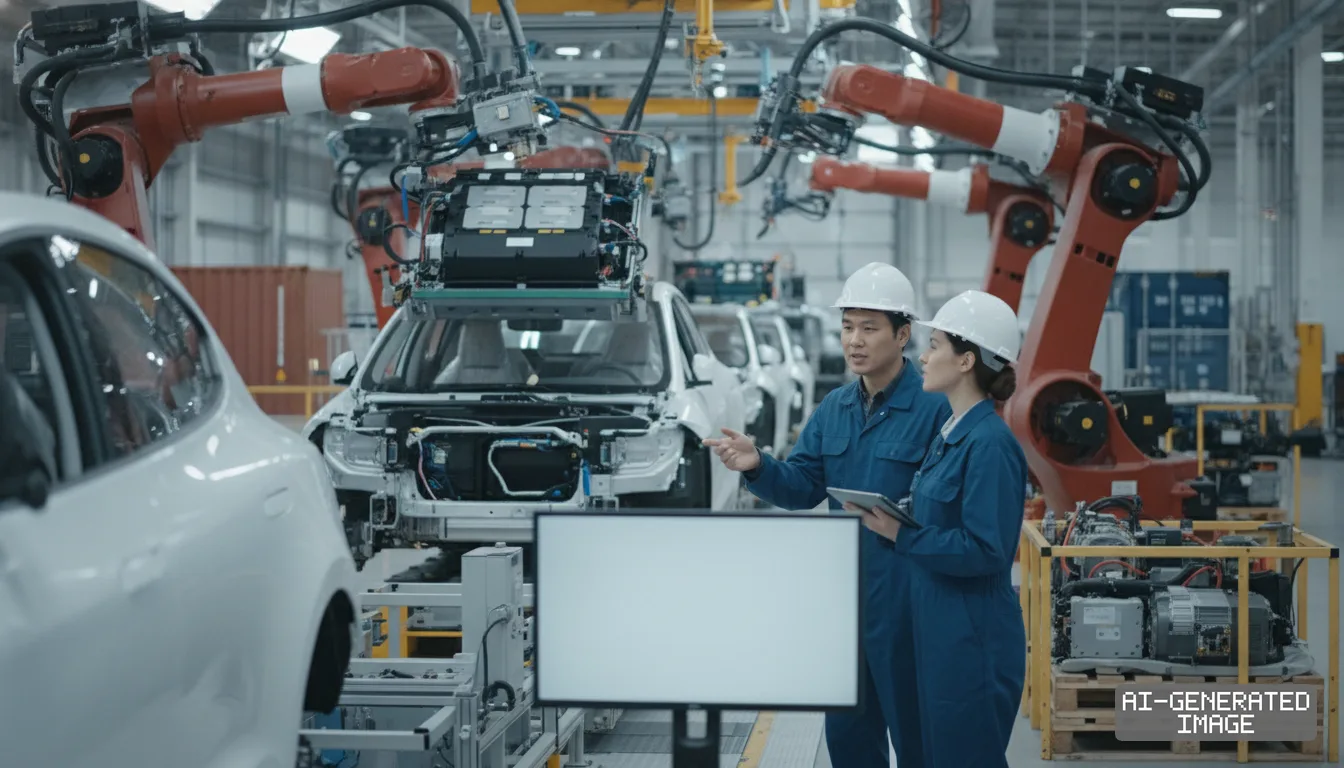
Tesla absorbed the vast majority of the cleared volume through shipments from its Gigafactory Shanghai facility, customs records indicate. The automaker launched its Chinese-made Model 3 Premium in Canada on May 1.
The rear-wheel-drive sedan retails from 39,490 Canadian dollars ($28,532). Tesla shifted its Canadian distribution lines from California to Shanghai to capitalize on lower Chinese manufacturing costs and export margins.
Shipments gathered speed over the summer months as transpacific container logistics scaled up. Quota permits climbed to 3,510 vehicles in May, surged to 5,982 in July and reached 5,490 in August.
Passenger cars with a customs valuation at or below 35,000 Canadian dollars took 7,805 permits. Vehicles exceeding that valuation threshold accounted for 7,495 permits during the initial six-month period.
Under the bilateral pact, the annual import ceiling will expand by 6.5% annually over a five-year schedule. The quota share reserved for vehicles valued at or below 35,000 Canadian dollars will rise to 10% next year.
The Canada Border Services Agency implemented the revised tariff schedules under Customs Notice 24-32. Port officers require shipment-specific permits issued under Canada's Export and Import Permits Act before clearing vehicles for commercial entry.
British brand Lotus, controlled by China's Zhejiang Geely Holding Group, imported low hundreds of its Wuhan-built Eletre electric sport utility vehicles. Ford Motor imported 259 China-built Lincoln Nautilus hybrids in July.
Chinese domestic brands including BYD, Chery Automobile and Geely Auto registered zero sales under the quota. None of those manufacturers have secured Canadian regulatory clearance to date.
Foreign automakers must certify compliance with Canadian Motor Vehicle Safety Standards before retailing cars to the public. Conducting compliance crash tests and emissions verifications typically requires six to 12 months of engineering work.
Importing brands must also build dedicated retail and maintenance networks across Canadian provinces. Tesla bypassed those timing barriers because its vehicles were already certified and its regional service hubs were fully operational.
The quota arrangement traces back to a bilateral trade pact finalized Jan. 16. China agreed to reduce tariffs on Canadian canola seed from roughly 85% to 15% in return for vehicle access.
Beijing also lifted retaliatory trade barriers on Canadian canola meal, lobster, crab and field peas. Ottawa estimated those agricultural concessions could yield nearly $3 billion in new export shipments.
The United States maintains a 100% tariff on Chinese electric vehicles under Section 301 of the Trade Act of 1974. Ottawa had initially matched the American tariff barrier in October 2024 before reversing course.
The divergence from Washington policy complicates broader regional automotive trade. United States trade officials have expressed concern that low-tariff vehicle imports into Canada could undermine integrated automotive supply chains during the 2026 trade treaty review.
Canadian Industry Minister Melanie Joly said foreign manufacturers seeking to sell vehicles beyond the quota volume must build local factories. Assembly plants must operate through joint ventures using Canadian labor and domestic components, Joly said.
Global Affairs Canada does not publish company-specific permit tallies in its weekly customs releases. Tesla has not disclosed the precise number of Shanghai-built vehicles delivered to Canadian buyers.
The current 33,397-vehicle quota window closes Feb. 28. Ottawa is scheduled to conclude internal reviews on a longer-term quota allocation formula before the third window opens March 1.
Impact map
How this development propagates across the region and out to global buyers.
| Event | Korea | China | Japan | Global impact |
|---|---|---|---|---|
| Canada EV tariff quota rollover | Hyundai and Kia face Canadian EV price competition from sub-$40,000 Shanghai Teslas | Gigafactory Shanghai secures North American outlet while domestic brands await certification | Toyota and Honda hybrid volume faces margin pressure from discounted entry-level imports | North American automotive trade rules face scrutiny ahead of USMCA 2026 treaty review |
In this story
- Companies
- TeslaBYDZhejiang Geely Holding Group
- Tickers
- TSLA002594.SZ0175.HK
- Exposed
- Ford MotorLotus TechnologyChery Automobile
- Policy
- TariffsImport Quotas
- Impact
- Supply ChainPricingCompliance
Track every Tariffs development →
Related briefings
- Lotus absorbs 18.8% EU tariff to defend European deliveries Also on Lotus Technology, Zhejiang Geely Holding Group, BYD
- US warns it will bar Chinese electric vehicles via Canada Also on Chery Automobile, Tesla, BYD
- CATL Surpasses Korean Battery Trio in Markets Outside China Also on Ford Motor, Tesla, BYD
- CATL widens global EV battery lead to 39.4% as Korean share slips Also on Ford Motor, Tesla, BYD
Sources
Reporting
Confidence: medium — how we grade this
The documents behind this briefing are linked above. East Asia Brief produces its English text with AI assistance under human editorial review, and does not translate or republish other outlets' articles. See our methodology and AI policy. Spotted an error? Tell us.
The Morning Brief
What changed in Korean, Chinese and Japanese industry overnight — and what it means for your supply chain. One email, weekday mornings, US time. Free.
The Morning Brief is in preparation. Leave your address and we will write to you once — when the first issue is ready. Nothing before that.