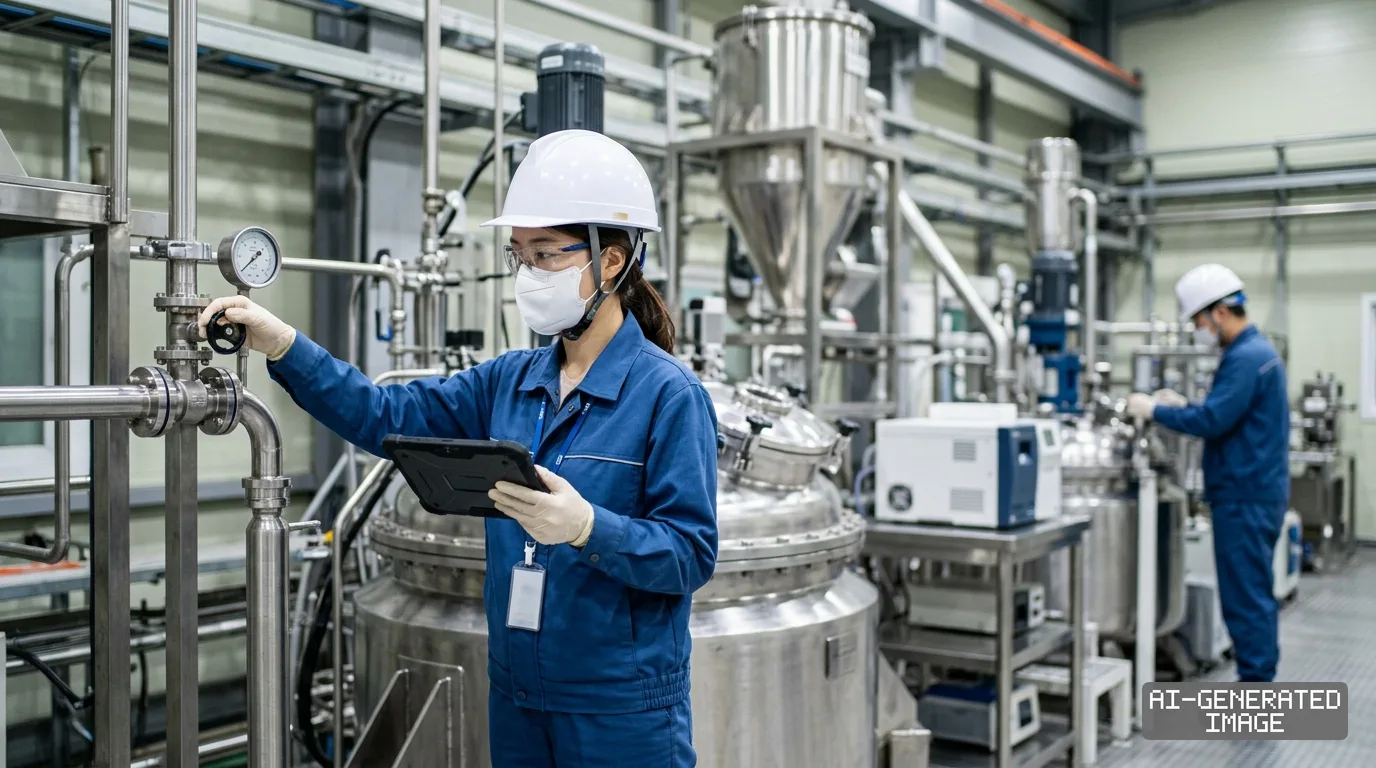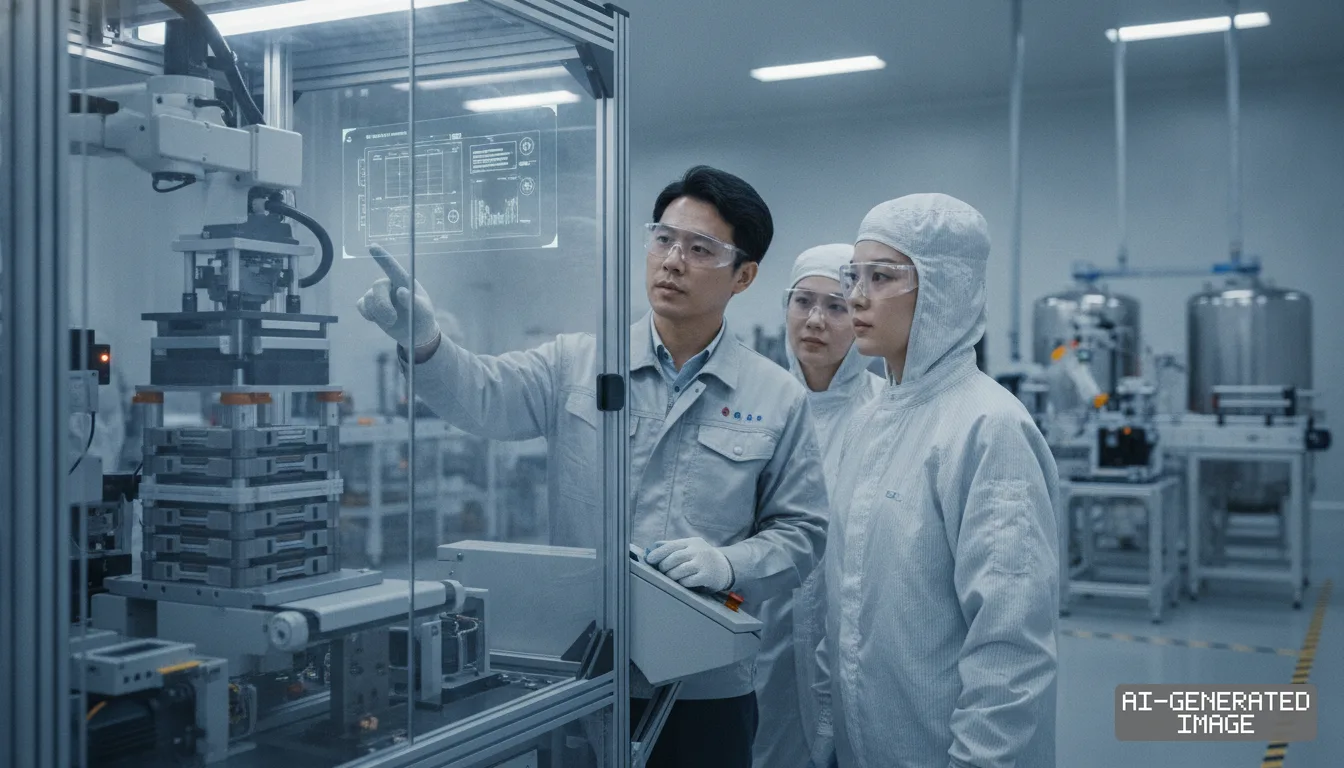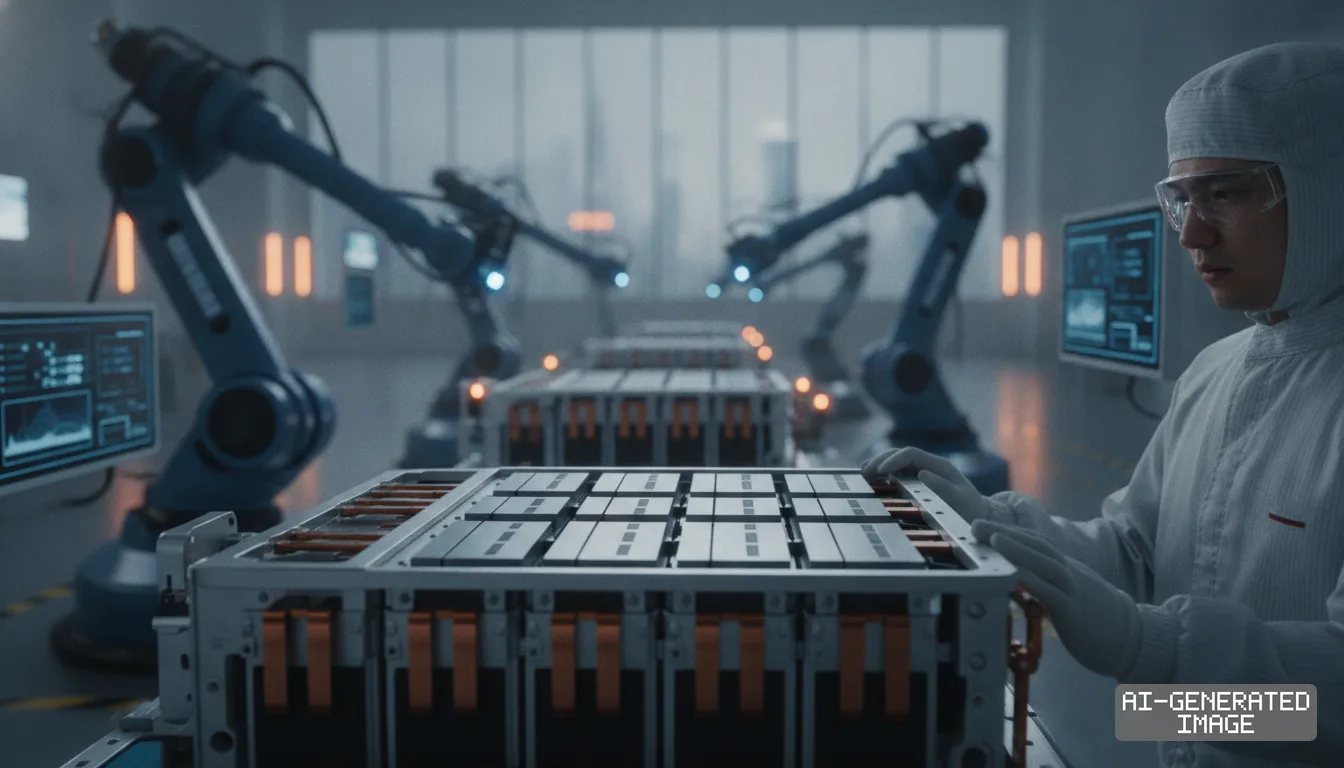
CATL Separates Six Minute Fast Charging From 1,000 Km Range
Disclosures confirm China's leading cell maker splits extreme charging and ultra-long range across distinct LFP and NCM platforms, with no commercial delivery timetable published.
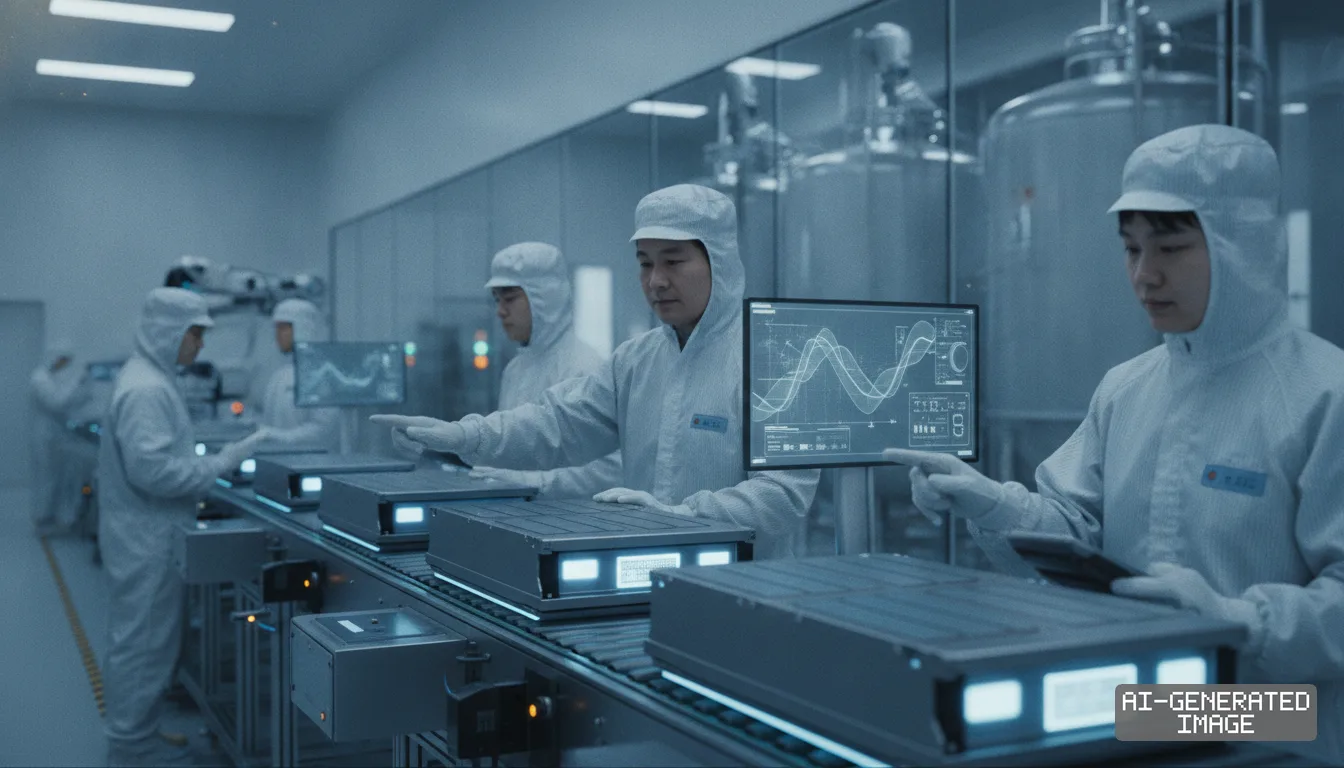
Contemporary Amperex Technology Co., Limited logged no new regulatory filings on Oct. 4, 2026, after market reports conflated specifications from two distinct battery lines unveiled at its Beijing technical showcase.
The Chinese manufacturer confirmed that ultra-fast charging and extended range remain engineered on separate chemical systems. The technical parameters stem from presentations first delivered at the company's Super Technology Day in April.
Under those specifications, the third-generation Shenxing lithium iron phosphate pack completes a 10% to 98% charge in 6 minutes 27 seconds. The third-generation Qilin pack targets 1,000 kilometers of range at 280 watt-hours per kilogram.
The Qilin pack weighs 625 kilograms, shedding 255 kilograms compared with equivalent lithium iron phosphate designs. The system supports a 10C charge multiplier and delivers peak electrical output of 3 megawatts, the company said.
Public filings with the Hong Kong Exchanges and Clearing show CATL captured 72% of China's high-end passenger electric vehicle battery market. That footprint exposes premium vehicle supply chains directly to the company's dual-chemistry roadmap.
Automakers assessing liquid-electrolyte cells face distinct trade-offs between charging speed and pack weight. CATL structured its product development to avoid pushing a single material chemistry beyond its electrochemical boundaries, company executives said.
Lithium iron phosphate has neared its theoretical energy density ceiling, CATL Chief Scientist Wu Kai said at the Beijing presentation. The company redirected that chemistry toward ultra-fast charging rather than chasing marginal volumetric gains.
The third-generation Shenxing system reaches an equivalent 10C charge rate with a 15C peak capability. In testing, the cell advanced from 10% to 35% capacity in 1 minute and hit 80% in 3 minutes 44 seconds.
Extreme sub-zero operation represents a primary barrier for liquid electrolytes in cold climates. The Shenxing pack charged from 20% to 98% in about 9 minutes at -30 degrees Celsius during engineering demonstrations, the company said.
High charge rates generate intense internal heat that accelerates unwanted side reactions. According to the Arrhenius equation, a 10-degree rise in operating temperature roughly doubles chemical degradation rates inside lithium-ion cells, Wu said.
CATL combated thermal degradation by reducing internal resistance, reinforcing thermal propagation barriers and refining cell management algorithms. The Shenxing battery retains more than 90% of its initial capacity after 1,000 full fast-charging cycles.
Industrial innovation must follow strict scientific principles rather than marketing claims, CATL Chairman and Chief Executive Officer Robin Zeng said at the showcase. Zeng stressed that global competitiveness requires verifiable performance, manufacturing quality and brand reliability.
Ternary nickel-cobalt-manganese chemistry remains the focal point for energy density and driving distance. The third-generation Qilin platform pairs its 280 watt-hours per kilogram cell density with a compact structural housing, the company said.
The structural engineering of the Qilin platform achieves a volumetric energy density of 600 watt-hours per liter. The architecture reduces overall vehicle dead weight, lowering energy consumption over long-distance highway cycles.
For specialized applications, CATL also outlined an aviation-derived Qilin Condensed battery. That variant reaches a cell gravimetric density of 350 watt-hours per kilogram, targeting 1,500 kilometers for sedans and over 1,000 kilometers for sport-utility vehicles.
The Qilin Condensed battery pushes volumetric density to 760 watt-hours per liter while keeping pack weight below 650 kilograms. The chemistry uses ultra-high-density condensed electrolytes originally engineered for civil passenger aircraft propulsion.
Delivering peak electrical power of 3 megawatts requires dedicated high-voltage grid infrastructure and specialized liquid-cooled dispensers. Without compatible roadside hardware, passenger vehicles cannot draw the maximum charging currents permitted by the new pack design.
Gao Huan, chief technology officer of CATL's China car business, said multi-chemistry platforms permit automakers to tailor battery packs to regional climates. Fleets operating in northern climates require cold-weather fast charging above maximum theoretical range.
The dual-track approach exerts operational pressure on competing cell manufacturers in South Korea and Japan. While commercial solid-state lines face persistent production delays, optimized liquid electrolytes provide automakers with tangible fast-charging solutions today.
Western premium brands seeking to accelerate recharge times have increasingly evaluated Chinese cell architectures. However, adopting distinct platforms forces vehicle engineers to choose between maximum highway range and sub-10-minute depot replenishment.
Exchange disclosures confirmed that market chatter on Oct. 4 did not originate from a fresh regulatory submission. CATL held no press conference and published no technical updates on that date across domestic or international channels.
The official documents do not state a commercial production start date or vehicle delivery schedule for either platform. CATL has not published binding supply contracts linking specific production vehicle models to the third-generation cells.
CATL is scheduled to release its next mandatory quarterly operational filing to the Shenzhen Stock Exchange on Oct. 23, 2026. That disclosure will provide audited capacity utilization rates across its domestic production network.
Impact map
How this development propagates across the region and out to global buyers.
| Event | Korea | China | Japan | Global impact |
|---|---|---|---|---|
| Shenxing and Qilin dual platform rollout | LG Energy Solution and SK On face liquid-electrolyte fast-charge pressure as solid-state timelines slip past 2027 | CATL defends 72% high-end EV battery share by bifurcating LFP fast charging and NCM range | Panasonic Energy shields 4680 cell lines through dedicated North American supply contracts | Automakers face engineering splits between 10C fast charging and 1,000 km battery pack architectures |
In this story
- Companies
- Contemporary Amperex Technology Co.Limited
- Tickers
- 300750.SZ
- Impact
- Supply ChainCost Structure
Related briefings
- CATL says 14-year-old LFP cells retain 85% capacity after tests Also on Contemporary Amperex Technology Co., Limited, Cost Structure
- India pushes rare earth magnet output to counter China curbs Also on Cost Structure
- China widens offshore wind turbine cost lead over Europe Also on Cost Structure
- U.S.-China Board of Trade sets tariff cuts on corn and beef as raw soybeans stay excluded Also on Cost Structure
Sources
Reporting
Confidence: medium — how we grade this
The documents behind this briefing are linked above. East Asia Brief produces its English text with AI assistance under human editorial review, and does not translate or republish other outlets' articles. See our methodology and AI policy. Spotted an error? Tell us.
The Morning Brief
What changed in Korean, Chinese and Japanese industry overnight — and what it means for your supply chain. One email, weekday mornings, US time. Free.
The Morning Brief is in preparation. Leave your address and we will write to you once — when the first issue is ready. Nothing before that.