CATL chairman calls EU battery recycling rules commercially unworkable
Robin Zeng argued European processing expenses undermine local refining, urging Brussels to allow shredded battery scrap exports to Chinese facilities to curb costs.
Contemporary Amperex Technology Co. Chairman Robin Zeng criticized European Union battery recycling mandates on Nov. 19, 2026, calling Brussels policies requiring full domestic processing of shredded battery scrap commercially unworkable.
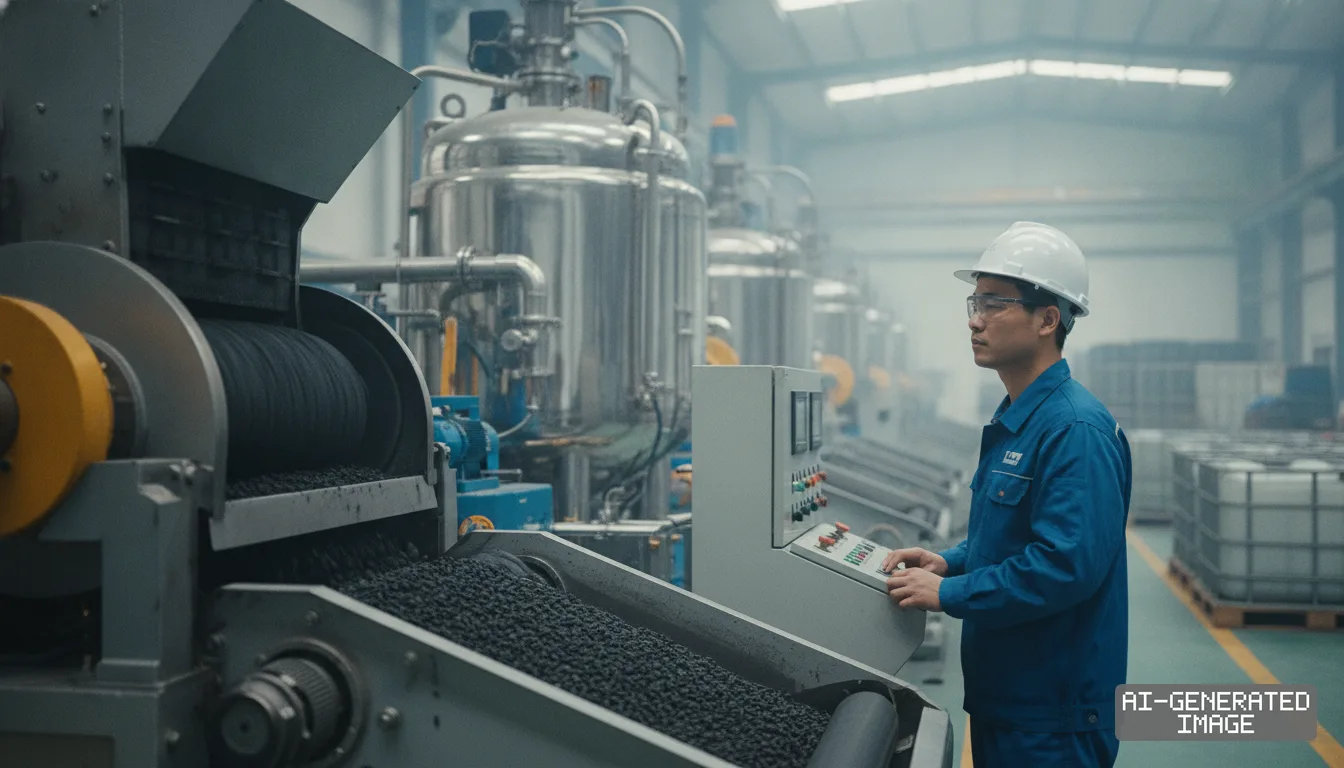
Zeng questioned the economic logic of constructing European hydrometallurgical refining plants from the ground up. High local energy, labor and permitting expenses undermine regional refining operations, Zeng said in an interview published Nov. 19, 2026.
CATL supplies roughly 37% of global electric vehicle batteries. The company operates a 14-gigawatt-hour cell plant in Thuringia, Germany and is completing a 100-gigawatt-hour production complex in Debrecen, Hungary.
Under Regulation (EU) 2023/1542, the European Union requires recyclers to achieve a 65% recycling efficiency rate for lithium-based batteries by late 2025. That threshold increases to 70% by the end of 2030.
The regulation also sets mandatory metal recovery rates. Facilities operating within the European bloc must recover 90% of cobalt and nickel and 50% of lithium from spent cells by late 2027.
Brussels aims to retain critical materials inside its borders to lessen import reliance on China. The European Commission revised its List of Waste on March 5, 2025, officially designating battery black mass as hazardous waste.
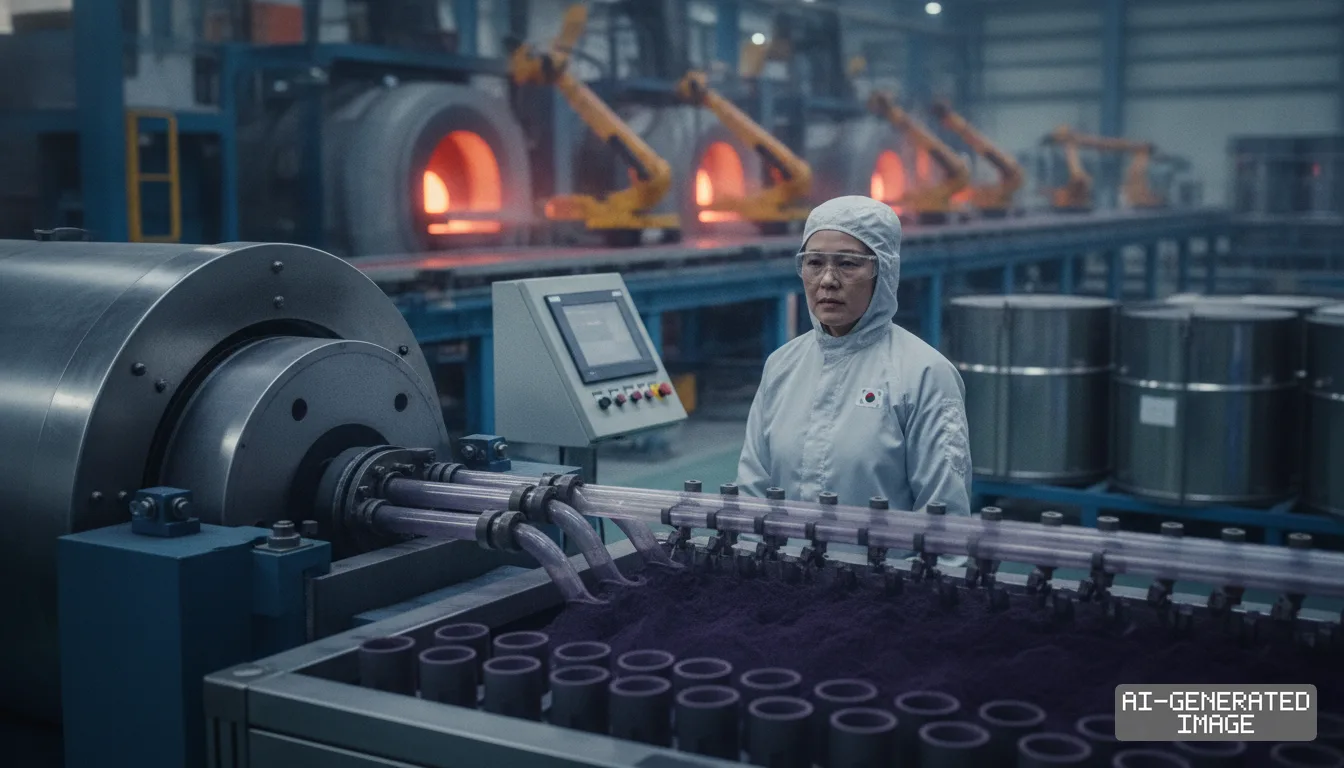
Black mass is the intermediate powder containing lithium, nickel and cobalt produced after spent battery packs undergo mechanical discharge and shredding. The hazardous classification bans outbound shipments of the material to non-OECD countries.
Zeng proposed an alternative closed-loop framework. European automotive scrap and retired cells would be collected locally, shipped to established refineries in China, and returned to Europe as battery-grade cathode materials.
Chinese hydrometallurgical plants operate with lower capital costs and higher chemical recovery yields than European pilot facilities. Shipping scrap to China would reduce compliance overhead for automotive manufacturers, Zeng said.
European recyclers face distinct commercial pressure. Umicore operates a 7,000-metric-ton demonstration recycling facility in Hoboken, Belgium. Umicore and regional peers rely on statutory protections to secure domestic scrap volumes.
The European Commission Joint Research Centre estimated the bloc has capacity to treat between 50% and 65% of its black mass. However, full hydrometallurgical refining plants remain scarce across the continent.
CATL itself did not publish an official corporate statement or regulatory filing regarding the tolling proposal. A separate corporate statement issued Nov. 18, 2026 focused on battery-swapping systems and aviation cells during the 2026 APEC CEO Summit.
Zeng said he presented the overseas refining model to European policymakers and original equipment manufacturers. The executive did not disclose which officials or automotive executives received the proposal, and the European Commission has not published a response.
The export restriction on black mass takes full legal effect across member states in September 2026. Mandatory recycled content rules take effect in August 2031, requiring new electric vehicle batteries to contain at least 16% recovered cobalt and 6% recovered lithium.
Impact map
How this development propagates across the region and out to global buyers.
| Event | Korea | China | Japan | Global impact |
|---|---|---|---|---|
| EU battery scrap onshoring mandate | Battery recyclers expand EU mechanical shredding hubs to retain European scrap | CATL seeks overseas scrap feedstocks while facing EU export ban to non-OECD nations | Automotive joint ventures adjust closed-loop recovery supply lines to comply with EU rules | Battery-grade metal recycling costs rise as European hydrometallurgical processing builds out slowly |
In this story
- Companies
- Contemporary Amperex Technology Co. LimitedUmicore
- Tickers
- 300750.SZUMI.BR
- Policy
- StandardsLocal Content Rules
- Impact
- Supply ChainComplianceCost Structure
Track every Standards development → Track every Local Content Rules development →
Related briefings
- Chalmers maps automotive gallium recovery under China curbs Also on Umicore, Compliance, Cost Structure
- China Ministry of Commerce nears critical mineral export ban deadline Also on Umicore, Cost Structure
- China germanium hits record 28,500 yuan on export control gap Also on Umicore, Cost Structure
- CATL Clears Battery Passport Trial Ahead of 2027 EU Mandate Also on Contemporary Amperex Technology Co. Limited, Local Content Rules, Standards
Sources
Primary documents
Reporting
Confidence: high — how we grade this
The documents behind this briefing are linked above. East Asia Brief produces its English text with AI assistance under human editorial review, and does not translate or republish other outlets' articles. See our methodology and AI policy. Spotted an error? Tell us.
The Morning Brief
What changed in Korean, Chinese and Japanese industry overnight — and what it means for your supply chain. One email, weekday mornings, US time. Free.
The Morning Brief is in preparation. Leave your address and we will write to you once — when the first issue is ready. Nothing before that.