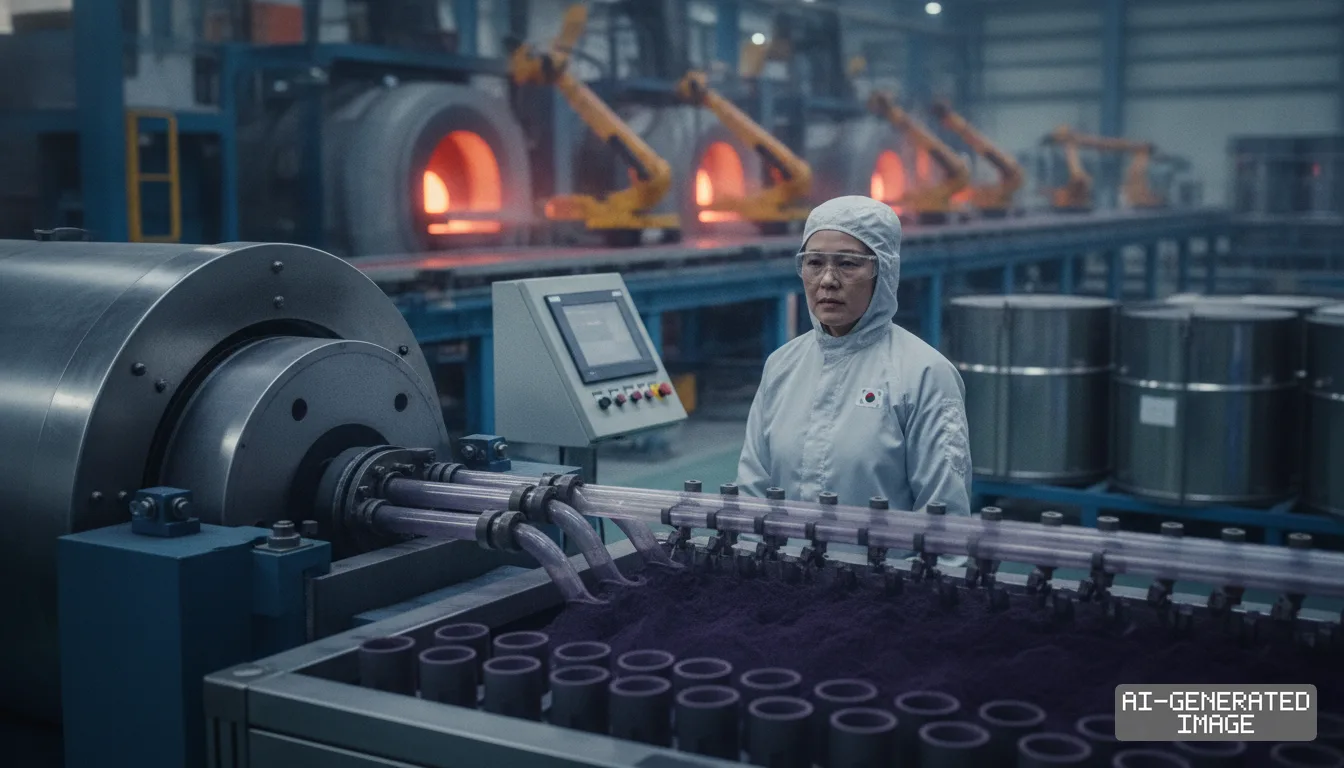
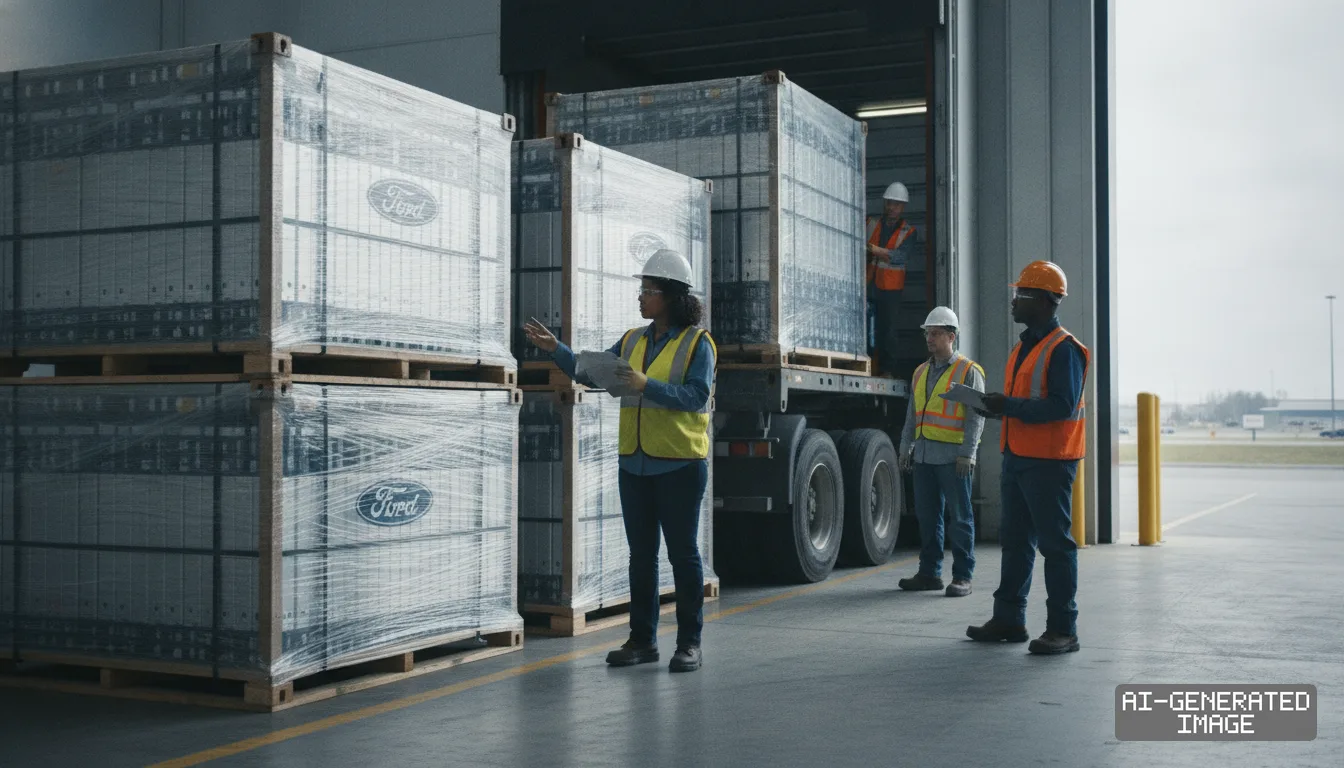
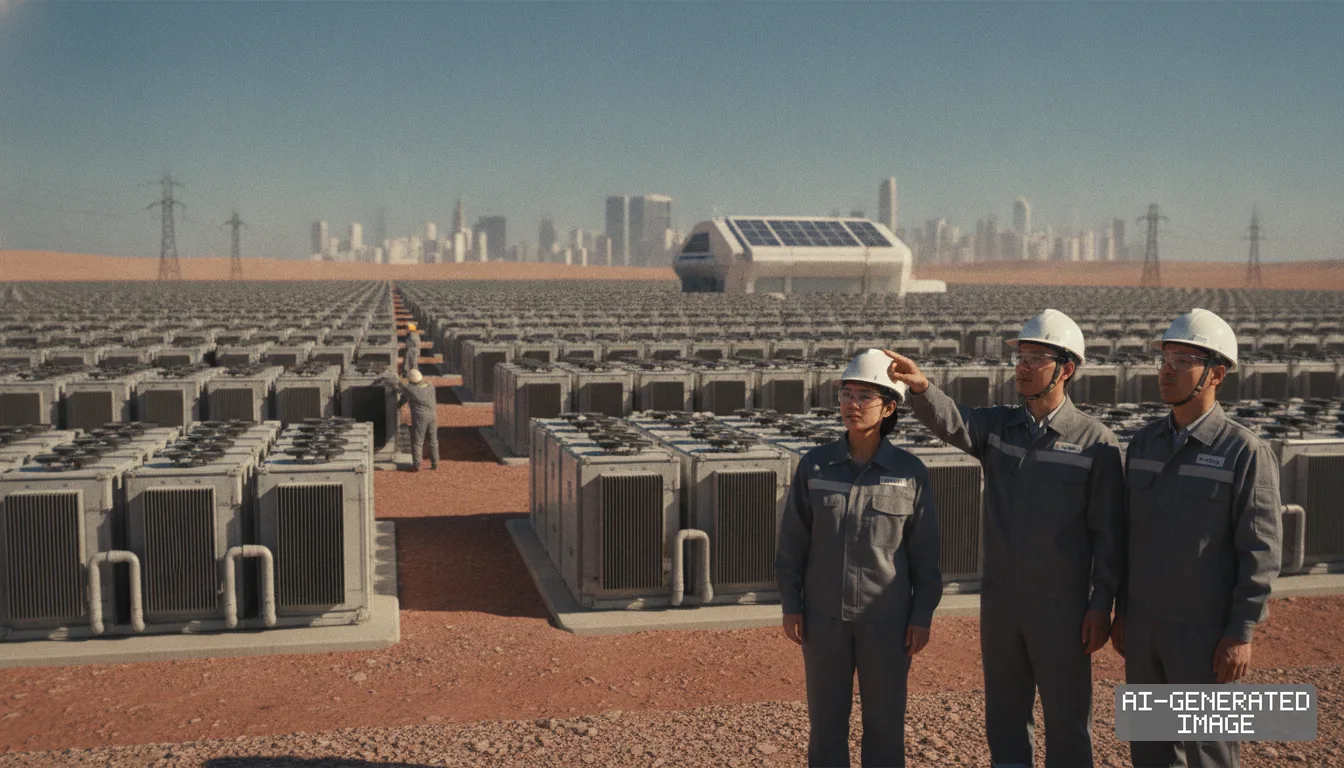
Samsung SDI embeds AI fire diagnosis across 7.1 GWh of utility ESS
The software draws on operational data from 1,400 global sites to flag battery failure risks three days early across tender contracts.
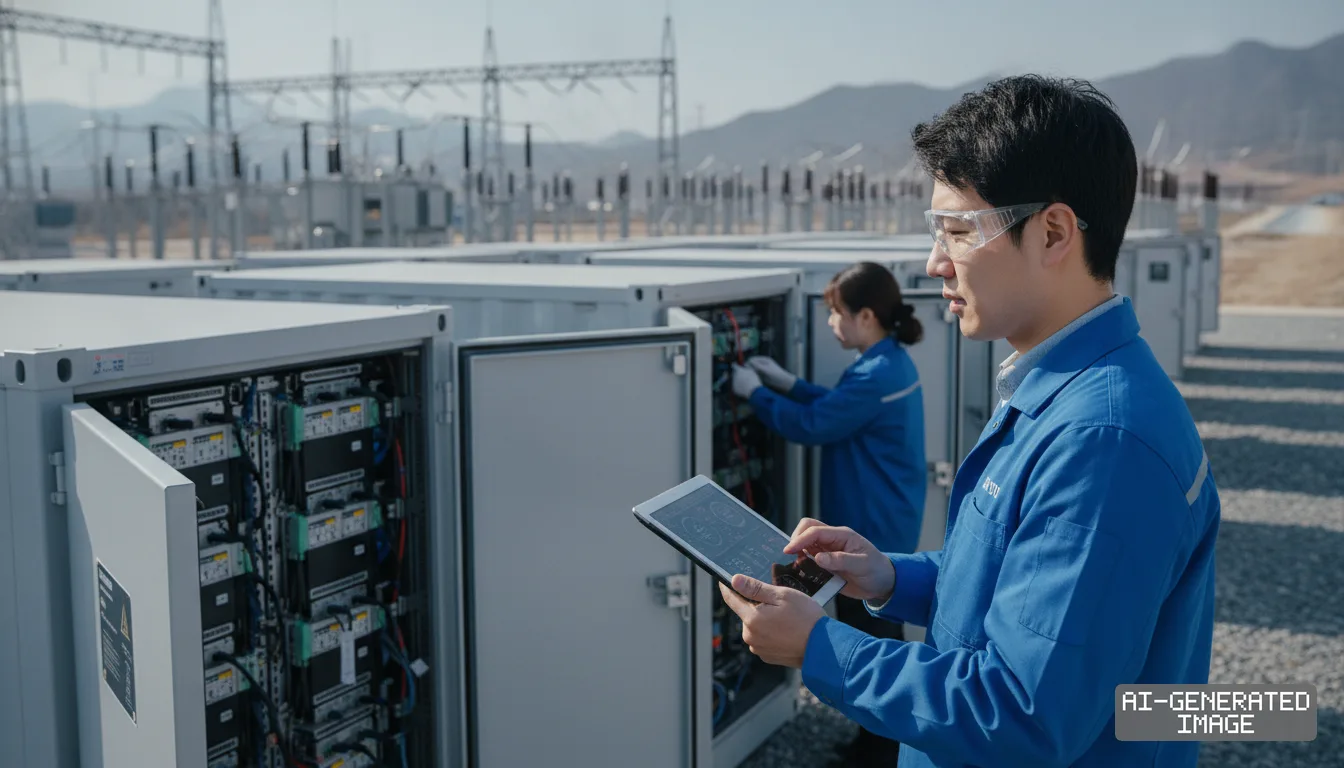
Samsung SDI said Nov. 19 it is embedding its proprietary artificial intelligence diagnostic software, Samsung Battery Intelligence, across its containerized utility-scale energy storage systems.
The software uses operational data gathered from about 1,400 energy storage sites worldwide. It detects abnormal cell behavior and flags thermal runaway risks at least three days before an incident occurs.
Initial rollout targets battery systems supplied for South Korea's third central contract market tender, a procurement program totaling 1,180 megawatts or about 7.08 gigawatt-hours. The company plans to extend the software to newly built units and existing field installations.
The software acts as an early detection layer above physical safety equipment. It works alongside two built-in hardware mechanisms: No Thermal Propagation insulation between adjacent cells and Embedded Direct Injection extinguishing systems.
Battery storage fires typically stem from microscopic internal short circuits that generate heat before venting flammable gases. Detecting voltage, current and temperature anomalies 72 hours ahead allows operators to isolate compromised cells before chemical runaway starts.
Beyond fire prevention, the diagnostic program tracks overall battery degradation in real time. Providing ongoing operational recommendations helps grid operators reduce routine inspection downtime and scheduled maintenance overhead.
Samsung SDI first unveiled the diagnostic system on March 2, 2026, at the InterBattery exhibition in Seoul. Engineers have spent the intervening eight months tuning the algorithms to the specific charge and discharge profiles of the company's battery enclosures.
The platform is designed around the Samsung Battery Box series, an all-in-one enclosure that packages prismatic battery cells, power management racks and cooling equipment into a 20-foot shipping container.
In September, the company's SBB 2.0 model passed the Large Scale Fire Test administered by testing laboratory UL Solutions. That test validated that an intentionally ignited internal module would extinguish without spreading heat or flames to adjoining containers.
The SBB 2.0 platform incorporates lithium iron phosphate chemistry alongside the company's traditional nickel-cobalt-aluminum cells. Both chemistries use prismatic aluminum cans equipped with directional pressure-relief vents to mitigate mechanical swelling.
The domestic rollout arrives amid shifting competition in South Korea's utility storage auctions. Rival manufacturer LG Energy Solution withdrew from bidding in the third central contract market on Nov. 5 to prioritize overseas projects and conserve capital.
The tender is now an effective duel between Samsung SDI and SK On for the 1,180-megawatt procurement volume. Samsung SDI captured 76% of awarded capacity in the country's first storage tender, while SK On took 50.3% in the second auction.
The auction's evaluation matrix assigns 50 points to price and 50 points to non-price criteria. Fire safety verification and domestic industrial contribution carry substantial weight within the technical scoring category.
Software-driven safety standards have gained prominence as North American and European grid operators impose stricter compliance standards. Projects in those jurisdictions increasingly demand verification beyond basic UL9540A testing to lower insurance premiums and avoid zoning rejections.
Samsung SDI is positioning the software system to support utility and commercial storage sales in North America. The company has begun mass-producing SBB 2.0 units at its StarPlus Energy joint venture manufacturing plant in Indiana.
The company introduced an integrated turnkey package called AC Wrap at the RE+ exhibition in Las Vegas on Nov. 18, pairing the containerized batteries with power conversion systems, energy management software and a 25-year performance warranty.
Growing electricity consumption from artificial intelligence data centers has intensified utility demand for large-scale backup systems with minimal downtime risks. A single battery fire can halt facility operations and trigger costly regulatory investigations.
Samsung SDI intends to use field data from upcoming domestic installations to improve algorithm precision. The company plans to deploy software updates over the air to legacy customer units as regional communications protocols allow.
Developers winning capacity in the third central market must finish storage construction by February 2029 to begin 15-year fixed-term power supply contracts with the state grid operator.
The notice does not state whether Samsung SDI will charge operators a subscription fee to activate the software on existing installations, and the company has not published its target contract volume for the third tender.
Samsung SDI increased its research and development expenditure from 1.1 trillion won in 2023 to 1.4 trillion won ($1.01 billion) in 2025, accumulating more than 1,200 patents covering prismatic battery packaging and thermal safety design.
Impact map
How this development propagates across the region and out to global buyers.
| Event | Korea | China | Japan | Global impact |
|---|---|---|---|---|
| AI ESS fire diagnosis deployment | Samsung SDI targets 7.08 GWh 3rd central contract market tender | Prismatic LFP cell competitors face higher safety software bar in export tenders | Grid component vendors adapt balance-of-plant interfaces to real-time cell telemetry | BESS insurance underwriting requires multi-day thermal runaway pre-warning capabilities |
In this story
- Companies
- Samsung SDI
- Tickers
- 006400.KS
- Exposed
- SK OnLG Energy Solution
- Policy
- StandardsProcurement Rules
- Impact
- Supply ChainComplianceCost Structure
Track every Standards development → Track every Procurement Rules development →
Related briefings
- SK On introduces 20-year warranty for grid-scale energy storage Also on Procurement Rules, SK On, Samsung SDI
- LG Energy Solution exits $1.45B Korea grid storage tender Also on Procurement Rules, SK On, Samsung SDI
- Korea Waives Power Grid Fees for ESS Operators to Revive Utility Batteries Also on Procurement Rules, Standards, Samsung SDI
- Korea and Canada advance critical mineral and battery pacts Also on Procurement Rules, SK On, LG Energy Solution
Sources
Reporting
Confidence: medium — how we grade this
The documents behind this briefing are linked above. East Asia Brief produces its English text with AI assistance under human editorial review, and does not translate or republish other outlets' articles. See our methodology and AI policy. Spotted an error? Tell us.
The Morning Brief
What changed in Korean, Chinese and Japanese industry overnight — and what it means for your supply chain. One email, weekday mornings, US time. Free.
The Morning Brief is in preparation. Leave your address and we will write to you once — when the first issue is ready. Nothing before that.