Chinese export curbs push Korean cathode makers toward manganese
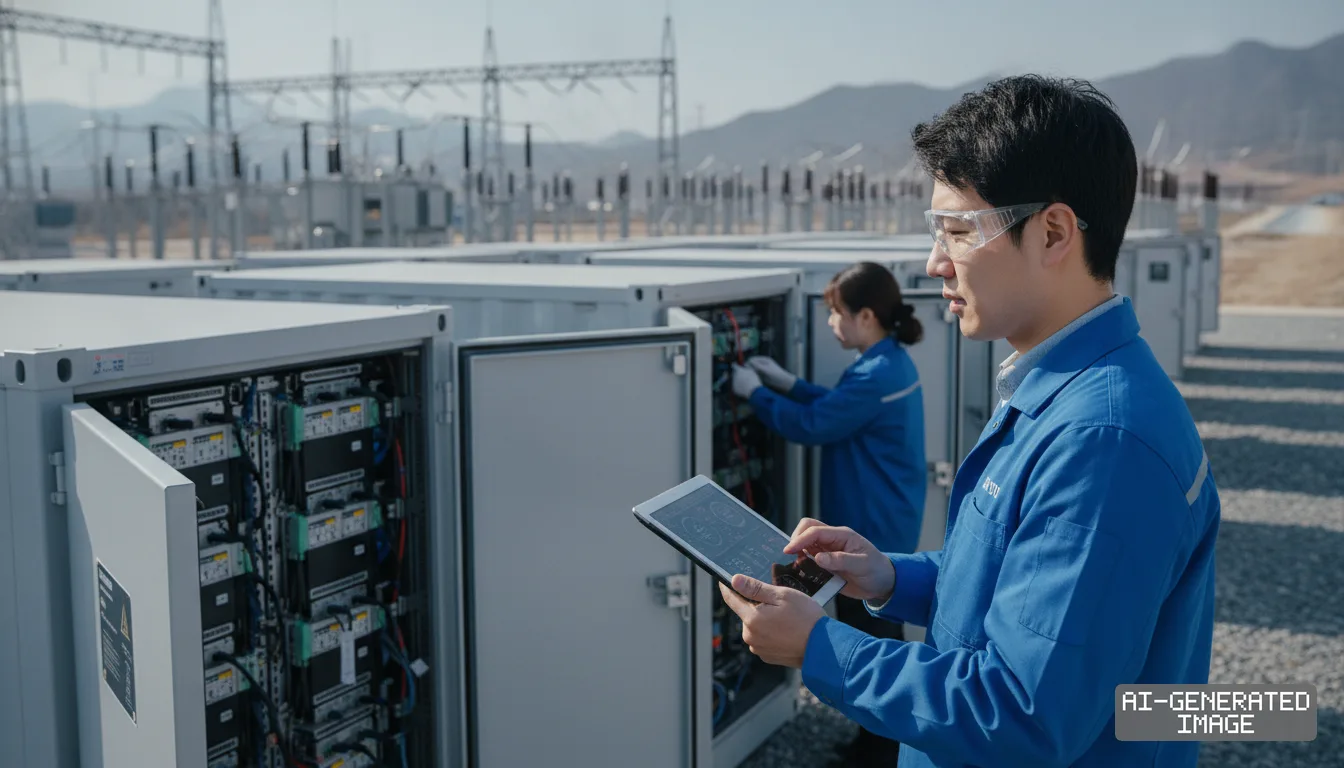
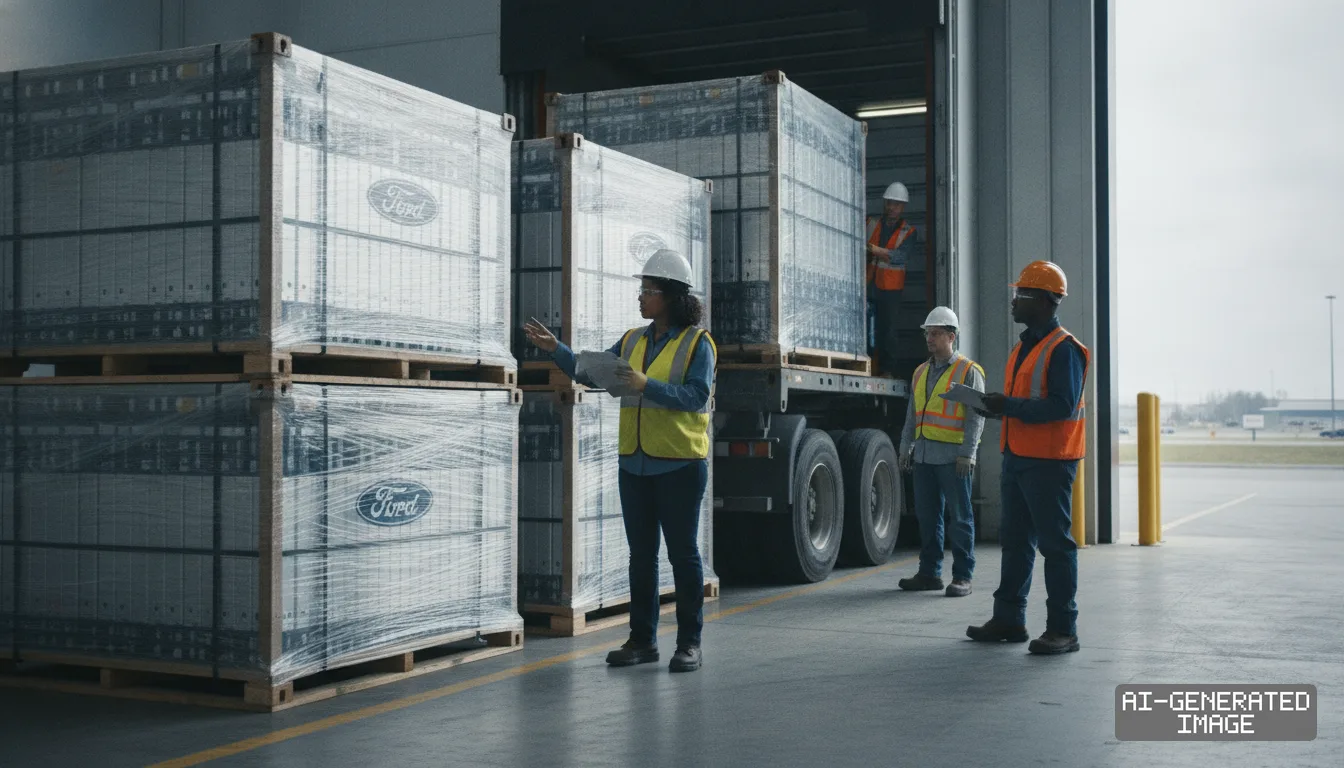
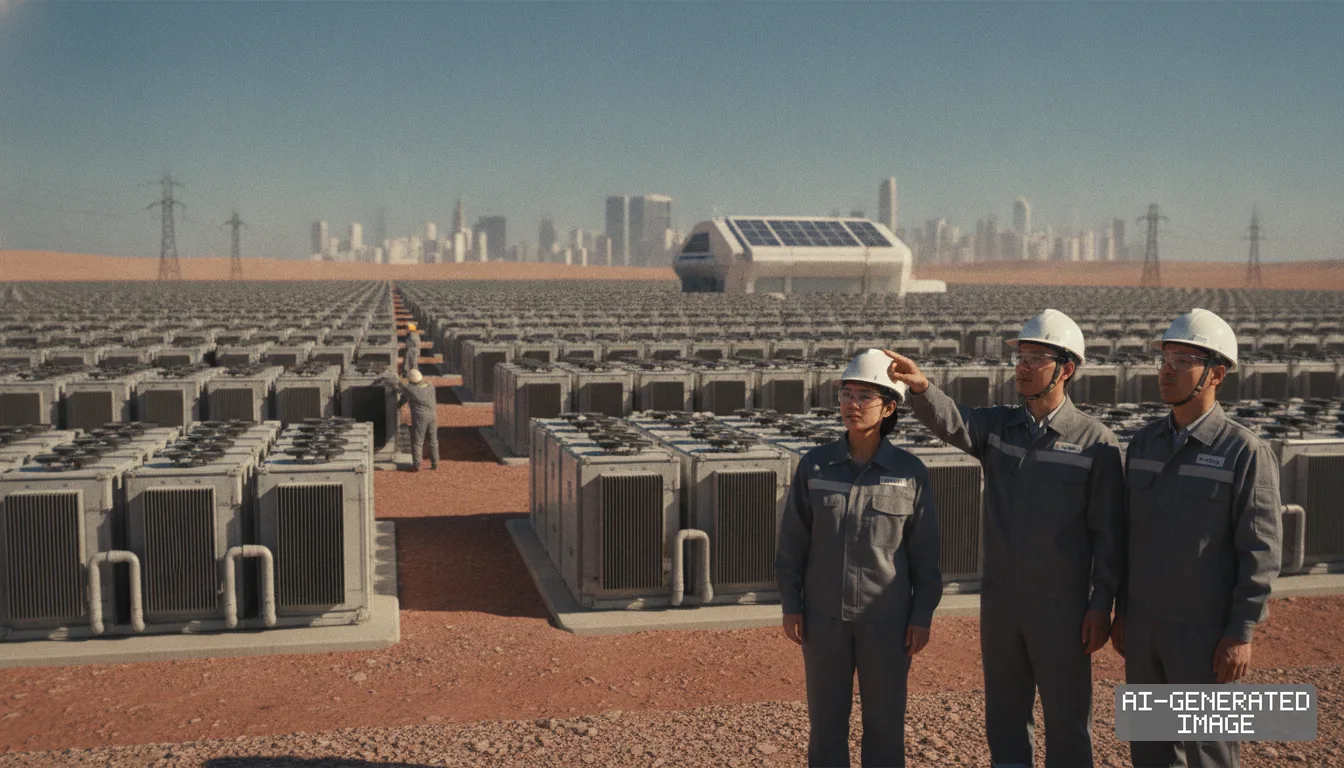
Ultium Cells backs the switch with a 1.36 trillion won Tennessee investment in manganese-rich lines that offer 33% higher energy density than LFP.
South Korean cathode makers accelerated development roadmaps for manganese-rich battery materials on Nov. 18, 2026, defending automotive supply contracts against tightening Chinese export restrictions on upstream refining and critical minerals.
The technical transition targets lithium manganese-rich chemistries — cathode formulations that substitute low-cost manganese for expensive cobalt and nickel. The shift removes processing exposure to Chinese smelting monopolies.
Ultium Cells committed 1.36 trillion won ($1 billion) through 2030 to install prismatic production lines in Tennessee. The chemistry provides 33% higher energy density than lithium iron phosphate cells at comparable production costs, the joint venture said.
South Korean manufacturers long prioritized nickel-rich chemistries that deliver high energy density for premium electric sedans. Those formulations require refined nickel and cobalt supplies that remain concentrated in Chinese processing hubs.
Manganese-rich cathodes raise manganese content to between 60% and 65% of the active formulation, down from nickel concentrations exceeding 80%. The substitution insulates cell assembly lines from sudden raw material export controls.
The timing aligns with regulatory rules in the United States that restrict tax credits for vehicles containing critical materials sourced from foreign entities of concern. Manganese offers more diversified mining supply chains across Africa and Australia.
General Motors confirmed Nov. 11, 2026, that its fourth-generation vehicle platform will incorporate the new cells. The automaker plans to deploy the chemistry across high-volume pickup trucks and sport utility vehicles by 2028.
LG Energy Solution and GM will split manufacturing modifications at their Spring Hill plant. The project adds 500 workers to the existing factory workforce of 1,200 staff.
Upstream cathode suppliers in South Korea have restructured domestic pilot infrastructure to feed North American cell plants. LG Chem operates pilot lines in Cheongju and aims for commercial mass production by 2028, the company said.
POSCO Future M concluded pilot manufacturing runs and completed equipment verifications across domestic sites. The supplier intends to convert existing high-nickel lines rather than build dedicated greenfield plants, preserving capital expenditures.
The materials producer signed an agreement on Oct. 30, 2026, to deliver 720,000 metric tons of cathode and anode materials to LG Energy Solution through 2033. The supply package includes mid-nickel and iron-based active formulations.
EcoPro BM finished pilot qualification testing and dispatched automotive samples to vehicle assemblers, the company said. The producer plans to repurpose designated ternary production lines once customers close commercial purchase agreements.
LF unveiled manganese-rich and iron-phosphate product schedules at industry exhibitions in Seoul, expanding supply options for non-Chinese sourcing channels. The material offers higher recyclability value than iron phosphate cathodes, reclaiming roughly 8% lithium at end of life.
Early test results show battery stability challenges during high-voltage cycling. Oxygen releases inside cell packages previously caused swelling and internal degradation over repeated charging cycles.
LG Energy Solution secured operating conditions that preserved 92.2% initial energy retention after 883 charging cycles in 40-ampere-hour large cells, according to academic research published in September 2026. The breakthrough resolved previous commercial bottlenecks.
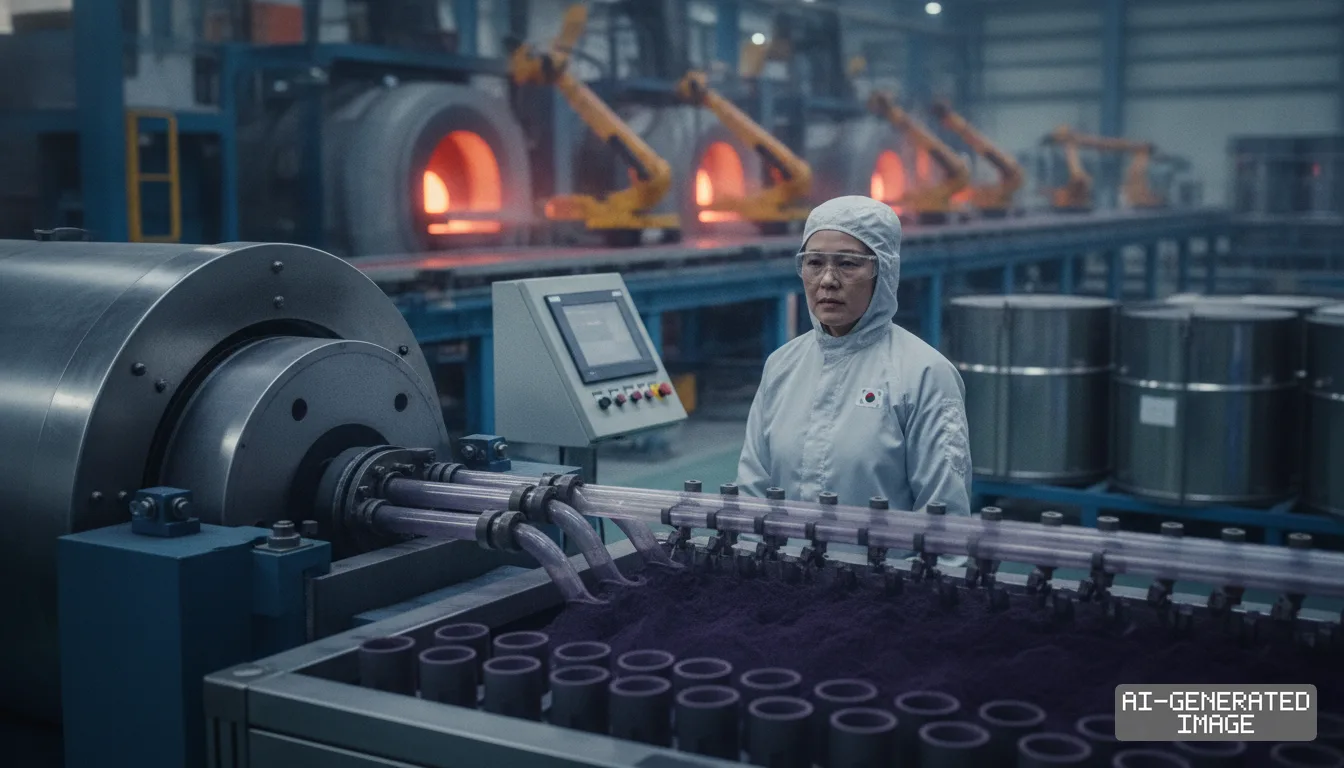
Retooling existing production lines lowers execution risks for South Korean suppliers. Processing manganese active precursors requires minimal modifications to standard calcination kilns used for conventional nickel-cobalt-manganese active materials.
Chinese battery manufacturers maintain commercial leadership in standard iron phosphate batteries, capturing 44.6% of cell demand outside China. South Korean material producers lost 10.4% market share across third countries during recent procurement cycles.
Offering manganese alternatives allows Korean manufacturers to match low Chinese cell costs while providing greater vehicle driving range. Automakers also bypass import duties attached to Chinese active battery materials.
Supply chains for battery-grade manganese sulfate remain independent of Chinese chemical cartels. South Korean processors source mined manganese ore directly from South Africa, Gabon and Australia before purifying the feedstock domestically.
North American automotive assembly lines require high volumes of tax-compliant cells starting in 2027 under federal trade rules. Manganese chemistry bridges entry-level electric vehicle segments that previously faced cost disadvantages.
Equipment modifications at the Spring Hill facility begin late this year and conclude in 2028. Commercial vehicle integration on GM assembly lines follows immediately upon plant commissioning.
The South Korean government has not published binding procurement quotas for manganese chemistries, and suppliers have not disclosed committed off-take volumes for commercial production lines. Industry testing on vehicle durability runs through mid-2027.
Impact map
How this development propagates across the region and out to global buyers.
| Event | Korea | China | Japan | Global impact |
|---|---|---|---|---|
| LMR cathode supply transition | POSCO Future M and LG Chem retrofit NCM lines to produce non-China compliant active materials | CATL and BYD face direct range competition against overseas LFP cell shipments | Panasonic faces tighter competition in North American high-volume vehicle segments | EV makers gain tax-compliant chemistries offering 33% higher energy density than LFP |
| LMR cathode supply transition | POSCO Future M and LG Chem retrofit NCM lines to produce non-China compliant active materials | CATL and BYD face direct range competition against overseas LFP cell shipments | Panasonic faces tighter competition in North American high-volume vehicle segments | EV makers gain tax-compliant chemistries offering 33% higher energy density than LFP |
In this story
- Companies
- LG Energy SolutionPOSCO Future MLG ChemEcoPro BM
- Tickers
- 373220.KS003670.KS051910.KS247540.KQ
- Exposed
- General MotorsLF
- Policy
- Local Content RulesExport Controls
- Impact
- Supply ChainCapexCost Structure
Track every Local Content Rules development → Track every Export Controls development →
Related briefings
- Cathode output outside China lags behind 5.4 TWh cell demand by 2040 Also on LG Chem, EcoPro BM, General Motors
- Korean cathode makers automate single-crystal calcination lines to secure yields Also on LG Chem, EcoPro BM, General Motors
- Korean cathode makers pivot to LMR to halt Chinese LFP gains in EVs Also on LG Chem, EcoPro BM, General Motors
- Korean cathode makers retool production lines for LMFP chemistry as price war spreads Also on LG Chem, EcoPro BM, POSCO Future M
Sources
Primary documents
Reporting
Confidence: high — how we grade this
The documents behind this briefing are linked above. East Asia Brief produces its English text with AI assistance under human editorial review, and does not translate or republish other outlets' articles. See our methodology and AI policy. Spotted an error? Tell us.
The Morning Brief
What changed in Korean, Chinese and Japanese industry overnight — and what it means for your supply chain. One email, weekday mornings, US time. Free.
The Morning Brief is in preparation. Leave your address and we will write to you once — when the first issue is ready. Nothing before that.