Chalmers maps automotive gallium recovery under China curbs
A Swedish study shows automotive electronic waste yields almost no gallium or germanium, while industrial bauxite residues hold 140 metric tons of unrecovered metal.
Chalmers University of Technology researchers circulated an automotive supply chain study on Oct. 5, 2026, finding that European vehicle recyclers recover zero percent of gallium and two percent of germanium.
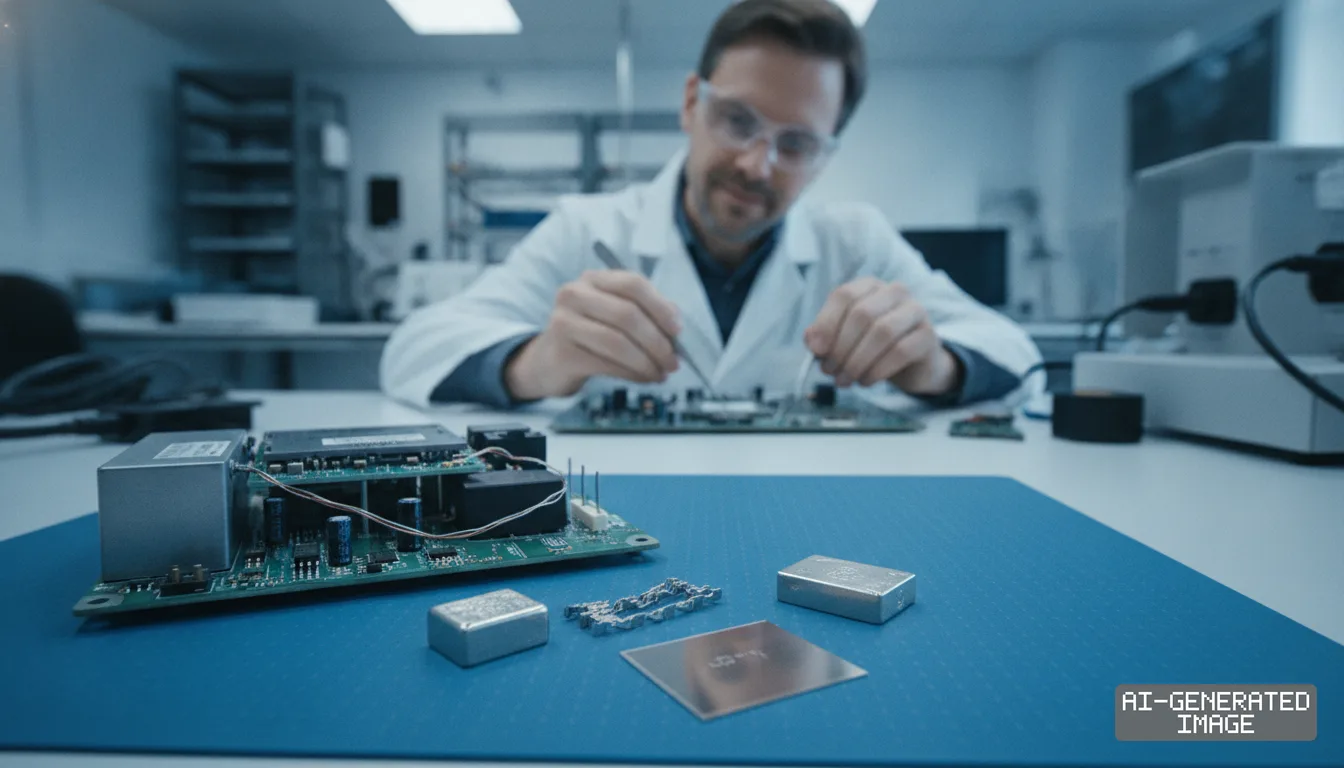
The study examines electronic control units in passenger vehicles, where demand for compound semiconductors has expanded as European automakers produce more electric vehicles and advanced driver assistance modules.
China controls roughly 90% of primary gallium refining and 60% of refined germanium output worldwide, while post-consumer automotive waste streams in Europe discard both metals entirely without commercial recovery.
The European Union generates approximately seven million metric tons of bauxite residue, known as red mud, each year. That industrial residue holds an estimated 140 metric tons of unextracted gallium, according to the report.
Zinc smelters across the continent produce another 600,000 metric tons of jarosite residue annually. That waste fraction contains roughly 30 metric tons of gallium and 48 metric tons of germanium, the authors calculated.
Despite those potential mineral volumes, post-consumer vehicles yield almost zero strategic metal. Conventional scrap yards run shredders that pulverize automotive circuit boards, diluting microgram-scale semiconductor dies into bulk ferrous and plastic scrap.
The two percent recovery rate recorded for germanium reflects recycled infrared optics and specialized aerospace components. Automotive electronics contribute almost nothing to that figure, the researchers said.
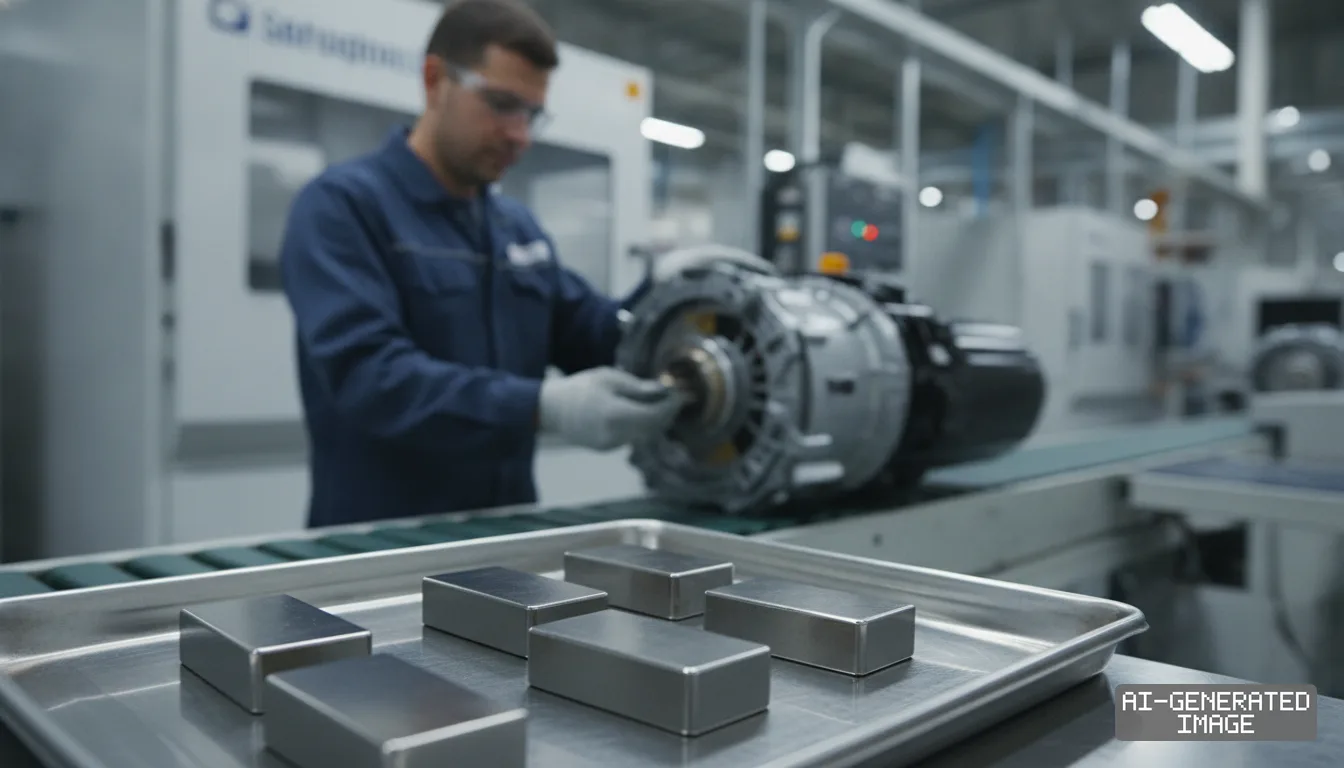
Electronic control units present severe physical extraction barriers for vehicle dismantlers. Tier-1 automotive suppliers pot circuit boards in thick polyurethane resins and seal them in cast aluminum casings to resist road shock and moisture.
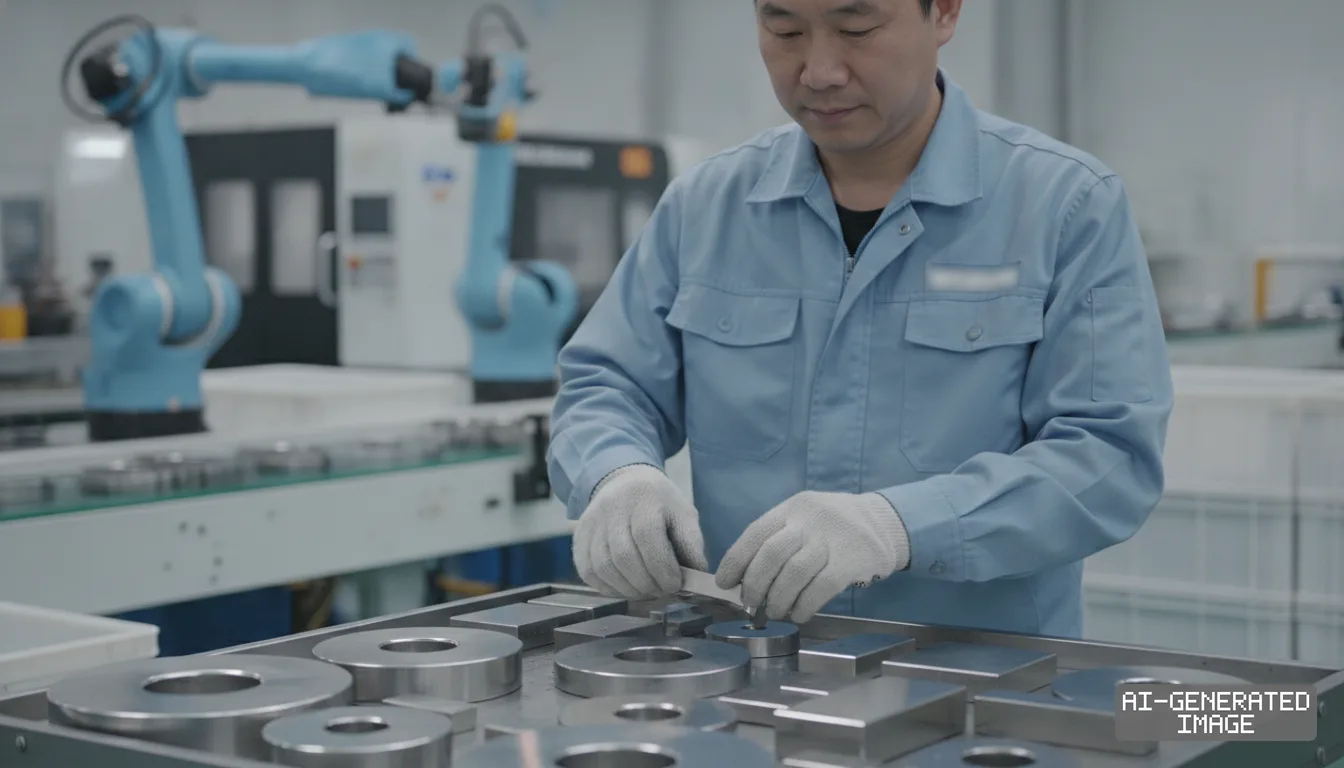
Those protective enclosures prevent automated mechanical stripping at scrap yards. Dismantling each unit by hand requires labor hours whose cost far exceeds the market value of the trace metals inside, the report found.
The concentration of target metals inside individual control modules remains extremely low. A standard vehicle control unit contains only milligrams of compound semiconductors, spread across multiple multi-layer circuit boards.
Supply vulnerability has worsened since Beijing imposed export licensing controls on both elements in August 2023. International benchmark prices for gallium doubled between July 2023 and mid-2024 as export approvals slowed.
On an raw material supply risk scale running from one to 10, gallium scored 7.6 while germanium reached 8.1. Those ratings represent the highest distribution risks among all semiconductor inputs evaluated in the study.
The researchers concluded that manufacturing scrap offers the only commercially workable circularity route today. Wafer dicing residue and epitaxy offcuts from semiconductor fabrication plants contain metal concentrations thousands of times higher than shredded cars.
Specialty refiners already run closed-loop recycling systems for chipmakers. Belgium-based Umicore reclaims germanium from optical scrap and wafer residues, while Neo Performance Materials and Indium Corporation process secondary gallium streams from industrial customers.
To recover metals from discarded circuit boards directly, the report highlighted emerging thermal processes. Flash Joule heating uses high-voltage electric pulses to vaporize trace volatile metals in milliseconds, eliminating the need for hydrometallurgical acid baths.
The authors also pointed to artificial intelligence sorting systems. Optical sensors paired with machine-vision software can identify and pick high-density semiconductor packages from conveyor lines before boards reach high-speed industrial shredders.
The study lands as Brussels presses manufacturers to secure non-Chinese raw material sources. The European Union Critical Raw Materials Act requires domestic recycling facilities to supply at least 25% of strategic metal demand by 2030.
The European Commission opens its first formal member state compliance review under the Critical Raw Materials Act in June 2027. Automotive assemblers will face scrutiny over whether vehicle electronic components can be disassembled for circular processing.
The Chalmers report does not state unit processing costs or energy inputs required for flash Joule heating at commercial scale. The European Commission has not published mandatory collection quotas specifically targeting automotive electronic control units.
Research consortia in Sweden, Germany and Belgium continue laboratory tests on jarosite and red mud residues, while European carmakers still depend entirely on primary imported gallium and germanium for production.
Impact map
How this development propagates across the region and out to global buyers.
| Event | Korea | China | Japan | Global impact |
|---|---|---|---|---|
| Automotive gallium and germanium recycling | no direct processing, domestic battery and auto supply chains monitor compound semiconductor availability | maintains 90% primary gallium refining control while Western circular alternatives face years of scaling | specialty compound semiconductor houses assess secondary wafer scrap sourcing | automotive electronics face supply chain exposure under 0% end-of-life gallium circularity |
In this story
- Companies
- UmicoreNeo Performance MaterialsIndium Corporation
- Tickers
- UMI.BR
- Policy
- Export ControlsEconomic Security
- Impact
- Supply ChainCost StructureCompliance
Track every Export Controls development → Track every Economic Security development →
Related briefings
- India pushes rare earth magnet output to counter China curbs Also on NEO Performance Materials, Export Controls, Cost Structure
- Pentagon ends Chinese mineral waivers before 2027 deadline Also on Export Controls, Compliance, Cost Structure
- Japan urges China to expedite rare earth export approvals Also on Export Controls, Compliance, Cost Structure
- Aerospace suppliers test rare-earth-free turbine coatings Also on Export Controls, Compliance, Cost Structure
Sources
Reporting
Confidence: medium — how we grade this
The documents behind this briefing are linked above. East Asia Brief produces its English text with AI assistance under human editorial review, and does not translate or republish other outlets' articles. See our methodology and AI policy. Spotted an error? Tell us.
The Morning Brief
What changed in Korean, Chinese and Japanese industry overnight — and what it means for your supply chain. One email, weekday mornings, US time. Free.
The Morning Brief is in preparation. Leave your address and we will write to you once — when the first issue is ready. Nothing before that.