China germanium hits record 28,500 yuan on export control gap
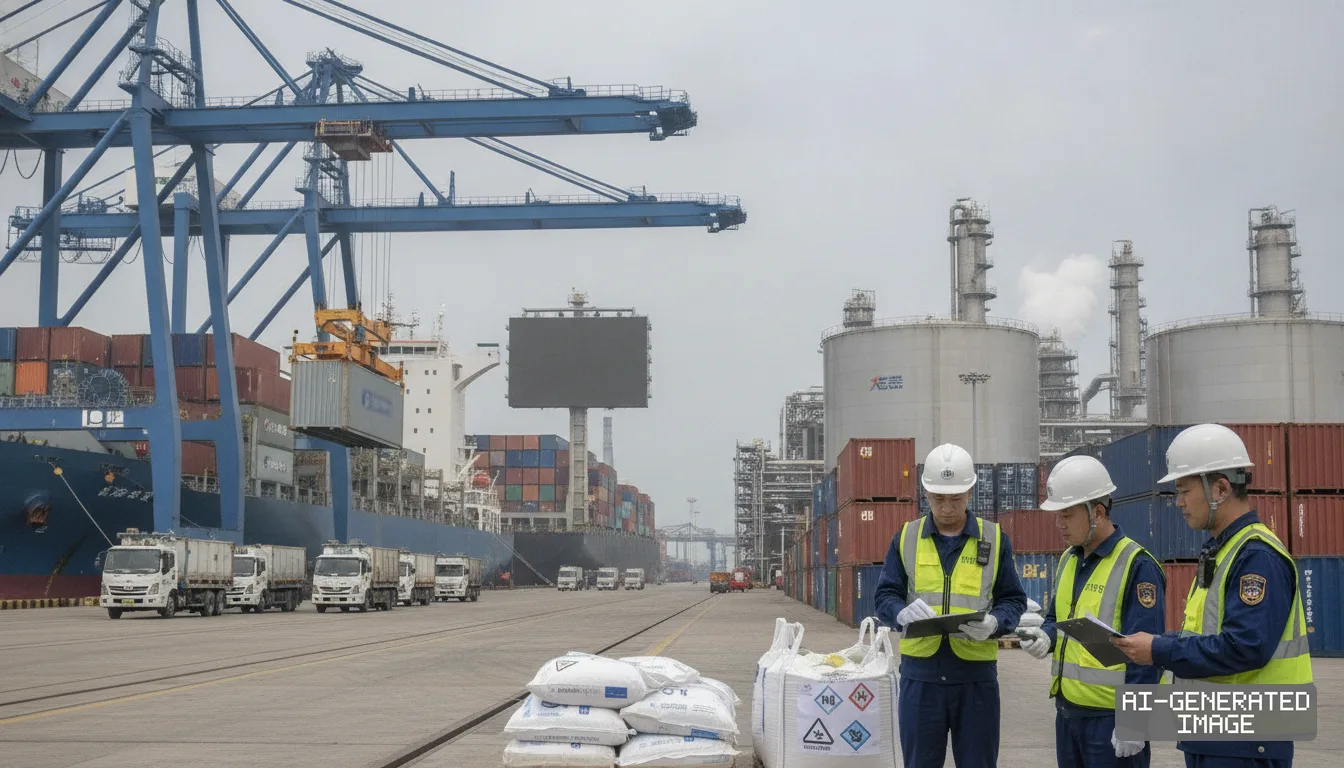
Shanghai spot prices reached fresh peaks on October 26 as Western warehouse premiums climbed near 80 percent ahead of a November export suspension deadline.
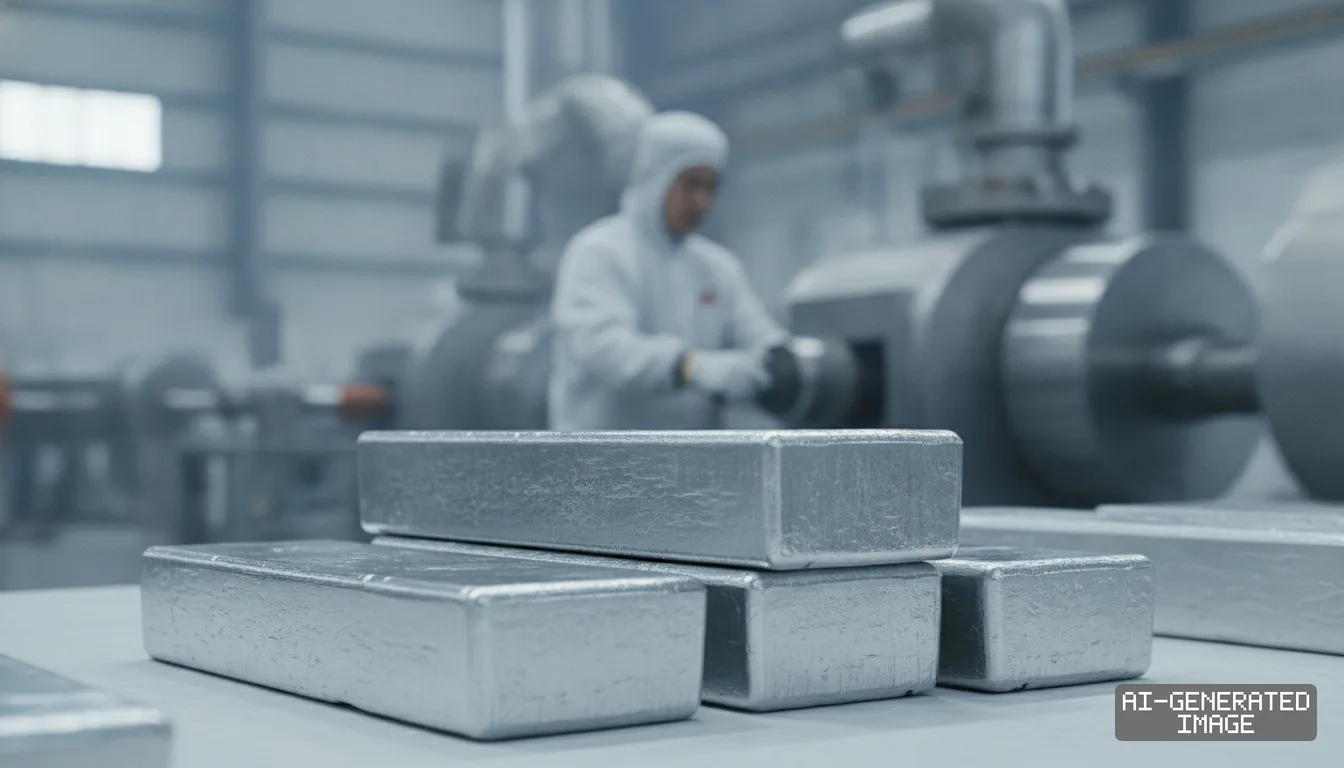
Spot germanium prices in China touched a record 28,500 yuan ($3,768) per kilogram on Oct. 26, 2026, driven by chronic shortages under Beijing's export licensing system.
The benchmark price for 99.999% zone-melted ingot represents an increase of roughly 110% since January, according to price assessments from the Shanghai Metals Market.
China produces roughly 60% of the world's refined germanium, giving its licensing system direct control over inputs required for thermal optics and advanced semiconductors.
The domestic price surge has widened distortions across international procurement channels. Western buyers face substantial premiums for physical inventories stored outside China.
In-warehouse material in the United States traded at $6,405 per kilogram, according to assessment data from the Shanghai Metals Market.
That Western price represents a premium of 78.6% above domestic Chinese transactions, down from peaks exceeding 100% in August but far above historical spreads.
Chinese domestic trading network CBC Metal reported spot transactions reaching 28,750 yuan per kilogram on Oct. 23, confirming sustained upward momentum across regional trading desks.
Procurement pressure has intensified as commercial buyers prepare for an impending regulatory deadline in Beijing.
China's Ministry of Commerce issued Announcement No. 72 of 2025 on Nov. 9, 2025, which temporarily suspended a total ban on exports of gallium, germanium and antimony to the United States.
That suspension is scheduled to expire on Nov. 27, 2026, leaving American procurement desks facing potential supply cutoffs if Beijing does not extend the relief.
The export curbs originate from MOFCOM and General Administration of Customs Announcement No. 23 of 2023, which took effect Aug. 1, 2023.
That regulation established individual export licensing reviews for all downstream germanium forms, including germanium dioxide, zone-refined ingots and epitaxial wafers.
Under the 2023 framework, Chinese exporters must disclose end-users and technical specifications to state security regulators before customs clearance.
The Ministry of Commerce has not published any new administrative orders or quota revisions regarding germanium for the Oct. 26 price surge.
The administrative burden has steadily constrained outbound volume, creating concentrated inventory pockets inside China while starving Western fabricators.
Western companies that process zinc concentrates or recycle scrap are expanding operations to bypass Chinese supply bottlenecks.
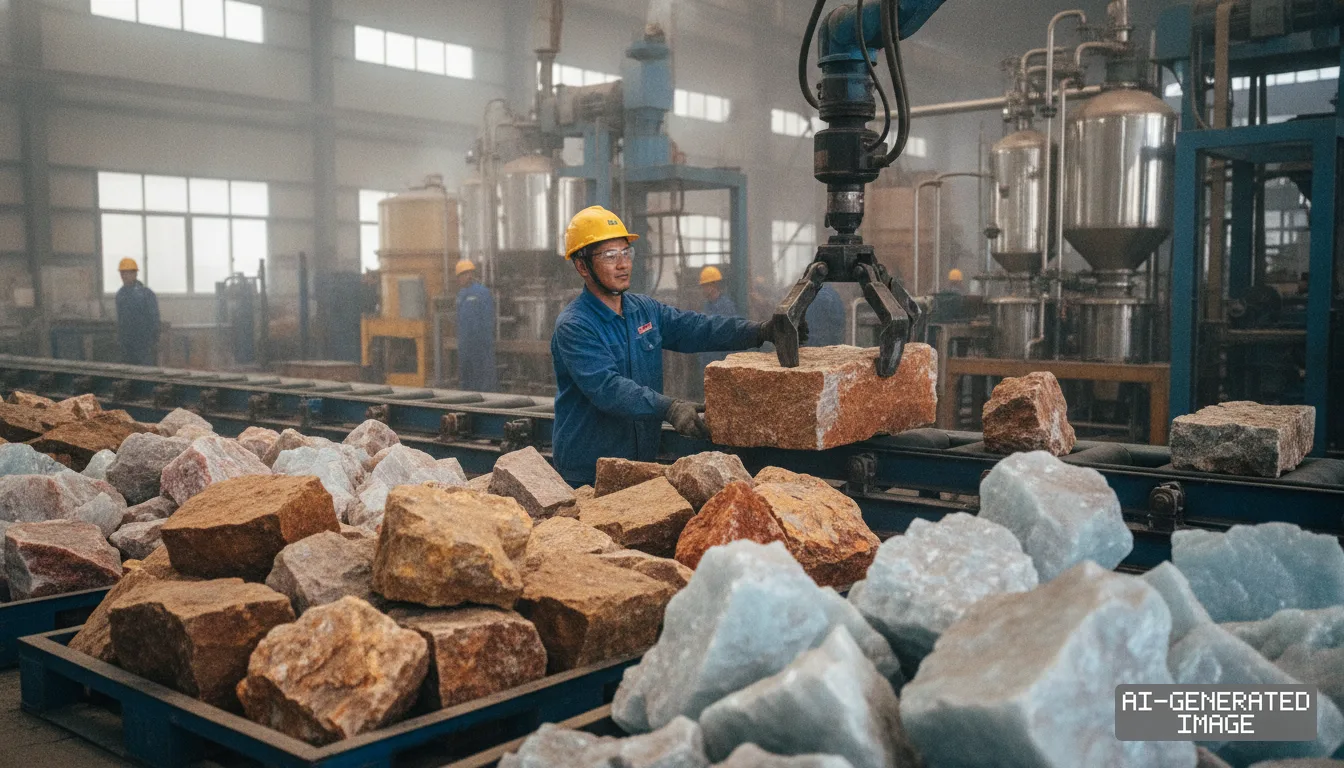
Teck Resources processes germanium-bearing zinc residues at its Trail metallurgical complex in British Columbia, which supplies about 40 metric tons annually, or roughly 20% of Western refined consumption.
Umicore operates specialized germanium recycling facilities in Belgium and the United States, drawing feedstock from optical scrap to insulate its infrared optics division.
The Belgian refiner generates roughly 15% of its specialty materials division revenue from high-purity optics and substrate manufacturing.
Downstream optics manufacturers that lack internal recycling operations face severe raw-material inflation.
LightPath Technologies, which relies on infrared materials for defense optics, has accelerated qualification of its germanium-free BlackDiamond chalcogenide glass to mitigate price swings.
The Orlando-based optics company generates approximately 22% of its revenue from thermal imaging components that historically specified monocrystalline germanium lenses.
Semiconductor fabricators face parallel exposure as silicon-germanium epitaxy gains adoption in radio-frequency chips and automotive radar.
Taiwan Semiconductor Manufacturing Co. and Samsung Electronics consume high-purity germanium gas precursors in selective epitaxial growth lines for advanced logic transistors.
Advanced transistor architectures consume less than 5% of global physical germanium tonnage, but purity standards leave wafer fabs sensitive to single-source disruptions.
Japanese device fabricators face compound trade restrictions following Ministry of Commerce Announcement No. 1 of 2026 on Jan. 6, 2026.
That order barred dual-use metal shipments to Japanese entities contributing to military capabilities, shutting conventional supply routes for precision optics builders.
Informal broker indications in European over-the-counter channels have quoted urgent delivery at $17,000 per kilogram, according to trade reports from Rare Earth Exchanges.
The exchanges could not verify those extreme quotes through cleared broker-dealer trades, indicating that panic bids remain isolated to distress lots.
Trading desks in Shanghai reported that Chinese smelting operations operated at steady output rates through mid-October, pointing to regulatory friction rather than mine depletion.
Chinese producers including Yunnan Lincang Xinyuan Germanium Industrial Co. and Yunnan Chihong Zinc & Germanium Co. have diverted output toward domestic stockpiles.
Yunnan Germanium accounts for roughly one-third of Chinese refining output and booked 48% of its first-half sales through domestic state-backed procurement programs.
Chihong Zinc & Germanium processes byproduct metal alongside base zinc lines, holding refined inventory under bilateral contracts with domestic device makers.
Western procurement managers now track diplomatic schedules ahead of the Nov. 27 expiration date to determine whether commercial flows to North America will halt entirely.
Impact map
How this development propagates across the region and out to global buyers.
| Event | Korea | China | Japan | Global impact |
|---|---|---|---|---|
| China germanium price record | Samsung Foundry faces high-purity precursor inflation on RF silicon-germanium lines | Yunnan Germanium directs ~48% of output to domestic buyers as domestic spot reaches 28,500 yuan | Tokyo optics makers face dual-use export bans under MOFCOM Announcement No. 1 of 2026 | US warehouse material trades at 78.6% premium ahead of Nov. 27 suspension expiration |
In this story
- Companies
- Yunnan Lincang Xinyuan Germanium IndustrialYunnan Chihong Zinc & GermaniumUmicoreTeck Resources
- Tickers
- 002428.SZ600497.SSUMI.BRTECK
- Exposed
- LightPath TechnologiesSamsung Electronics
- Policy
- Export Controls
- Impact
- PricingSupply ChainCost Structure
Track every Export Controls development →
Related briefings
- Chalmers maps automotive gallium recovery under China curbs Also on Umicore, Export Controls, Cost Structure
- Analysts reject Elon Musk warning on China memory chip glut Also on Samsung Electronics, Export Controls, Pricing
- Samsung and SK hynix upgrade China memory fabs to 286 layers Also on Samsung Electronics, Export Controls, Pricing
- CXMT lifts revenue sixfold to 119.7 billion yuan on memory volume push Also on Samsung Electronics, Export Controls, Pricing
Sources
Primary documents
Reporting
Confidence: high — how we grade this
The documents behind this briefing are linked above. East Asia Brief produces its English text with AI assistance under human editorial review, and does not translate or republish other outlets' articles. See our methodology and AI policy. Spotted an error? Tell us.
The Morning Brief
What changed in Korean, Chinese and Japanese industry overnight — and what it means for your supply chain. One email, weekday mornings, US time. Free.
The Morning Brief is in preparation. Leave your address and we will write to you once — when the first issue is ready. Nothing before that.