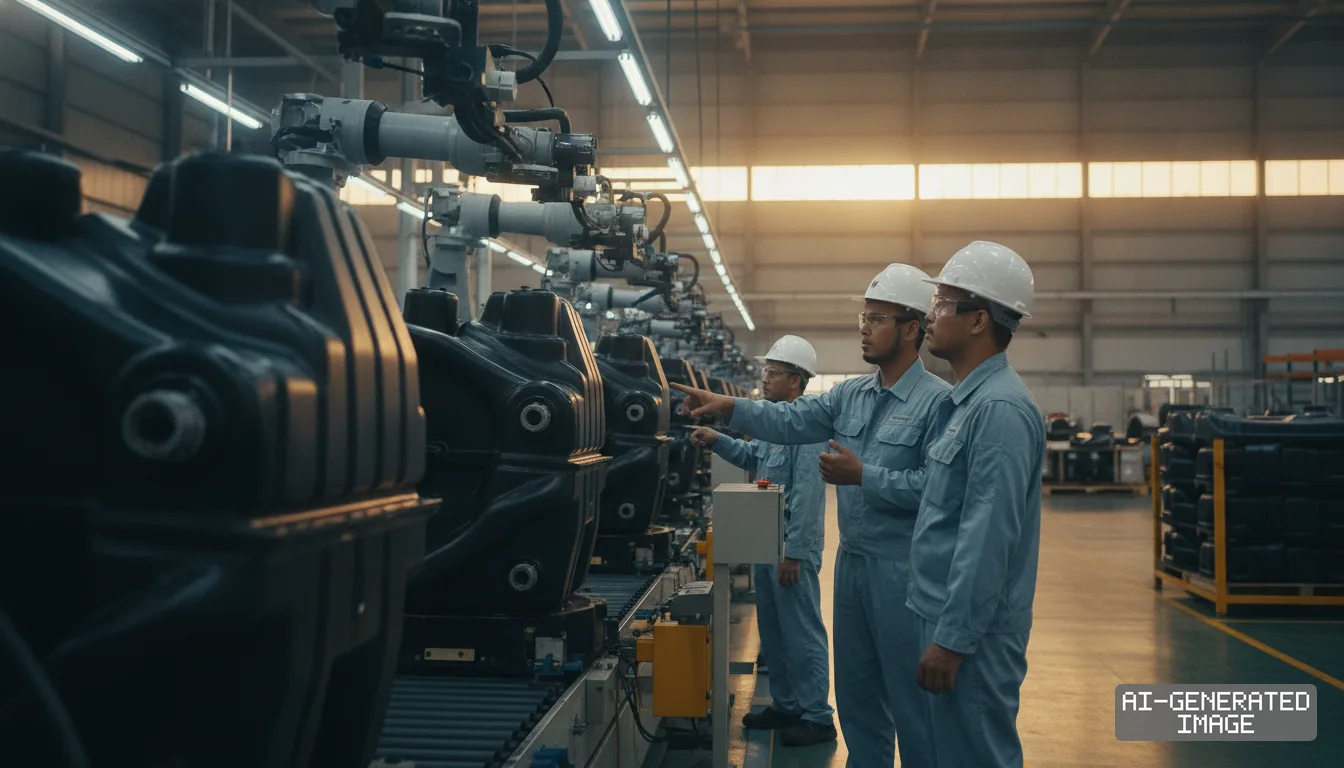
Seoul Creates Chip Policy Office to Speed Up 800 Trillion Won Push
The new unit is meant to cut approval times for subsidies and permits tied to Korea's semiconductor investment plans, though its exact powers remain undisclosed.
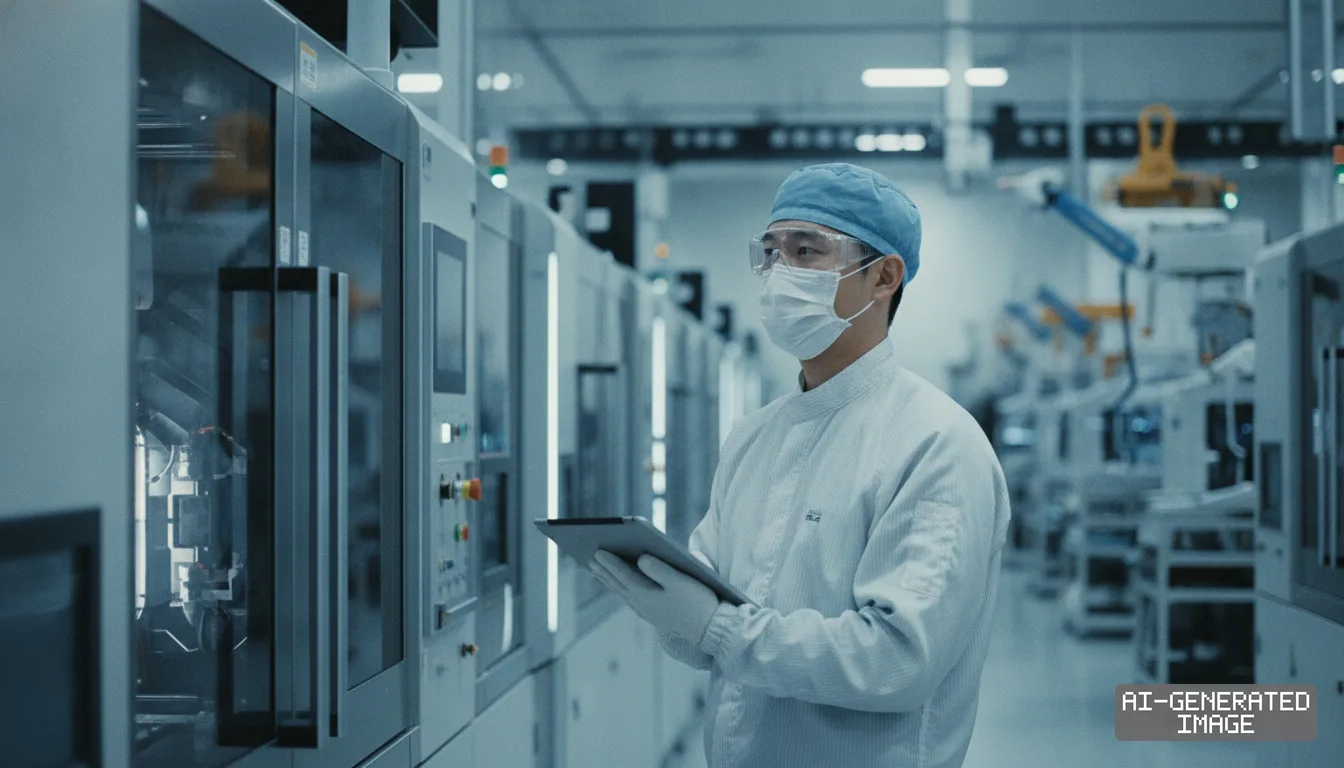
South Korea set up a dedicated chip policy office on Oct. 13, 2026, aiming to speed government approvals tied to roughly 800 trillion won ($570 billion) in planned semiconductor investment. The new unit is meant to function as a single point of contact across the ministries that currently handle subsidies, permits and land-use sign-offs for fab projects.
For readers outside the region, Korea's chip investment pipeline runs through multiple agencies at once: the industry ministry sets subsidy and tax-credit policy, while separate bodies handle environmental permits, power-grid connections and local zoning. A dedicated office is intended to shorten the time a company spends moving a single project through that chain.
The stated goal is to fast-track funding and approvals tied to the 800 trillion won figure, a cumulative total that spans both private capital expenditure and public support rather than a single budget line. Seoul has used large multi-year investment totals in past semiconductor strategies to signal the scale of planned fab and packaging capacity across the country.
South Korea's two largest chipmakers, Samsung Electronics and SK hynix, are the companies whose capital spending plans make up the bulk of that national total, since they operate the country's leading-edge logic and memory fabs. Neither company has yet confirmed in a public filing how the new office changes the approval timeline for a specific project.
The move invites direct comparison with the United States and the European Union, both of which created standalone administrative structures to manage their own chip subsidy programs. The US CHIPS and Science Act set up a dedicated program office inside the Commerce Department to review and disburse funding, while the EU Chips Act relies on a joint undertaking that coordinates funding across member states. Seoul's new office appears aimed at the same problem those structures were built to solve: multiple agencies touching one investment decision, each on its own clock.
For suppliers and investors, the practical question is whether the office can shorten the gap between a company announcing a fab expansion and that company actually breaking ground. Permitting delays, rather than subsidy size alone, have been a recurring complaint from chipmakers and equipment suppliers operating in Korea's industrial clusters, including the Yongin semiconductor cluster southeast of Seoul.
The office's exact legal authority, its staffing, and whether it can override decisions made by other ministries have not been detailed in any document reviewed for this report. It is also not yet clear whether the office covers only new investment announced going forward or retroactively applies to projects already working through the approval process, including fabs under construction in the Yongin cluster.
The South Korean government has not published a specific timeline for when the office will issue its first fast-tracked approval or hold its first interagency review. Equipment suppliers and materials companies tied to Samsung Electronics and SK hynix capacity plans are the most likely to be affected once the office begins processing specific project files, though none of those effects are documented yet.
This report does not confirm the office's formal name, its reporting ministry, or the specific set of approvals it has authority to accelerate. Those details were not available in the documents reviewed, and East Asia Brief will update the record once the government publishes an implementing notice or organizational chart for the new unit.
In this story
- Companies
- Samsung ElectronicsSK hynix
- Tickers
- 005930.KS000660.KS
- Policy
- SubsidiesExport Controls
- Impact
- CapexCompliance
Track every Subsidies development → Track every Export Controls development →
Related briefings
- SK hynix subsidiary Solidigm weighs NAND fab in New York Also on SK hynix, Samsung Electronics, Export Controls
- CXMT starts pilot HBM3E production as China accelerates AI chip self-reliance Also on SK hynix, Samsung Electronics, Export Controls
- China Consolidates State Antimony and Gallium Refining to Lock Down Metal Value Chain Also on SK hynix, Samsung Electronics, Export Controls
- White House keeps chip export controls after Xi-Trump summit Also on SK hynix, Samsung Electronics, Export Controls
Sources
Reporting
- Korea launches chip policy office to fast-track W800tr investments - The Korea Herald
- South Korea to invest $576 billion in AI chip production with Samsung and SK Hynix
- South Korea plans 2.6T won budget to support chip industry in 2027
- Seoul Bets Big: What South Korea’s $518 Billion Semiconductor Gamble Means for Global Tech Companies
Confidence: medium — how we grade this
The documents behind this briefing are linked above. East Asia Brief produces its English text with AI assistance under human editorial review, and does not translate or republish other outlets' articles. See our methodology and AI policy. Spotted an error? Tell us.
The Morning Brief
What changed in Korean, Chinese and Japanese industry overnight — and what it means for your supply chain. One email, weekday mornings, US time. Free.
The Morning Brief is in preparation. Leave your address and we will write to you once — when the first issue is ready. Nothing before that.