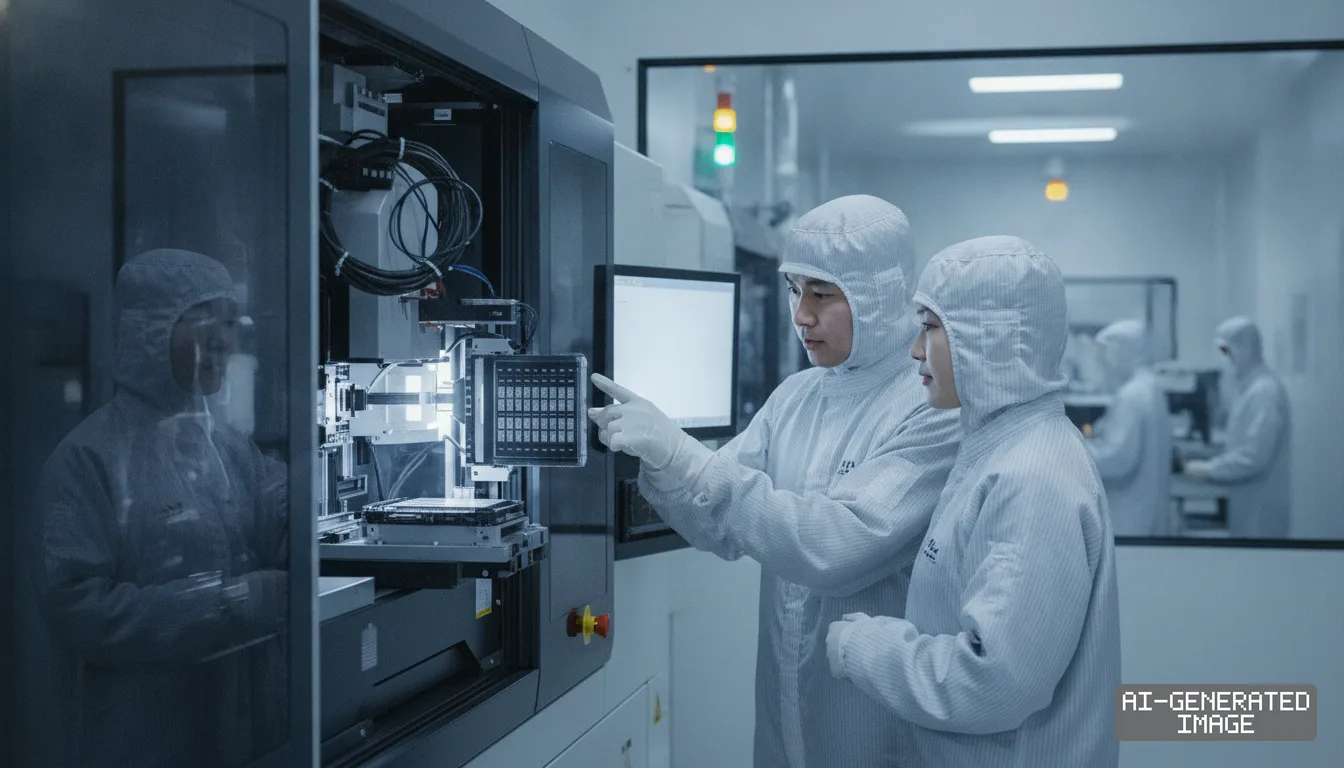
OpenAI endorsement propels China AI chip curbs into US NDAA
House leaders bundled four hardware export control bills into defense policy legislation to close overseas computing cluster loopholes.
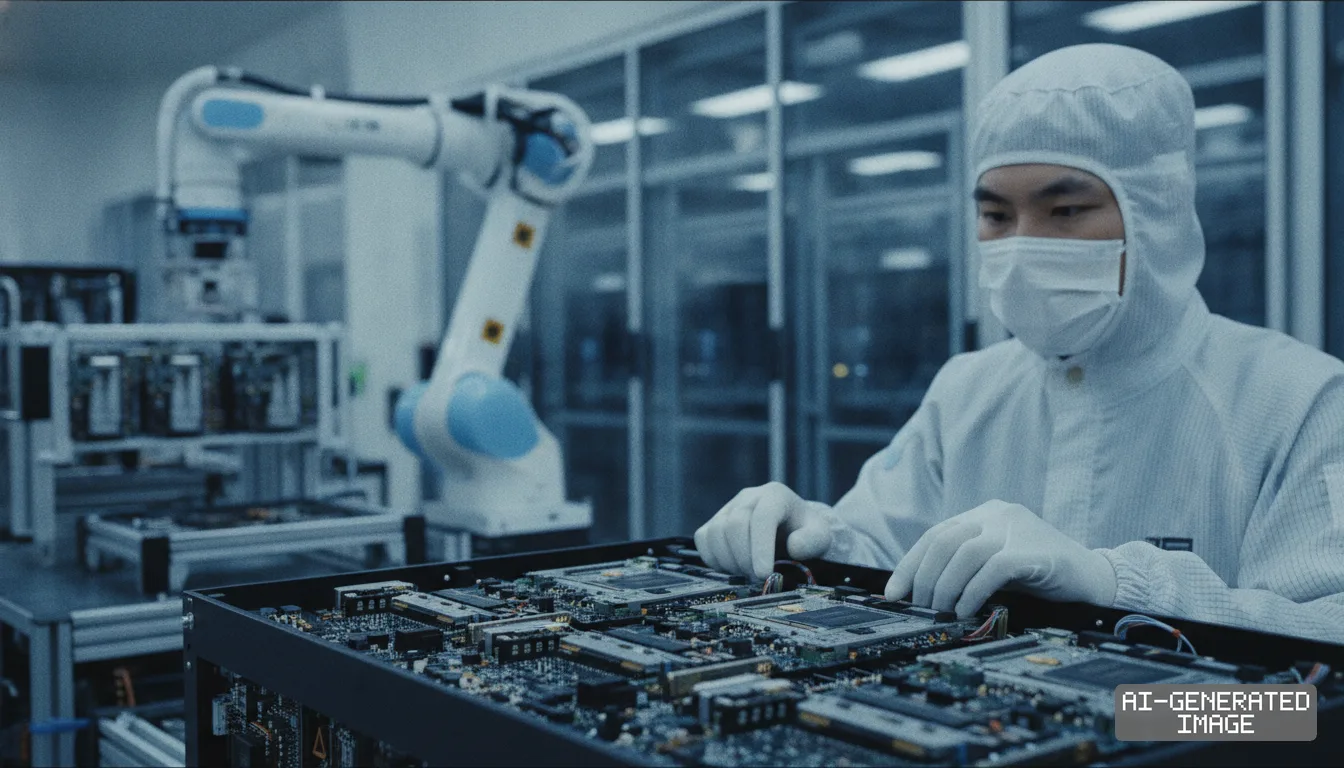
House committee leaders urged swift passage Nov. 13, 2026, of four export control bills after OpenAI privately backed congressional measures restricting advanced artificial intelligence hardware shipments to China.
The legislative push bundles the measures into the National Defense Authorization Act for fiscal 2027. Lawmakers aim to close compliance loopholes that permit Chinese developers to access foreign computing clusters.
The four measures target hardware diversion across overseas data centers. Congressional committees have not published the total dollar value of computing hardware covered by the proposed licensing rules.
OpenAI communicated its support for statutory restrictions to congressional offices this week. The position aligns with the company's Nov. 5 policy blueprint, which explicitly endorsed stronger export controls on semiconductors and manufacturing tools.
The endorsement marks a clean break between frontier software laboratories and American fabless chip designers. Merchant chip vendors have spent years lobbying against unilateral hardware restrictions that curb overseas shipments.
Nvidia faces direct exposure under the proposed legislative package. Former chief executive Jensen Huang resigned Nov. 12, 2026, as federal scrutiny intensified over accelerator distribution channels.
House Foreign Affairs Committee Chairman Brian Mast sent letters Nov. 13 requesting appearances from former Nvidia leadership. Select Committee on China Chairman John Moolenaar joined the demand for immediate congressional briefings.
The legislative package comprises the AI OVERWATCH Act, the Chip Security Act, the MATCH Act and the Remote Access Security Act. Each statute targets a different segment of the international supply chain.
The AI OVERWATCH Act expands congressional oversight of Commerce Department export licensing decisions. Lawmakers would gain authority to review and block individual export waivers before shipments leave domestic ports.
The Chip Security Act mandates hardware-level location tracking for advanced semiconductors. Chipmakers must verify where accelerator silicon operates throughout its commercial deployment lifecycle.
The MATCH Act directs the executive branch to pressure partner economies to adopt identical export restrictions on semiconductor manufacturing equipment. The measure primarily affects toolmakers in Japan and the Netherlands.
Japanese equipment manufacturers face heightened exposure under the MATCH framework. Companies supplying lithography, etch and deposition systems would face coordinated multilateral export reviews alongside American tool vendors.
The Remote Access Security Act targets cloud infrastructure. The statute prohibits foreign entities subject to export controls from renting computing capacity in offshore data centers.
The cloud restrictions introduce verification duties for global data center operators. Service providers must implement customer identity protocols to prevent restricted foreign entities from using remote server clusters.
Tighter tracking requirements place direct administrative demands on Asian contract foundries. Manufacturers must verify customer ownership and design provenance before committing production runs to advanced nodes.
South Korean memory producers face parallel oversight under the proposed tracking rules. High-bandwidth memory modules integrated into advanced accelerator boards must show verified customer identities before export clearance.
Advanced packaging lines bear the most immediate operational burden. Stacking processor silicon with memory dies creates assembled products that require chain-of-custody verification at every international border crossing.
OpenAI framed its policy position around large domestic computing campuses. The company pledged in its Nov. 5 filing to fund power upgrades while supporting federal trade controls that safeguard domestic clusters.
The split between software developers and fabless chip houses alters congressional lobbying dynamics. Frontier AI labs now endorse regulatory hurdles that semiconductor designers have spent two years opposing.
The committee notice does not disclose the volume of hardware diverted through third-party data centers. OpenAI has not released a separate corporate filing detailing its confidential legislative communications.
Congress faces a Dec. 31 deadline to finalize the fiscal 2027 defense authorization bill with the chip measures attached. House and Senate negotiators convene next week to harmonize competing committee drafts.
Impact map
How this development propagates across the region and out to global buyers.
| Event | Korea | China | Japan | Global impact |
|---|---|---|---|---|
| Congressional AI export control push | memory suppliers face documentation rules on HBM modules for accelerators | developers lose cloud-access routes and diverted advanced computing silicon | toolmakers face coordinated multilateral restrictions under MATCH legislation | fabless chipmakers split with frontier software labs on trade lobbying |
In this story
- Companies
- OpenAINVIDIA
- Tickers
- NVDA
- Policy
- Export Controls
- Impact
- ComplianceSupply ChainOrder Book
Track every Export Controls development →
Related briefings
- OpenAI abandons China chip curbs as Nvidia protects exports Also on OpenAI, Nvidia, Export Controls
- OpenAI denies Samsung foundry deal for custom AI processors Also on OpenAI, Nvidia, Order Book
- SK hynix and OpenAI hold direct HBM talks for custom silicon Also on OpenAI, Order Book
- US push to blacklist CXMT heightens export risks for Korean memory Also on Nvidia, Export Controls, Compliance
Sources
Primary documents
Reporting
Confidence: high — how we grade this
The documents behind this briefing are linked above. East Asia Brief produces its English text with AI assistance under human editorial review, and does not translate or republish other outlets' articles. See our methodology and AI policy. Spotted an error? Tell us.
The Morning Brief
What changed in Korean, Chinese and Japanese industry overnight — and what it means for your supply chain. One email, weekday mornings, US time. Free.
The Morning Brief is in preparation. Leave your address and we will write to you once — when the first issue is ready. Nothing before that.