Korea, China Agree to Fast-Track Supply Chain Talks at Saemangeum
Trade officials meeting in Saemangeum on Oct. 12 agreed to set up quicker channels for supply chain dialogue, with no document yet confirming scope or targets.
South Korea and China agreed on Oct. 12, 2026 to fast-track working-level talks on supply chains and to broaden industrial cooperation, following a meeting held at the Saemangeum development zone in South Korea's Jeollabuk-do province. The agreement sets up a channel for the two governments to discuss supply chain issues on a more frequent basis than existing dialogue formats.
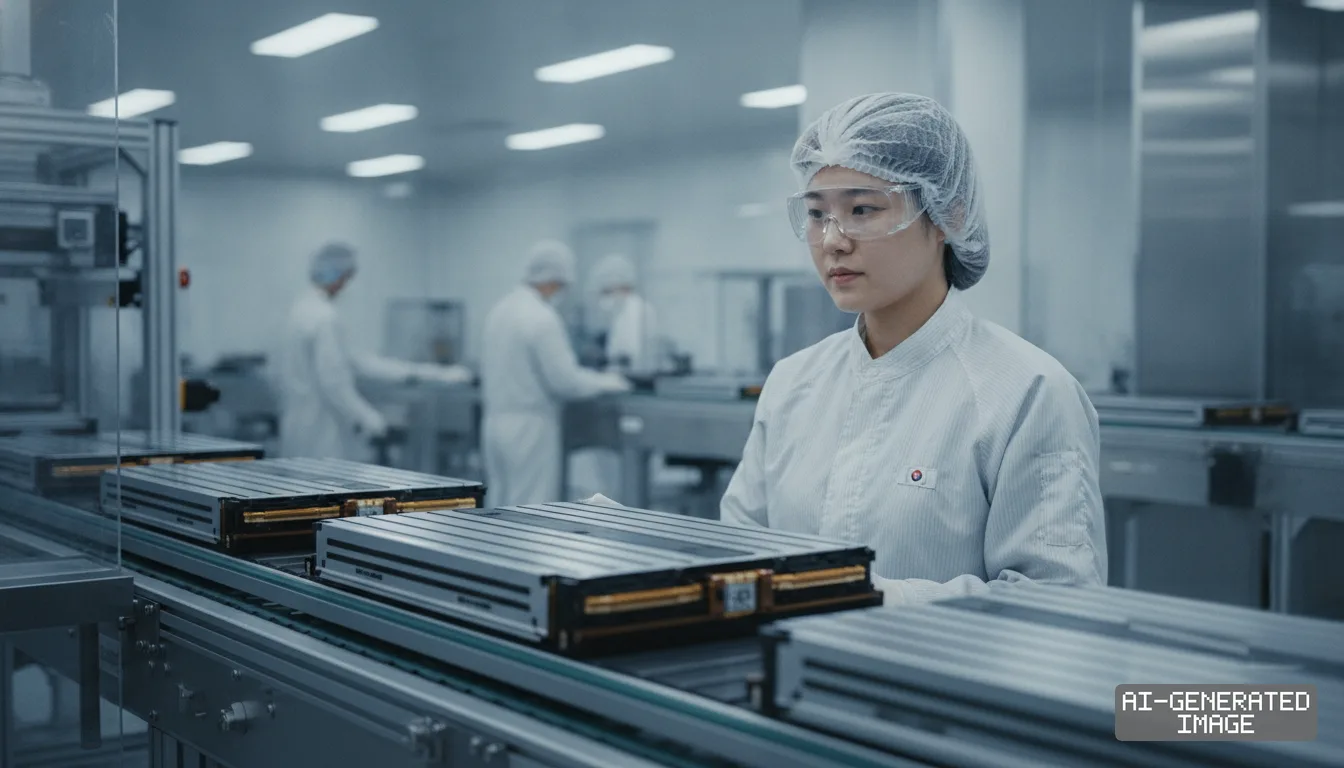
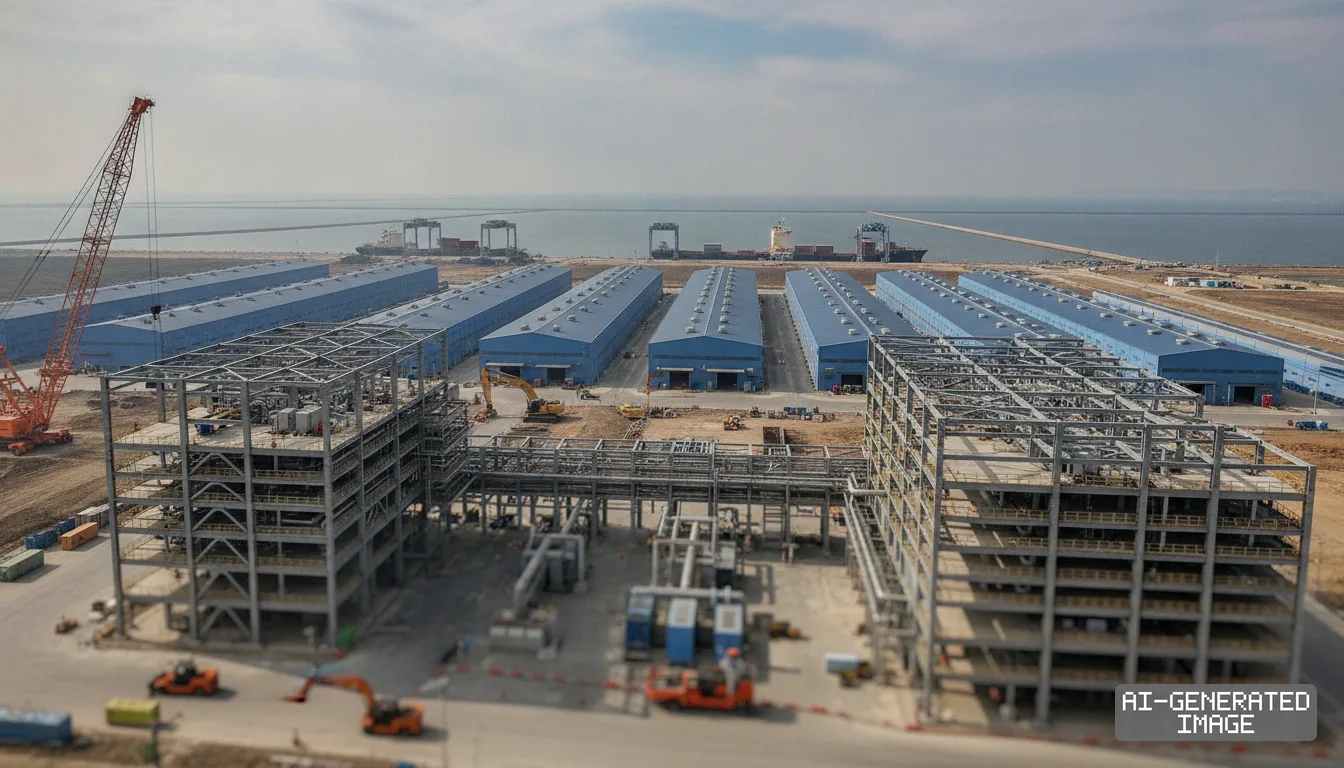
Saemangeum is a large reclaimed-land development zone on South Korea's west coast that the South Korean government has promoted as a hub for manufacturing and foreign investment, including battery and materials projects. It has hosted joint economic events with foreign governments before, making it a recurring venue for this kind of bilateral meeting.
South Korea and China are each other's largest or second-largest trading partners depending on the measure used, with two-way trade running into the hundreds of billions of dollars a year. A large share of that trade runs through intermediate goods — components and materials that cross the border before becoming a finished product — which is precisely the category a supply chain working group is designed to address.
The core instrument to watch is the supply chain working group itself: a standing or recurring channel that trade officials in both countries can use outside of annual ministerial summits. For a trade-policy reader, a working-level mechanism like this is more concrete than a joint statement, because it creates a forum where specific product categories, export licensing frictions or customs issues can be raised between full ministerial meetings.
A trade researcher at a Seoul-based economic institute said working-level channels of this kind tend to matter less for their initial announcement than for whether they survive contact with a dispute. The researcher said similar bilateral working groups in the past have sometimes gone dormant after an initial meeting once political tensions resurfaced, which is why confirmation of a second or recurring session is the more meaningful signal for companies to track.
Neither government has yet published a joint statement, a ministry notice or a readout naming the officials present, the agencies involved, or the sectors the talks will cover. Without that document, it is not possible to say whether the mechanism touches semiconductors, batteries, rare earths or another category, or how often the two sides plan to meet.
That gap matters because the three sectors most often cited in prior Korea-China supply chain friction — semiconductor materials, battery precursors and rare earth processing — each carry different exposure. South Korean battery makers have previously flagged reliance on Chinese supply for processed lithium and graphite, while Chinese electronics makers have flagged reliance on Korean memory chips and display components. A working group that does not name its sector scope leaves open which of these dependencies, if any, is actually on the table.
It is also not yet confirmed whether the agreement includes any change to existing export licensing, tariff treatment or customs procedures between the two countries. Those are the levers that would matter most to companies with cross-border supply chains, and none of them has been detailed in material available so far.
A supply chain manager at a mid-sized materials importer, surnamed Jang, 41, said firms in his position need more than a diplomatic headline to adjust sourcing plans. Jang said his company would wait for a published notice specifying tariff lines or licensing categories before changing any supplier contracts tied to Chinese imports.
Industrial cooperation tied to the Saemangeum zone has in the past centered on manufacturing investment commitments from foreign companies, rather than trade policy instruments. Whether this round of talks produces a similar investment component, or is limited to a government-to-government dialogue channel, has not been specified in available material.
Previous foreign investment pledges linked to Saemangeum have included commitments from battery and materials companies measured in the hundreds of billions of won, tied to land allocation and tax incentives offered by the Jeollabuk-do provincial government. If this round of talks follows that pattern, a concrete investment figure would likely appear in a follow-up announcement rather than in the initial meeting readout.
For companies in Korea or China with supply chains touching either country, the near-term step to track is whether the two governments publish a joint communique, a memorandum of understanding or a ministry notice naming the agencies responsible for running the working group. That document, once released, would also typically specify a first meeting date or reporting timeline.
Procurement teams on both sides are likely to treat the absence of a published communique as the operative fact for now, rather than the meeting itself. Until a ministry-level document names the sectors, agencies and schedule involved, there is no tariff line, licensing category or customs rule that has actually changed as a result of the Oct. 12 meeting.
This report is based on a single confirmed fact: that the Oct. 12, 2026 meeting in Saemangeum produced an agreement between South Korea and China to fast-track supply chain talks and expand industrial cooperation. No government notice, ministry press release or company statement describing the scope, sectors, officials or any figures tied to the agreement was available to verify at the time of writing, and no numeric or company-level detail can be reported until such a document is published.
In this story
- Policy
- Supply Chain Cooperation
- Impact
- Supply Chain
Related briefings
Sources
Reporting
- 'Silk Road spirit' meets supply chains at Korea-Central Asia summit - AOL
- Korea and China Reactivate 'Supply Chain Hotline'... Joint Efforts to Manage Rare Earth and Semiconductor Risks - The Asia Business Daily
- South Korea Meets Central Asia: What is at Stake at Seoul Summit - The Astana Times
- S. Korea, China, Japan stress stronger supply chain, energy security ties at ASEAN+3 talks - The Korea Times
- South Korea places critical minerals and energy at the forefront of the inaugural Central Asia Summit
Confidence: medium — how we grade this
The documents behind this briefing are linked above. East Asia Brief produces its English text with AI assistance under human editorial review, and does not translate or republish other outlets' articles. See our methodology and AI policy. Spotted an error? Tell us.
The Morning Brief
What changed in Korean, Chinese and Japanese industry overnight — and what it means for your supply chain. One email, weekday mornings, US time. Free.
The Morning Brief is in preparation. Leave your address and we will write to you once — when the first issue is ready. Nothing before that.