Japan ties ¥2.56T chip aid to strict supplier audit rules
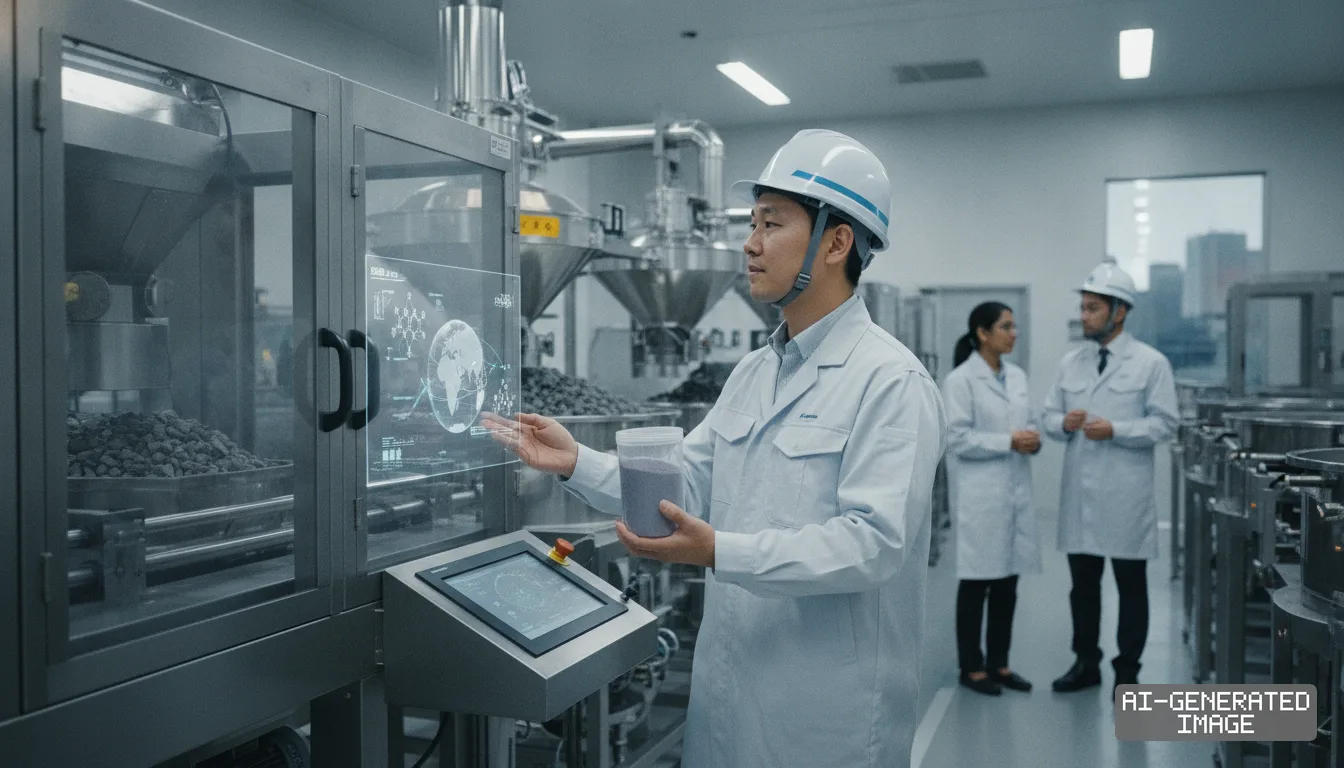
METI assesses supply-chain exposure across 16 sectors under the Economic Security Promotion Act, covering 168 certified state-funded projects.
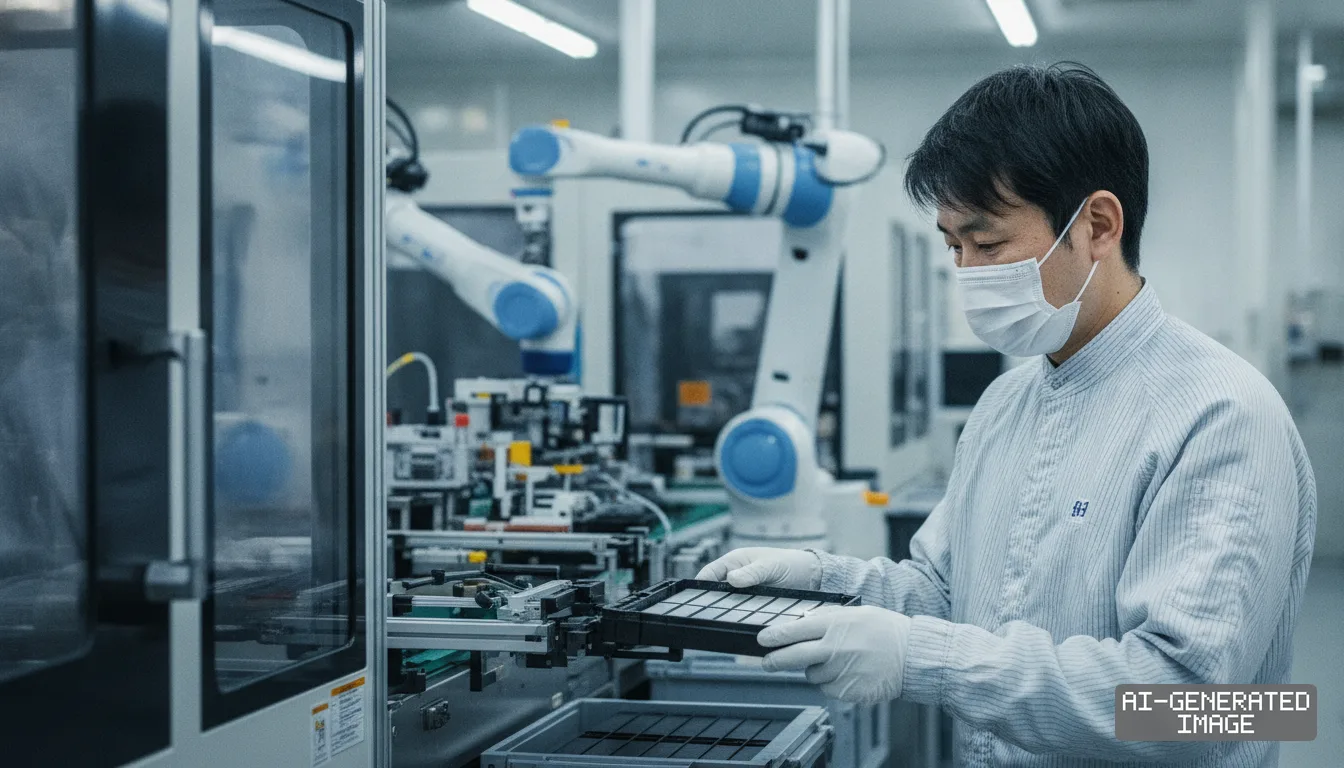
Japan's Ministry of Economy, Trade and Industry reviewed critical-material procurement rules on Nov. 25, 2026, assessing supply-chain exposure across semiconductors and 15 other designated strategic sectors.
The assessment follows persistent government scrutiny over corporate reliance on single-country suppliers for advanced components. Under the Economic Security Promotion Act, Tokyo designated semiconductors, battery cells and critical minerals as vital to industrial survival.
The disclosure rules attach to 2.5643 trillion yen ($16.8 billion) in state funding allocated under the statutory framework. The capital finances 168 certified supply-assurance projects across Japan as of late October 2026.
Article 48 of the statute authorizes the ministry to inspect commercial supply chains. For ordinary private enterprises without state financial aid, answering procurement questionnaires remains a voluntary best-efforts obligation under Paragraph 3 of the provision.
Mandatory reporting applies to companies accepting state subsidies through certified supply-assurance plans. Beneficiary manufacturers must submit supplier rosters, material source countries and emergency inventory plans to keep their grants from the New Energy and Industrial Technology Development Organization.
Rohm and Toshiba Electronic Devices & Storage operate under a joint certified plan. The program carries 129.4 billion yen ($845 million) in subsidies, funding 33% of their planned 388.3 billion yen silicon carbide power chip investment in Miyazaki and Ishikawa.
Packaging substrate maker IBIDEN must provide regular procurement filings for its Ono facility in Gifu. The manufacturer secured 40.5 billion yen in subsidies, representing 15% of its total investment budget for high-density flip-chip substrates.
Shinko Electric Industries accepted 17.8 billion yen in government grants for its factory in Chikuma, Nagano. The facility supplies package substrates, and the grant requires Shinko to maintain verified supply contracts with domestic chipmakers.
Renesas Electronics holds certified status for microcontroller manufacturing lines in Ibaraki and Yamanashi. The company received 15.9 billion yen in public funding, pledging ten years of continuous production for automotive and industrial microcontrollers.
Sony Semiconductor Manufacturing secured project certification on April 17, 2026 for image sensor production in Koshi, Kumamoto. The project carries 60 billion yen in maximum subsidies against capital expenditure of roughly 180 billion yen, obligating detailed supply reporting.
Taiwan Semiconductor Manufacturing Co. faces supply audits at its Japan Advanced Semiconductor Manufacturing unit in Kumamoto. The fab project received up to 1.2 trillion yen in state assistance across two operational and planned wafer lines.
Domestic venture Rapidus also operates under stringent supply verification requirements for its pilot fab in Chitose, Hokkaido. The company drew 920 billion yen in government commitments, tying advanced two-nanometer tool procurement directly to state monitoring.
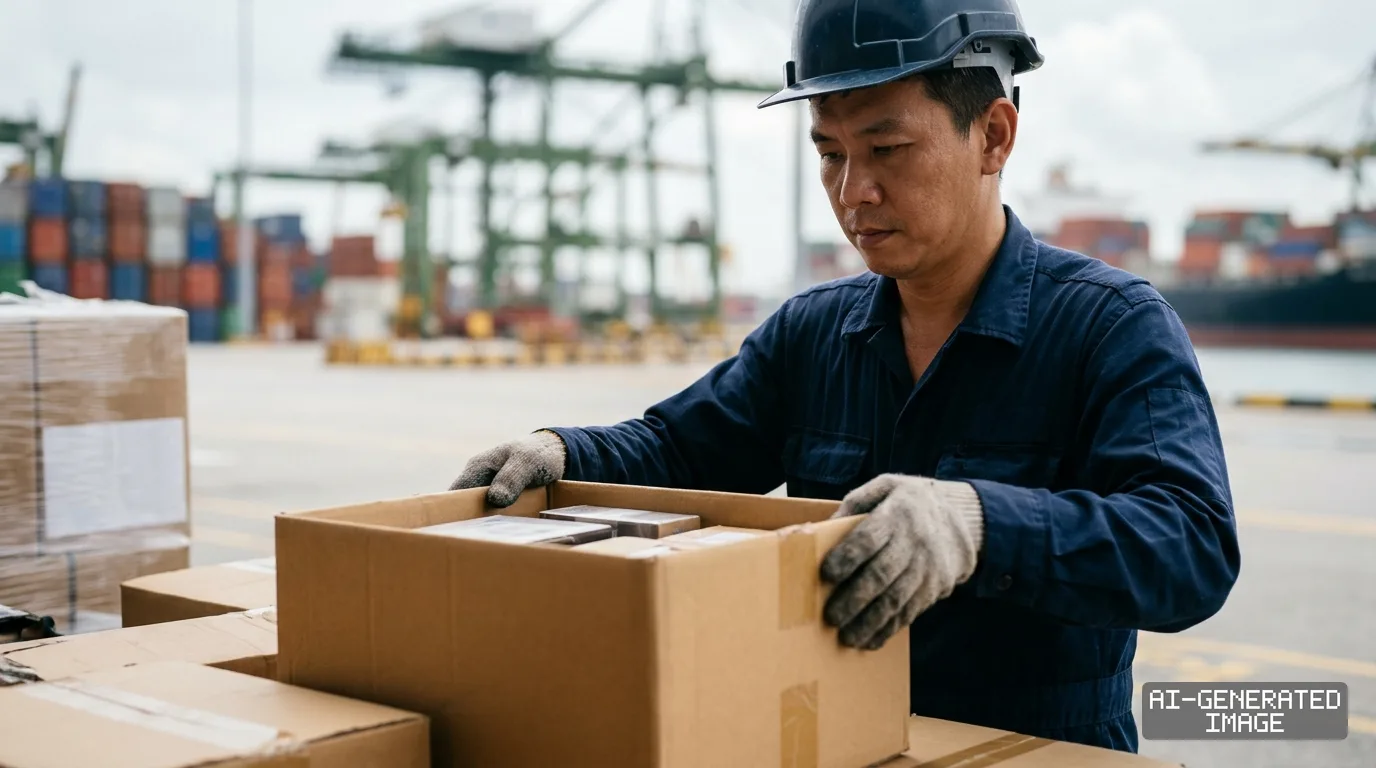
The compliance process extends upstream requirements to overseas component suppliers across South Korea and Taiwan. Subsidized manufacturers must verify the origin of silicon wafers, chemical precursors and lead frames before filing documentation with government auditors, industry filings show.
South Korean materials suppliers shipping into subsidized Japanese fabs now face expanded end-use verifications. Japanese buyers require dual-sourcing documentation to guard against sudden export quotas or logistics chokepoints in third countries, suppliers in Seoul said.
Taiwanese wafer and packaging partners also face increased scrutiny over raw mineral content. Japanese procurement offices demand written assurances certifying that quartz, rare gases and polishing slurries do not originate from single high-risk jurisdictions.
Auditing tier-two and tier-three suppliers adds administrative overhead to cross-border purchase contracts. Manufacturers that identify heavy single-country sourcing must finance alternative supplier qualification or maintain larger warehouse buffers, lifting overall procurement overhead on mature nodes.
The ministry issued its Economic Security Management Guidelines to press commercial boards into voluntary oversight. The guidance urges corporate directors to map cross-border dependencies and prevent technology leaks, but the document lacks formal statutory enforcement penalties.
The ministry has not published draft statutory text or an administrative decree establishing mandatory supply-chain disclosure for unsubsidized private commercial chip buyers. Requirements remain tied to state subsidy contracts rather than universal legal mandates.
Failure to meet reporting terms carries financial penalties under ministry subsidy guidelines. Recipients that conceal supplier changes or fail to report critical bottlenecks risk the suspension or clawback of remaining grant tranches, the rules state.
The Ministry of Economy, Trade and Industry plans to open its fifth certified plan application round on March 26, 2027. Subsidized chipmakers must submit their annual supply-chain vulnerability assessments before the current fiscal year ends on March 31.
Japan's Cabinet Office maintains 16 categories under the specified critical materials register, having added extracorporeal membrane oxygenation devices on Oct. 28, 2026. Semiconductors and semiconductor manufacturing equipment retain the largest subsidy balance within the emergency program.
Impact map
How this development propagates across the region and out to global buyers.
| Event | Korea | China | Japan | Global impact |
|---|---|---|---|---|
| Japan chip supply compliance | Materials exporters to Japan must verify mineral origins and dual-sourcing readiness | Upstream Chinese chemical and mineral processors face qualification barriers from Japanese fabs | Subsidized manufacturers absorb compliance costs across 2.56 trillion yen in projects | Chip buyers face 2-4% cost increases as Japanese fabs build domestic buffer inventories |
In this story
- Companies
- RohmToshibaIBIDENRenesas ElectronicsRapidus
- Tickers
- 6963.T6502.T4062.T6723.T2330.TW
- Exposed
- Sony GroupShinko Electric Industries
- Policy
- SubsidiesStandards
- Impact
- Supply ChainComplianceCost Structure
Track every Subsidies development → Track every Standards development →
Related briefings
- East Asia accelerates 8-inch silicon carbide capacity race as power chip makers scale output Also on Rohm, Subsidies, Cost Structure
- Japan seeks $2.6B for Rapidus after pledging $21B to US fabs Also on Renesas Electronics, Sony Group, Rapidus
- South Korean substrate makers develop embedded silicon bridges for AI chips Also on Shinko Electric Industries, Ibiden, Subsidies
- Ibiden and Shinko ramp high-layer FC-BGA lines as AI server package sizes expand Also on Shinko Electric Industries, Ibiden, Subsidies
Sources
Primary documents
Confidence: high — how we grade this
The documents behind this briefing are linked above. East Asia Brief produces its English text with AI assistance under human editorial review, and does not translate or republish other outlets' articles. See our methodology and AI policy. Spotted an error? Tell us.
The Morning Brief
What changed in Korean, Chinese and Japanese industry overnight — and what it means for your supply chain. One email, weekday mornings, US time. Free.
The Morning Brief is in preparation. Leave your address and we will write to you once — when the first issue is ready. Nothing before that.