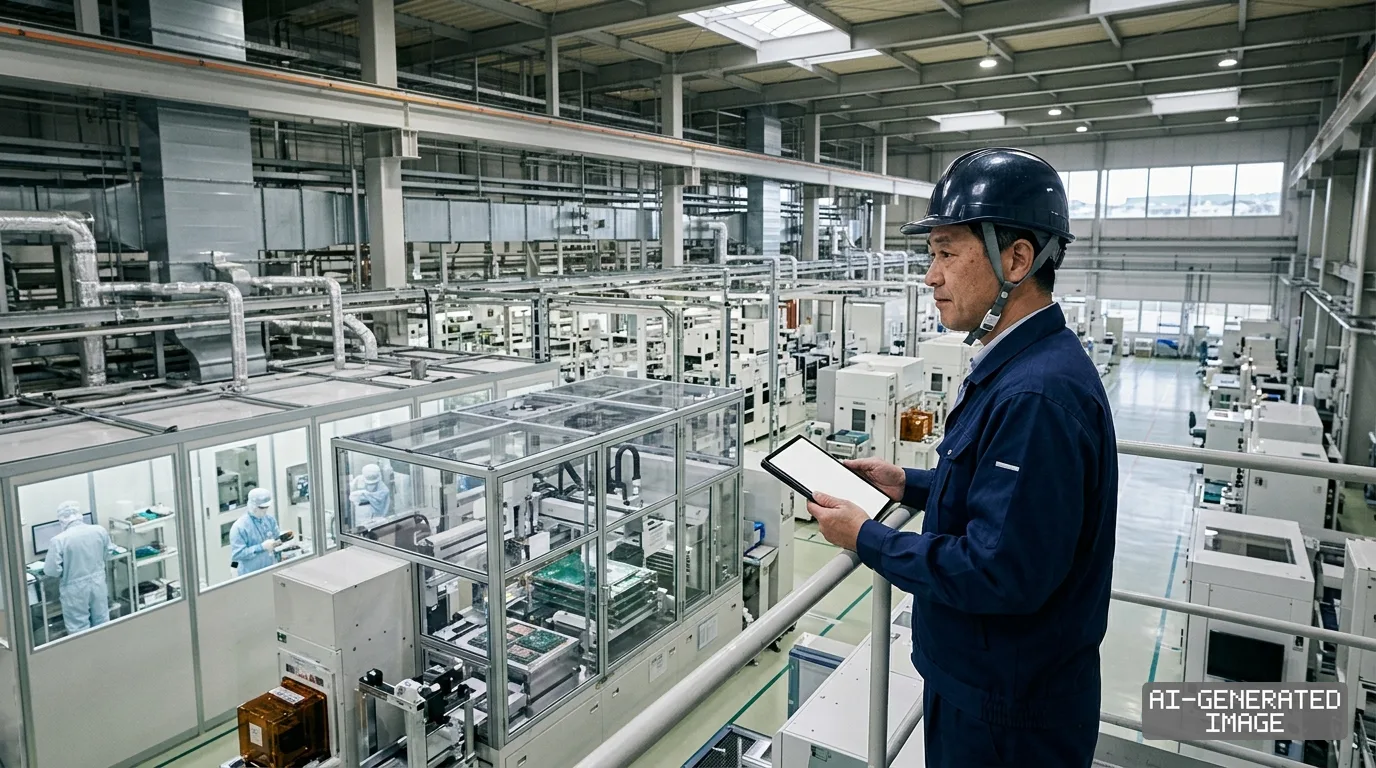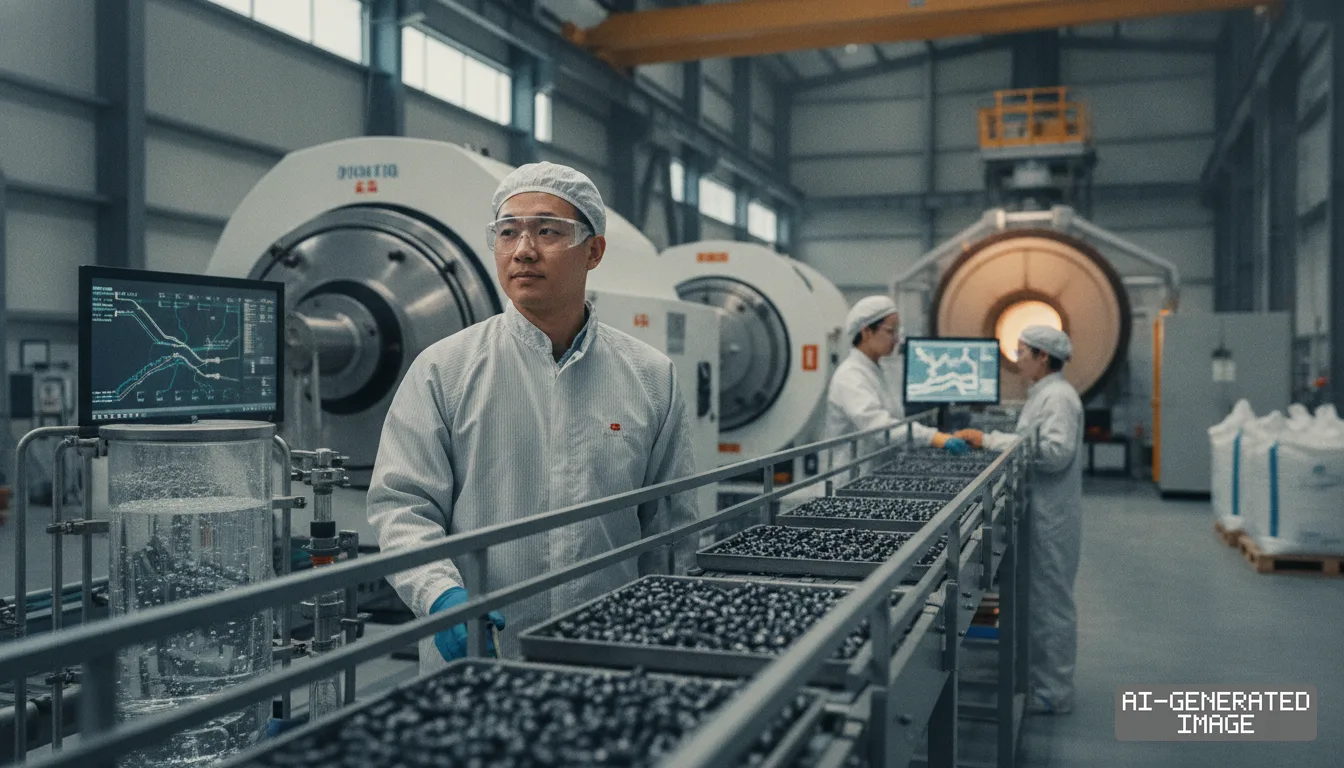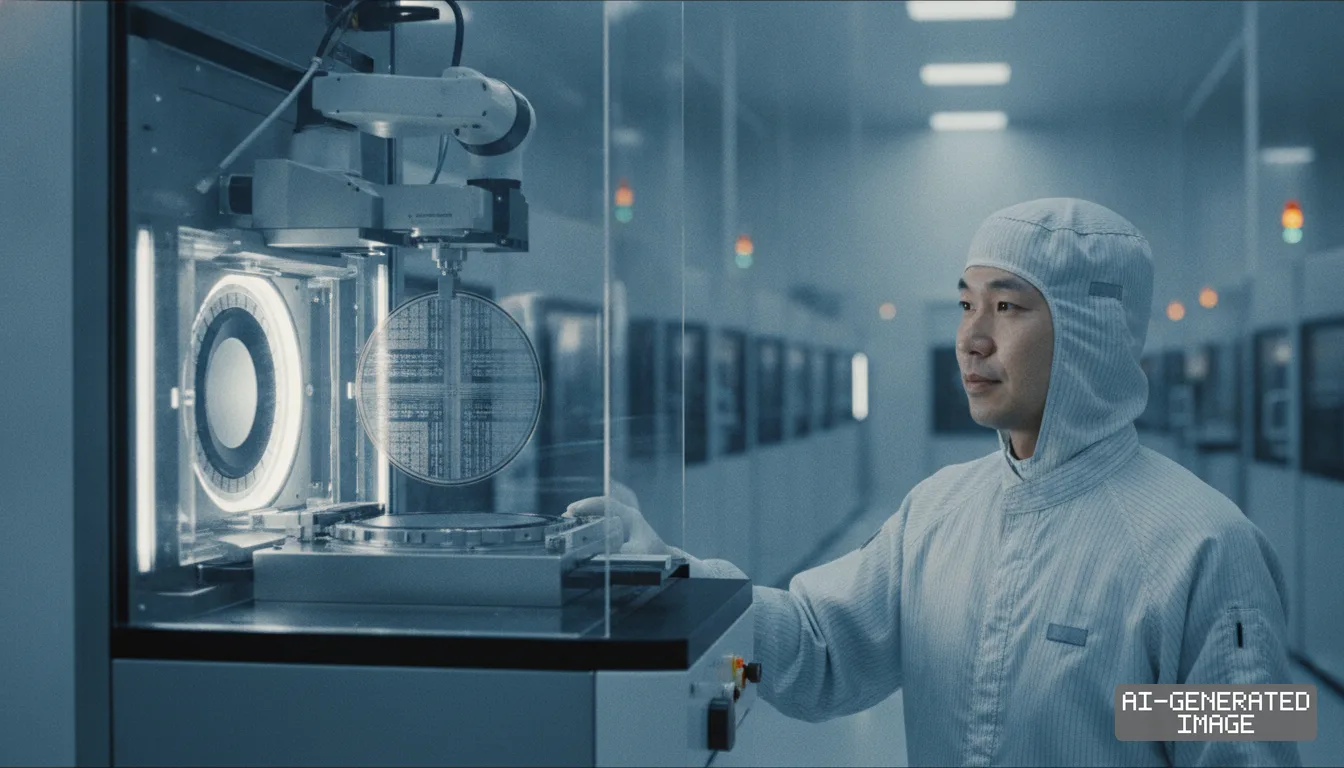
India pushes rare earth magnet output to counter China curbs
A 72.8 billion rupee incentive package draws 20 corporate bids to build 6,000 tons of annual capacity as New Delhi moves to shield electric vehicle motor chains from Beijing's controls.
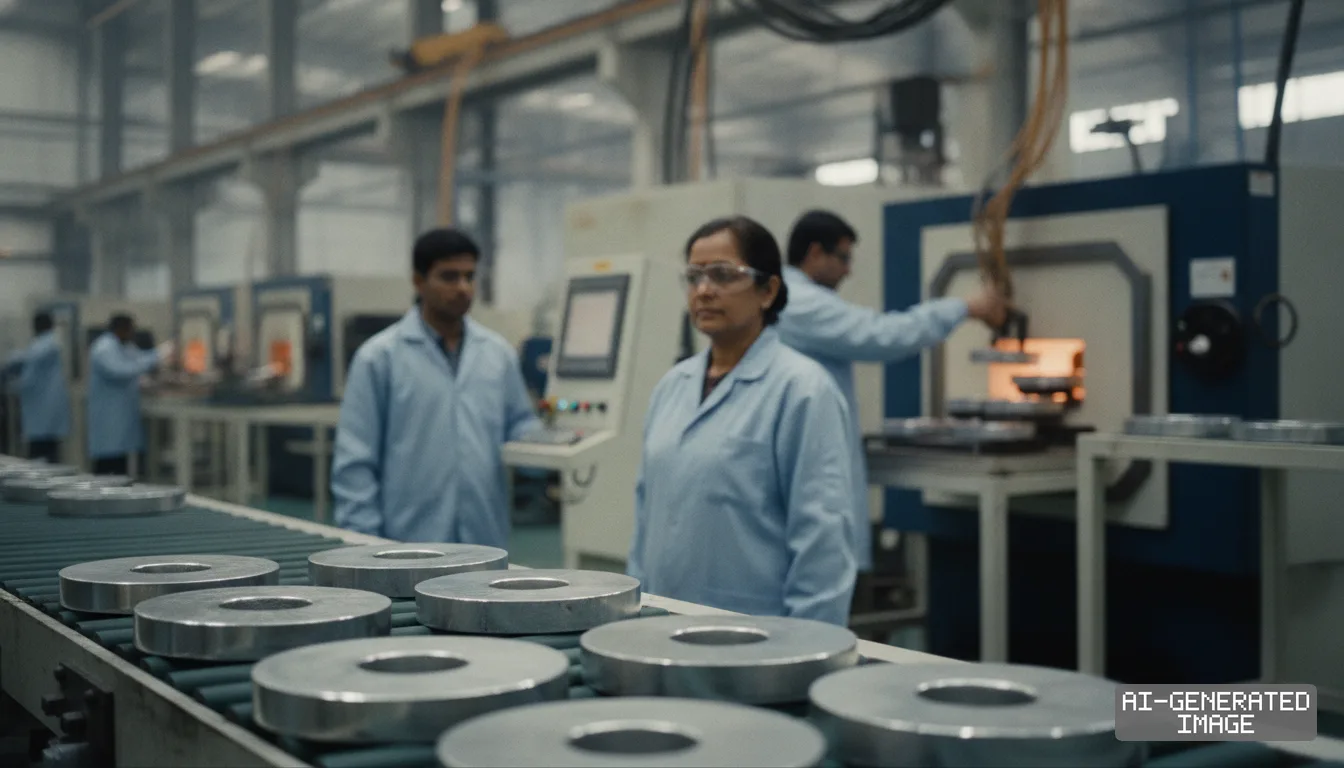
India is accelerating its drive to build domestic sintered rare earth permanent magnet manufacturing lines to counter Chinese supply monopolies and export restrictions, Principal Secretary Shaktikanta Das said Oct. 5.
China controls between 80% and 90% of global rare earth magnet processing, Das said at the Kautilya Economic Conclave 2026 in New Delhi. That concentration leaves critical automotive and renewable supply chains vulnerable to geopolitical friction, he said.
The government initiative commits 72.8 billion rupees ($870 million) to establish 6,000 metric tons per year of domestic integrated magnet capacity. That volume covers roughly 73% of India's projected domestic requirement of 8,220 tons by 2030.
The program operates under the Scheme to Promote Manufacturing of Sintered Rare Earth Permanent Magnet, which Prime Minister Narendra Modi's cabinet approved on Nov. 26, 2025. The Ministry of Heavy Industries formally notified the guidelines on Dec. 15, 2025.
Funding includes a capital subsidy pool of 7.5 billion rupees ($90 million) to help build physical facilities. The state also set aside 64.5 billion rupees ($770 million) in sales-linked incentives disbursed across five operating years.
Support covers the entire industrial chain, spanning rare earth oxides, metal reduction, alloy preparation and finished sintered neodymium-iron-boron (NdFeB) magnets. NdFeB magnets provide high magnetic torque at compact volumes for electric mobility and wind generation.
India currently imports all of its sintered NdFeB magnets, despite holding large upstream mineral resources. The Geological Survey of India has documented 767 million tons of cumulative rare earth element ore resources across the country.
Domestic ores feature low average grades between 0.056% and 0.058% total rare earth oxide equivalent. The monazite beach sand deposits also contain radioactive thorium, which increases extraction complexity and environmental handling costs.
State-run mining enterprise IREL (India) Limited processes beach sand minerals in Odisha, Tamil Nadu and Kerala to produce refined rare earth oxides. However, domestic manufacturing capacity historically ended at oxide separation, leaving a midstream processing gap.
The Ministry of Heavy Industries issued a global request for proposals on March 20, 2026, to select private and state manufacturers. After extending deadlines to accommodate industrial consortia, the ministry closed the bidding portal on Aug. 12, 2026.
Twenty companies and consortiums submitted formal proposals, the ministry announced Aug. 13. Bidders include engineering group Larsen & Toubro, state miner Coal India and battery recycler Lohum Magnets & Energy Solutions.
Foreign and specialized materials producers also entered the tender, including Singapore-based NEO Performance Materials and Proterial India. The ministry intends to divide the 6,000-ton capacity among five selected beneficiaries, capping individual awards at 1,200 metric tons per year.
A joint assessment by IREL, the Defence Metallurgical Research Laboratory and the Bhabha Atomic Research Centre projects Indian magnet demand will expand rapidly. Electric vehicle traction motors alone will require 3,250 tons per year by 2030, representing nearly 40% of national consumption.
Wind turbine generators will consume an estimated 1,800 tons annually by 2030, representing roughly 22% of total demand. Industrial motors, consumer electronics and brushless direct-current ceiling fans account for the remaining 3,170 tons per year.
For automotive and motor manufacturers operating in India, the midstream project addresses acute procurement vulnerabilities. Automakers currently depend entirely on Chinese imports for sintered NdFeB blocks used in drivetrains and power steering actuators.
China imposed tightened export licensing on critical minerals and processing equipment throughout 2024 and 2025. Those restrictions raised lead times and created customs bottlenecks for international tier-one automotive suppliers sourcing magnets in Asia.
Establishing domestic alloy melting and sintering facilities requires multi-million dollar investments in vacuum induction furnaces and jet mills. Beneficiaries must also master anti-corrosion grain-boundary diffusion techniques to protect dysprosium-lean magnets from operating heat degradation.
The ministry tender incorporates a two-envelope Least Cost System to award capacity based on technical qualifications and financial bids. Selected producers will receive two years to build processing infrastructure before sales-linked incentive payments begin.
The ministry has not published the financial evaluation schedule or finalized pricing formulas for state-run IREL's assured NdPr oxide feedstock deliveries. The Prime Minister's Office also issued no new policy decree on Oct. 5, confirming Das's remarks refer to the existing program.
Technical bid evaluation began Aug. 13, and the Ministry of Heavy Industries is scheduled to issue formal beneficiary awards before the end of the fourth quarter.
Impact map
How this development propagates across the region and out to global buyers.
| Event | Korea | China | Japan | Global impact |
|---|---|---|---|---|
| India sintered magnet incentive scheme | motor exporters gain alternative non-China NdFeB magnet procurement channel by 2028 | domestic magnet refiners face long-term loss of India's 8,220-ton annual import market | Proterial India consortium bids to expand processing footprint outside Chinese export controls | automotive OEMs secure non-Chinese sintered NdFeB capacity to derisk EV motor supply chains |
In this story
- Companies
- Coal IndiaLarsen & ToubroLohum Magnets & Energy Solutions
- Tickers
- COALINDIA.NSLT.NS
- Exposed
- IREL (India) LimitedNEO Performance MaterialsProterial
- Policy
- SubsidiesExport Controls
- Impact
- Supply ChainCapexCost Structure
Track every Subsidies development → Track every Export Controls development →
Related briefings
- Japan urges China to expedite rare earth export approvals Also on Proterial, Export Controls, Cost Structure
- Tesla drops rare earths in Cybercab motor to cut China risk Also on Proterial, Export Controls, Cost Structure
- China Sets Consolidated Late-2026 Light Rare Earth Mining Quota to Cap Northern Bastnasite Extraction Also on Proterial, Cost Structure
- Malaysia overtakes China in US drone market as tariffs bite Also on Export Controls, Cost Structure
Sources
Reporting
Confidence: medium — how we grade this
The documents behind this briefing are linked above. East Asia Brief produces its English text with AI assistance under human editorial review, and does not translate or republish other outlets' articles. See our methodology and AI policy. Spotted an error? Tell us.
The Morning Brief
What changed in Korean, Chinese and Japanese industry overnight — and what it means for your supply chain. One email, weekday mornings, US time. Free.
The Morning Brief is in preparation. Leave your address and we will write to you once — when the first issue is ready. Nothing before that.