Hyundai Steel and POSCO build US plant to bypass Section 232
The Korea Iron & Steel Association endorsed bilateral energy projects on Oct. 1 to anchor supply chains for a $5.8 billion Louisiana mill amid rising US trade protectionism.
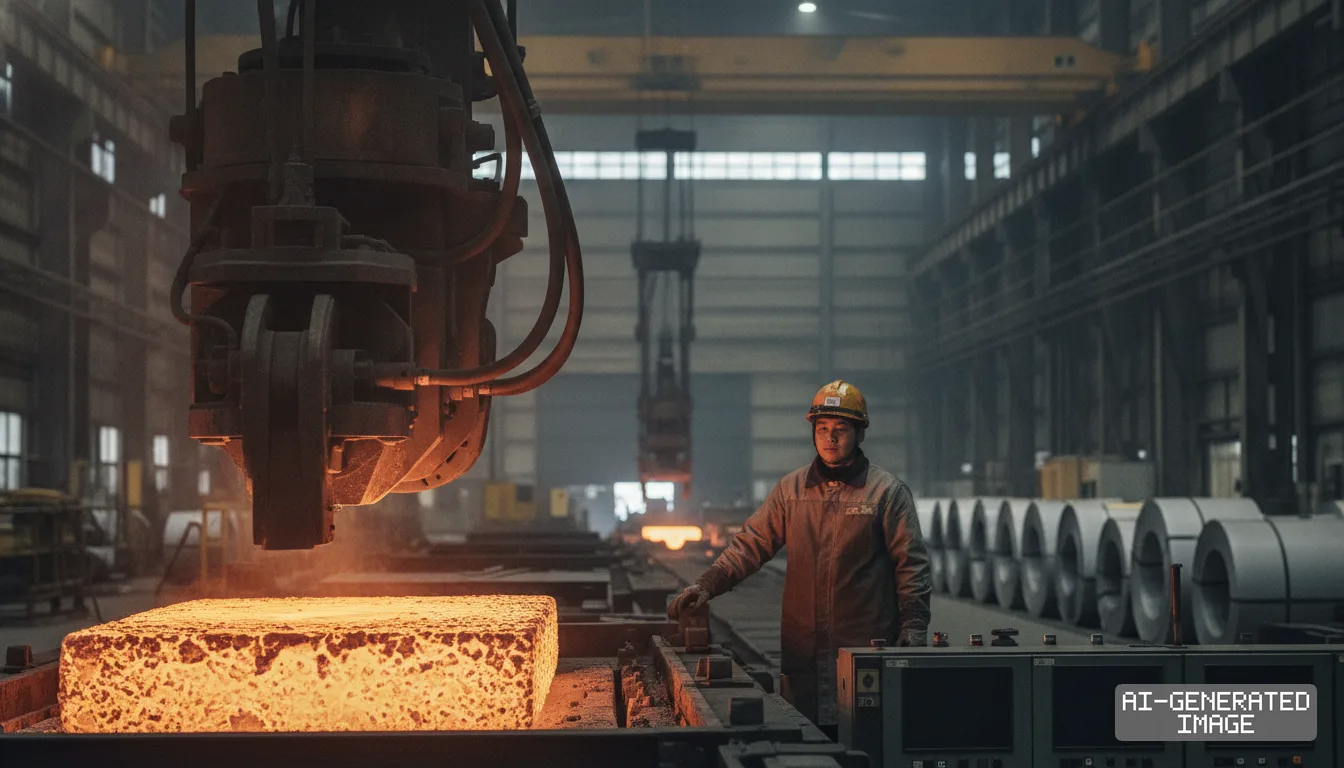
The Korea Iron & Steel Association said Oct. 1 it will tie its $5.8 billion Louisiana joint venture to new bilateral energy initiatives to bypass restrictive American import quotas.
The industry lobby endorsed a government framework approving large industrial installations in Texas, arguing that domestic manufacturing is required to protect South Korean sheet metal from United States trade barriers.
South Korea faces a hard export ceiling of 2.63 million metric tons under Section 232 of the United States Trade Expansion Act, which limits duty-free shipments to 70% of average volumes logged between 2015 and 2017.
The Louisiana facility, operated by HYUNDAI-POSCO Louisiana Steel LLC, requires an investment of $5.8 billion (about 8 trillion won). Half that capital comes from $2.9 billion in equity commitments, while partner firms fund the remaining $2.9 billion through external borrowing.
Planned annual capacity stands at 2.7 million metric tons of crude steel, including 1.8 million metric tons of specialized automotive sheet. That volume equals roughly 103% of South Korea's entire annual export quota to the American market under the Section 232 arrangement.
Hyundai Steel holds a 50% controlling equity stake in the operating venture. That share represents an equity commitment between $1.45 billion and $1.46 billion, according to regulatory filings submitted to the Korea Exchange.
POSCO holds a 20% equity stake valued at $582 million. Hyundai Motor and Kia hold 15% stakes each to secure localized automotive sheet supplies.
The partners held a groundbreaking ceremony Sept. 4 in Donaldsonville, Ascension Parish, Louisiana. State officials and South Korean industrial leaders gathered at the site to mark the start of site preparation.
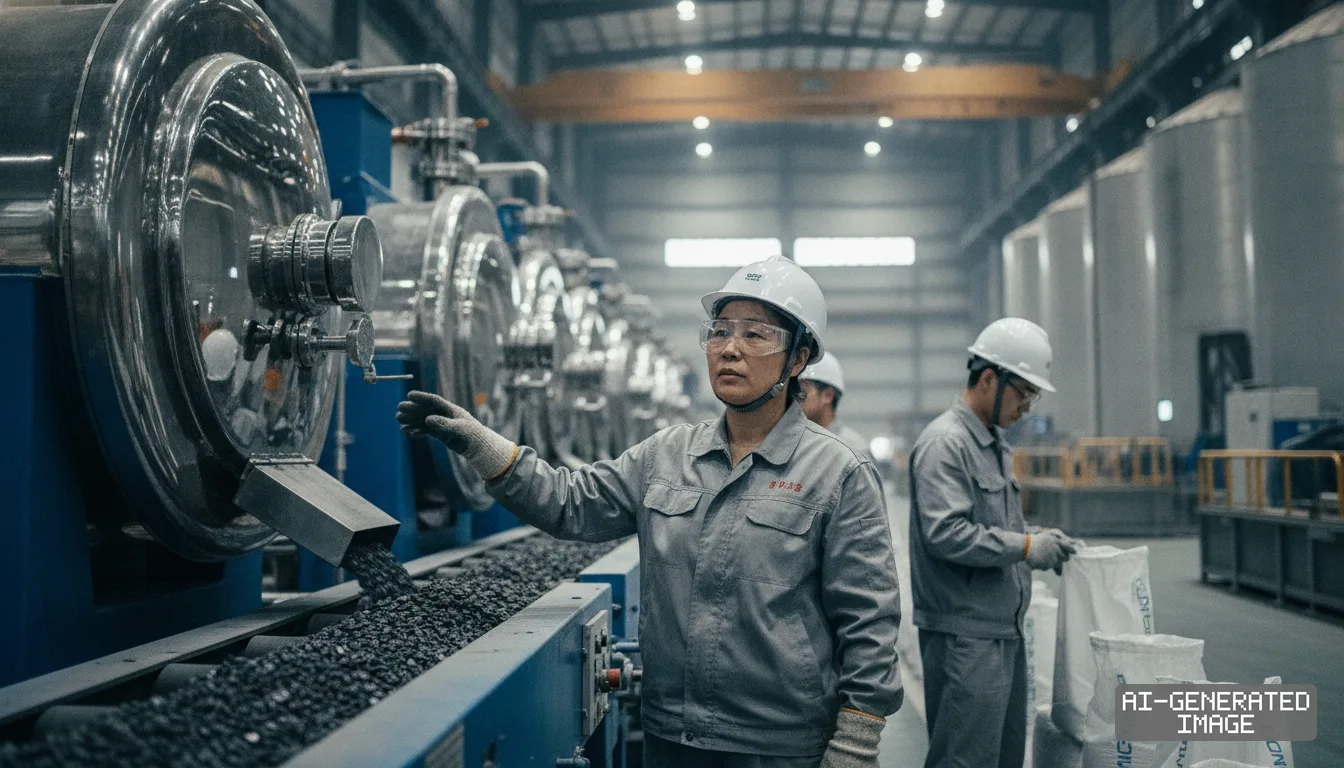
The Donaldsonville plant represents South Korea's first integrated electric arc furnace mill inside the United States. An electric arc furnace — an industrial melting vessel that uses high-current electric arcs to melt scrap metal and direct reduced iron — eliminates reliance on coal-fired blast furnaces.
Previous Korean manufacturing investments across North America centered strictly on secondary processing facilities rather than raw steelmaking. Those downstream centers slitted, stamped or shaped finished coils shipped across the Pacific.
POSCO built a wire rod processing facility in Jeffersonville, Indiana, in September 2017 to supply fasteners to automotive component makers. SeAH Steel acquired an existing welded pipe manufacturing plant in Houston in 2016 to serve regional oil and gas drillers.
Those downstream centers remained fully exposed to federal trade restrictions because their operations relied on imported steel slabs, billets and hot-rolled coils. When Section 232 quotas filled each calendar quarter, processing lines faced material shortages or prohibitive 25% tariffs.
Producing liquid steel within American borders removes that exposure by satisfying United States rules requiring metal to be melted and poured domestically. The approach also shields Korean manufacturers from prospective universal tariffs that could tax foreign metal regardless of bilateral free trade agreements.
Local output will directly supply Hyundai Motor Group Metaplant America in Bryan County, Georgia, and Kia's vehicle assembly plant in West Point, Georgia. American domestic content rules require regional parts sourcing to qualify vehicle purchasers for federal electric vehicle tax credits.
In its Oct. 1 statement, the industry group highlighted supply links to Project Star, a $22.3 billion natural gas combined-cycle power facility in Encinal, Texas. The 6,472-megawatt Texas project will supply electricity to artificial intelligence data centers, generating heavy structural steel demand as construction advances.
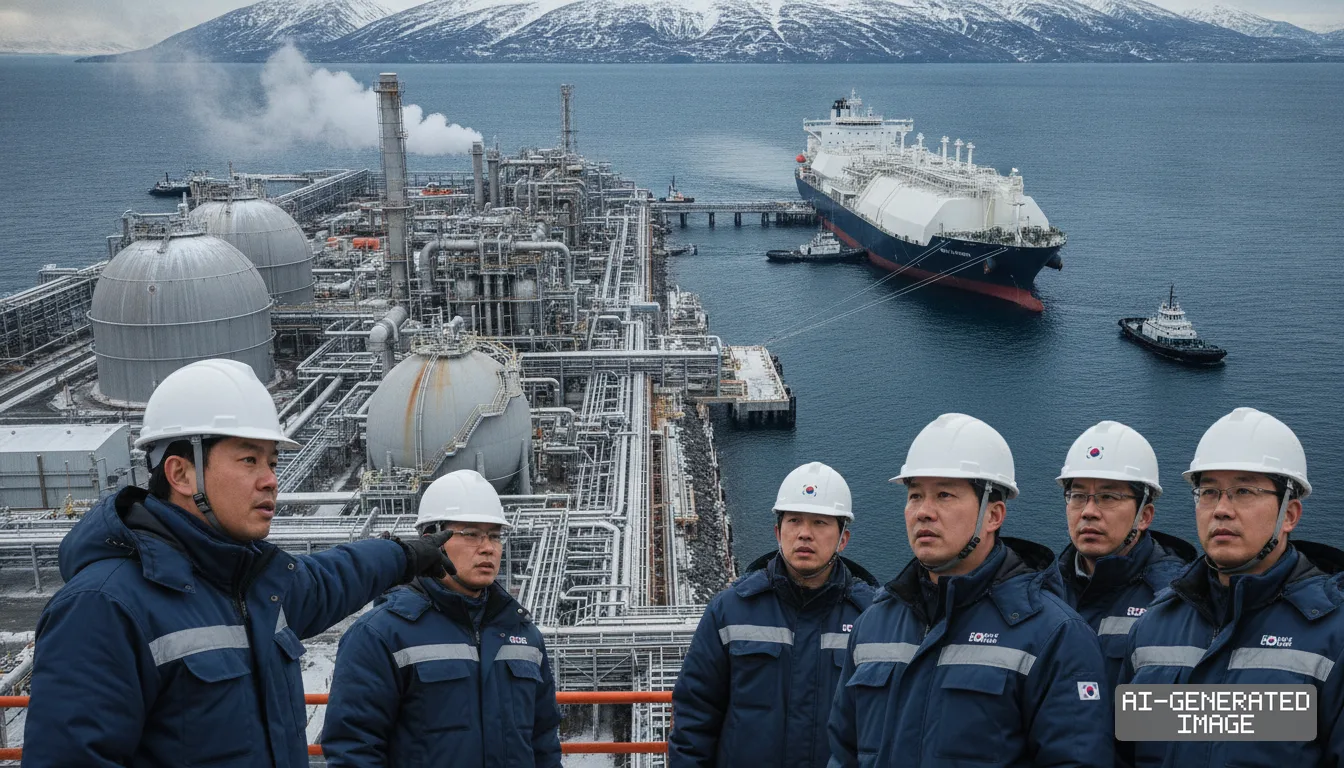
Bilateral cooperation packages also encompass study agreements for the Alaska Liquefied Natural Gas initiative and modular nuclear reactor deployment. Both construction programs require thousands of tons of high-strength alloy plate and specialized line pipe.
South Korean mills intend to supply those heavy construction orders from the Louisiana furnace rather than competing for constrained export allocations. Local production allows the group to book commercial contracts without triggering quota monitoring reviews by the United States Department of Commerce.
Equity partner contributions for the Louisiana mill must be completed by Dec. 31, 2027, according to corporate disclosures filed in Seoul. The facility is scheduled to begin commercial steel manufacturing in the first quarter of 2029.
Phase-one commercial power generation at the Encinal project begins in 2029, aligning with the mill's operating schedule. That parallel timing creates an immediate regional sales channel for Louisiana plate and structural shapes.
The association did not disclose any new processing center contracts on Oct. 1, and regulatory filings show no separate steel capex disclosures were registered on that date. The industry statement served to link pre-existing manufacturing investments to the government's bilateral infrastructure pacts.
Impact map
How this development propagates across the region and out to global buyers.
| Event | Korea | China | Japan | Global impact |
|---|---|---|---|---|
| Section 232 bypass via US mill | Hyundai Steel and POSCO commit $2.03 billion equity to bypass the 2.63 million ton quota | Excluded from US energy projects under melt-and-pour rules and 25% Section 232 duties | Nippon Steel and US joint ventures face new local competition in auto sheet | Automotive sheet supply tightens regionally as local-content sourcing rules expand |
In this story
- Companies
- Hyundai SteelPOSCOHyundai MotorKia
- Tickers
- 004020.KS005490.KS005380.KS000270.KS
- Exposed
- SeAH Steel
- Policy
- TariffsTrade QuotasSubsidies
- Impact
- CapexSupply ChainPricing
Track every Tariffs development → Track every Subsidies development →
Related briefings
- Korea Urges USTR to Strictly Honor 15% Bilateral Tariff Cap Also on Hyundai Steel, Kia, Hyundai Motor
- Japan shipyards agree long-term thick plate supply terms with Nippon Steel Also on Hyundai Steel, POSCO, Pricing
- Korea Links Commercial Electric Van Grants to Battery Recyclability Also on Kia, Hyundai Motor, Pricing
- Hyundai tests used EV battery storage on South Korea's grid Also on Kia, Hyundai Motor
Sources
Reporting
Confidence: medium — how we grade this
The documents behind this briefing are linked above. East Asia Brief produces its English text with AI assistance under human editorial review, and does not translate or republish other outlets' articles. See our methodology and AI policy. Spotted an error? Tell us.
The Morning Brief
What changed in Korean, Chinese and Japanese industry overnight — and what it means for your supply chain. One email, weekday mornings, US time. Free.
The Morning Brief is in preparation. Leave your address and we will write to you once — when the first issue is ready. Nothing before that.