Samsung Heavy unveils standard FLNG platform for Canada export sites
The South Korean shipbuilder showcased a standardized floating gas liquefaction unit in Vancouver on Oct. 26 to shorten engineering lead times and cut costs for British Columbia energy projects.
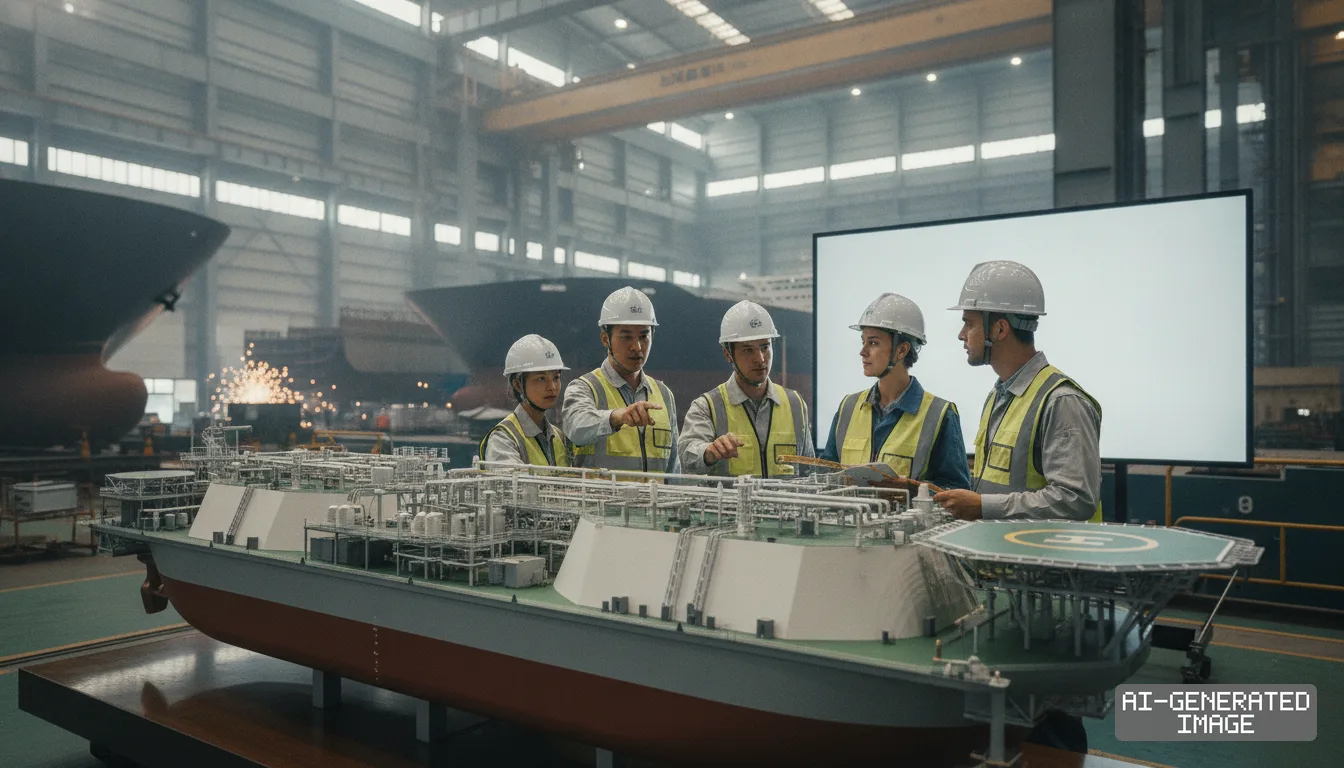
Samsung Heavy Industries introduced on Oct. 26, 2026 a standardized floating liquefied natural gas platform engineered specifically for natural gas export terminals along the coast of western Canada.
The South Korean shipbuilder presented the design during the Canada FLNG Technical Forum in Vancouver, aiming to secure engineering work on emerging export terminals throughout British Columbia.
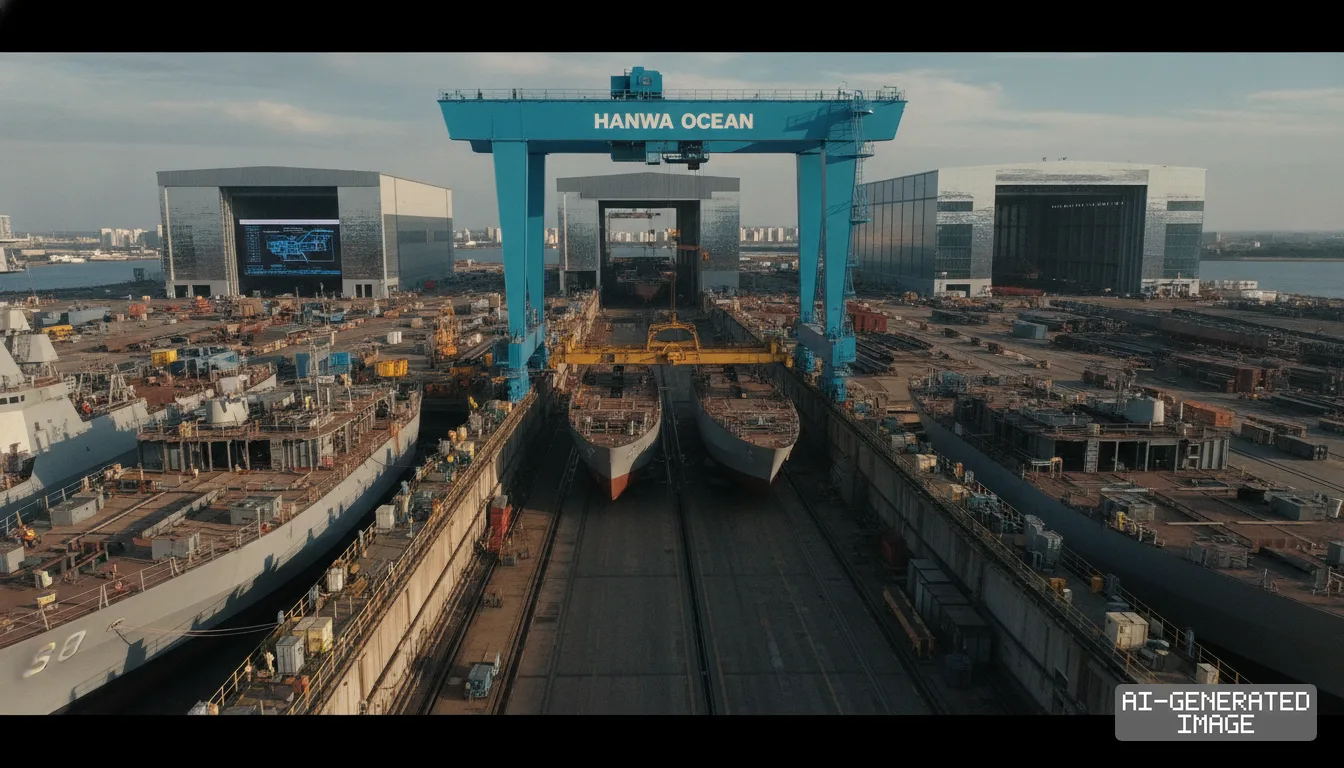
The standardized model builds on the $4 billion Cedar LNG facility now under construction at Geoje shipyard, where Samsung Heavy holds a fabrication contract worth roughly $2.1 billion.
Conventional offshore liquefaction contracts require custom engineering studies that often add up to two years to early project planning. Standardized hull architecture eliminates repetitive design cycles for midstream developers.
The Canadian platform incorporates electric-drive compression units designed to draw power directly from British Columbia's hydroelectric grid. The cold-climate hull design withstands harsh subarctic waters without extensive dredging along nearshore export inlets.
Samsung Heavy co-hosted the Vancouver technical session with the Korea Trade-Investment Promotion Agency on Oct. 23, 2026, before circulating technical details to global offshore engineering contractors.
About 100 executives from Canadian resource developers, provincial and federal regulatory bodies, First Nations communities and commercial lenders attended the technical presentation.
Floating liquefaction offers an efficient channel to move interior Canadian natural gas reserves to buyers in Northeast Asia, Lee Wang-keun, executive vice president and head of Samsung Heavy's shipbuilding division, said during the forum.
Samsung Heavy completed the hull launch of Cedar FLNG at its Geoje shipyard on June 5, 2026. The launched structure weighs roughly 50,000 metric tons and measures two and a half times the size of a standard soccer field.
Pembina Pipeline Corporation holds a 49.9% operating interest in Cedar LNG alongside the Haisla Nation, which controls a 50.1% majority stake in the terminal venture.
The Cedar facility will produce roughly 3 million metric tons of fuel annually, operating as the first Indigenous majority-owned liquefied natural gas export plant in North America.
Kansas-based engineering group Black & Veatch serves as Samsung Heavy's primary consortium partner on the Cedar venture, supplying topside modular processing units and gas liquefaction technology.
Samsung Heavy's Geoje shipyard is currently building three large floating liquefaction vessels concurrently, marking the first time a single shipyard has managed three simultaneous FLNG construction tracks.
The shipyard order book includes Cedar FLNG for Canada, the ZLNG vessel for Malaysian state energy company Petronas, and the Coral North FLNG platform for Italian energy developer Eni.
Offshore energy structures accounted for $4.4 billion of the $11.7 billion in total orders that Samsung Heavy booked through late September 2026, exceeding annual targets for conventional commercial vessels by 28%.
Samsung Heavy also aims to incorporate its proprietary natural gas liquefaction system, named SENSE, into prospective floating export vessels across North America.
The SENSE process cools treated feed gas to minus 162 degrees Celsius, condensing the fuel to one-six-hundredth of its original gaseous volume for safe ocean storage.
The shipbuilder secured an Approval in Principle and completed a Basic Design Review for the SENSE topside process system from the American Bureau of Shipping on Sept. 15, 2026.
Topside gas processing modules account for up to 35% of total capital expenditure on a standard $2.5 billion floating liquefaction vessel. South Korean yards previously paid foreign engineering licensors royalties of roughly 5%.
Samsung Heavy signed a licensing agreement with domestic gas engineering firm Gas Entec on Sept. 15, 2026 to commercialize the SENSE system for small export facilities producing up to 1 million metric tons annually.
British Columbia environmental standards mandate that new liquefied natural gas projects maintain carbon intensity limits below 0.16 metric tons of carbon dioxide equivalent per metric ton of fuel produced.
Samsung Heavy is scheduled to finish topside integration work and deliver the completed Cedar FLNG unit from Geoje in the first half of 2028.
Samsung Heavy Industries has not published an exchange filing on the Korea Exchange regarding new commercial contract awards from the Vancouver forum, and the shipbuilder has not disclosed pricing or production slot reservations for the standardized platform.
Impact map
How this development propagates across the region and out to global buyers.
| Event | Korea | China | Japan | Global impact |
|---|---|---|---|---|
| Standardized FLNG platform launch | Samsung Heavy targets higher-margin topside EPC contracts in North America | Chinese modular yards face competition for nearshore Canadian terminal fabrication | Japanese utilities gain potential low-carbon LNG supply options from Pacific Canada | Standardized hull designs cut offshore LNG project development lead times by up to two years |
In this story
- Companies
- Samsung Heavy IndustriesPembina Pipeline Corporation
- Tickers
- 010140.KS
- Exposed
- Black & Veatch
- Impact
- CapexOrder BookSupply Chain
Related briefings
- South Korea commits $1 billion to shipyard robots and yard AI Also on Samsung Heavy Industries, Order Book
- Samsung Heavy commits to Geoje yard automation under 2029 pact Also on Samsung Heavy Industries, Order Book
- Equinor exits South Korea offshore wind after 12 years of grid delay Also on Samsung Heavy Industries, Order Book
- Samsung Heavy targets US Navy MRO work via Vigor partnership Also on Samsung Heavy Industries, Order Book
Sources
Reporting
Confidence: medium — how we grade this
The documents behind this briefing are linked above. East Asia Brief produces its English text with AI assistance under human editorial review, and does not translate or republish other outlets' articles. See our methodology and AI policy. Spotted an error? Tell us.
The Morning Brief
What changed in Korean, Chinese and Japanese industry overnight — and what it means for your supply chain. One email, weekday mornings, US time. Free.
The Morning Brief is in preparation. Leave your address and we will write to you once — when the first issue is ready. Nothing before that.