Uzbekistan's TMK seeks KEXIM funding for critical mineral refineries
The state enterprise asked the Korean policy lender and the ADB for project loans and technical ties with Seoul engineering firms following Tashkent talks.
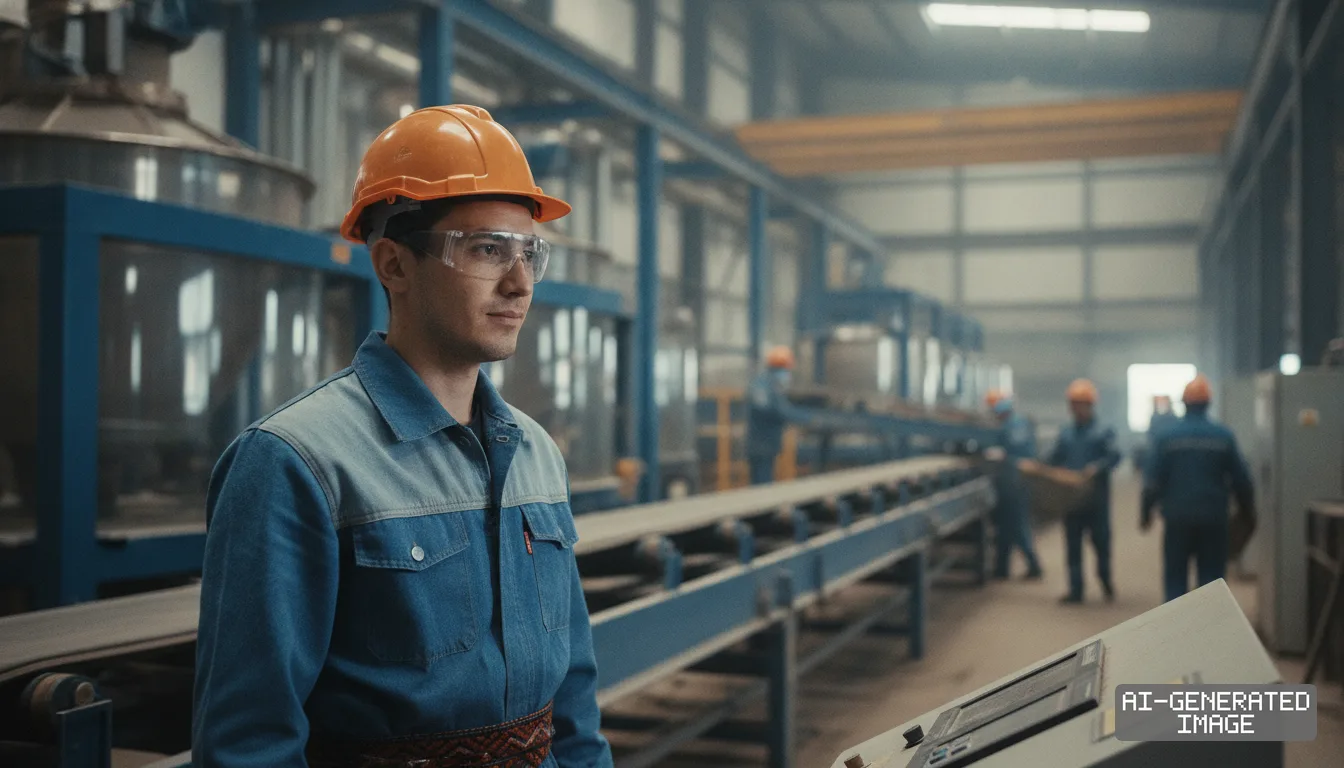
Uzbekistan's state-owned Technological Metals Combine asked the Export-Import Bank of Korea and the Asian Development Bank on Nov. 11 to finance a portfolio of critical minerals processing facilities.
The funding request follows the inaugural working group session of the Korea-Uzbekistan Critical Minerals Cooperation Platform held Nov. 9 in Tashkent. Officials from Uzbekistan's Fund for Reconstruction and Development also took part in the negotiations.
TMK presented several downstream processing ventures during the meeting. The company asked for project loans, international co-financing arrangements and technical partnerships with South Korean industrial engineering firms.
The project portfolio targets value-added mineral refining. Uzbekistan holds substantial unrefined reserves of tungsten, molybdenum, lithium and rare earths, but the country ships most output as raw concentrates.
The talks draw directly on a $500 million critical minerals facility. KEXIM and the Asian Development Bank agreed to deploy up to $500 million through 2029 to co-finance regional supply chain initiatives.
Seoul created its Supply Chain Stabilization Fund to support overseas processing assets. South Korean manufacturing relies on external sources for more than 90% of its tungsten and refined rare metal inputs.
The working group represents the operational arm of a four-party agreement. KEXIM, the Asian Development Bank, TMK and Uzbekistan's sovereign wealth fund signed the initial memorandum on Sept. 15 in Seoul.
That agreement set up a joint framework to commercialize processing technology. South Korea provides metallurgical engineering and concessional credit, while Uzbekistan contributes deposit concessions and operational infrastructure.
TMK operates extraction complexes in Chirchiq and Almalyk. The state enterprise manages the country's primary tungsten and refractory metal processing lines, which supply heavy equipment fabricators across the region.
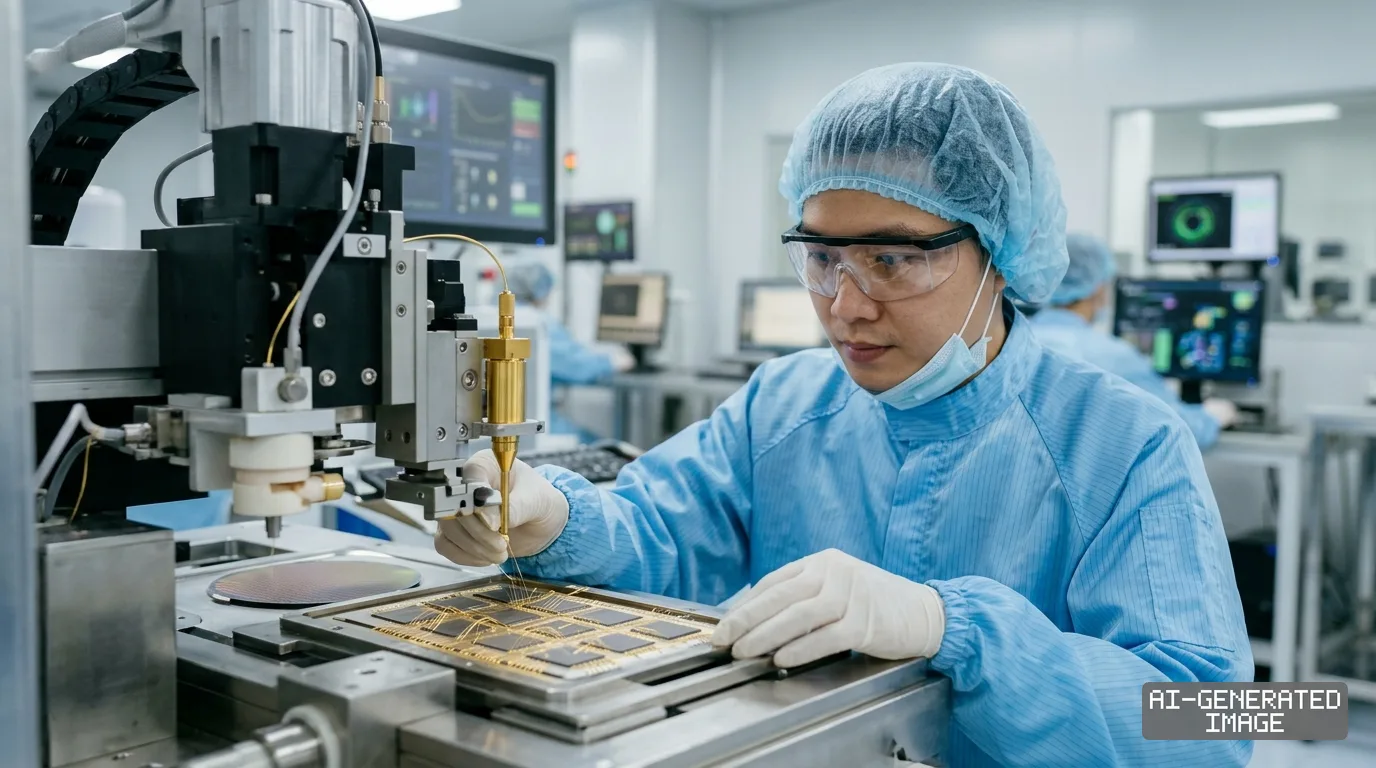
Upgrading those facilities requires modern chemical refining units. TMK seeks commercial-scale hydrometallurgical equipment to convert local ores into battery-grade chemical salts and specialized alloys.
South Korean trade officials structured the platform to diversify procurement channels. Expanding processing hubs outside traditional export corridors protects Korean chipmakers and battery producers against unexpected raw material disruptions.
The initiative also reflects Tashkent's strategy to capture industrial manufacturing margins. The Uzbek government requires state mining entities to refine extracted ores domestically rather than exporting unrefined bulk dirt.
The parties have not released the capital expenditure required for individual refining units. Official notices do not disclose the exact loan amount TMK requested from KEXIM or the multilateral bank.
Technical appraisal missions will begin reviewing site proposals during the fourth quarter. Working group delegations agreed to identify prioritized plant designs before formalizing credit guarantees.
The working group scheduled its next evaluation round for early 2027. Bilateral teams will then determine final lending terms for each qualified processing plant.
Impact map
How this development propagates across the region and out to global buyers.
| Event | Korea | China | Japan | Global impact |
|---|---|---|---|---|
| TMK mineral processing financing | KEXIM deploys stabilization capital, securing non-China tungsten and rare metals channels | Regional export dominance faces Central Asian domestic processing competition | Downstream trading houses gain secondary non-China processing sources | Critical minerals supply chain broadens refining capacity beyond concentrated hubs |
In this story
- Companies
- Technological Metals CombineExport-Import Bank of Korea
- Impact
- Supply ChainCapex
Related briefings
- Korea Eximbank and IFC agree to finance critical minerals and AI Also on Export-Import Bank of Korea
- Korea expands critical mineral refining pact with Uzbekistan Also on Export-Import Bank of Korea
- KEXIM weighs sale of 26.4% KAI stake as aerospace revenue lags peers Also on Export-Import Bank of Korea
- IHI plans domestic factory to produce 30 small satellites annually
Sources
Primary documents
Reporting
Confidence: high — how we grade this
The documents behind this briefing are linked above. East Asia Brief produces its English text with AI assistance under human editorial review, and does not translate or republish other outlets' articles. See our methodology and AI policy. Spotted an error? Tell us.
The Morning Brief
What changed in Korean, Chinese and Japanese industry overnight — and what it means for your supply chain. One email, weekday mornings, US time. Free.
The Morning Brief is in preparation. Leave your address and we will write to you once — when the first issue is ready. Nothing before that.