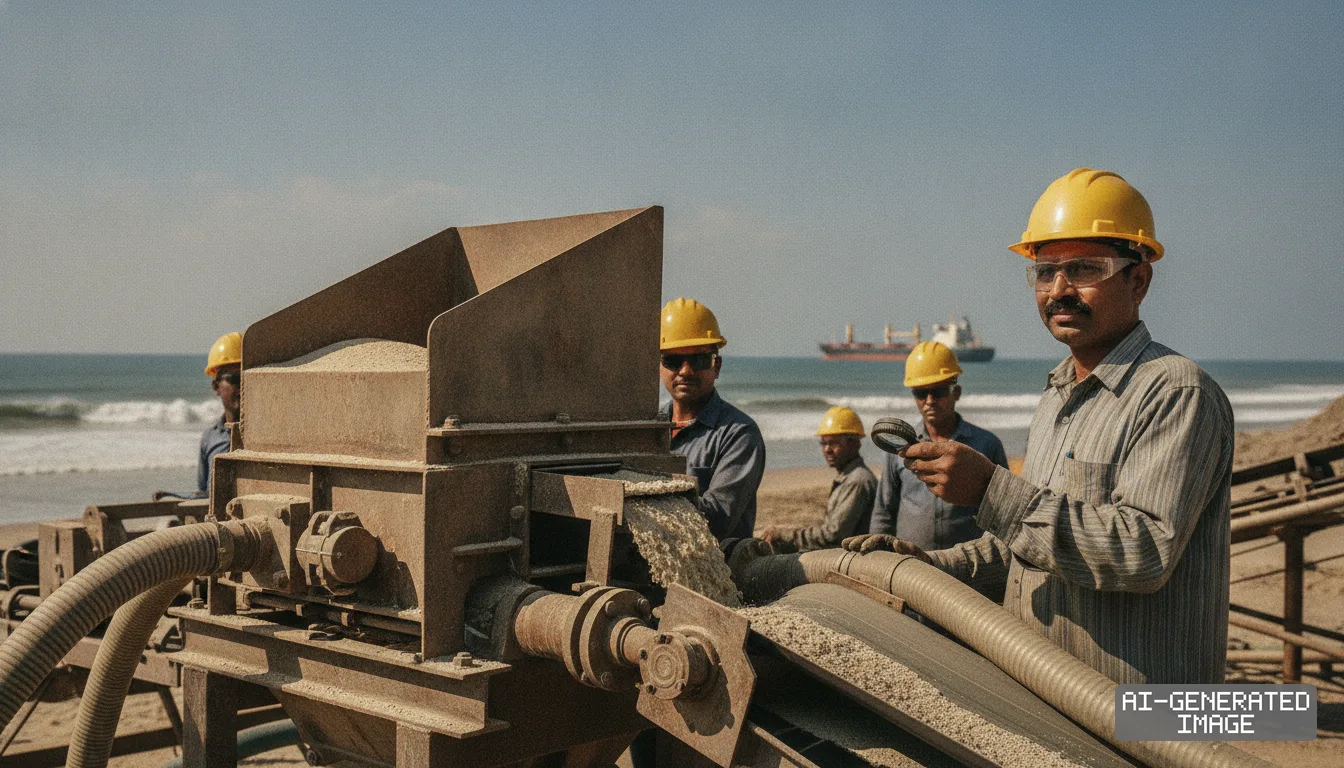
US-China trade stays below 2018 peak at $41.1B in September
Direct two-way commerce reached $41.10 billion as nine-month volume lagged pre-tariff highs by more than a third under Section 301 duties running up to 25%.
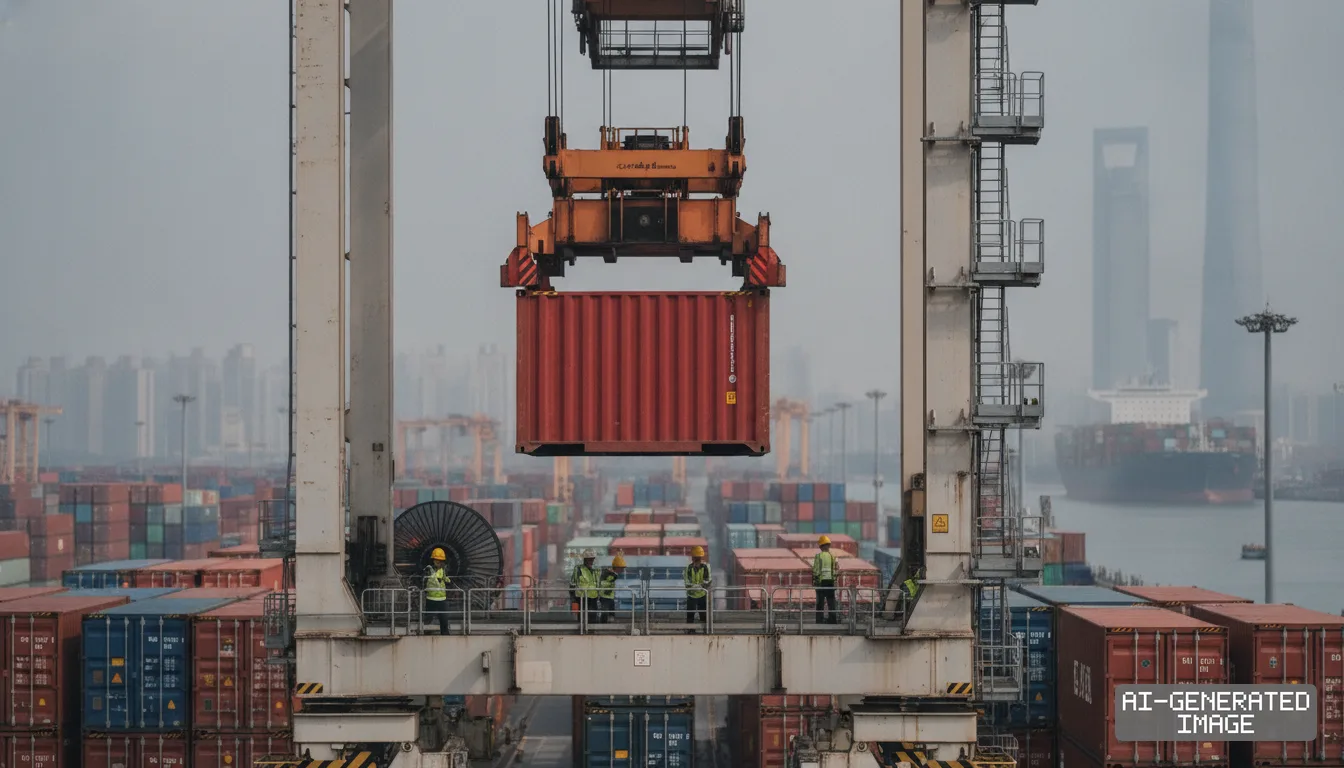
The United States Department of Commerce recorded $41.10 billion in September bilateral goods trade with China in data reviewed Nov. 11, 2026, leaving direct shipments well below pre-tariff highs.
Direct imports from China totaled $31.48 billion while American exports reached $9.61 billion, according to the Census Bureau FT-900 release. The exchange accounted for 7.3% of total United States foreign goods trade.
Cumulative two-way trade reached $298.53 billion across the first nine months. The sum trails the pre-tariff annual peak of $663.50 billion in 2018 and the record $680.70 billion set in 2022.
Section 301 tariffs running up to 25% capped direct shipments across electronics and industrial goods. Direct intake stayed constrained even as total American goods imports reached $353.80 billion in September.
Trade flows shifted into third-country assembly hubs that logged historic shipment volumes. Intermediate plants across North America and Southeast Asia absorbed subcomponent flows that previously moved directly across the Pacific.
Mexico ranked as the top trade partner, sending $62.20 billion in goods to the United States in September. Mexican shipments made up 17.1% of American goods trade, supported by duty-free automotive and electronics corridors.
Year-to-date American imports from Mexico reached $481.60 billion through September, according to Census data. Mexican factories expanded production of wire harnesses, power boards and subassemblies destined for domestic manufacturers.
Vietnam shipped $28.70 billion in September goods imports, representing 5.4% of total intake. Cumulative nine-month shipments from Vietnamese factories totaled $204.80 billion, outpacing traditional Asian suppliers including Japan and South Korea.
Taiwan delivered $28.40 billion in September imports, lifting its nine-month total to $215.30 billion. The cumulative sum exceeded direct imports from China, driven by United States demand for advanced computing hardware.
Chinese suppliers responded to trade barriers by exporting intermediate parts rather than finished equipment. Customs statistics showed Chinese shipments of printed circuit boards, passive parts and battery chemicals flowing into Southeast Asian facilities.
Contract plants in Mexico and Vietnam handle board mounting, enclosure assembly and functional testing. The routing allows importers to enter finished products under regional free-trade arrangements to bypass punitive duties.
Samsung Electronics produces roughly 50% of its global smartphone volume at factories in Bac Ninh and Thai Nguyen, Vietnam. The complexes import more than 30% of their display glass and passive components from Chinese vendors.
Samsung Electronics ships finished handsets to North America under Vietnamese origin certificates to avoid Section 301 tariffs. Added handling and logistics across Vietnam increase baseline assembly expenses by roughly 4%, corporate filings show.
Tesla procures wiring systems and power subassemblies through contract suppliers in northern Mexico and Southeast Asia. Chinese raw materials and subcomponents represent approximately 35% of the total component cost in those vehicle subassemblies.
Tesla routes energy-storage hardware through assembly lines in Southeast Asia to protect delivery schedules. Moving final integration outside China protected margins while preserving reliance on upstream Chinese cathode active material processing.
Foxconn directed more than $1.20 billion into server manufacturing facilities in Guadalajara, Mexico and northern Vietnam. The sites install high-density Chinese power boards and enclosures into computing server frames for American cloud operators.
Foxconn relies on Chinese plants for complex multilayer backplanes and optical transceivers. Assembling servers inside Mexico eliminates general tariffs under the United States-Mexico-Canada Agreement while keeping Chinese component connections intact.
Tariff exposure widened on Nov. 10, 2026, when 178 temporary Section 301 product exclusions expired without extension. The expired categories covered electric motors, industrial machinery components and specialized plastic films from China.
The expiration exposes American machinery manufacturers to renewed 25% duties, accelerating procurement diversion into Southeast Asia. Buyers must absorb duty expenses or shift component purchase orders to vendors in Thailand and Malaysia.
United States Customs and Border Protection tightened enforcement under the Uyghur Forced Labor Prevention Act, detaining $3.10 billion in electronics between 2022 and 2025. Malaysia, Vietnam and Thailand accounted for the largest share of detentions.
Hardware manufacturers submitted filings warning trade regulators that sudden duty penalties on intermediate hubs will disrupt production. Trade associations testified that American domestic component suppliers lack the scale to replace Asian output.
The Census Bureau tables do not disclose the proportion of Chinese subcomponents contained within finished goods from Mexico and Vietnam. Federal trade notices have not published audit data establishing the exact scale of circumvention flows.
The Office of the United States Trade Representative faces a statutory deadline on Nov. 29, 2026 to conclude its Section 301 circumvention inquiry. The ruling will determine whether Washington assesses punitive tariffs against intermediate hubs.
United States Customs and Border Protection scheduled updated country-of-origin verification rules for bonded maquiladora plants on Jan. 1, 2027. The Census Bureau releases official October international trade figures on Dec. 8, 2026.
Impact map
How this development propagates across the region and out to global buyers.
| Event | Korea | China | Japan | Global impact |
|---|---|---|---|---|
| Tariff circumvention scrutiny | Samsung Electronics faces ~4% cost penalty routing ~50% of phones via Vietnam | Component exporters offset direct US tariff drag via intermediate trade | Machinery parts makers face competition from Southeast Asian routing hubs | Server BOM and electronics hardware costs face pressure under USTR probe |
In this story
- Companies
- Samsung ElectronicsTeslaFoxconn
- Tickers
- 005930.KSTSLA2317.TW
- Policy
- TariffsLocal Content Rules
- Impact
- Supply ChainPricing
Track every Tariffs development → Track every Local Content Rules development →
Related briefings
- Korea outbound chip shipments to ASEAN surge to record $21.3 billion Also on Foxconn, Samsung Electronics
- Chinese precision reducer makers push into Southeast Asia to supply electronics assembly lines Also on Foxconn, Pricing
- UBTECH opens humanoid robot plant with 10,000-unit capacity Also on Foxconn
- US warns it will bar Chinese electric vehicles via Canada Also on Local Content Rules, Tesla, Tariffs
Sources
Primary documents
Reporting
Confidence: high — how we grade this
The documents behind this briefing are linked above. East Asia Brief produces its English text with AI assistance under human editorial review, and does not translate or republish other outlets' articles. See our methodology and AI policy. Spotted an error? Tell us.
The Morning Brief
What changed in Korean, Chinese and Japanese industry overnight — and what it means for your supply chain. One email, weekday mornings, US time. Free.
The Morning Brief is in preparation. Leave your address and we will write to you once — when the first issue is ready. Nothing before that.