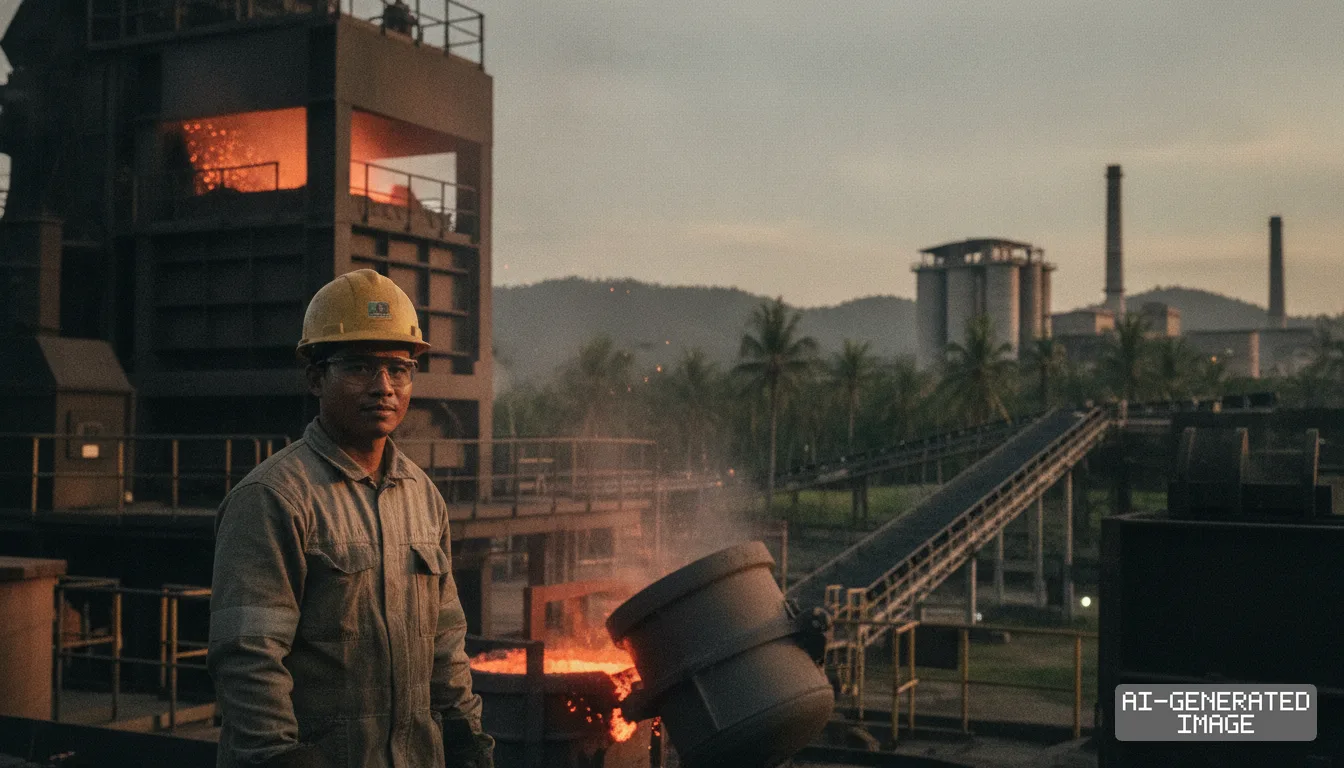
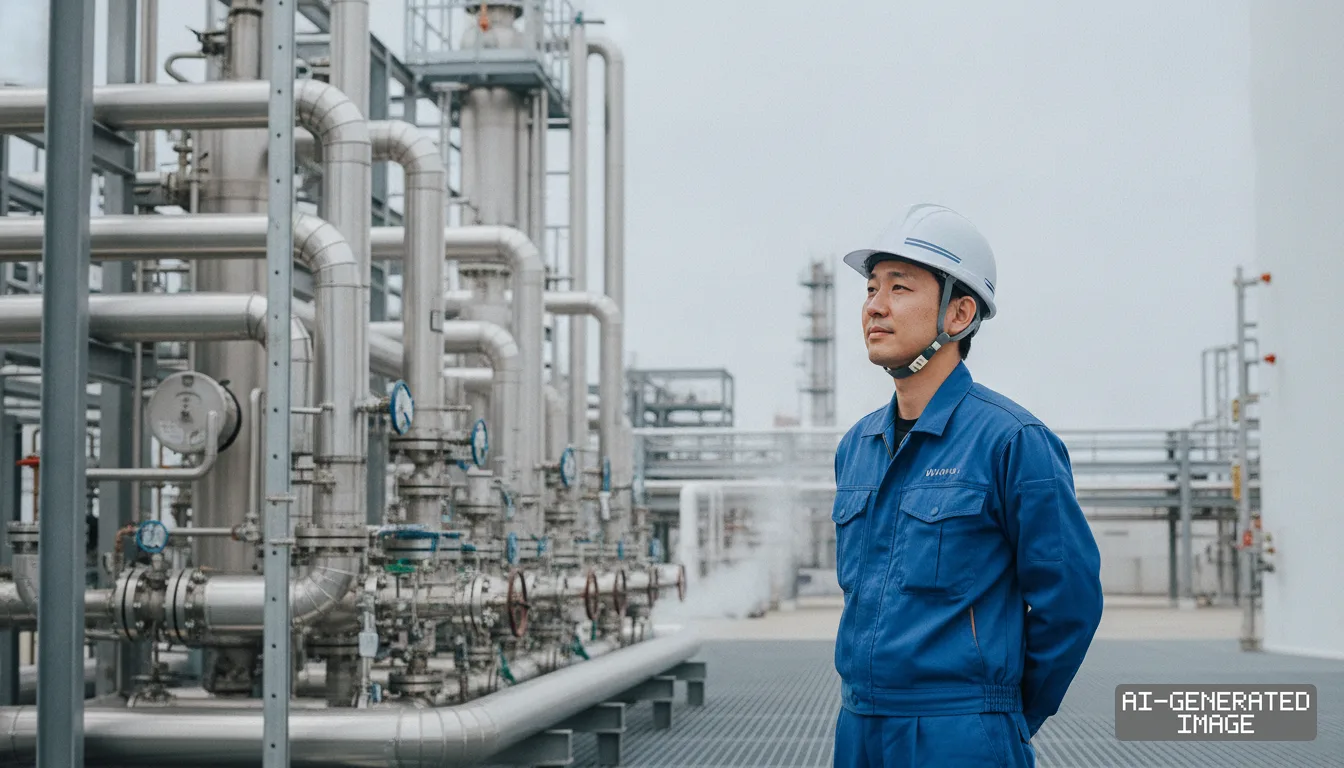
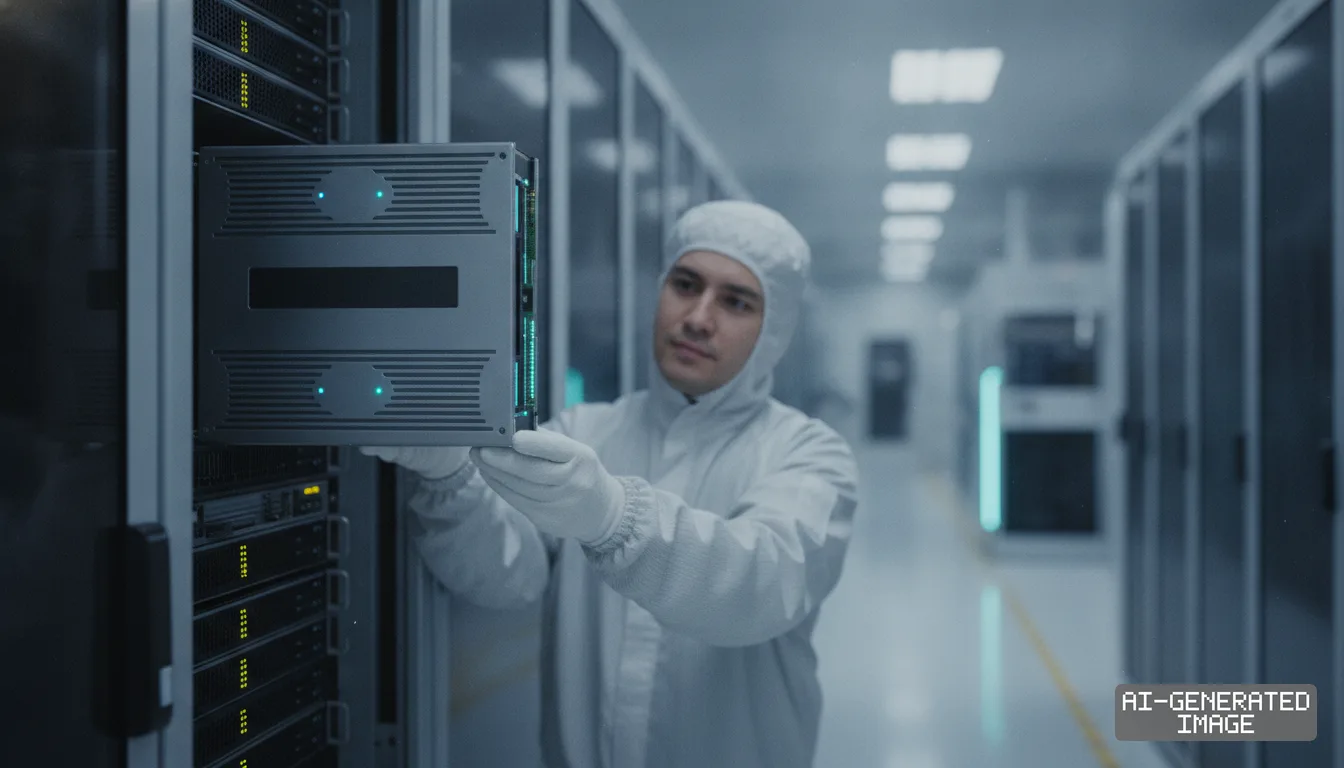
Tokyo Ohka Kogyo lifts profit goal to ¥63.5B on AI photoresist boom
Annual net sales are projected to reach ¥300 billion, marking a 26.6% increase and achieving medium-term targets a year ahead of schedule.
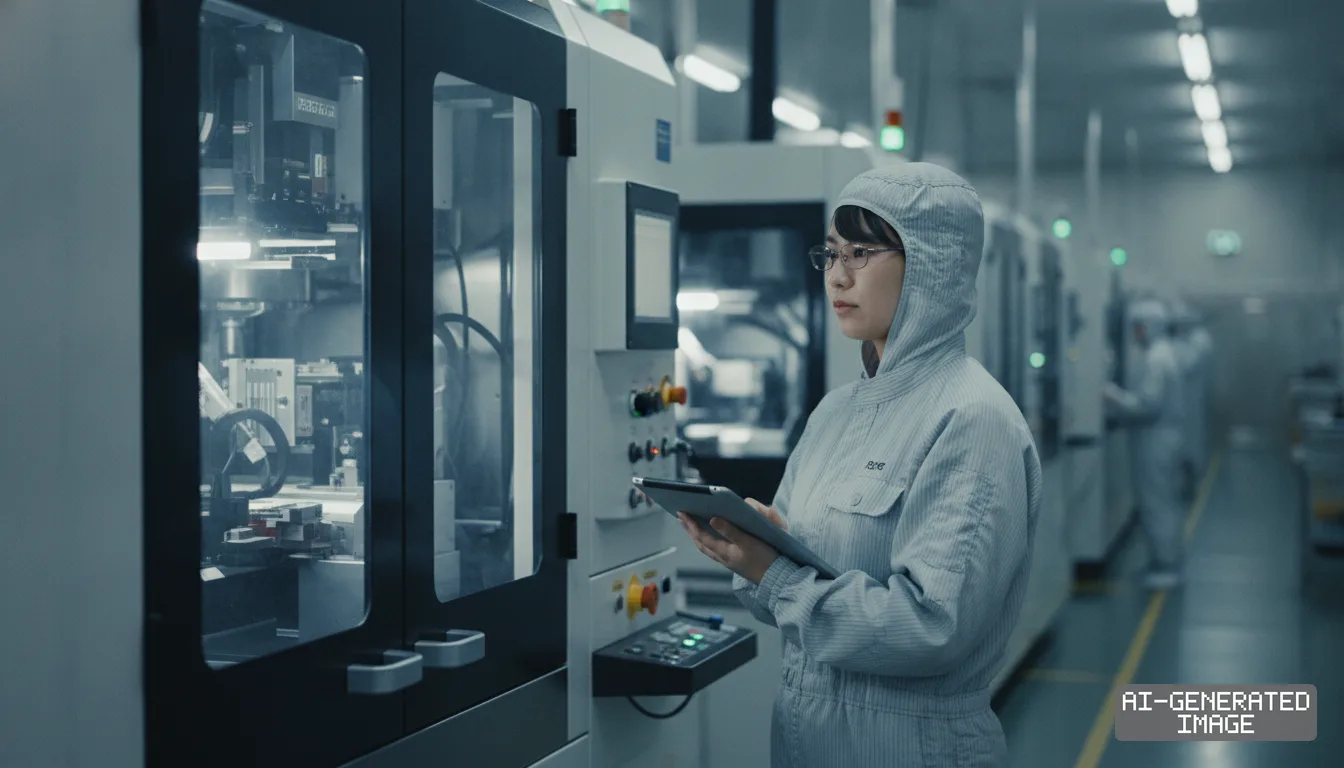
Tokyo Ohka Kogyo raised its annual operating profit guidance by 4.8% on Nov. 10, 2026, as surging demand for artificial intelligence processors accelerated shipments of advanced extreme ultraviolet and packaging photoresists.
Operating profit is now projected to hit ¥63.5 billion ($410 million) for the year ending Dec. 31, representing a 34.0% increase over the previous fiscal period, the company said in a regulatory filing to the Tokyo Stock Exchange.
Net sales are forecast to reach ¥300 billion ($1.94 billion), an upward revision from the ¥291 billion projected in July. The new total marks a 26.6% annual increase and delivers a third consecutive year of record earnings.
The upgraded guidance allows Tokyo Ohka Kogyo, known across the industry as TOK, to meet the financial targets of its three-year business roadmap a full year early. Management had set those operational benchmarks for the fiscal year ending December 2027.
Ordinary profit is projected at ¥66.0 billion, up 33.9% from 2025, while net income attributable to owners of the parent is expected to rise 33.5% to ¥44.5 billion. Both figures represent historical highs for the Kanagawa-based supplier.
The chemical manufacturer attributes the expansion to surging orders for lithography materials and high-purity process chemicals. Hyperscale data center operators continue to absorb specialized accelerators, requiring fabricators to run leading-edge lithography lines at elevated utilization rates.
Taiwan Semiconductor Manufacturing Company, the largest customer for Tokyo Ohka Kogyo, accounted for 33.6% of company sales in 2025. Foundry clients have steadily expanded material procurement for both wafer patterning and advanced packaging.
Front-end photolithography resists generate roughly 70% of Tokyo Ohka Kogyo's functional materials division. The company holds approximately 25% of the global semiconductor photoresist market and ranks as the top supplier in extreme ultraviolet formulations.
Back-end packaging formulations make up slightly more than 20% of the division's revenue. Demand for thick-film plating resists, redistribution layer formulations and temporary wafer bonding materials has expanded alongside rising output of multi-die artificial intelligence modules.
For the nine months ended Sept. 30, consolidated sales climbed 25.9% year-on-year to ¥217.52 billion. Nine-month operating profit reached ¥46.05 billion, advancing 44.4% compared with the same period a year earlier.
The company based its revised second-half outlook on a currency benchmark of ¥155.0 per US dollar. It maintained an annual dividend forecast of ¥80 per share, marking nine consecutive years of payout growth.
Supply chain pressure on photoresist manufacturers has tightened as contract foundries ramp commercial runs of 3-nanometer and 2-nanometer wafers. Extreme ultraviolet lithography requires higher chemical purity and tighter defect tolerances, raising the barriers to entry for rival chemical firms.
To safeguard delivery schedules, Tokyo Ohka Kogyo completed construction of a ¥23 billion ($148 million) photoresist production facility at its Koriyama site in Fukushima Prefecture on Oct. 8. The automated manufacturing facility begins commercial operations later this month.
The supplier has also deployed capital overseas to position chemical production closer to key regional fabs. Tokyo Ohka Kogyo invested $80.23 million in an advanced chemical facility in Pyeongtaek, South Korea, to supply memory and foundry lines.
The official filing does not disclose specific shipment volumes for advanced packaging product lines, nor does it detail material allocation shares for foundry chip-on-wafer-on-substrate packaging lines.
Commercial production at the Koriyama photoresist plant begins in late November. Tokyo Ohka Kogyo is scheduled to distribute its year-end dividend of ¥40 per share following the close of the fiscal year on Dec. 31.
Impact map
How this development propagates across the region and out to global buyers.
| Event | Korea | China | Japan | Global impact |
|---|---|---|---|---|
| TOK profit upgrade and capacity ramp | Pyeongtaek facility secures high-purity chemical supply for domestic memory and foundry nodes | Leading-edge EUV resist lines remain out of reach for domestic foundries | TOK expands domestic production capacity with ¥23 billion Koriyama plant | AI packaging and advanced wafer lines secure tighter photoresist supply agreements |
In this story
- Companies
- Tokyo Ohka Kogyo
- Tickers
- 4186.T2330.TW
- Impact
- PricingCapexSupply Chain
Related briefings
- Mitsui Chemicals buys chip materials maker JSR for $11.6 billion Also on Tokyo Ohka Kogyo, Pricing
- Dongjin Semichem divests China display unit for $134 million Also on Tokyo Ohka Kogyo, Pricing
- TOK completes $76M chip chemical plant in Pyeongtaek, Korea Also on Tokyo Ohka Kogyo, Pricing
- Japan METI backs $10 billion US chip project with toolmakers Also on Tokyo Ohka Kogyo
Sources
Reporting
Confidence: medium — how we grade this
The documents behind this briefing are linked above. East Asia Brief produces its English text with AI assistance under human editorial review, and does not translate or republish other outlets' articles. See our methodology and AI policy. Spotted an error? Tell us.
The Morning Brief
What changed in Korean, Chinese and Japanese industry overnight — and what it means for your supply chain. One email, weekday mornings, US time. Free.
The Morning Brief is in preparation. Leave your address and we will write to you once — when the first issue is ready. Nothing before that.