Thailand woos Japanese chipmakers with $14 billion roadmap to 2030
The Board of Investment presented tax holiday packages to Japanese executives to pull supply chains beyond legacy assembly into power devices and IC design.
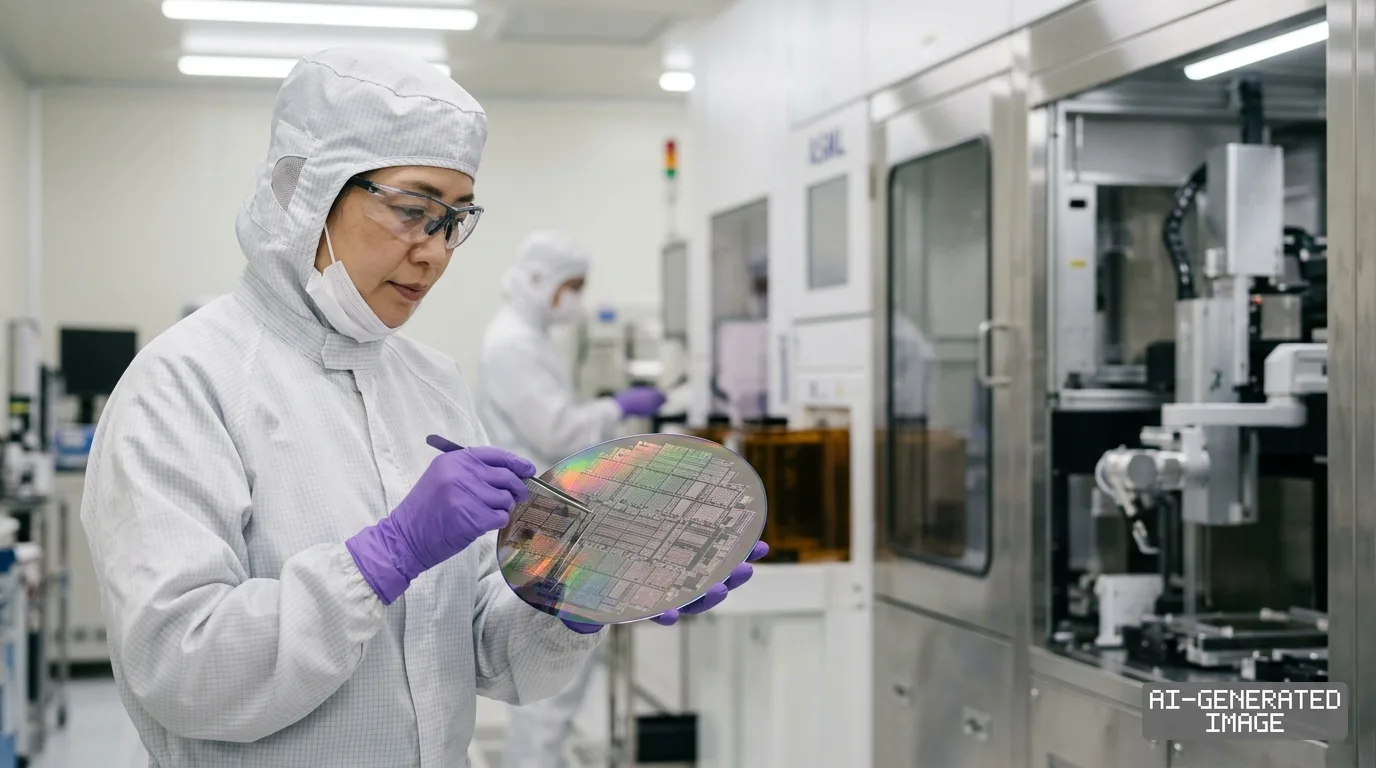
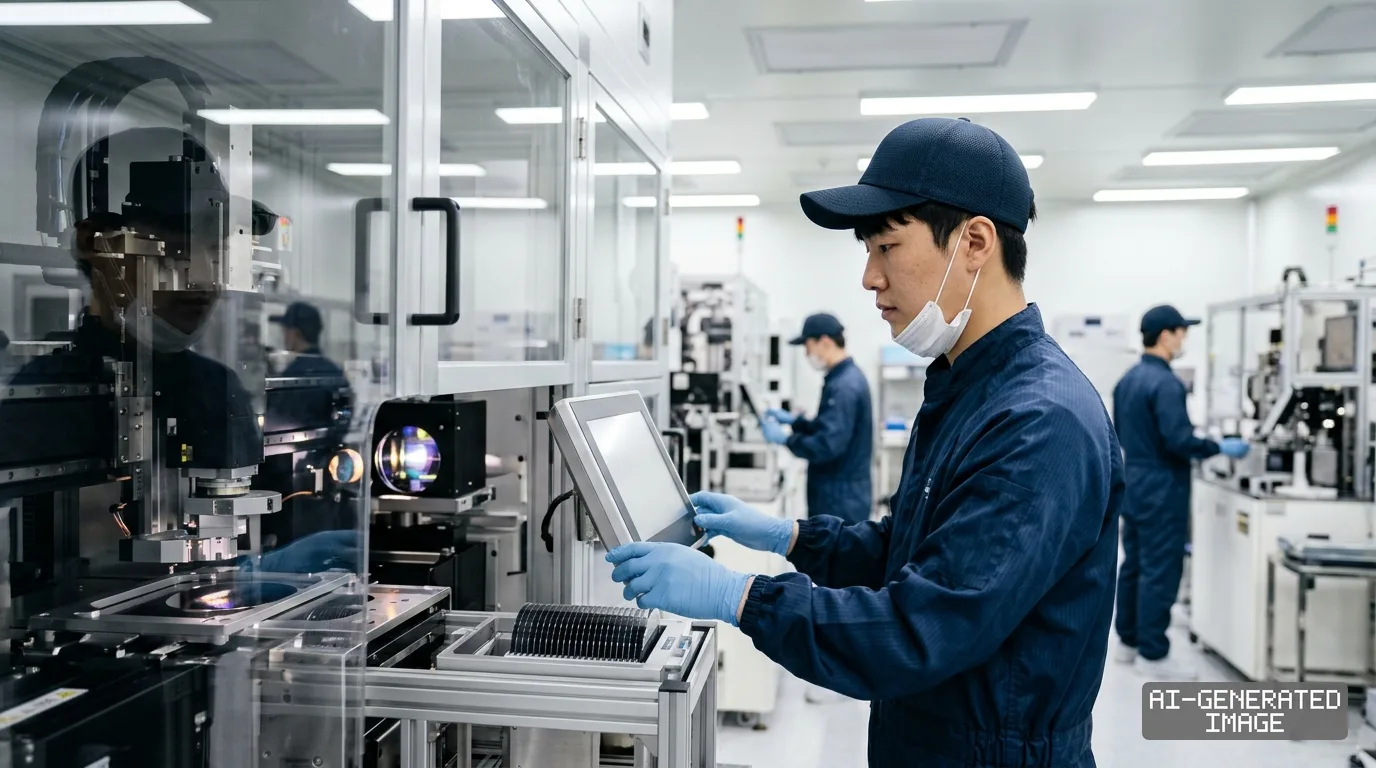
Thailand's Board of Investment opened a trade mission in Tokyo on Nov. 18, 2026, pitching tax holidays to recruit Japanese semiconductor design teams and equipment suppliers.
The delegation presented Thailand's national semiconductor roadmap, approved on Sept. 24, to Japanese electronics executives. The strategy aims to move the country beyond legacy assembly work into front-end engineering, optical chips and wide-bandgap power devices, the board notice said.
The plan targets 500 billion baht ($14 billion) in semiconductor and advanced electronics foreign direct investment by 2030. That figure represents 20% of the government's cumulative 2.5 trillion baht ($80 billion) investment goal through 2050, the agency said.
Annual revenue from domestic chip production is scheduled to reach $150 billion by 2050 under the framework. The program also projects the creation of more than 230,000 engineering and production jobs over the next 24 years, Narit said.
Deputy Prime Minister and Finance Minister Ekniti Nitithanprapas led the talks alongside BOI Secretary General Narit Therdsteerasukdi, according to the board notice. The roundtable marked the first overseas presentation of the national semiconductor blueprint since its cabinet sign-off.
Japanese manufacturers represent the largest established industrial investor cohort in Thailand. Between 2023 and September 2026, Japanese firms submitted 108 promotion applications for semiconductors, printed circuit boards and circuit designs worth 59 billion baht ($1.7 billion), according to BOI data.
Within that total, 11 projects worth over 10 billion baht ($290 million) focused directly on semiconductor devices, wafer testing and integrated circuit manufacturing. Thai officials want those suppliers to expand into higher-margin engineering activities, Narit said.
Southeast Asian neighbors have expanded incentives to capture relocating supply chains. Malaysia controls roughly 13% of global chip assembly and testing capacity, while Vietnam has drawn multi-billion-dollar packaging plants from American and South Korean producers.
Thailand is countering that competition by targeting three specific hardware categories, the agency said. The state roadmap prioritizes silicon carbide and gallium nitride power semiconductors, photonics for artificial intelligence hardware, and microelectromechanical sensors.
Power electronics connect directly with Thailand's existing automotive assembly lines. The country produced 1.84 million vehicles in 2025 and hosts Japanese automakers such as Toyota Motor and Isuzu Motors, which buy high-voltage inverter components for hybrid and electric drivetrains.
Foreign chipmakers have committed capital to Thailand's packaging base this year. German power semiconductor manufacturer Infineon Technologies AG inaugurated a 48 billion baht ($1.4 billion) packaging facility in Samut Prakan province on Oct. 1.
Infineon plans to build out the plant in five stages, creating 5,000 skilled manufacturing jobs, according to the company's project filing. The Samut Prakan complex packages power modules for electric vehicles, renewable energy stations and data center power delivery systems.
Upstream tool suppliers have expanded local operations as well. UniEQ Integrated Technology, a subsidiary of Taiwan-based Foxsemicon Integrated Technology Inc., committed 10.5 billion baht ($306 million) to build two component factories in Chonburi and Rayong provinces.
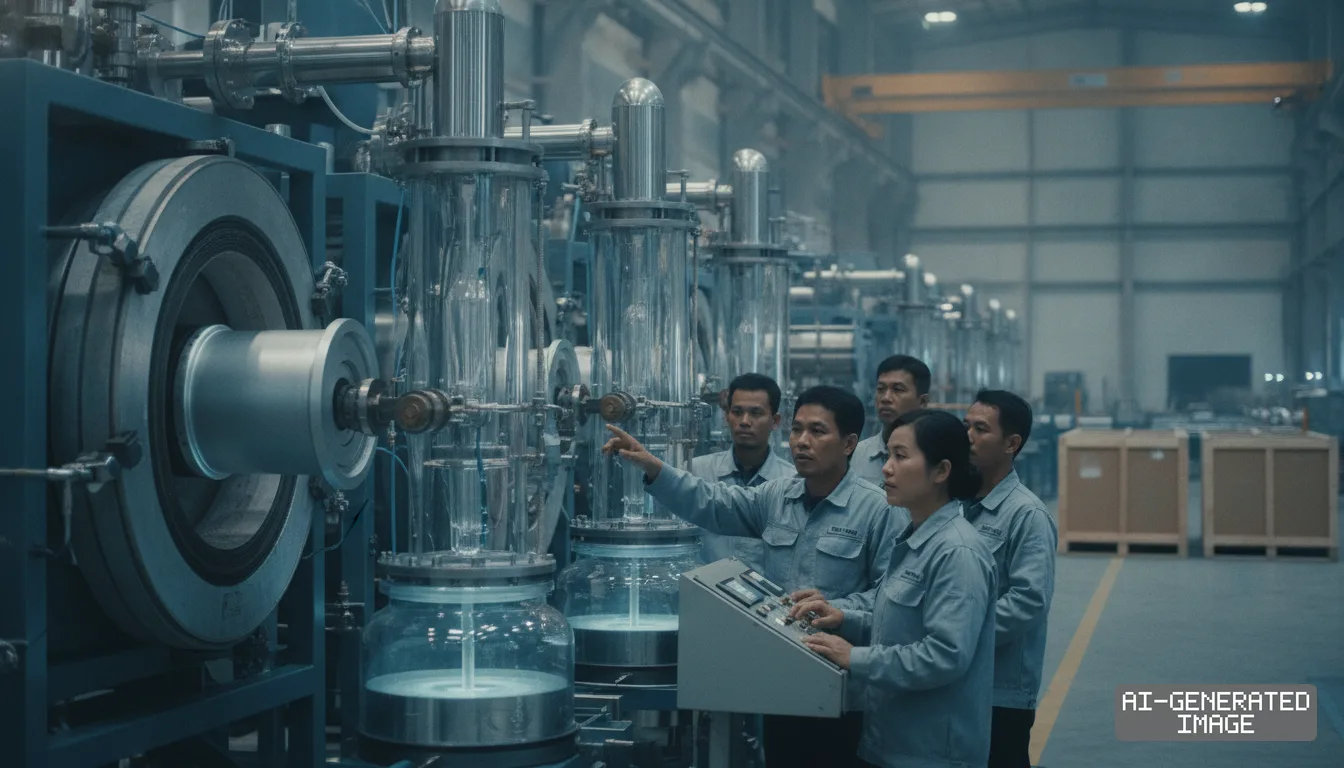
The UniEQ plants build high-vacuum modules and critical chambers for chemical mechanical planarization and etching machines. Those tools are supplied to global wafer fabrication plants operating across Asia and North America, the BOI notice said.
To address engineering shortages, the Thai government approved the Siam Silica human resource initiative on Aug. 10. The state program mandates training 86,600 specialized workers by 2030 to staff cleanrooms and design offices, according to the ministry plan.
The workforce target includes 84,900 skilled factory technicians and 1,700 advanced researchers holding master's degrees or doctorates. Thailand's Ministry of Higher Education, Science, Research and Innovation manages the curriculum through state universities and research institutes.
The BOI has offered corporate income tax exemptions of up to 13 years for upstream semiconductor fabrication and front-end design investments. Projects receiving top-tier incentives also gain duty waivers on imported equipment and raw test wafers, according to BOI guidelines.
Administrative fast-tracking accompanies the financial subsidies under the Thailand FastPass program. The mechanism speeds up environmental clearances, factory operating licenses and technical visa approvals for foreign engineers arriving from Japan.
Bangkok wants Japanese fabless design houses to locate physical teams in Thailand rather than keeping engineering centralized in Tokyo. Thai officials pitched joint development agreements where Japanese designers co-develop microcontroller chips with domestic technical universities, the BOI said.
The first phase of the national semiconductor roadmap runs through Dec. 31, 2030, with the BOI reviewing workforce development milestones annually each October.
The BOI notice does not state whether any Japanese semiconductor company signed binding capital expenditure agreements during the Tokyo meetings, and officials have not published specific subsidy caps for front-end fabrication tools.
Japanese chip companies hold an estimated 30% share of global semiconductor manufacturing equipment and roughly half of critical raw materials markets.
Impact map
How this development propagates across the region and out to global buyers.
| Event | Korea | China | Japan | Global impact |
|---|---|---|---|---|
| Thailand chip roadmap launch | OSAT vendors face direct packaging capacity competition in Southeast Asia | legacy node and discrete device assembly faces margin pressure from Thai subsidies | design houses gain tax-free secondary engineering base outside Tokyo | power semiconductor and optical transceiver assembly diversifies away from single-country risk |
| Thailand chip roadmap launch | OSAT vendors face direct packaging capacity competition in Southeast Asia | legacy node and discrete device assembly faces margin pressure from Thai subsidies | design houses gain tax-free secondary engineering base outside Tokyo | power semiconductor and optical transceiver assembly diversifies away from single-country risk |
| Thailand chip roadmap launch | OSAT vendors face direct packaging capacity competition in Southeast Asia | legacy node and discrete device assembly faces margin pressure from Thai subsidies | design houses gain tax-free secondary engineering base outside Tokyo | power semiconductor and optical transceiver assembly diversifies away from single-country risk |
In this story
- Companies
- Infineon TechnologiesFoxsemicon Integrated Technology
- Tickers
- IFX.DE3413.TW
- Exposed
- Toyota MotorIsuzu Motors
- Policy
- SubsidiesTax Credits
- Impact
- Supply ChainCapex
Track every Subsidies development → Track every Tax Credits development →
Related briefings
- Tokyo and Frankfurt Hubs Launch Thailand Supply Corridor Also on Isuzu Motors
- Metlen warns Europe may lose gallium supply to US buyers Also on Infineon Technologies, Subsidies
- TSMC and Japanese Auto Suppliers Scale 28nm BCD Power Chip Production Also on Infineon Technologies, Subsidies
- JCET expands automotive radar SiP packaging lines to capture ADAS sensor demand Also on Infineon Technologies, Subsidies
Sources
Reporting
Confidence: medium — how we grade this
The documents behind this briefing are linked above. East Asia Brief produces its English text with AI assistance under human editorial review, and does not translate or republish other outlets' articles. See our methodology and AI policy. Spotted an error? Tell us.
The Morning Brief
What changed in Korean, Chinese and Japanese industry overnight — and what it means for your supply chain. One email, weekday mornings, US time. Free.
The Morning Brief is in preparation. Leave your address and we will write to you once — when the first issue is ready. Nothing before that.