Samsung sells out 2027 HBM supply as memory crunch deepens
The South Korean chipmaker committed up to 70% of total wafer capacity to multi-year contracts through 2030, warning standard server DRAM will remain in deficit through 2028.
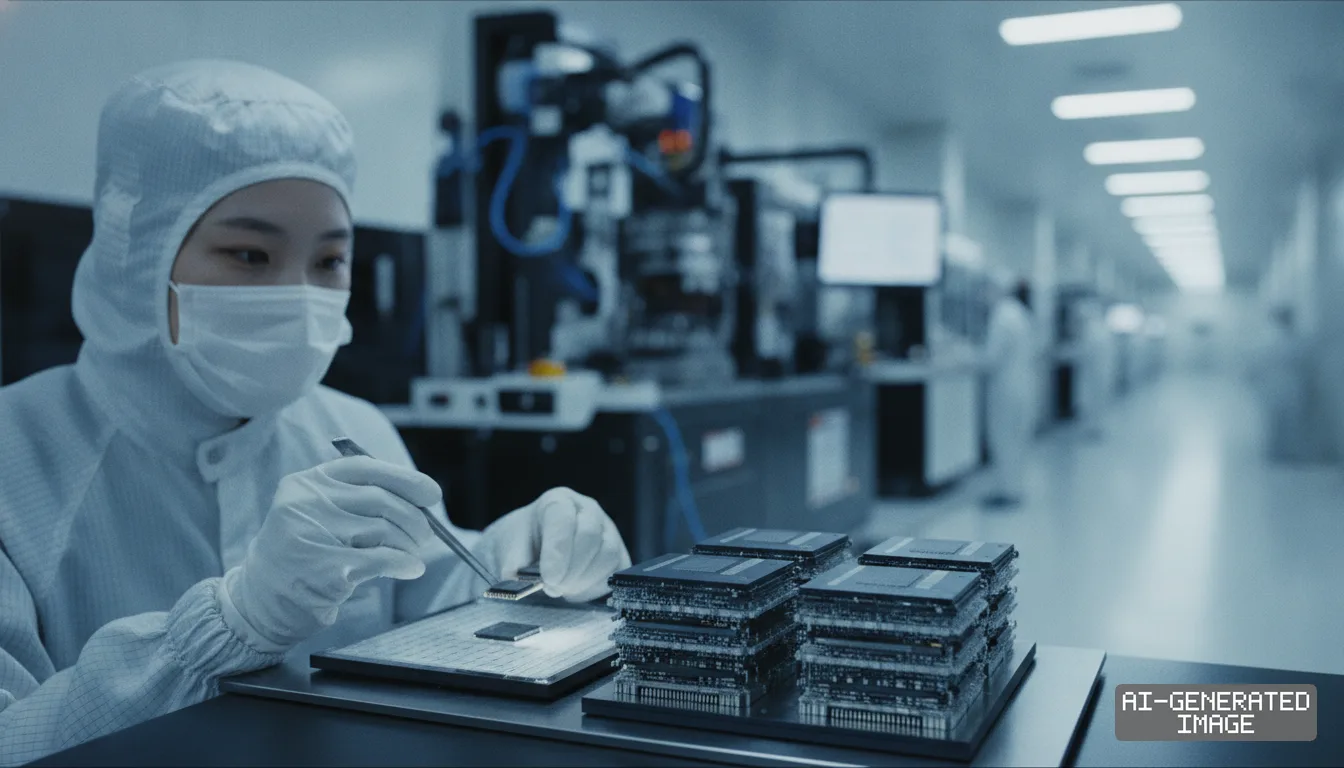
Samsung Electronics said Oct. 29, 2026 that its high-bandwidth memory production capacity for 2027 has sold out, warning that memory shortages will persist through 2028.
The South Korean chipmaker reported consolidated revenue of 195.2532 trillion won ($141.5 billion) for the third quarter of 2026, according to a filing with the Financial Supervisory Service.
Third-quarter operating profit reached 107.4405 trillion won ($77.9 billion). The Device Solutions semiconductor unit earned 106.5 trillion won, accounting for more than 99% of companywide operating profit.
Kim Jae-june, executive vice president of Samsung's memory business division, delivered the capacity assessment during an earnings conference call in Seoul on the morning of Oct. 29.
Samsung completed commercial price and volume negotiations at target levels for all available 2027 high-bandwidth memory lines, Kim said. Hyperscale cloud providers booked the output to support data-center artificial intelligence clusters.
The company signed multi-year supply contracts with 10 global technology customers. The binding commitments secure delivery allocations stretching through 2030, marking an operational departure from standard quarterly purchasing agreements.
Negotiations remain underway with another 10 corporate buyers for new contracts and rolling extensions. Samsung aims to tie 60% to 70% of its entire memory fabrication capacity to multi-year agreements.
The shift locks in predictable factory utilization rates for the manufacturer. For procurement leads, the strategy removes substantial wafer volumes from the open merchant market where commodity dynamic random-access memory (DRAM) is traded.
Product mix shifted rapidly toward higher-density chips during the quarter ending Sept. 30. Third-quarter sales of HBM4 components expanded more than threefold compared with the second quarter.
HBM4 accounted for 60% of Samsung's total high-bandwidth memory revenue during the period, the company said. Premium pricing on stacked memory packages supported operating profitability across the Device Solutions division.
Samsung dispatched customer engineering samples of next-generation HBM4E memory in May 2026. The updated architecture provides wider bus interfaces and reduced thermal resistance for next-generation server accelerators.
Mass production of HBM4E modules will begin in the first half of 2027, the company said. Volume shipments to server manufacturing partners will accelerate during the second half of that year.
Samsung warned that structural bottlenecks will prevent chipmakers from satisfying surging server memory demand through 2028. Three physical constraints restrict near-term output across the memory sector.
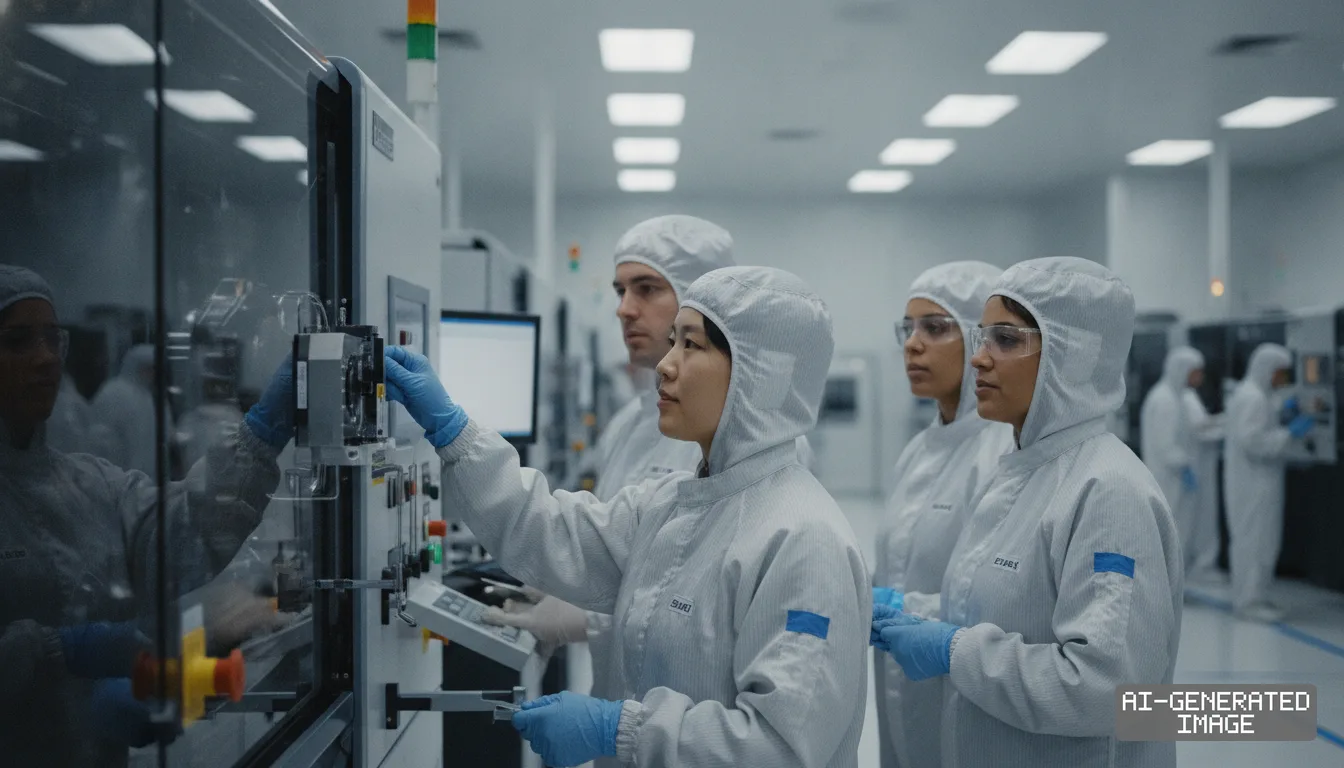
Constructing advanced cleanrooms requires extended engineering timelines. Building new semiconductor fabrication shells and certifying contamination-control infrastructure takes up to three years before tool delivery can start.
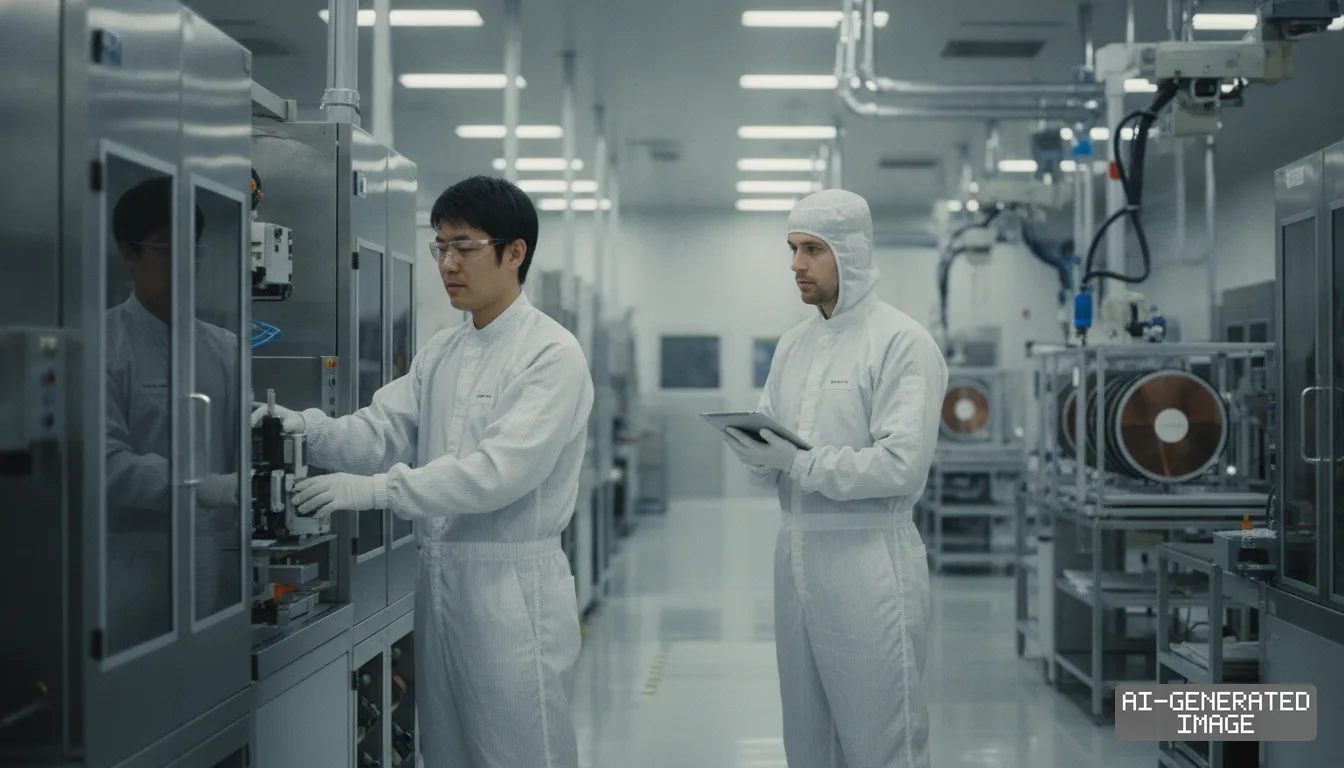
Delivery lead times for advanced lithography and packaging machinery also remain stretched. Equipment makers face backlogs for high-precision wafer-bonding and through-silicon via (TSV) drilling tools.
The increasing physical die size of next-generation stacked memory creates an additional production drag. Advanced HBM dies occupy roughly double to triple the surface area of standard server DRAM chips.
Larger die dimensions reduce the net number of functional integrated circuits harvested from each 300-millimeter silicon wafer. Packaging yields further limit final product volumes compared with planar DRAM processing.
The silicon area penalty directly affects the supply of conventional memory products. Converting production lines to high-bandwidth memory consumes wafer capacity that previously manufactured standard DDR5 and mobile LPDDR5 modules.
Procurement teams at enterprise server manufacturers face shrinking allocations for commodity memory. High-performance computing nodes require hundreds of gigabytes of standard DDR5 alongside specialized accelerator memory to run model inference.
Uncommitted DRAM inventories across major hardware assemblers have declined over recent quarters. Supply managers operating on rolling quarterly bids face upward contract pricing pressure as wafer starts remain constrained.
Samsung directed capital expenditures toward advanced packaging lines and test handlers in South Korea. Cleanroom expansions prioritize through-silicon via stacking rather than standard planar memory expansion.
Enterprise customers seeking uncommitted 2027 memory supply must now negotiate within shrinking non-contracted volume bands. Spot market availability for server-grade DDR5 modules is projected to tighten further into 2027.
The regulatory filings and conference remarks do not identify the 10 customer companies or the individual dollar values of the supply contracts, citing commercial non-disclosure agreements.
Initial commercial deliveries under the finalized 2027 high-bandwidth memory agreements are scheduled to begin in the first quarter of 2027, following final customer motherboard validation.
Impact map
How this development propagates across the region and out to global buyers.
| Event | Korea | China | Japan | Global impact |
|---|---|---|---|---|
| AI memory capacity sold out | Samsung locks 60-70% wafer capacity into LTAs, DS profit tops 106.5T won | Cloud builders face reduced non-contracted DRAM allocations from Korean fabs | Tokyo Electron and packaging tool vendors see delivery lead times stretch | AI server BOM costs rise as uncontracted DDR5 supply shrinks through 2028 |
In this story
- Companies
- Samsung Electronics
- Tickers
- 005930.KS
- Impact
- Supply ChainCapexPricing
Related briefings
- Korean robot makers surge as Nvidia expands physical AI ties Also on Samsung Electronics, Pricing
- Analysts reject Elon Musk warning on China memory chip glut Also on Samsung Electronics, Pricing
- TSMC Resumes SRAM Scaling with Sub-0.017 Micron Cell on A14 Node Also on Samsung Electronics, Pricing
- TSMC prepares to raise CoWoS packaging prices by up to 20% Also on Samsung Electronics, Pricing
Sources
Primary documents
Reporting
Confidence: high — how we grade this
The documents behind this briefing are linked above. East Asia Brief produces its English text with AI assistance under human editorial review, and does not translate or republish other outlets' articles. See our methodology and AI policy. Spotted an error? Tell us.
The Morning Brief
What changed in Korean, Chinese and Japanese industry overnight — and what it means for your supply chain. One email, weekday mornings, US time. Free.
The Morning Brief is in preparation. Leave your address and we will write to you once — when the first issue is ready. Nothing before that.