Optimus robots get priority for Tesla AI5 chips amid wafer crunch
Foundry bottlenecks pushed passenger cars to retain AI4 boards after design partner Global Unichip allocated 3nm production to cloud operators.
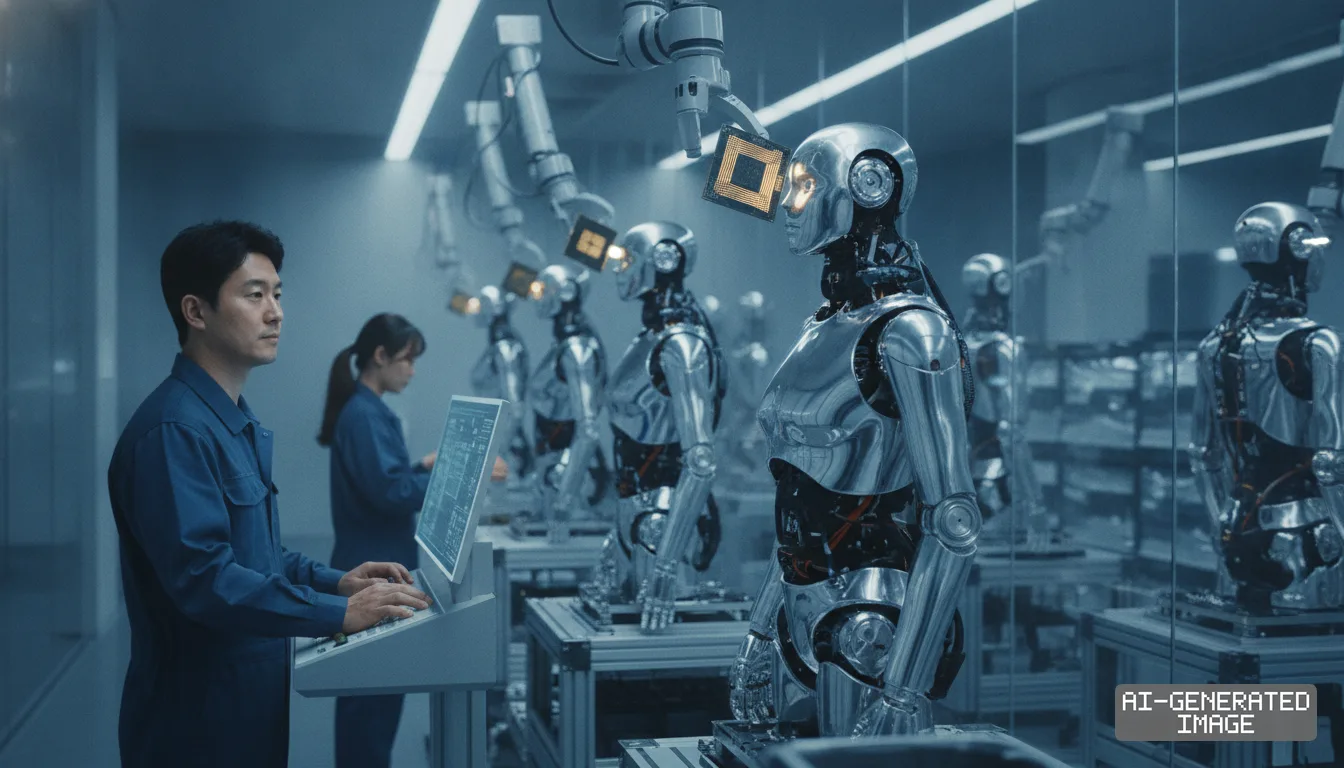
Tesla will divert its initial AI5 processor shipments to the Optimus humanoid robot after foundry bottlenecks restricted its 2027 wafer access, supply-chain allocations showed on Nov. 27, 2026.
The AI5 processor offers 10 times the computing capacity of the current AI4 chip, according to regulatory filings that benchmark the silicon at up to 50 times effective inference throughput.
Soaring memory and storage component expenses have doubled the manufacturing cost of the older AI4 automotive computer board, Chief Executive Officer Elon Musk said on Nov. 22.
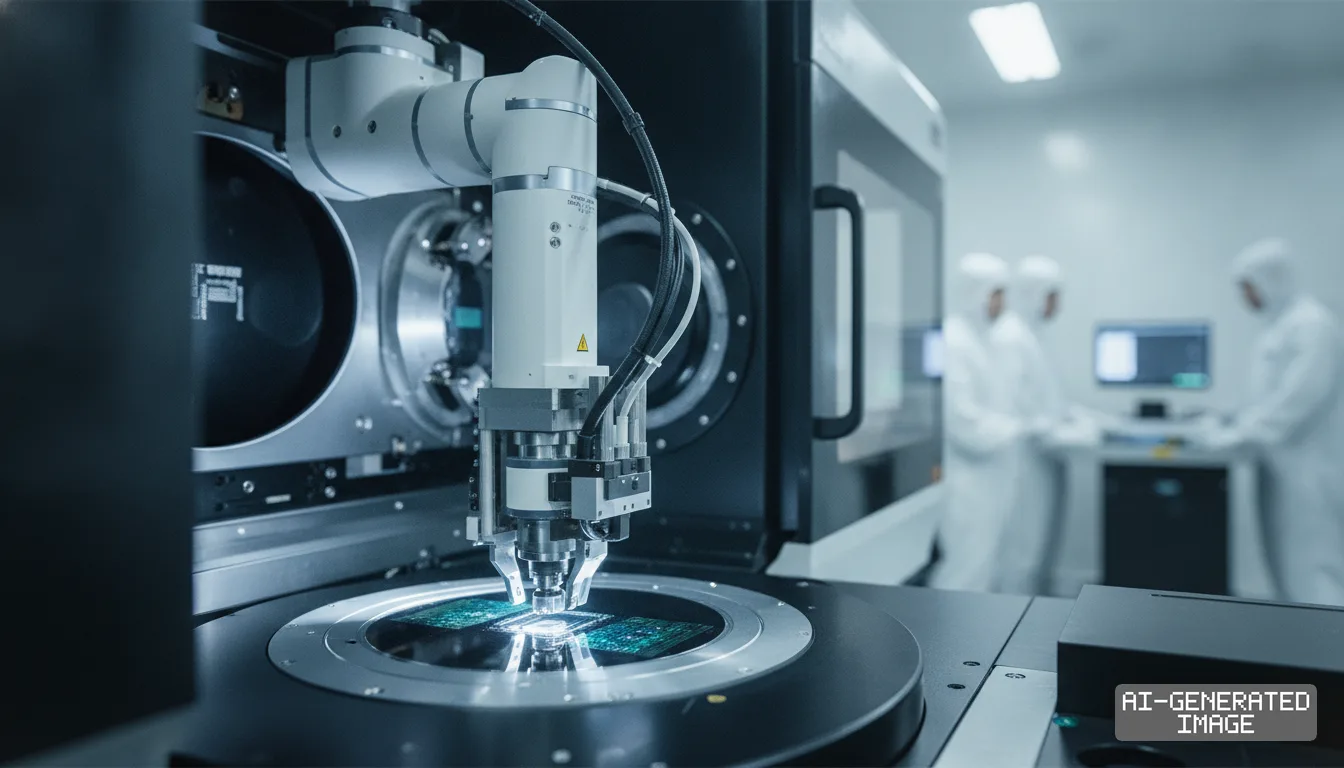
Design partner Global Unichip Corp. directs physical layout and backend engineering for the 3-nanometer processor, which is manufactured by Taiwan Semiconductor Manufacturing Co. in Taiwan.
Global Unichip allocated the bulk of its secured 2027 3-nanometer production slots to North American cloud service providers rather than automotive programs, according to supply-chain reports published on Nov. 27.
Alphabet's Google and Microsoft secured primary wafer access through the design firm to build custom data center infrastructure, including Google's Axion 2 and Axion 3 server processors.
Cloud service operators possess capital budgets capable of absorbing high wafer prices, allowing hyperscalers to crowd out industrial and automotive buyers in advanced semiconductor queues.
The allocation choices leave Tesla with an initial wafer volume too limited to support high-volume manufacturing across millions of Model Y and Model 3 vehicles before 2028.
Tesla responded to the wafer shortage by reserving its early 3-nanometer silicon output exclusively for the Optimus bipedal robot platform, Musk said in a public statement.
The company's commercial vehicle fleet will remain on the existing AI4 computer platform because the current board provides sufficient computing power for superhuman autonomous driving, Musk said.
The AI4 computer operates two redundant processors equipped with 16 gigabytes of memory each, delivering an estimated system bandwidth of 384 gigabytes per second across automotive vision pipelines.
Tesla engineers have achieved high utilization levels on the AI4 silicon, running vision neural networks without requiring an immediate architectural replacement for consumer vehicles, Musk said.
The decision leaves roughly four million older vehicles equipped with Hardware 3 computers facing computing limits, after Tesla acknowledged earlier that older boards cannot support uncompressed autonomous driving models.
Tesla plans an interim AI4.5 computer board to sustain vehicle production, but escalating memory pricing forced engineers to scale back planned hardware specifications, Musk said.
Engineers cut random-access memory capacity on the interim vehicle board by 25% after steep price increases rendered the original 64-gigabyte specification too expensive for mass vehicle assembly.
Tesla is also redesigning the board architecture away from graphics-oriented GDDR6 memory to lower-power LPDDR5X chips to bypass production bottlenecks in consumer graphics memory lines.
Memory makers have converted manufacturing lines away from older memory formats to produce High Bandwidth Memory for AI accelerators, driving price inflation across automotive memory procurement.
Humanoid robotics requires higher onboard compute density than passenger vehicles because two-legged balance, spatial vision processing and fine motor control run simultaneously within strict power limits.
Optimus relies on 28 structural actuators that demand continuous low-latency neural network inference to stabilize dynamic movement and prevent physical falls in factory environments, engineers said.
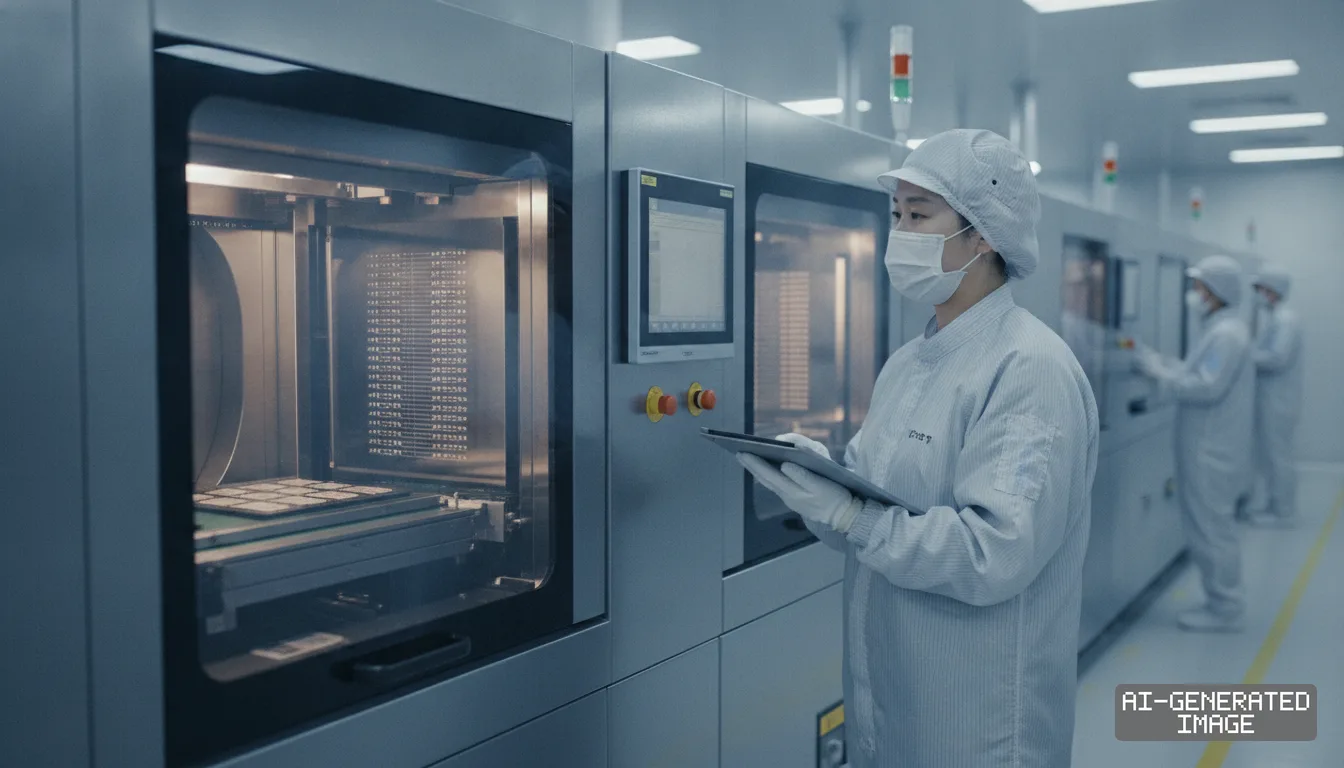
Tesla has pursued a dual-sourcing manufacturing arrangement for the AI5 architecture, preparing secondary production lines with Samsung Electronics alongside TSMC to diversify geopolitical supply risks.
Samsung Electronics is preparing advanced fabrication capacity at its Taylor, Texas facility, but volume commercial yields continue to lag behind TSMC's established Taiwanese fabrication clusters.
TSMC and Global Unichip completed the tape-out milestone for the AI5 processor in April 2026, advancing design verification several months ahead of rival foundry projects.
Tesla scheduled initial integration of AI5 silicon into Optimus production units for April 2027, while volume automotive adoption will not occur before 2028, according to conference call guidance.
Tesla has not published its contracted wafer volume figures with TSMC, and regulatory disclosures do not specify the exact chip delivery ratio between robotics and automotive manufacturing.
Impact map
How this development propagates across the region and out to global buyers.
| Event | Korea | China | Japan | Global impact |
|---|---|---|---|---|
| Tesla AI5 reallocation | Samsung Electronics sees delayed spillover demand as secondary 3nm supplier | Domestic robotics makers face widened compute gap against Optimus hardware | Automotive electronics component suppliers face extended AI4 supply runs | Cloud hyperscalers crowd out physical AI developers from advanced 3nm foundry capacity |
In this story
- Companies
- TeslaTaiwan Semiconductor Manufacturing Co.
- Tickers
- TSLA2330.TW
- Exposed
- Global UnichipAlphabetMicrosoftSamsung Electronics
- Impact
- Supply ChainCapexCost Structure
Related briefings
- Samsung and SK hynix widen custom HBM supply to cloud hyperscalers Also on Alphabet, Microsoft, Samsung Electronics
- LG and Samsung SDI schedule 2027 launch for data center LFP cells Also on Alphabet, Microsoft
- Google turns to Samsung and SK hynix HBM as custom TPU fleet grows Also on Alphabet, Samsung Electronics
- Nvidia locks up 37% of global HBM supply for AI accelerators Also on Alphabet, Samsung Electronics
Sources
Primary documents
Reporting
Confidence: high — how we grade this
The documents behind this briefing are linked above. East Asia Brief produces its English text with AI assistance under human editorial review, and does not translate or republish other outlets' articles. See our methodology and AI policy. Spotted an error? Tell us.
The Morning Brief
What changed in Korean, Chinese and Japanese industry overnight — and what it means for your supply chain. One email, weekday mornings, US time. Free.
The Morning Brief is in preparation. Leave your address and we will write to you once — when the first issue is ready. Nothing before that.