Murata commits 1 trillion yen to double MLCC capacity by 2030
The Japanese passive component maker raised its full-year operating profit forecast 21% as artificial intelligence servers and electric vehicles accelerate demand for high-capacitance capacitors.
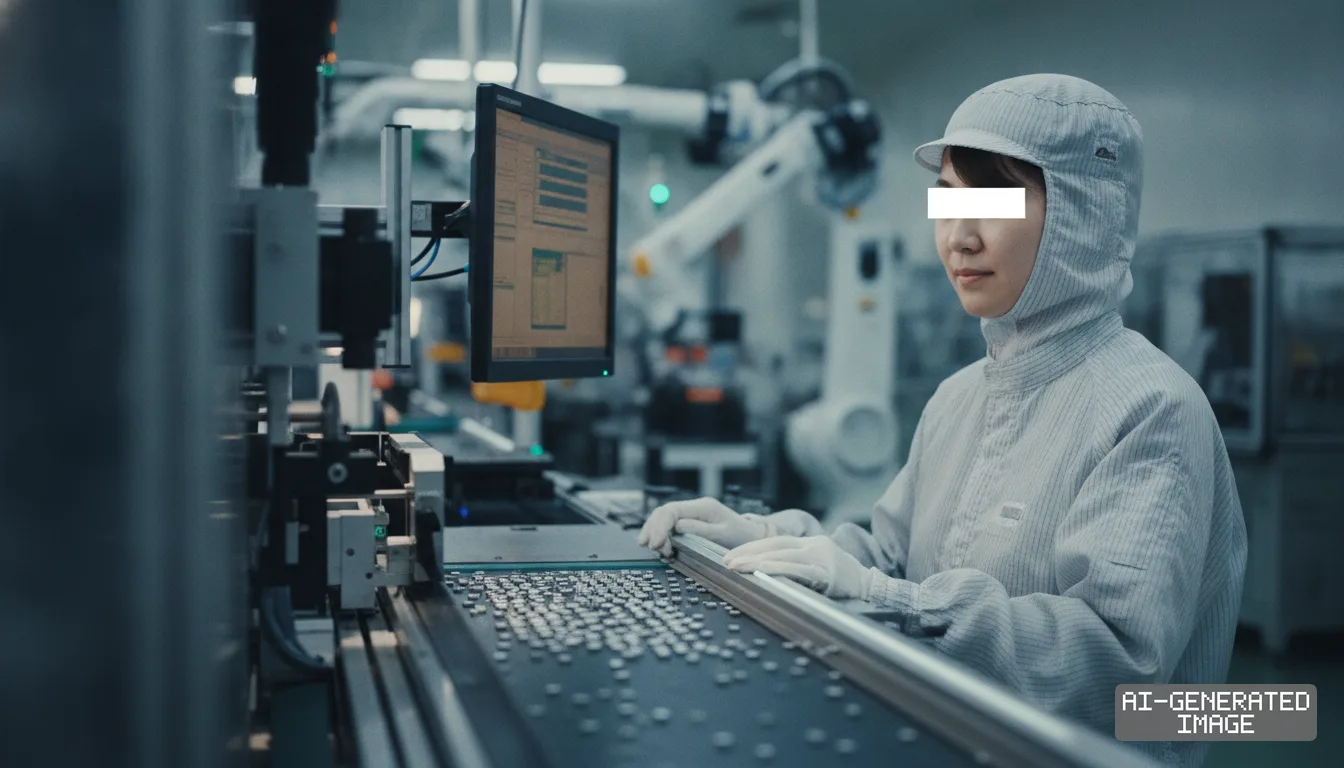
Murata Manufacturing said Oct. 30 it will invest 1 trillion yen ($6.5 billion) over five fiscal years to double its multilayer ceramic capacitor sales by 2030.
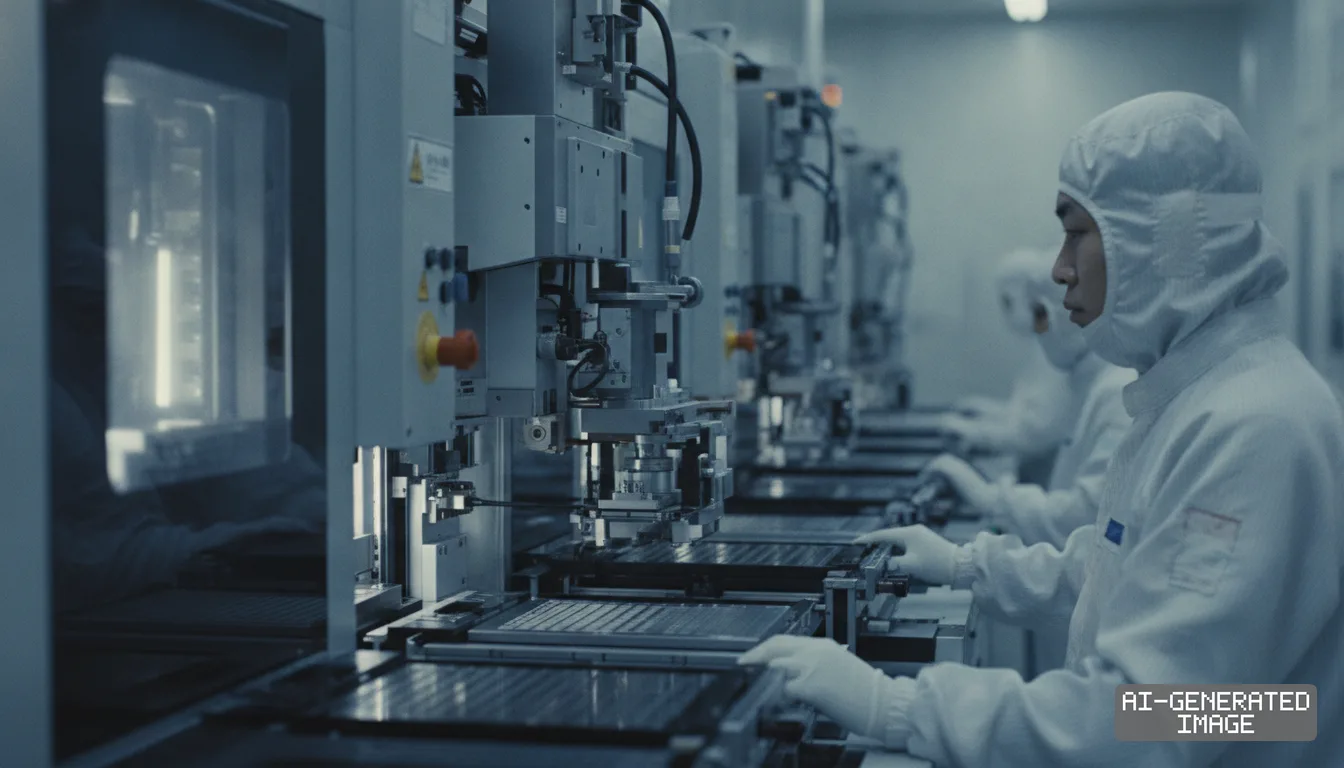
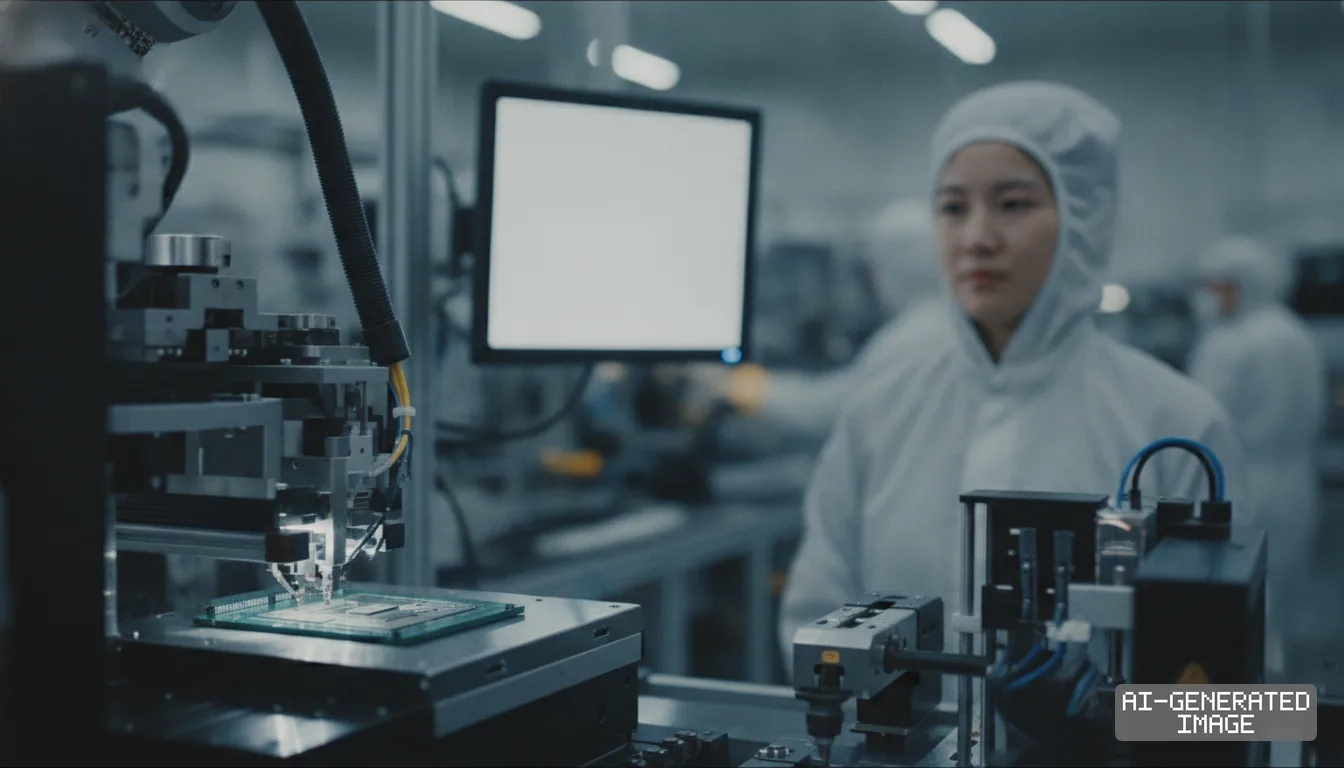
The Kyoto-based component maker supplies roughly 40% of the world's multilayer ceramic capacitors, tiny passive components that regulate electrical flow inside computer processors and automotive electronics.
The capital program runs from fiscal 2026 through fiscal 2030, allocating 350 billion yen, or 35%, to factory construction and site infrastructure. Another 650 billion yen, or 65%, will fund advanced manufacturing equipment.
Murata plans to expand production capacity at an annual rate of about 20% across fiscal 2027 and fiscal 2028, President Norio Nakajima said during an earnings briefing in Tokyo.
The capital deployment targets more than doubling annual MLCC revenue from the fiscal 2025 baseline of approximately 900 billion yen ($5.85 billion) by the fiscal year ending March 2031.
Alongside the five-year investment plan, Murata raised its operating profit forecast for the fiscal year ending March 2027 to 520 billion yen from 430 billion yen on Oct. 30.
The company lifted its net income projection to 396 billion yen from 338 billion yen, pointing to surging orders from cloud service providers building hyperscale artificial intelligence facilities.
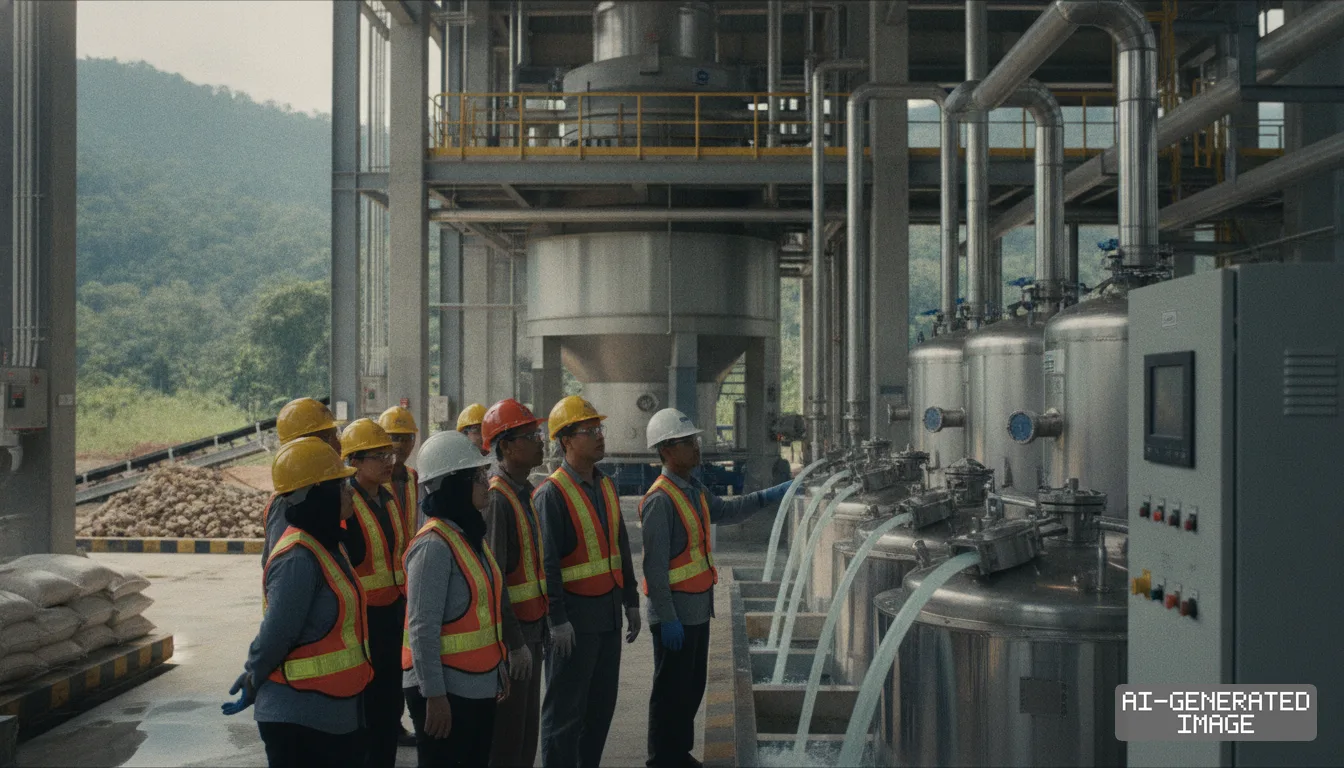
Okayama Murata Manufacturing in Setouchi will serve as the domestic centerpiece of the investment, receiving approximately 150 billion yen ($975 million) across two planned industrial buildings.
The Setouchi site will become Murata's third domestic MLCC production center, joining primary manufacturing facilities operated by Fukui Murata Manufacturing and Izumo Murata Manufacturing.
Construction of the first Okayama building dedicated to capacitor fabrication begins in April 2027. Structural completion of the production building is scheduled for the end of 2028, the company said.
A second Okayama building will produce ceramic sheets and proprietary dielectric raw materials. Work on that facility will run through a scheduled completion date in 2030.
Murata expects to employ between 1,500 and 2,000 workers at the Okayama complex once both manufacturing buildings reach commercial operation at the end of the decade.
Izumo Murata Manufacturing will also construct a new facility in Yasugi, Shimane Prefecture, to fabricate electronic components and capacitor modules, according to the presentation materials.
The company is extending its manufacturing footprint across Southeast Asia to establish geographically diversified supply chains for server builders and hardware assemblers.
Murata Electronics (Thailand) will erect a new factory building scheduled for completion in 2030. The project expands the group's largest ceramic component manufacturing base outside Japan.
The component maker will install machinery in unused space at its Philippine plant by 2027. It will also upgrade existing production lines across China and Southeast Asia.
Ceramic capacitors act as local energy reservoirs on computing motherboards, absorbing sudden voltage spikes and releasing current within nanoseconds to stabilize silicon performance.
Modern graphics processing units and custom accelerators consume hundreds of amperes of current, driving server motherboards to incorporate tens of thousands of miniature capacitors.
High-performance data center modules require components capable of operating under sustained thermal loads without experiencing dielectric breakdown or electrical capacitance loss.
Automotive demand is accelerating at a comparable pace as electric vehicle powertrains replace mechanical linkages with automated electronic driving architectures.
Battery electric vehicles carry upwards of 10,000 MLCCs to manage high-voltage power conversion across inverters, onboard chargers and battery management modules.
Murata holds roughly 40% of the worldwide MLCC market, maintaining technical dominance in ultra-compact components measuring 0.2 millimeters by 0.1 millimeters.
South Korea's Samsung Electro-Mechanics holds approximately 24% of the global market and secured a $210 million AI server MLCC supply contract with a global technology firm earlier this month.
Japanese competitor TDK Corporation supplies specialized automotive capacitors, making high-reliability ceramic parts the primary profit driver for East Asian electronic component vendors.
The Tokyo Stock Exchange filing does not state planned output targets in monthly unit volumes, disclosing expansion goals solely through revenue targets and annual percentage increases.
Engineering teams will break ground on the Okayama capacitor facility in April 2027, marking the first physical construction milestone of the five-year capital expansion plan.
Impact map
How this development propagates across the region and out to global buyers.
| Event | Korea | China | Japan | Global impact |
|---|---|---|---|---|
| MLCC capacity expansion | Samsung Electro-Mechanics defends 24% market share after $210M AI server supply contract | Hardware assembly lines face tightening Japanese allocations for high-voltage ceramic components | Murata allocates 1 trillion yen across Setouchi and Shimane plants to double MLCC revenue | Hyperscale data center builders face higher passive component costs amid server buildouts |
In this story
- Companies
- Murata Manufacturing
- Tickers
- 6981.T
- Exposed
- Samsung Electro-MechanicsTDK Corporation
- Impact
- CapexSupply ChainPricing
Related briefings
- Murata completes Vietnam inductor plant for power components Also on Murata Manufacturing, TDK Corporation, Samsung Electro-Mechanics
- Japan Seeks US Help on China Yttrium Curbs as Metal Runs Out Also on Murata Manufacturing, TDK Corporation
- Japan leads India FDI with $5.7 billion as factories expand Also on Murata Manufacturing
- Japan asks US for rare earth aid as China halts metal exports Also on TDK Corporation, Pricing
Sources
Reporting
Confidence: medium — how we grade this
The documents behind this briefing are linked above. East Asia Brief produces its English text with AI assistance under human editorial review, and does not translate or republish other outlets' articles. See our methodology and AI policy. Spotted an error? Tell us.
The Morning Brief
What changed in Korean, Chinese and Japanese industry overnight — and what it means for your supply chain. One email, weekday mornings, US time. Free.
The Morning Brief is in preparation. Leave your address and we will write to you once — when the first issue is ready. Nothing before that.