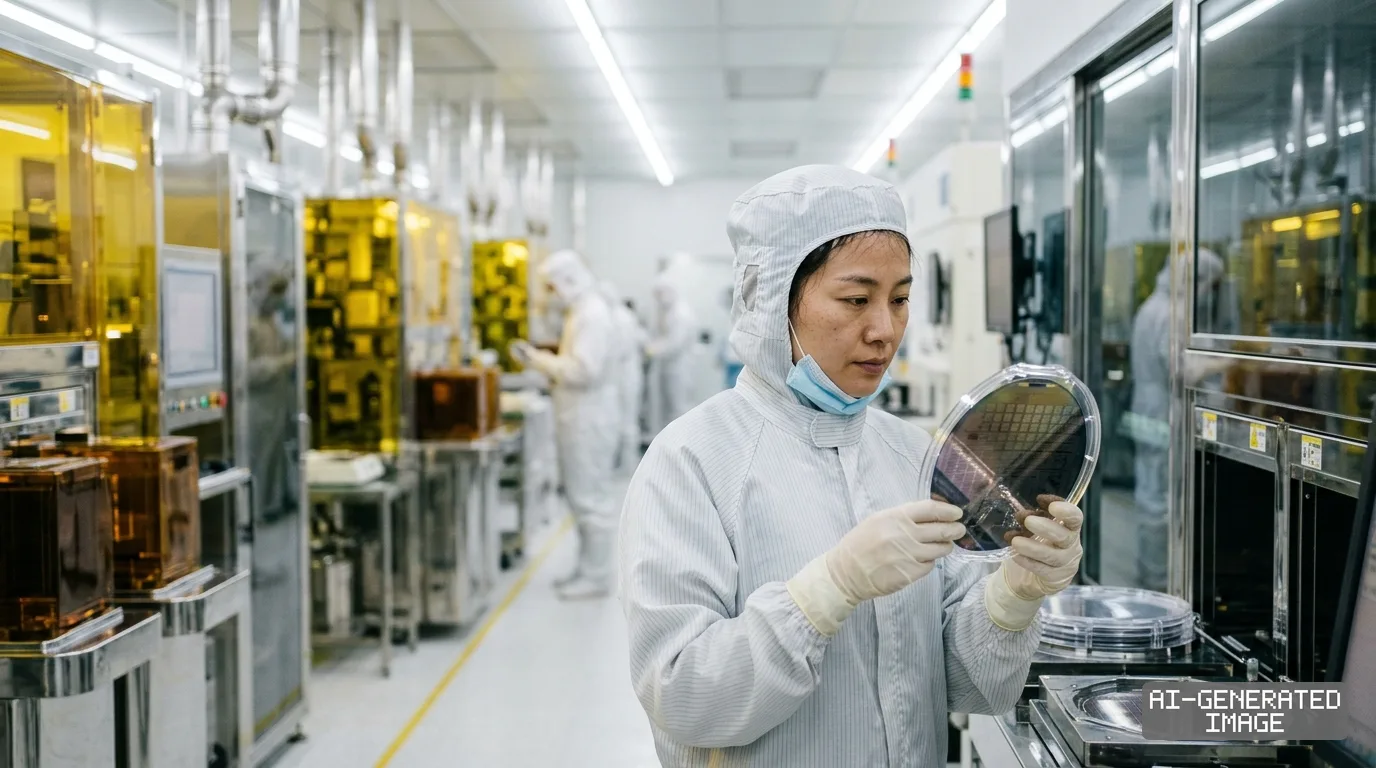
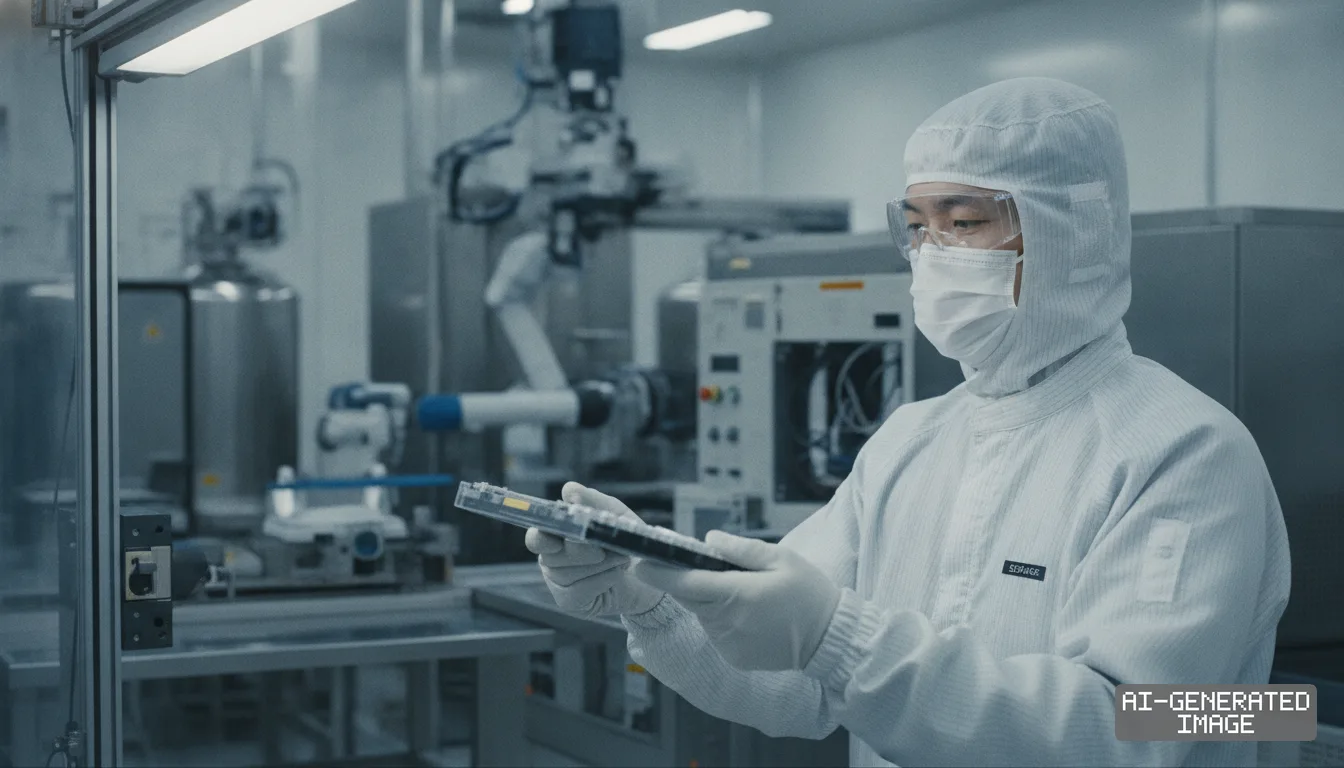
Lynas expands rare earth refining as China export curbs hold
Gross sales revenue reached A$310.1 million in the September quarter as Beijing restricted heavy rare earth magnet feedstocks like dysprosium and terbium.
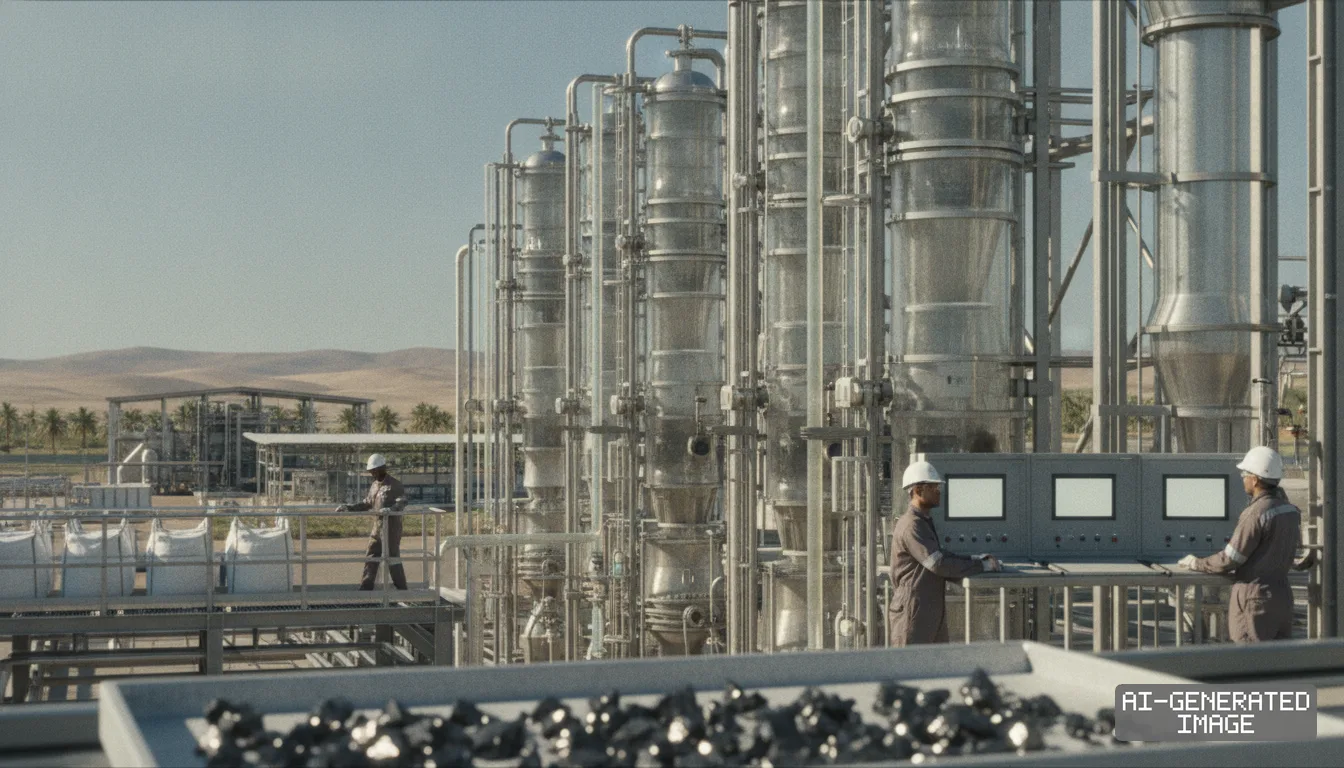
Lynas Rare Earths advanced downstream refining operations across Western Australia and Malaysia on Nov. 13, 2026, positioning alternative mineral flows against Chinese restrictions on critical heavy rare earth magnet feedstocks.
China still controls 91% of global rare earth refining capacity, according to International Energy Agency data. That concentration leaves Western automakers and defense contractors exposed to licensing bottlenecks in Beijing.
Lynas generated gross sales revenue of A$310.1 million ($218 million) in the September quarter, up 55% from a year earlier. Sales volumes fell 18%, but realized prices rose sharply.
The Australian processor logged an average selling price of A$102.10 ($72) per kilogram across all rare earth products. Minimum price agreements now shield more than 50% of Lynas output from market downturns.
China's Ministry of Commerce extended the suspension of October 2025 dual-use export curbs to Jan. 10, 2027. That suspension covered five elements, including europium and ytterbium, alongside certain graphite materials.
The ministry kept its April 2025 licensing mandate fully operative for seven heavy and medium rare earths. Exporters must secure individual government permits for dysprosium, terbium, samarium, gadolinium, lutetium, scandium and yttrium.
Dysprosium and terbium serve as thermal stabilizers in neodymium-iron-boron magnets, preventing electric motors from demagnetizing under high operational temperatures. Industrial buyers cannot substitute these elements in defense and automotive hardware without degrading motor performance.
Licensing barriers created steep geographic price disparities. Platts assessed North American dysprosium oxide at $4,100 per kilogram in late October, up 242% from its baseline assessment price of $1,200 on March 31.
Lynas produced 23 tonnes of separated dysprosium and terbium during the three months ended Sept. 30. That output accompanied 2,082 tonnes of neodymium-praseodymium oxide, representing a company production record.
The company remains the only commercial-scale separator of heavy rare earth oxides operating outside China. Its facilities supply Western magnet makers seeking exemption from Chinese regulatory reviews and customs delays.
Feedstock extraction begins at the Mount Weld open pit in Western Australia before moving to Kalgoorlie. The Kalgoorlie cracking and leaching plant converts mineral concentrate into mixed rare earth carbonate for export.
Mixed rare earth carbonate is an intermediate chemical concentrate shipped to Kuantan, Malaysia. Solvent extraction circuits at Kuantan separate individual elements through repeated liquid-liquid chemical stages.
Commercial separation of dysprosium started at Kuantan in May 2025, followed by terbium in June 2025. The Malaysian facility added samarium separation circuits in March 2026, widening non-Chinese product availability.
Long-term supply agreements support these capital-intensive operations. Japan Australia Rare Earths B.V., backed by the Japanese state and trading house Sojitz, holds contracts guaranteeing rare earth shipments to Japanese manufacturing lines through 2038.
The U.S. Department of Defense committed about $258 million to construct a commercial heavy and light rare earth separation facility in Seadrift, Texas. The plant will process Australian carbonate directly into finished oxides.
The Pentagon redirected $96 million of previously allocated capital toward the Texas development in March. Offtake negotiations with commercial manufacturers across the North American automotive supply chain remain in progress.
Lynas agreed on Sept. 30 to acquire Meteoric Resources for about A$968 million ($640 million). The transaction secures the Caldeira ionic-clay project in the Minas Gerais region of Brazil.
Ionic clays contain higher proportions of heavy elements than hard-rock deposits and require milder leaching agents. Caldeira feasibility forecasts anticipate average annual output of 3,862 tonnes of neodymium-praseodymium and 127 tonnes of dysprosium and terbium.
The company has not published operational run-rate revisions for its Kalgoorlie kiln, and China's Ministry of Commerce has not disclosed export licence quotas or approval timelines for individual foreign buyers.
Output is set to decline in the December quarter. Lynas scheduled a one-month maintenance outage at Kuantan and a two-week power network shutdown at Kalgoorlie during the final two months of 2026.
China's suspended restrictions on lighter elements expire Jan. 10, 2027, when trade officials review bilateral tariff arrangements. Mandatory licensing on dysprosium and terbium remains in force indefinitely.
Impact map
How this development propagates across the region and out to global buyers.
| Event | Korea | China | Japan | Global impact |
|---|---|---|---|---|
| Heavy rare earth licensing curbs | Automakers seek non-Chinese magnet supply to prevent production delays | MOFCOM controls 91% of global refining capacity via dual-use export permits | JARE secures long-term oxide shipments from Lynas through 2038 | Permanent magnet makers pay record premiums for separated heavy rare earths |
In this story
- Companies
- Lynas Rare Earths
- Tickers
- LYC.AX
- Exposed
- Meteoric ResourcesSojitz
- Policy
- Export ControlsSubsidies
- Impact
- Supply ChainPricingCapex
Track every Export Controls development → Track every Subsidies development →
Related briefings
- Lynas buys Meteoric for $672M to control Brazil rare earths Also on Meteoric Resources, Lynas Rare Earths, Export Controls
- METI expands Western rare earth alliances as China chokes yttrium Also on Sojitz, Lynas Rare Earths, Export Controls
- Japan and Australia advance critical minerals security pact Also on Sojitz, Lynas Rare Earths, Subsidies
- Malaysia overtakes China in US drone market as tariffs bite Also on Lynas Rare Earths, Export Controls, Subsidies
Sources
Reporting
Confidence: medium — how we grade this
The documents behind this briefing are linked above. East Asia Brief produces its English text with AI assistance under human editorial review, and does not translate or republish other outlets' articles. See our methodology and AI policy. Spotted an error? Tell us.
The Morning Brief
What changed in Korean, Chinese and Japanese industry overnight — and what it means for your supply chain. One email, weekday mornings, US time. Free.
The Morning Brief is in preparation. Leave your address and we will write to you once — when the first issue is ready. Nothing before that.